

- Medicines
- Personal Care
- Skin Cream
- Sunscreen
- Face Wash
- Skin and Body Soap
- Acne Care
- Body Lotions
- Moisturising Lotion
- Moisturising Cream
- Mosquito Repellent
- Moisturising Gel
- Body Wash
- Hair Oils
- Hair Shampoo
- Hair Conditioners
- Hair Supplements
- Hair Colour
- Hair Serum
- Hair Mask
- Hair Solutions
- Baby Diapers and Wipes
- Baby Lotion and Moisturising Cream
- Baby Bath Essentials
- Baby Skin Care
- Baby and Infant Food
- Baby Healthcare
- Women Multivitamins
- Ovulation Test Kit and Women Intimate Care
- Sanitary Pads
- Nutritional Drinks
- Condoms
- Lubricants
- Massage Gels
- Personal Body Massagers
- Men Performance Booster
- Sexual Health Supplements
- Massage Oils
- Ayurveda
- Tooth Paste
- Mouth Ulcer Gel
- Mouthwash
- Toothache and Gum Pain
- Tooth Brush
- Gargle Solution
- Orthopaedic Supports
- Adult Diapers
- Footwear
- Mobility and Support Accessories
- Urinary Support and Care
- Health Conditions
- Bone and Joint Care
- Digestive Care
- Eye Care
- Pain Relief
- Smoking Cessation
- Liver Care
- Stomach Care
- Cold and Cough
- Heart Care
- Kidney Care
- Piles, Fissures & Fistula
- Respiratory Care
- Mental Wellness
- Derma Care
- Pre and Probiotics
- Acidity
- Gas
- Constipation
- Loose Motion/Diarrhoea
- Digestive Fibres
- Digestive Enzymes
- Eye Lubricant Drops
- Lens Solution
- Safety Eye Wear
- Eye Cream
- Eye Vitamins and Supplements
- Eye Drops
- Eye Ointment and Gel
- Nicotine Patch
- Nicotine Gum
- Nicotine Lozenges
- Cough Syrups
- Chest Rubs and Balms
- Nasal Spray
- Lozenges
- Inhalant Capsules
- Cold and Cough Tablets
- Vitamins & Supplements
- Diabetes Care
- Healthcare Devices
- Homeopathic Medicine
- Health Guide
Neurological
Neurological diseases and disorders affect the brain, spinal cord, or nervous system, leading to motor and speech issues, cognitive impairments, and emotional disturbances. Common causes include genetic factors, infections, injuries, and immune reactions. Types of neurological disorders include Alzheimer’s disease, which impacts memory; Parkinson’s disease, causing tremors; epilepsy, characterised by seizures; and multiple sclerosis, where the immune system harms nerve coverings. Symptoms often involve movement difficulties, cognitive decline, and emotional instability. Treatment options may include medications, physical therapy, and lifestyle adjustments aimed at managing symptoms and enhancing daily functioning.

Dementia is a term used to describe a group of neurological disorders that affect cognitive functioning, memory, and the ability to perform daily activities. It is caused by several underlying diseases or injuries that progressively destroy nerve cells and damage the brain, leading to significant cognitive decline beyond what is expected from normal ageing. Dementia has substantial physical, psychological, social, and economic impacts on individuals, their caregivers, families, and society as a whole.
5th Nov 2024
|
17 mins read

Epilepsy is a neurological disorder characterised by recurrent, unprovoked seizures caused by abnormal electrical activity in the brain. It affects approximately 50 million people worldwide and can lead to various symptoms, including convulsions, changes in behaviour, and loss of consciousness. Treatment options are available to help manage seizures and improve the quality of life for those living with epilepsy WHO (2024).
5th Nov 2024
|
15 mins read

Myasthenia gravis (MG) is an autoimmune disorder of the neuromuscular junction that causes fluctuating skeletal muscle weakness and fatigability. It most commonly affects ocular, bulbar (facial and swallowing), limb and respiratory muscles; weakness typically worsens with use and improves with rest. The condition is mediated by circulating autoantibodies that impair neuromuscular transmission (most frequently antibodies against the acetylcholine receptor, and less commonly MuSK or other specific antigens) (Narayanaswami et al., 2021)
6th Nov 2024
|
14 mins read

Alzheimer's disease is a progressive neurodegenerative disorder characterised by memory loss, cognitive decline, and changes in behaviour. According to WHO (2023), it is the most common cause of dementia, accounting for 60–70% of cases. The disease is characterised by the accumulation of abnormal proteins in the brain, leading to neurodegeneration and a decline in cognitive function.
11th Nov 2024
|
11 mins read

Multiple sclerosis (MS) is a chronic autoimmune disease, affecting the central nervous system. In MS, the immune system mistakenly attacks the protective covering of nerve fibres, known as myelin. This damage disrupts communication between the brain and the rest of the body, leading to various symptoms. While the exact cause of MS is unknown, it is believed to be an autoimmune disorder with possible genetic, environmental, and infectious triggers.
11th Nov 2024
|
16 mins read

Parkinson's disease is a progressive neurological disorder that primarily affects movement, balance, and coordination. It results from the progressive loss of dopamine-producing neurons in the brain, leading to a deficiency in dopamine, a neurotransmitter essential for motor control. The exact cause of Parkinson's disease is still unknown, but it is believed to involve a combination of genetic, environmental, and lifestyle factors.
11th Nov 2024
|
13 mins read
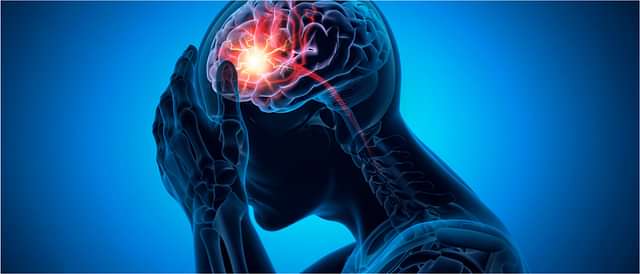
A brain aneurysm, also known as a cerebral aneurysm, is a bulge or ballooning in a blood vessel in the brain. It occurs when there is a weakness in the wall of a blood vessel, which can cause it to stretch and balloon out. If the aneurysm ruptures, it can lead to a life-threatening condition called a subarachnoid haemorrhage.
12th Nov 2024
|
15 mins read

Neuropathic pain (nerve pain) is pain caused by a lesion or disease of the somatosensory nervous system. It presents with positive sensory phenomena (burning, shooting, electric-shock sensations, allodynia, hyperalgesia) and/or negative sensory signs (numbness or loss of sensation). Neuropathic pain may be chronic and can be difficult to manage, often requiring multimodal and targeted approaches, according to (NICE (2020)). Various factors, such as diabetes, shingles, multiple sclerosis, and injuries, can lead to neuropathic pain.
12th Nov 2024
|
13 mins read

Vertigo is a condition characterised by a sensation of spinning, swaying, or feeling off balance. It is a type of dizziness in which individuals feel as though they or their surroundings are moving when there is no actual movement. Vertigo can significantly impact daily life, causing difficulty in maintaining balance and performing everyday tasks.
12th Nov 2024
|
13 mins read

Migraine is a common neurobiological disorder characterised by recurrent attacks of moderate-to-severe headache often accompanied by nausea, vomiting, photophobia, and phonophobia, sometimes transient neurologic symptoms (aura). Modern pathophysiologic models emphasise cortical spreading depression (a mechanism for aura) and activation of the trigeminovascular system with subsequent release of neuropeptides (including CGRP), rather than a simple “blood-vessel activation” explanation. Attacks typically last 4–72 hours if untreated and are disabling for many people (American Headache Society, 2021).
13th Nov 2024
|
14 mins read
Latest health articles

Top Health Essentials



























Top-Selling Medicines:
...View more
Top-OTC medicines:
...View more
Company
About UsHealth ArticleHealth StoriesHealth LibraryDiseases & Health ConditionsAyurvedaUnderstanding Generic MedicinesAll MedicinesAll BrandsNeed HelpFAQSecuritySavings CalculatorAdvertise with UsSubscribe
Registered Office Address
Grievance Officer
Download Truemeds


Contact Us
Our customer representative team is available 7 days a week from 9 am - 9 pm.
v4.28.19

2026 - Truemeds | All rights reserved. Our content is for informational purposes only. See additional information.

Our Payment Partners