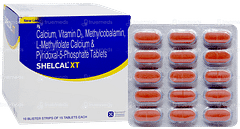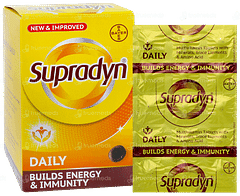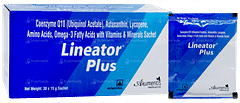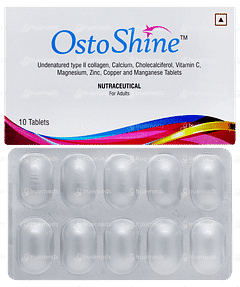



 Composition
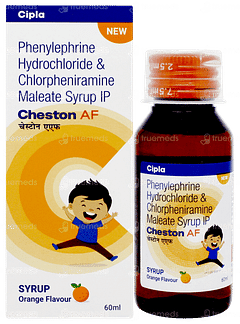
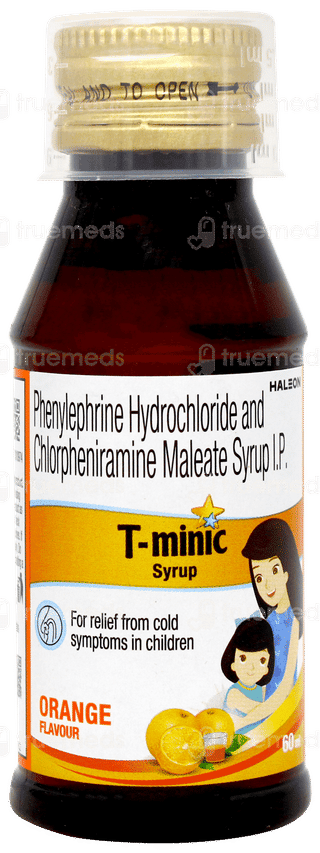
T-Minic Syrup is a combination medicine intended for symptomatic relief of certain upper respiratory and allergic symptoms. Chlorpheniramine may reduce sneezing, nasal discharge and watery eyes. However, the medicine does not cure viral infections or shorten a common cold. Evidence does not support reliable nasal decongestant benefit from oral phenylephrine at recommended doses. Its use in young children requires particular caution because cough and cold combinations can cause serious adverse effects.
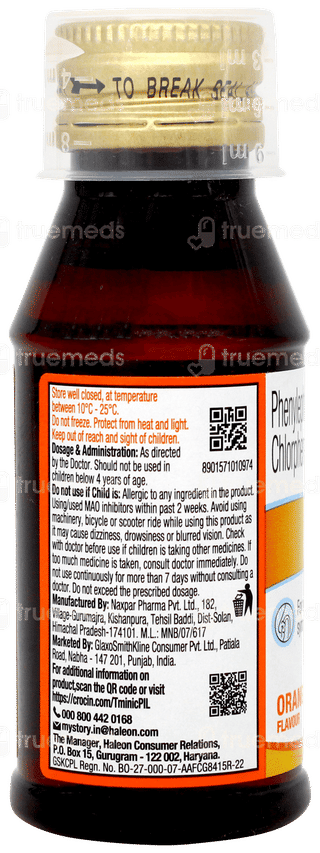
Give T-Minic Syrup only in the amount prescribed by your child's doctor. Use a calibrated oral syringe or measuring cup rather than a household spoon. Confirm the child's age and suitability before administration. Do not combine it with other cold, allergy or decongestant medicines without medical advice. Follow the prescribed duration and do not increase the amount independently. Encourage adequate fluids and rest during illness.
Common side effects of T-Minic Syrup include drowsiness, dizziness, dry mouth, nausea, constipation and irritability. Some children may develop unusual excitement rather than sedation. Phenylephrine may cause palpitations or increased blood pressure. Inform the doctor if symptoms persist or worsen. Seek urgent medical attention for breathing difficulty, severe sleepiness, seizures or an irregular heartbeat. Persistent fever, dehydration or worsening respiratory symptoms also require assessment.
Before giving T-Minic Syrup, tell the doctor about heart disease, hypertension, hyperthyroidism, glaucoma or urinary problems. Mention other medicines, especially sedating antihistamines, decongestants and monoamine oxidase inhibitors. Do not use it in children under two years. For older children, suitability depends on age, formulation and local recommendations. Avoid using this combination for routine treatment of uncomplicated colds without medical advice. Keep the bottle securely out of children's reach.