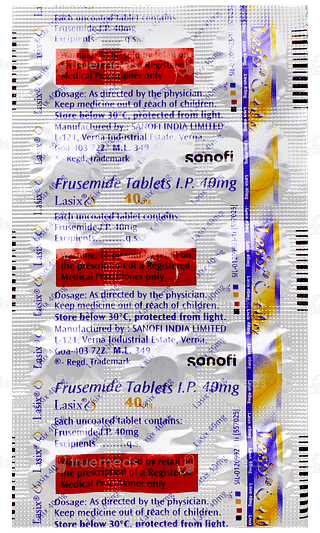
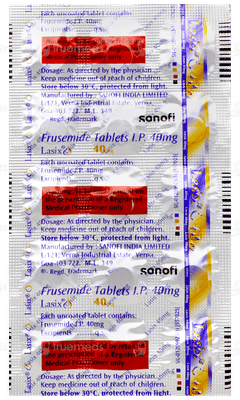


 Composition
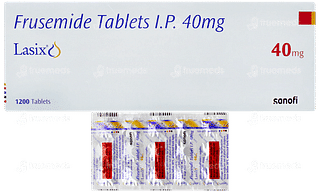
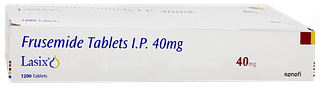
Lasix 40 Tablet contains furosemide 40 mg, a loop diuretic used to manage fluid retention and hypertension. It increases the excretion of sodium, chloride and water by acting on the thick ascending limb of the kidney's loop of Henle. This helps reduce oedema associated with heart failure, liver disease and certain kidney disorders. Take the tablet exactly as prescribed by your doctor. Possible side effects include increased urination, dizziness, dehydration and electrolyte disturbances. Tell your doctor about kidney disease, liver problems or low blood pressure. Excessive fluid loss can cause serious dehydration and electrolyte imbalance. Blood pressure, kidney function and electrolytes may require monitoring.
Lasix 40 Tablet is prescribed to manage oedema associated with congestive heart failure, liver cirrhosis and certain kidney conditions. It may also be used to manage hypertension when clinically appropriate. Furosemide helps the body remove excess fluid through urine, reducing swelling and fluid overload. It does not correct the underlying cause of heart, liver or kidney disease. Treatment may require additional medicines and lifestyle measures. Fluid and salt recommendations should be individualised.
Take Lasix 40 Tablet exactly as directed by your doctor. Swallow the tablet with water, following the prescribed treatment schedule. Your doctor may recommend taking it earlier in the day to reduce nighttime urination. Do not increase or reduce the dose based on swelling without medical advice. Follow individual instructions about fluid and salt intake. Your doctor may monitor body weight, blood pressure and blood tests. Do not double a missed dose.
Possible side effects of Lasix 40 Tablet include frequent urination, dizziness, headache, thirst, muscle cramps and low blood pressure. Excessive diuresis may cause dehydration and electrolyte disturbances, including low potassium or sodium levels. These changes may cause weakness, palpitations or abnormal heart rhythms. Inform your doctor about persistent dizziness or muscle cramps. Seek urgent assessment for fainting, severe weakness, confusion or markedly reduced urine output. Hearing disturbances may occur, particularly with excessive exposure.
Before taking Lasix 40 Tablet, tell your doctor about dehydration, electrolyte imbalance, kidney disease, liver cirrhosis or difficulty passing urine. Mention diabetes, gout and previous reactions to furosemide. Report medicines such as digoxin, lithium, aminoglycoside antibiotics, corticosteroids and anti-inflammatory medicines. These combinations may require monitoring or adjustment. Discuss pregnancy and breastfeeding before treatment. Avoid changing your fluid intake without medical guidance. Regular monitoring helps identify dehydration, kidney dysfunction and electrolyte abnormalities.