

- Medicines
- Personal Care
- Skin Cream
- Sunscreen
- Face Wash
- Skin and Body Soap
- Acne Care
- Body Lotions
- Moisturising Lotion
- Moisturising Cream
- Mosquito Repellent
- Moisturising Gel
- Body Wash
- Hair Oils
- Hair Shampoo
- Hair Conditioners
- Hair Supplements
- Hair Colour
- Hair Serum
- Hair Mask
- Hair Solutions
- Baby Diapers and Wipes
- Baby Lotion and Moisturising Cream
- Baby Bath Essentials
- Baby Skin Care
- Baby and Infant Food
- Baby Healthcare
- Women Multivitamins
- Ovulation Test Kit and Women Intimate Care
- Sanitary Pads
- Nutritional Drinks
- Condoms
- Lubricants
- Massage Gels
- Personal Body Massagers
- Men Performance Booster
- Sexual Health Supplements
- Massage Oils
- Ayurveda
- Tooth Paste
- Mouth Ulcer Gel
- Mouthwash
- Toothache and Gum Pain
- Tooth Brush
- Gargle Solution
- Orthopaedic Supports
- Adult Diapers
- Footwear
- Mobility and Support Accessories
- Urinary Support and Care
- Health Conditions
- Bone and Joint Care
- Digestive Care
- Eye Care
- Pain Relief
- Smoking Cessation
- Liver Care
- Stomach Care
- Cold and Cough
- Heart Care
- Kidney Care
- Piles, Fissures & Fistula
- Respiratory Care
- Mental Wellness
- Derma Care
- Pre and Probiotics
- Acidity
- Gas
- Constipation
- Loose Motion/Diarrhoea
- Digestive Fibres
- Digestive Enzymes
- Eye Lubricant Drops
- Lens Solution
- Safety Eye Wear
- Eye Cream
- Eye Vitamins and Supplements
- Eye Drops
- Eye Ointment and Gel
- Nicotine Patch
- Nicotine Gum
- Nicotine Lozenges
- Cough Syrups
- Chest Rubs and Balms
- Nasal Spray
- Lozenges
- Inhalant Capsules
- Cold and Cough Tablets
- Vitamins & Supplements
- Diabetes Care
- Healthcare Devices
- Homeopathic Medicine
- Health Guide
Cracked Heels
Cracked heels, a common foot condition, occur when the skin on the heels becomes dry and thick, leading to splits or cracks. Factors like dry skin, increased pressure on the heels, obesity, ageing, and certain medical conditions can contribute to the development of cracked heels.
 50
50Last updated on : 04 May, 2026
Read time : 14 mins
Overview of Disease
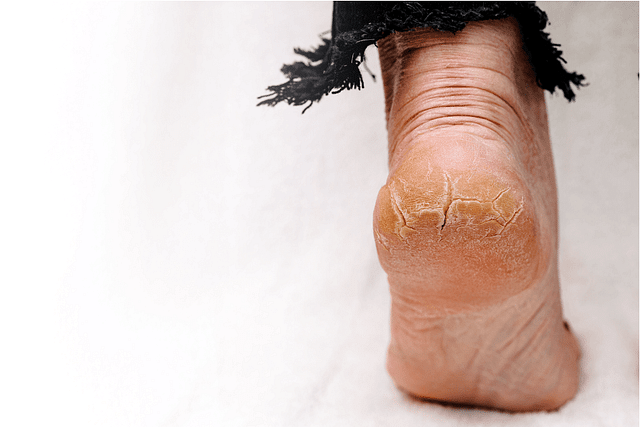
Cracked heels, also referred to as heel fissures, are a prevalent foot condition that affects many people. While often considered a cosmetic issue, cracked heels can become painful if left untreated. Understanding the causes, symptoms, and available foot crack treatment options is essential for effectively managing this condition and maintaining healthy feet.
What are Cracked Heels?
Cracked heels develop when the skin on the heels becomes excessively dry and thick, resulting in the formation of cracks or splits. Several factors can contribute to the development of cracked heels, including dry skin, increased pressure on the fat pad under the heel, and predisposing conditions like obesity, ageing, diabetes, and neuropathy.
Key Factors about Cracked Heels
| Category | Details |
| Also Referred to as | Heel fissures |
| Commonly Occurs In | Individuals who wear open-heeled footwear, and people with poor foot hygiene |
| Affected Organ | The skin on the heels of the feet |
| Common Signs | Dry, thick skin; cracks; pain; bleeding; discomfort |
| Consulting Specialist | Podiatrists and other health professionals for underlying conditions |
| Managed By | OTC products (foot balms or moisturisers, liquid bandages), keratolytic agents (urea, salicylic acid, lactic acid), topical medications (strong moisturisers, keratolytic agents, antifungal medications), strapping, and shoe inserts |
Symptoms of Cracked Heels
The initial symptom that you may be developing a cracked heel is the appearance of hard, dry, thickened skin around the heel. As the skin loses further moisture, it may begin to split, forming small cracks. These symptoms can be mild or severe.
Mild Symptoms
- Flaky patches on the heels indicate a need for increased moisture
- Rough, dry skin on the affected area
- Visible cracking or splitting of the skin
- Itchiness due to dryness and skin barrier disruption
Severe Symptoms
- Bleeding from the cracks in severe cases
- Open wounds on the heels
- Pain when putting pressure on the heels or walking
- Potential infections and the development of cellulitis in advanced stages
Additional Symptoms may include
- Redness or swelling around the cracks (indicating inflammation)
- Thickened skin or calluses forming around the cracked area
- A burning sensation in the affected area due to skin irritation
Stages of Cracked Heels
Cracked heels can be broadly categorised into the following three stages:
- Initial Stage: In the early stages, the skin around the rim of the heel becomes dry, hard, and thickened, forming a callus. The affected area may also exhibit a yellow or dark brown discolouration.
- Progression: As the condition progresses, small cracks appear over the callus. If these cracks are not addressed promptly, they can deepen, causing pain when standing or walking.
- Severe Stage: In severe cases, the cracks can become deep and bleed. This stage also poses a risk of infection, potentially leading to more serious conditions such as cellulitis.
Causes of Cracked Heels
Cracked heels occur due to several reasons, ranging from environmental factors to underlying medical conditions. Understanding the main reasons for cracked heels can help you prevent discomfort and maintain healthy feet.
- Dry Skin: Dry skin is a primary cause, often resulting from low humidity levels, especially during winter months, and exposure to hot water without proper moisturisation afterwards.
- Increased Pressure on the Heels: Increased pressure on the fat pad under the heel, either from standing for prolonged periods or due to obesity, can cause the skin to expand sideways and crack. Wearing open-back shoes or sandals also allows the fat under the heel to spread laterally, increasing the risk of developing cracks.
- Pre-existing Medical Conditions: Certain conditions, such as athlete's foot, eczema, psoriasis, thyroid disorders, diabetes, and neuropathy, can also lead to cracked heels.
- Ageing: Furthermore, the natural ageing process, which reduces skin elasticity, may contribute to the formation of heel fissures.
- Poor foot care: Poor foot care, including inadequate moisturisation and prolonged exposure to irritants, can contribute to cracked heels.
- Walking barefoot: Walking barefoot, especially on hard or rough surfaces, can cause excessive pressure and friction on the heels. This leads to the skin becoming dry, thickened, and prone to cracking. Without proper footwear, the feet lose the support and cushioning needed to protect the skin, increasing the risk of cracked heels.
Risk Factors
Cracked heels occur when the skin on the feet becomes dry, thickened, or damaged. Several factors contribute to this condition, from dehydration to underlying medical conditions. Below are some of the common risk factors:
1. Dehydration
Lack of adequate hydration can lead to dry and flaky skin, especially on the soles of the feet. Since the skin here naturally has fewer oil glands, it is more prone to moisture loss, making dehydration a primary cause of cracked heels.
2. Athlete's Foot
Athlete’s foot is a fungal infection that presents as a scaly, itchy rash. The infection can cause excessive dryness and peeling if left untreated, leading to cracked heels.
3. Eczema (Atopic Dermatitis)
Eczema is a chronic skin condition characterised by dry, inflamed, and irritated skin. It can cause the skin on the feet to lose moisture and become prone to painful fissures.
4. Uncontrolled Diabetes
Diabetes can lead to nerve damage (neuropathy), which affects the ability of the feet to produce sweat. (National Institute of Diabetes and Digestive and Kidney Diseases [NIDDK], 2025) This lack of moisture increases the risk of developing thickened skin, calluses, and cracks.
5. Hypothyroidism
An underactive thyroid slows down metabolism, reducing oil production in the skin. This can cause excessive dryness, making the feet more susceptible to cracks and fissures.
6. Palmoplantar Psoriasis
This is a specific type of psoriasis affecting the palms and soles. It can cause painful pustules (lesions), thick calluses, and deep cracks in the heels.
7. Juvenile Plantar Dermatosis (Sweaty Sock Syndrome)
This condition affects children between the ages of 3 and 14 years, causing red, dry, and scaly patches on the soles of the feet (Kumar et al., 2016). It is often linked to excessive sweating and friction from footwear.
8. Sjögren’s Syndrome
An autoimmune disorder that attacks moisture-producing glands, leading to dry skin, including on the feet. The lack of natural lubrication can result in cracked heels.
9. Obesity
Excess weight increases the pressure on the heels, causing the skin to expand and crack. Studies suggest that obese individuals are more prone to developing thickened and fissured skin on the feet.
10. Pregnancy
Hormonal changes, weight gain, and increased pressure on the feet during pregnancy contribute to dry skin, making pregnant women more susceptible to cracked heels.
11. Ageing
As people age, their skin becomes thinner, less elastic, and produces fewer natural oils. This results in dryness, making older individuals more prone to developing cracked heels.
12. Other Contributing Factors
Several lifestyle and environmental factors also increase the likelihood of cracked heels, including:
- Living in dry or cold climates
- Taking long, hot showers that strip the skin of moisture
- Wearing ill-fitting or open-back footwear that exposes heels to friction
- Standing for prolonged periods, especially on hard surfaces
- Engaging in high-impact activities like running, jogging, or climbing
- Jobs that involve repeated foot pressure, such as construction work or athletics
Complications
Cracked heels, if left untreated for a long time, can lead to several complications, such as:
- Infection: Severe cracks can lead to infections such as cellulitis.
- Fungal Infections: Neglecting cracked heel treatment can spread fungal infections to the nails, causing fungal nail issues and discolouration.
- Pain and Discomfort: Deep cracks can cause severe pain and discomfort.
- Difficulty Healing: If left untreated, cracks can deepen and become harder to heal.
Prevention of Cracked Heels
Preventing cracked heels is often easier than their treatment. Here are some pointers to help keep your heels smooth and healthy:
- Moisturise your feet daily, especially the heels, using thick creams or ointments containing ingredients like lanolin, petroleum jelly, glycerin, and ceramides.
- Establish a regular foot care routine that includes soaking your feet in warm, soapy water for 10-15 minutes weekly to hydrate the skin. Gently exfoliate with a loofah, foot scrubber, or pumice stone to remove dead skin.
- Stay hydrated by drinking plenty of water and other non-caffeinated beverages throughout the day.
- Wear closed-toe shoes that provide adequate heel support. Avoid open-back shoes, high heels, tight shoes, thongs, and sandals that can contribute to dry, cracked heels.
- Inspect your feet daily, especially if you have diabetes or other conditions that affect foot health, to identify any issues early on.
- Avoid standing for prolonged periods on hard floors and sitting with your legs crossed for too long, as these positions can put excess pressure on your heels.
- Eat a balanced diet rich in vitamins and minerals to support overall skin health.
- Use insoles or heel pads to cushion your heels and redistribute weight. For those with more severe cases, custom shoe inserts (orthotics) may provide better support.
Diagnosis & Tests
Cracked heels are often diagnosed based on a physical examination, but further tests may be required to identify any underlying medical causes. A doctor may conduct the following diagnostic procedures:
1. Medical History and Physical Examination
- The doctor will visually inspect the feet for dryness, fissures, and thickened skin.
- They may ask about footwear choices, foot hygiene, and past treatments.
- Walking style and foot positioning may also be assessed to determine any mechanical issues contributing to heel cracks.
2. Laboratory Tests
While laboratory tests are not always required, they can help identify underlying health conditions causing persistent cracked heels. These may include:
- Complete Blood Count (CBC): Checks for signs of infection or inflammation.
- Blood Glucose Test: Determines if diabetes or impaired glucose metabolism is affecting skin health.
- Nutritional Tests: Identifies deficiencies in vitamins A, C, D, or E, which play a crucial role in maintaining healthy skin. Nutritional deficiencies are not a routine cause; testing is only indicated if clinically suspected.
3. Pedobarographic Studies
These foot pressure studies analyse weight distribution on the feet, identifying high-pressure areas that may contribute to heel fissures.
4. Skin Biopsy
In cases where an underlying skin disorder is suspected, a small tissue sample may be taken and examined under a microscope to rule out infections, psoriasis, or eczema.
5. Imaging Tests (If Necessary)
Though not commonly required, imaging techniques may be used to assess deeper skin structures and bone involvement:
- Dermoscopy: A magnified skin examination to detect fungal infections or dermatological conditions.
- Wood’s Lamp Examination: Uses ultraviolet light to diagnose fungal infections or skin conditions.
By identifying the root cause of cracked heels, doctors can recommend appropriate treatments, whether through lifestyle modifications, topical treatments, or medical interventions.
Treatment & Management
Effective cracked heels treatment includes simple self-care steps at home and, in some cases, professional care.
1. Self-Care at Home
Taking care of cracked heels yourself can heal the skin and prevent worsening. Try these steps:
- Moisturise daily: Use a thick cream or petroleum jelly on your heels to lock in moisture. Foot creams with urea, salicylic acid, or glycerin soften rough skin and help with healing.
- Soak and exfoliate: Soak your feet in warm water for 10–15 minutes to soften skin. Then gently exfoliate with a pumice stone or foot scrubber to remove dead skin. This allows moisturisers to absorb better.
- Wear comfortable shoes: Choose footwear with good cushioning to reduce pressure on your heels. Avoid walking barefoot or wearing tight, ill-fitting shoes that can worsen cracks.
- Use socks overnight: After moisturising at night, wear cotton socks to keep the skin hydrated and protect your bedding.
- Stay hydrated and eat well: Drink plenty of water and eat foods rich in vitamins A, C, E, and omega-3 fatty acids. These nutrients support healthy skin and prevent dryness.
- Avoid harsh soaps: Use mild, fragrance-free soaps that don’t strip your skin’s natural oils. Harsh soaps can increase dryness and irritation.
2. Over-the-Counter (OTC) Products
If home care is not enough, OTC options can help treat cracked heels:
- Moisturising heel balms: Apply thick creams with ingredients like urea, salicylic acid, alpha-hydroxy acid, lactic acid, or saccharide isomerate multiple times daily to soften and hydrate cracked skin. Specialised cracked heel creams penetrate deeply to restore moisture.
- Protective treatments: Liquid bandages or heel repair products create a barrier that seals cracks and helps healing.
- Pain relief: Topical anaesthetics (e.g., lidocaine) may provide temporary pain relief in selected cases.
- Other topical meds: For severe or persistent cases, doctors may prescribe stronger moisturisers, keratolytic agents, or antifungal creams if infections are present.
- Debridement or strapping: Rarely, removing thickened skin (debridement) or using strapping to hold deep fissures together may be necessary.
Living with Disease
Cracked heels can be a persistent and uncomfortable condition, but with proper care and management, you can minimise their impact on your daily life. Here are some home remedies for cracked heels, which will help you manage and live with the condition:
- Moisturise Regularly: Apply a thick, emollient cream or ointment to your heels at least twice a day, especially after bathing or soaking your feet. Look for the best cream for cracked heels containing urea, salicylic acid, or alpha-hydroxy acids, which can help soften and exfoliate the skin.
- Wear Supportive, Well-fitting Shoes: Choose shoes that fit properly and provide adequate support for your heels. Avoid open-back sandals or shoes that don't secure your heel in place, as these can contribute to dryness and cracking.
- Use Heel Cups or Inserts: If you have deep heel cracks that are causing pain, consider using heel cups or inserts in your shoes to provide extra cushioning and support.
- Protect your Heels at Night: Before bed, apply a generous amount of moisturiser to your heels and cover them with cotton socks to help the moisturiser penetrate the skin and prevent further drying.
- Maintain a Healthy Diet: Eating a balanced diet rich in vitamins and minerals, particularly vitamin E, can help promote healthy skin and reduce the likelihood of cracked heels.
When to See a Doctor?
If your cracked heels do not improve with home treatment, or if you experience any of the following, it is advisable to consult a doctor:
- Severe Pain: If your cracked heels are causing significant pain that interferes with your daily activities, it's important to consult a doctor or podiatrist.
- Bleeding or Signs of Infection: If your heel cracks are deep and bleeding, or if you notice signs of infection such as redness, swelling, or discharge, seek medical attention promptly.
- Underlying Health Conditions: If you have diabetes, nerve damage, or other health conditions that affect your feet, it's crucial to have your cracked heels evaluated by a doctor to prevent complications.
- Persistent or Worsening Symptoms: If your cracked heels do not improve with home treatments or continue to worsen over time, it's important to consult a doctor or podiatrist for further evaluation and treatment.
Key Takeaways
- Cracked heels are a common foot problem caused by various factors, including dry skin, open-heeled footwear, and certain medical conditions.
- Symptoms include dry, thickened skin, small cracks, pain, bleeding, and increased risk of infection.
- Most cases can be managed at home with moisturisers and gentle exfoliation, but severe or persistent cases may require medical attention.
- If you have diabetes or other underlying health conditions, it is essential to take extra care of your feet and seek prompt treatment for any foot problems, including cracked heels.
- Preventive measures such as using a foot cream for cracked heels, wearing closed-toe shoes, and avoiding hot showers can help keep your heels healthy and crack-free.
FAQs
What are some effective ways to prevent and manage cracked heels?
What are the primary factors that contribute to the development of cracked heels?
Is there a link between vitamin deficiencies and the occurrence of cracked heels?
Is it possible to permanently cure cracked heels?
Can applying coconut oil help in the healing process of cracked heels?
Is Vaseline an effective solution for repairing cracked heels?
Can the application of lemon juice help in removing cracked heels?
Does a fungal infection cause cracked heels?
Do cracked heels pose any health risks?
References
- Tate, E. & East Sussex Healthcare NHS Trust. (2022). Dry skin (Anhydrosis) and skin fissures. In Podiatry (pp. 1–4). https://www.esht.nhs.uk/wp-content/uploads/2022/10/1020.pdf
- Ramadan, E., Saleh, Z., Awada, S., Yassine, A., & Jaber, W. (2025). Ramadan E, Saleh Z, awada S, Yassine A, Jaber W. heel fissures: A comprehensive review of pathophysiology, risk factors, and evidence-based management strategies. Austin Journal of Dermatology. https://www.austinpublishinggroup.com/dermatology/file=fulltext/ajd-v12-id1116.php
- Kapoor, P., Kumar, S., Brar, A. K., Kaur, J., & Bhatia, V. (n.d.). Novel use of trichloroacetic acid in deep heel fissures. Indian Journal of Dermatology Venereology and Leprology. https://ijdvl.com/novel-use-of-trichloroacetic-acid-in-deep-heel-fissures/
- What is diabetic neuropathy? (2025, August 12). National Institute of Diabetes and Digestive and Kidney Diseases. https://www.niddk.nih.gov/health-information/diabetes/overview/preventing-problems/nerve-damage-diabetic-neuropathies/what-is-diabetic-neuropathy
- Wadekar, P. H., & Potnis, V. (2021). A Review on Heel Fissures and its Management. International Journal of Research in Engineering, Science and Management, 4(2), 96–98. https://journal.ijresm.com/index.php/ijresm/article/view/516
Latest health articles

Top Health Essentials















Disclaimer
Top-Selling Medicines:
...View more
Top-OTC medicines:
...View more
Company
About UsHealth ArticleHealth StoriesHealth LibraryDiseases & Health ConditionsAyurvedaUnderstanding Generic MedicinesAll MedicinesAll BrandsNeed HelpFAQSecuritySavings CalculatorAdvertise with UsSubscribe
Registered Office Address
Grievance Officer
Download Truemeds


Contact Us
Our customer representative team is available 7 days a week from 9 am - 9 pm.
v4.28.13

2026 - Truemeds | All rights reserved. Our content is for informational purposes only. See additional information.

Our Payment Partners