

- Medicines
- Personal Care
- Skin Cream
- Sunscreen
- Face Wash
- Skin and Body Soap
- Acne Care
- Body Lotions
- Moisturising Lotion
- Moisturising Cream
- Mosquito Repellent
- Moisturising Gel
- Body Wash
- Hair Oils
- Hair Shampoo
- Hair Conditioners
- Hair Supplements
- Hair Colour
- Hair Serum
- Hair Mask
- Hair Solutions
- Baby Diapers and Wipes
- Baby Lotion and Moisturising Cream
- Baby Bath Essentials
- Baby Skin Care
- Baby and Infant Food
- Baby Healthcare
- Women Multivitamins
- Ovulation Test Kit and Women Intimate Care
- Sanitary Pads
- Nutritional Drinks
- Condoms
- Lubricants
- Massage Gels
- Personal Body Massagers
- Men Performance Booster
- Sexual Health Supplements
- Massage Oils
- Ayurveda
- Tooth Paste
- Mouth Ulcer Gel
- Mouthwash
- Toothache and Gum Pain
- Tooth Brush
- Gargle Solution
- Orthopaedic Supports
- Adult Diapers
- Footwear
- Mobility and Support Accessories
- Urinary Support and Care
- Health Conditions
- Bone and Joint Care
- Digestive Care
- Eye Care
- Pain Relief
- Smoking Cessation
- Liver Care
- Stomach Care
- Cold and Cough
- Heart Care
- Kidney Care
- Piles, Fissures & Fistula
- Respiratory Care
- Mental Wellness
- Derma Care
- Pre and Probiotics
- Acidity
- Gas
- Constipation
- Loose Motion/Diarrhoea
- Digestive Fibres
- Digestive Enzymes
- Eye Lubricant Drops
- Lens Solution
- Safety Eye Wear
- Eye Cream
- Eye Vitamins and Supplements
- Eye Drops
- Eye Ointment and Gel
- Nicotine Patch
- Nicotine Gum
- Nicotine Lozenges
- Cough Syrups
- Chest Rubs and Balms
- Nasal Spray
- Lozenges
- Inhalant Capsules
- Cold and Cough Tablets
- Vitamins & Supplements
- Diabetes Care
- Healthcare Devices
- Homeopathic Medicine
- Health Guide
Mouth Infection
Mouth infections, also known as oral infections, affect the oral cavity, including the gums, teeth, tongue, and other tissues. These infections may be caused by bacteria, viruses, fungi, or mixed infections affecting the teeth, gums, mucosa, tongue, or salivary tissues and can range in severity from mild to severe.
 50
50Last updated on : 05 May, 2026
Read time : 15 mins
Overview of Disease
Mouth infections affect various parts of the oral cavity, including teeth, gums, tongue, and surrounding tissues. Caused by bacteria, viruses, or fungi, these infections may cause discomfort and complications if left untreated.
Early recognition of symptoms and prompt treatment are vital to maintaining healthy oral hygiene and preventing severe issues.
What is a Mouth Infection?
A mouth infection happens when germs like bacteria, viruses, or fungi cause problems in your mouth. It can affect your gums, teeth, tongue, or other parts inside your mouth.
Some common mouth infections include:
- Cold sores
- Oral thrush
- Gum infections
- Abscess
You might notice pain, swelling, redness, or white patches in your mouth. Poor oral hygiene, weak immunity, or certain illnesses can increase the risk of these infections. Most mouth infections can be treated with medicines, home care, or good oral hygiene. If the infection doesn’t go away or gets worse, a doctor or dentist should be consulted.
Key Factors about Mouth Infection
| Category | Details |
| Also Referred to as | Oral candidiasis, oral candidosis, oropharyngeal candidiasis |
| Commonly Occurs In | Infants, older adults, immunocompromised individuals, and those using corticosteroid inhalers |
| Affected Organ | Mouth, tongue, throat |
| Type | Viral, Bacterial or Fungal infection |
| Common Signs | White patches, redness, soreness, burning sensation, difficulty swallowing |
| Consulting Specialist | Dentist, periodontist, oral surgeon |
| Treatment Procedures | Antifungal medications, improving oral hygiene, and treating underlying conditions |
| Managed By | Antibiotics (e.g., amoxicillin), antifungal medications (e.g., fluconazole), and antiviral medications (e.g., acyclovir) |
| Mimicking Condition | Leukoplakia, lichen planus, geographic tongue |
Types of Mouth Infection
Mouth infections can manifest in various forms, affecting overall oral health and causing discomfort. Some of the common types include:
- Cold sores: This is an infection caused by the Herpes simplex virus (HSV-1), resulting in fluid-filled blisters on the lips and gums. (World Health Organization: WHO & World Health Organization: WHO, 2025). Cold sores are contagious and often triggered by stress or sunlight.
- Gingivostomatitis: This is a viral or bacterial infection commonly affecting children, characterised by sores in the mouth and gums.
- Infectious mononucleosis: A viral infection caused by the Epstein-Barr virus (EBV), presenting with symptoms such as sore throat, fever, fatigue, and possible mouth ulcers.
- Oral thrush: A yeast infection that causes white patches in the mouth, more common in infants and those with weakened immune systems.
- Hand, Foot, and Mouth Disease: A contagious viral infection that causes sores in the mouth and a rash on the hands and feet, commonly affecting young children.
- Leukoplakia: A condition characterised by thick, white patches in the mouth that may result from chronic irritation, such as tobacco use.
- Oral lichen planus: A chronic inflammatory condition that presents as white patches or swollen tissue in the mouth.
- Coeliac disease: This is an autoimmune disorder triggered by gluten that can lead to mouth sores and a smooth, shiny tongue.
- Mouth cancer: This is a serious condition with risk factors including tobacco use and HPV. Symptoms may include persistent sores and difficulty swallowing.
- Pemphigus vulgaris: A rare autoimmune disorder that causes painful blisters in the mouth.
- Gingivitis: A mild form of gum disease that causes redness, swelling, and bleeding of the gums, usually due to poor oral hygiene and plaque buildup.
- Periodontal Disease: A severe gum infection that damages the soft tissue and bone supporting the teeth, leading to tooth loss if untreated.
- Cavities: Also known as tooth decay, cavities occur when bacteria in the mouth produce acids that erode the tooth enamel, forming holes in the teeth.
- Herpangina: A viral infection, mostly in children, that causes small, painful ulcers in the mouth and throat, along with fever and sore throat.
Symptoms of Mouth Infection
Mouth infection symptoms can range from mild discomfort to severe pain and swelling.
Common signs include
- Pain or Discomfort: You may feel sharp or throbbing pain in your mouth, gums, or teeth, especially when eating, drinking, or brushing your teeth.
- Swelling: Your gums or the area around your mouth may become puffy, red, and tender due to inflammation.
- Bad Taste or Odour: A persistent bad taste in your mouth or foul breath that doesn’t go away even after brushing may indicate an infection.
- Difficulty Swallowing: Infections can make your throat feel sore or tight, making it painful to swallow food or liquids.
- Pus or Discharge: If you notice yellow or white pus around your gums, teeth, or cheeks, it could be a sign of a serious infection.
- Fever: A mouth infection may cause a fever, chills, or fatigue as your body fights off bacteria.
- Sore Throat: If the infection spreads, you may develop a sore throat, making it harder to eat or talk.
- Bad Breath: Persistent bad breath, even after brushing, can be a sign of bacterial infection in the mouth.
- Sores in the mouth, lips, or gums: Painful blisters or ulcers that can develop due to viral, bacterial, or fungal infections.
- Pain in your teeth, gums, or jaw: Discomfort or aching that may indicate an infection in the teeth, gums, or surrounding tissues.
- Tooth sensitivity to hot or cold foods: A sharp pain or discomfort when consuming hot or cold foods, often linked to cavities or gum disease.
- Sore or bleeding gums: Inflammation, tenderness, or bleeding of the gums, which may be a sign of gingivitis or periodontal disease.
- Headache: Persistent head pain that can occur due to infections spreading from the mouth to nearby areas.
- Malaise: A general feeling of discomfort or illness that often accompanies infections.
- Loose teeth: Teeth that feel unstable or shift easily, usually caused by advanced gum disease or severe infection.
If you experience these symptoms, it's important to seek dental or medical care to prevent complications.
Causes of Mouth Infection
Various factors can contribute to the development of mouth infections, each impacting oral health in different ways. These include:
- Bacterial infections: Bacterial infections, such as gingivitis and periodontal disease, are among the most common causes of mouth infections. These conditions arise when harmful bacteria proliferate in the mouth, often due to poor oral hygiene, leading to gum inflammation and infection.
- Viral infections: Viruses such as herpes simplex and coxsackievirus can also cause oral infections. Herpes simplex virus often causes cold sores, while coxsackievirus can result in hand, foot, and mouth disease, presenting with painful sores in the mouth.
- Fungal infections: Fungal infections, particularly oral thrush (candidiasis), are another potential culprit. This overgrowth of Candida yeast can occur due to factors such as antibiotic use or weakened immune systems, leading to white patches and mouth discomfort.
- Poor oral hygiene: Neglecting proper oral hygiene can create an environment that promotes the growth of harmful bacteria. Accumulation of plaque and food particles can lead to dental cavities and infections, increasing the risk of more serious oral health issues.
- Trauma or injury: Trauma or injury to the mouth, whether from accidents, dental procedures, or biting the cheek, can make individuals more susceptible to infections. Open wounds can provide an entry point for bacteria and other pathogens, leading to infection.
- Systemic disorders: In some cases, systemic disorders, such as diabetes, immunodeficiency, and vitamin deficiencies, can weaken the body's natural defences. Conditions like diabetes can impair healing and increase susceptibility to infections, making it crucial to manage overall health to prevent oral complications.
Risk Factors
Several factors can increase an individual's risk of developing a mouth infection. These include:
- Poor oral hygiene
- Dry mouth (xerostomia)
- Smoking
- Diabetes
- Certain medications, such as antibiotics
- Lack of essential nutrients, particularly vitamin C
- Poorly fitted dentures
- Conditions that weaken the immune system, such as HIV/AIDS or cancer treatment
- Hormonal shifts during pregnancy or menopause
Being aware of these risk factors and taking steps to mitigate them, such as practising good oral hygiene and addressing underlying health conditions, can help reduce the likelihood of developing a mouth infection.
Complications
The problems caused by mouth infections depend on how long the infection lasts and where it spreads. In rare cases, serious complications can include bone infections (osteomyelitis), a blood clot in the brain (cavernous sinus thrombosis), or deep neck infections. (Garispe et al., 2022)
- Osteomyelitis: Osteomyelitis is an infection of the bone that can occur when bacteria spread from the oral cavity. This condition can lead to severe pain and require extensive treatment, including antibiotics or surgery.
- Cellulitis: A skin infection caused by bacterial spread, characterised by redness, swelling, and pain in the affected area. If left untreated, it can lead to more severe systemic infections.
- Parapharyngeal abscess: A parapharyngeal abscess can develop when bacteria accumulate in the space beside the throat, causing severe swelling and pain. This condition may obstruct the airway, necessitating immediate medical intervention.
- Ludwig's angina: Ludwig's angina is a serious condition that results in swelling in the submandibular area, potentially leading to airway obstruction. This severe complication requires prompt treatment to ensure the patient's safety.
- Sepsis: Sepsis is a life-threatening condition that arises when an infection spreads through the bloodstream, causing a severe body-wide response. Prompt recognition and treatment are essential to prevent multi-organ failure.
- Endocarditis: It is the inflammation of the heart's inner lining, which can occur if bacteria enter the bloodstream and infect the heart valves. This condition can lead to serious complications if not treated promptly.
- Mediastinitis: This is the inflammation of the chest cavity that can result from the spread of infection. This condition may require surgical intervention and prolonged antibiotic therapy.
- Cavernous sinus thrombosis: A rare but serious condition involving a blood clot near the brain, which can develop from an untreated oral infection. This complication can lead to neurological deficits and requires immediate medical attention.
- Brain abscess: A brain abscess is a localised collection of pus within the brain that can result from the spread of infection from the mouth. This condition can cause severe neurological symptoms and requires urgent treatment.
- Hepatobiliary disease: Systemic spread from oral infections may be linked to hepatobiliary disease, affecting liver and biliary function. Prompt treatment of mouth infections is crucial to prevent complications in these vital organs.
- Deep neck space infection: This is a serious bacterial infection that occurs in the deep tissues of the neck. It can spread rapidly, causing swelling, pain, difficulty breathing, and other complications. Immediate medical treatment is necessary to prevent life-threatening complications.
Prevention of Mouth Infection
Preventing mouth infections involves maintaining good oral hygiene and adopting healthy lifestyle habits. Some key prevention strategies include:
- Brush and floss regularly: Brush your teeth at least twice a day with a fluoride toothpaste, and floss daily to remove plaque and prevent harmful bacterial buildup.
- Use mouthwash: Rinse with an antiseptic mouthwash to reduce the risk of bacterial and fungal infections.
- Maintain a healthy diet: Eat a balanced diet rich in vitamins and minerals, and limit sugary and acidic foods that can erode tooth enamel and promote bacterial growth.
- Stay hydrated: Drink plenty of water to maintain adequate saliva flow, which helps wash away food particles and bacteria.
- Avoid smoking and excessive alcohol consumption: These habits can weaken the immune system and increase the risk of mouth infections.
- Manage chronic conditions: If you have diabetes or other chronic conditions, work with your doctor to keep them well-controlled, as they can increase your susceptibility to mouth infections.
- Replace your toothbrush regularly: Change your toothbrush or electric toothbrush head every three to four months, or sooner if the bristles become frayed.
- Visit your dentist regularly: Schedule dental check-ups and cleanings to detect and treat potential problems early.
- Manage stress: High levels of stress can weaken the immune system, making you more susceptible to infections. Practice stress-management techniques like meditation, exercise, or deep breathing.
By following these preventive measures, you can significantly reduce your risk of developing mouth infections and maintain optimal oral health.
Diagnosis & Tests
Diagnosing a mouth infection involves a thorough clinical evaluation, a review of medical history, and various diagnostic tests. These include:
- Clinical evaluation: The dentist will conduct a detailed examination of your mouth and enquire about your symptoms, including their duration, severity, and any factors that may improve or worsen them.
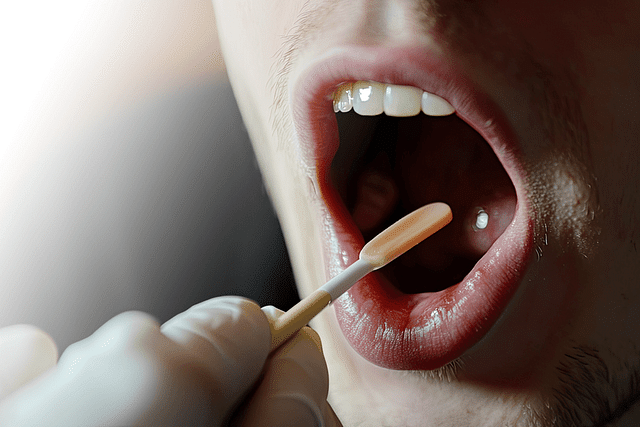
- Oral cultures and biopsies: A standard diagnostic test involves taking a cotton swab sample from the mouth to perform an oral culture, which helps identify fungal, bacterial, or viral infections. In some cases, biopsies may be performed to examine tissue cells for abnormalities or diseases.
- X-rays: Panoramic or periapical X-rays help identify tooth-related abscesses or infections. If the disease has spread to surrounding areas, such as the neck or facial spaces, more advanced imaging, such as CT scans, may be recommended.
- Blood tests: A complete blood count (CBC) can provide insights into overall health and detect signs of infection. Additional tests for blood sugar levels, thyroid function, and nutritional factors may also be performed to identify underlying conditions contributing to mouth discomfort.
- Allergy tests: If allergies are suspected, tests can determine if you are allergic to certain foods, additives, or dental materials. Identifying allergens can help manage symptoms and prevent future infections.
- Salivary measurements: These tests assess salivary flow, as reduced saliva can be associated with various oral discomforts and increase the risk of infection. This evaluation can help pinpoint specific oral health issues.
- Imaging tests: In some cases, MRI or CT scans may be recommended to rule out other health problems or assess the extent of an infection. These imaging tests can provide a comprehensive view of the affected areas.
- Gram stain/culture and sensitivity: These tests help identify the type of bacteria causing the infection and determine the most effective antibiotic treatment. Knowing the specific bacteria involved allows for targeted therapy, improving treatment outcomes.
- Additional tests: Specific tests for different conditions may include tapping on the teeth to assess sensitivity, using X-rays and CT scans to diagnose dental abscesses, and conducting salivary diagnostics for viral infections such as HIV, hepatitis C, and human papillomavirus.
Treatment & Management
The treatment of a mouth infection depends on the underlying cause and severity. Management typically includes a combination of medications, antiseptic therapies, and lifestyle changes to promote healing and prevent recurrence.
1. Medications
- Antibiotics: In cases of bacterial infections such as periodontal disease or dental abscesses, doctors may prescribe chlorhexidine gluconate + metronidazole for localised infections or systemic antibiotics for severe cases.
- Antifungals: Conditions, such asoral thrush (caused by Candida albicans), may require antifungal medications such as nystatin or fluconazole.
- Antivirals: If the infection is viral, such as herpes simplex, antivirals like acyclovir may be used to manage symptoms.
2. Pain Relief
Over-the-counter pain relievers such as benzydamine, ibuprofen, or acetaminophen can help reduce pain and inflammation associated with mouth infections.
3. Antiseptic Mouth Rinses
- Chlorhexidine mouthwash is effective in reducing bacterial growth and promoting gum healing.
- Povidone iodine and hydrogen peroxide rinses help disinfect the oral cavity and aid in wound healing. It should only be used if advised by a clinician, as frequent use may irritate oral tissues.
- Benzydamine mouthwash can also be used to relieve oral pain and inflammation caused by infections.
4. Lifestyle Changes
- Good oral hygiene, including regular brushing and flossing, helps prevent bacterial buildup.
- Avoiding smoking and alcohol consumption can significantly reduce the risk of oral infections.
- A healthy diet rich in vitamins and minerals strengthens the immune system and supports oral health.
5. Surgical Interventions
- Drainage of dental abscesses may be required in severe cases to remove trapped pus.
- Root canal treatment may be performed if the infection is inside the tooth.
- Tooth extraction may be necessary if the tooth cannot be saved to prevent the infection from spreading further.
When to See a Doctor?
If you suspect that you have a mouth infection, such as a tooth abscess or periodontal disease, it is crucial to seek medical attention promptly. Some scenarios where immediate medical or dental care is necessary include:
- Severe pain that does not subside with over-the-counter pain relievers
- Swelling in the face, neck, or jaw that is rapidly increasing in size
- Difficulty breathing or swallowing due to swelling
- High fever (above 38°C or 100.4°F) accompanied by chills and sweating
- Foul-tasting discharge or pus in the mouth
- Persistent dry mouth or changes in saliva production, which may indicate persistent dry mouth (xerostomia)
- White patches on the tongue or inside the cheeks, which could be signs of oral thrush
- Persistent bad breath, even after maintaining good oral hygiene
- Gums that are red, swollen, tender, or bleeding easily
Key Takeaways
- Mouth infections, such as dental abscesses and periodontal disease, can lead to serious local and systemic complications if left untreated.
- Local complications include spread of infection to surrounding tissues, sinus infections, cellulitis, and parapharyngeal abscesses.
- Systemic complications can be life-threatening and include sepsis, Ludwig's angina, necrotising fasciitis, mediastinitis, endocarditis, cavernous sinus thrombosis, osteomyelitis, and brain abscess.
- Seek immediate medical or dental care if you experience severe pain, rapidly increasing swelling, difficulty breathing or swallowing, high fever, foul-tasting discharge, persistent dry mouth, white patches in the mouth, persistent bad breath, or gums that are red, swollen, tender, or bleeding easily.
- Early intervention is crucial to prevent the spread of infection and the development of more severe complications.
FAQs
What are the symptoms of a mouth infection?
How can I treat a mouth infection?
Can a mouth infection be serious?
Which medicine is best for a mouth infection?
How long can a mouth infection last?
Is a mouth infection curable?
What are the dangers of oral infections?
References
- MedlinePlus. (n.d.). Mouth disorders. https://medlineplus.gov/mouthdisorders.html
- National Health Service. (2017). Mouth ulcers. https://www.nhs.uk/conditions/mouth-ulcers/
- Silk, H. (2014). Diseases of the mouth. Primary Care: Clinics in Office Practice, 41(1), 75–90. https://www.primarycare.theclinics.com/article/S0095-4543(13)00107-3/fulltext
- Medlineplus medical encyclopedia. (n.d.).Gingivostomatitis. https://medlineplus.gov/ency/article/001052.htm
- CDC. (2024, May 21). About infectious mononucleosis(Mono). Epstein-Barr Virus and Infectious Mononucleosis. https://www.cdc.gov/epsteinbarr/about/mononucleosis.html
- Guerra, A. M., Orille, E., & Waseem, M. (2024). Hand, foot, and mouth disease. In StatPearls. StatPearls Publishing. http://www.ncbi.nlm.nih.gov/books/NBK431082/
- National Health Service. (2017, December 21). Oral thrush (Mouth thrush). https://www.nhs.uk/conditions/oral-thrush-mouth-thrush/
- Mohammed, F., & Fairozekhan, A. T. (2024). Oral leukoplakia. In StatPearls. StatPearls Publishing. http://www.ncbi.nlm.nih.gov/books/NBK442013/
- Garispe, A., Sorensen, C., & Sorensen, J. R. (2022, December 7). Dental emergencies. StatPearls - NCBI Bookshelf. https://www.ncbi.nlm.nih.gov/books/NBK589664/
- World Health Organization: WHO & World Health Organization: WHO. (2025, May 30). Herpes simplex virus. https://www.who.int/news-room/fact-sheets/detail/herpes-simplex-virus
Check Related Salts
Browse Other Conditions
Latest health articles

Top Health Essentials



























Disclaimer
Top-Selling Medicines:
...View more
Top-OTC medicines:
...View more
Company
About UsHealth ArticleHealth StoriesHealth LibraryDiseases & Health ConditionsAyurvedaUnderstanding Generic MedicinesAll MedicinesAll BrandsNeed HelpFAQSecuritySavings CalculatorAdvertise with UsSubscribe
Registered Office Address
Grievance Officer
Download Truemeds


Contact Us
Our customer representative team is available 7 days a week from 9 am - 9 pm.
v4.28.13

2026 - Truemeds | All rights reserved. Our content is for informational purposes only. See additional information.

Our Payment Partners




