

- Medicines
- Personal Care
- Skin Cream
- Sunscreen
- Face Wash
- Skin and Body Soap
- Acne Care
- Body Lotions
- Moisturising Lotion
- Moisturising Cream
- Mosquito Repellent
- Moisturising Gel
- Body Wash
- Hair Oils
- Hair Shampoo
- Hair Conditioners
- Hair Supplements
- Hair Colour
- Hair Serum
- Hair Mask
- Hair Solutions
- Baby Diapers and Wipes
- Baby Lotion and Moisturising Cream
- Baby Bath Essentials
- Baby Skin Care
- Baby and Infant Food
- Baby Healthcare
- Women Multivitamins
- Ovulation Test Kit and Women Intimate Care
- Sanitary Pads
- Nutritional Drinks
- Condoms
- Lubricants
- Massage Gels
- Personal Body Massagers
- Men Performance Booster
- Sexual Health Supplements
- Massage Oils
- Ayurveda
- Tooth Paste
- Mouth Ulcer Gel
- Mouthwash
- Toothache and Gum Pain
- Tooth Brush
- Gargle Solution
- Orthopaedic Supports
- Adult Diapers
- Footwear
- Mobility and Support Accessories
- Urinary Support and Care
- Health Conditions
- Bone and Joint Care
- Digestive Care
- Eye Care
- Pain Relief
- Smoking Cessation
- Liver Care
- Stomach Care
- Cold and Cough
- Heart Care
- Kidney Care
- Piles, Fissures & Fistula
- Respiratory Care
- Mental Wellness
- Derma Care
- Pre and Probiotics
- Acidity
- Gas
- Constipation
- Loose Motion/Diarrhoea
- Digestive Fibres
- Digestive Enzymes
- Eye Lubricant Drops
- Lens Solution
- Safety Eye Wear
- Eye Cream
- Eye Vitamins and Supplements
- Eye Drops
- Eye Ointment and Gel
- Nicotine Patch
- Nicotine Gum
- Nicotine Lozenges
- Cough Syrups
- Chest Rubs and Balms
- Nasal Spray
- Lozenges
- Inhalant Capsules
- Cold and Cough Tablets
- Vitamins & Supplements
- Diabetes Care
- Healthcare Devices
- Homeopathic Medicine
- Health Guide
Cavities
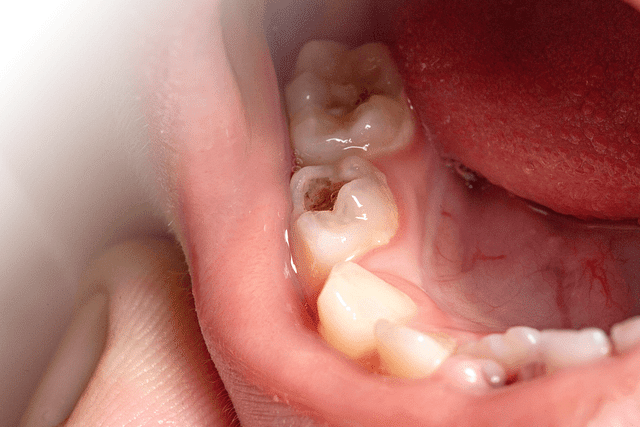
Cavities, also known as dental caries, are areas of decay that form in teeth when acids erode the tooth enamel. They can occur on any tooth surface, and according to the WHO’s Global Burden of Disease 2021, untreated tooth cavities in permanent teeth are one of the most common health conditions affecting people of all ages (World Health Organization, 2025). Proper oral hygiene and dental check-ups and professional cleaning when advised can help prevent cavities.
 50
50Last updated on : 04 May, 2026
Read time : 13 mins
Overview of Disease
Cavities are a common dental problem that can affect people of all ages. They occur when the hard outer layer of the tooth, called the enamel, is worn down by acids in the mouth. If left untreated, cavities can cause pain, infection, and even tooth loss. In this article, we'll take a closer look at what cavities are, the different types of cavities, and how they can be prevented and treated.
What is a Cavity?
A cavity, also known as dental caries, is an area of decay that forms in a tooth. It occurs when the tooth enamel is eroded by acids produced by bacteria in the mouth. These bacteria feed on sugars and starches in the food we eat and produce acid as a byproduct. Over time, this acid can wear down the enamel, creating a small hole or cavity in the tooth. If left untreated, the cavity can grow larger and deeper, eventually reaching the inner layers of the tooth and causing pain, infection, and even tooth loss.
Key Factors about Cavities
| Category | Details |
| Also Referred to as | Dental cavities, dental caries, caries |
| Commonly Occurs In | Molars, especially in the deep grooves and on the chewing surfaces |
| Affected Organ | Teeth (enamel, dentin, pulp, cementum) |
| Type | Occlusal, pit and fissure, root cavities |
| Common Signs | White spot lesions, brown or black discolouration, tooth sensitivity, pain, swelling, bad breath, chewing pain, fractured tooth |
| Consulting Specialist | Dentist |
| Treatment Procedures | Fluoride treatment, dental sealants, fillings, root canal |
| Managed By | Regular dental check-ups, good oral hygiene |
| Mimicking Condition | Gingivitis, tooth sensitivity due to other causes (e.g., gum recession) |
Types of Cavities
There are several different types of cavities, depending on where they occur on the tooth surface. Here are some of the most common types:
- Pit and fissure cavities: These occur on the chewing surfaces of the molars and premolars, where many small grooves and pits can trap food and bacteria.
- Smooth surface cavities: These occur on the flat surfaces of the teeth, such as the front, back, or top surfaces.
- Root cavities: These occur on the surfaces of the roots of the teeth, which can become exposed due to gum recession or periodontal disease.
Pit and fissure cavities are more common in children and teenagers, as the grooves and pits on the chewing surfaces of the molars and premolars are deeper and more challenging to clean. Smooth-surface caries may occur at any age, especially where plaque accumulates between teeth or near the gumline.
Early Signs of Disease
The signs of cavities can vary based on the size and location of the decay. Common signs include:
- General tooth sensitivity: Sensitivity to temperature changes or sweets.
- Tooth pain when eating or drinking: Pain triggered by consuming hot, cold, or sweet foods and beverages.
- Tooth pain with pressure: Sharp pain when applying pressure or biting down.
- Visible Holes or Pits: Small holes or pits in the teeth.
- Tooth discolouration: White, brown, or black stains on the teeth.
- Bad breath: Persistent bad breath or a bad taste in the mouth.
These signs often indicate the presence of a cavity in the mouth. Early detection of these signs of tooth decay is crucial for timely cavity treatment and preventing the progression of the decay.
Symptoms of Cavities
Cavities can manifest in various ways, depending on their size and location in the mouth. The symptoms may not be apparent in the early stages, but can become more noticeable as the cavity progresses.
Identifying the Symptoms
- Toothache and pain: Cavities can cause pain, especially when they are large and close to the nerve in the middle of the tooth. This pain can be constant or triggered by eating or drinking something hot, cold, or sweet.
- Tooth Sensitivity: Sensitivity to hot, cold, or sweet foods and beverages is a common symptom. This sensitivity can range from mild to severe and may linger after the stimulus is removed.
- Visible Holes or Pits: Cavities can create visible holes or pits in the teeth. These can be seen or felt with the tongue.
- Tooth Discolouration: Cavities can cause staining on the teeth, appearing as white spots in the early stages and progressing to brown or black spots as the decay advances.
- Pain When Biting Down: Applying pressure or biting down can cause sharp pain, indicating a cavity or dental issue.
- Bad Breath: Persistent bad breath or a bad taste in the mouth may indicate a cavity due to the accumulation of food particles and bacteria.
Recognising these cavity symptoms early on can help prevent further tooth decay and the need for more extensive cavity treatment. If you experience any of these signs, it's essential to consult your dentist promptly.
Causes of Cavities
Cavities are caused by the process of tooth decay, which involves several factors, including:
- Bacteria and plaque: Bacteria in the mouth feed on carbohydrates from food and drinks, producing acid. Plaque is a sticky bacterial biofilm that forms on teeth; bacteria within plaque produce acids after sugar exposure. If not removed regularly, plaque can harden into tartar, further promoting tooth decay.
- Poor Oral Hygiene: Inadequate brushing and flossing allow plaque and bacteria to accumulate on the teeth, increasing the risk of cavities.
- Sugary and Acidic Foods and Drinks: Consuming excessive amounts of sugary or acidic foods and beverages can contribute to tooth decay by providing a food source for bacteria and eroding tooth enamel.
- Dry mouth: Saliva helps neutralise acid and wash away food particles. Certain medications, medical conditions, or treatments that reduce saliva flow can increase the risk of cavities.
- Tooth structure and position: Teeth with deep grooves, cracks, or irregular surfaces are more susceptible to decay. Additionally, teeth that are misaligned or crowded are harder to clean.
Understanding these causes can help prevent cavities and maintain good oral health through proper dental hygiene, a balanced diet, and regular check-ups with a dentist.
Risk Factors
Several factors can increase the risk of developing cavities:
- Bacteria and plaque: The mouth naturally contains bacteria that feed on simple carbohydrates, producing acid that erodes tooth enamel.
- Diet: Frequent consumption of sugary and acidic foods and drinks, such as soda, sports drinks, and fruit juices, promotes tooth decay.
- Poor oral hygiene: Inadequate brushing and flossing habits allow plaque to accumulate on teeth, increasing the risk of cavities.
- Tooth location: The complex structure of back teeth (molars and premolars) makes them more susceptible to cavity formation.
- Age: Children, teenagers, and older adults are at higher risk due to factors like developing teeth, dietary habits, and worn-down enamel.
- Dry mouth: Reduced saliva flow, often caused by medications, medical conditions, or radiation therapy, creates an environment conducive to cavity development (National Institute of Dental and Craniofacial Research (n.d.)).
- Existing dental work: Worn fillings, crowns, or other dental devices can trap plaque and increase the risk of decay around these sites.
- Systemic conditions: Conditions like gastroesophageal reflux disease (GERD) and eating disorders expose teeth to stomach acid, leading to erosion and a higher risk of cavities.
- Social and cultural factors: Geographic location, social class, and cultural environment influence dietary habits and access to dental care, impacting cavity risk.
The combination of bacteria, dietary factors, and oral hygiene practices significantly contributes to the development of cavities. By understanding these risk factors, individuals can take proactive steps to minimise their likelihood of experiencing tooth decay.
Complications
Left untreated, cavities can progress and lead to various complications that impact oral health and overall well-being:
- Pain and sensitivity: As cavity decay advances, the affected tooth may become increasingly sensitive to temperature changes and painful when biting or chewing.
- Infection: If bacteria reach the pulp (the inner part of the tooth containing nerves and blood vessels), a condition called pulpitis can occur, causing severe pain and potentially leading to an abscess.
- Tooth loss: Advanced cavities can weaken the tooth structure to the point where extraction becomes necessary.
- Systemic health issues: Oral infections resulting from untreated cavities can spread to other parts of the body, potentially contributing to conditions like cardiovascular disease, respiratory infections, and complications during pregnancy.
- Impaired nutrition: Dental pain and tooth loss can make eating difficult, leading to nutritional deficiencies and gastrointestinal problems.
- Psychological impact: The appearance of decayed teeth and the experience of chronic pain can negatively affect self-esteem, social interactions, and overall quality of life.
Promptly addressing cavities through proper diagnosis and treatment is crucial for preventing these complications and maintaining optimal oral health.
Prevention of Cavities
By following these simple steps, you can significantly reduce your risk of developing cavities and maintain optimal oral health.
- Brush with fluoride toothpaste: Brush your teeth at least twice a day with fluoride-containing toothpaste. This helps prevent mineral loss in tooth enamel and reduces the ability of bacteria to produce acid.
- Floss daily: Clean between your teeth daily with dental floss or interdental cleaners to remove plaque and prevent cavity formation.
- Limit sugary and acidic foods/drinks: Reduce consumption of sugary and acidic foods and beverages, especially between meals. Save candy, cookies, soda, and other sugary items for special occasions.
- Use dental sealants: Apply dental sealants to the chewing surfaces of molars. Dental sealants significantly reduce caries risk on molar chewing surfaces, particularly in children and adolescents. (Ng et al., 2023).
- Drink fluoridated water: Fluoride in optimally fluoridated water helps strengthen enamel and reduce tooth decay. If using bottled water, ensure it contains sufficient fluoride or consult a dentist about additional fluoride supplements.
- Regular dental check-ups: Visit your dentist regularly for professional cleanings and oral exams to detect cavities early and prevent further decay.
Diet and Oral Hygiene
Maintaining a healthy diet and adhering to a robust oral hygiene routine are crucial in preventing cavities. Every time you eat or drink something containing sugar or starches, bacteria in your mouth use these substances to produce acids that can damage tooth enamel.
Limiting between-meal snacks and avoiding sugary drinks can reduce the number of acid attacks on your teeth. Additionally, brushing your teeth after meals, especially before bedtime, is vital because saliva flow decreases during sleep, making teeth more vulnerable to acid damage.
Diagnosis & Tests
Dentists employ various methods to diagnose cavities and assess the extent of tooth decay:
- Visual examination: During a routine check-up, dentists visually inspect the teeth for signs of decay, such as discolouration, pits, or holes in the enamel.
- Tactile examination: Using a dental explorer, dentists gently probe the teeth to detect soft or sticky areas indicative of decay.
- Dental X-rays: Bitewing X-rays, which capture images of the upper and lower back teeth, can reveal cavities between teeth or under existing fillings.
- Laser fluorescence: Some dental practices use laser devices that measure the fluorescence of the tooth structure to detect changes associated with decay.
- Dye staining: In some cases, dentists may apply a special dye to the teeth that adheres to decayed areas, making them more visible.
Treatment & Management
Treatment and Management of cavities depend on the extent of the decay and the patient's individual circumstances. Common approaches include:
1. Restorative Treatments
- Fillings: For minor to moderate cavities, dentists remove the decayed portion of the tooth and fill the cavity with a dental material, such as composite resin, amalgam, or glass ionomer cement. If an infection is present, antibiotics like amoxicillin or clindamycin may be prescribed to control bacterial spread.
- Crowns: If a cavity is extensive and has significantly weakened the tooth structure, a crown may be placed to protect and restore the tooth's shape, size, and function.
- Root Canal Therapy: When cavity decay reaches the pulp, root canal treatment becomes necessary to remove the infected tissue, fill the root canals, and seal the tooth to prevent further infection.
2. Preventive Measures
- Fluoride Treatments: Topical fluoride applications, such as gels, varnishes, or foams, can help strengthen tooth enamel and prevent future cavities.
- Dental Sealants: Thin, protective coatings applied to the chewing surfaces of back teeth can prevent bacteria and food particles from settling into the grooves and causing decay.
- Oral Hygiene Education: Dentists and dental hygienists provide guidance on proper brushing and flossing techniques, as well as dietary recommendations to minimise cavity risk.
By combining restorative treatments with preventive strategies, dental professionals aim to address existing cavities, alleviate symptoms, and reduce the likelihood of future tooth decay. In cases of severe infections, antibiotics such as penicillin or cephalexin may be prescribed alongside dental procedures. Regular dental check-ups and a proactive approach to oral hygiene are essential for maintaining cavity-free teeth and overall oral health.
When to See a Doctor?
Regular dental check-ups are essential for maintaining good oral health and preventing cavities. It is recommended to visit your dentist at least once a year for professional cleanings and oral exams. During these appointments, your dentist can detect early signs of tooth decay and provide appropriate treatment to prevent cavities from progressing.
If you experience symptoms like tooth pain or sensitivity, or notice visible signs of cavity decay, it is crucial to schedule an appointment with your dentist promptly. Early intervention can prevent cavities from worsening and reduce the need for more extensive treatments like fillings or root canals.
Your dentist can also assess your individual cavity risk level through a comprehensive dental exam. This assessment will help determine how often you need dental visits and what specific treatments or changes in oral hygiene and diet may be necessary to maintain optimal oral health.
Key Takeaways
- Brush your teeth at least twice a day with fluoride toothpaste and floss daily to prevent cavities.
- Limit sugary and acidic foods and drinks, especially between meals, to reduce acid attacks on your teeth.
- Consider dental sealants for the chewing surfaces of molars to protect them from decay.
- Drink fluoridated water to help strengthen teeth and prevent tooth decay.
- Visit your dentist regularly for professional cleanings and oral exams to detect and treat cavities early.
- If experiencing symptoms of cavities, such as tooth pain or sensitivity, schedule a dental appointment promptly.
FAQs
Is it possible for cavities to disappear on their own?
What can I do to prevent cavities from developing or worsening?
Are there ways to repair tooth cavities?
How can cavities be treated?
Can regular brushing eliminate a cavity?
Is it possible to repair a cavity using natural methods?
Is it advisable to brush a tooth with a cavity?
References
- National Institute of Dental and Craniofacial Research. (2018, July). Dental caries (tooth decay) in adults (age 20 to 64). https://www.nidcr.nih.gov/research/data-statistics/dental-caries/adults
- Institute for Quality and Efficiency in Health Care (IQWiG). (2023, September 5). Overview: Tooth decay. InformedHealth.org - NCBI Bookshelf. https://www.ncbi.nlm.nih.gov/books/NBK279514/
- World Health Organization. (2025, March 17). Oral Health. World Health Organization. https://www.who.int/news-room/fact-sheets/detail/oral-health
- Ealla, K. R., Kumar, A., Turagam, N., Sooraparaju, S., Yerrapothu, R. R., & Bhaskaran, M. (2018). Knowledge analysis of pit and fissure sealants among the dental students of South India. Journal of International Society of Preventive and Community Dentistry, 8(6), 508. https://doi.org/10.4103/jispcd.jispcd_238_18
- Dry mouth. (n.d.). NIDCR. https://www.nidcr.nih.gov/health-info/dry-mouth
- Ng, T. C., Chu, C., & Yu, O. Y. (2023). A concise review of dental sealants in caries management. Frontiers in Oral Health, 4. https://doi.org/10.3389/froh.2023.1180405
Check Related Salts
Browse Other Conditions
Latest health articles

Top Health Essentials





















Disclaimer
Top-Selling Medicines:
...View more
Top-OTC medicines:
...View more
Company
About UsHealth ArticleHealth StoriesHealth LibraryDiseases & Health ConditionsAyurvedaUnderstanding Generic MedicinesAll MedicinesAll BrandsNeed HelpFAQSecuritySavings CalculatorAdvertise with UsSubscribe
Registered Office Address
Grievance Officer
Download Truemeds


Contact Us
Our customer representative team is available 7 days a week from 9 am - 9 pm.
v4.28.14

2026 - Truemeds | All rights reserved. Our content is for informational purposes only. See additional information.

Our Payment Partners




