

- Medicines
- Personal Care
- Skin Cream
- Sunscreen
- Face Wash
- Skin and Body Soap
- Acne Care
- Body Lotions
- Moisturising Lotion
- Moisturising Cream
- Mosquito Repellent
- Moisturising Gel
- Body Wash
- Hair Oils
- Hair Shampoo
- Hair Conditioners
- Hair Supplements
- Hair Colour
- Hair Serum
- Hair Mask
- Hair Solutions
- Baby Diapers and Wipes
- Baby Lotion and Moisturising Cream
- Baby Bath Essentials
- Baby Skin Care
- Baby and Infant Food
- Baby Healthcare
- Women Multivitamins
- Ovulation Test Kit and Women Intimate Care
- Sanitary Pads
- Nutritional Drinks
- Condoms
- Lubricants
- Massage Gels
- Personal Body Massagers
- Men Performance Booster
- Sexual Health Supplements
- Massage Oils
- Ayurveda
- Tooth Paste
- Mouth Ulcer Gel
- Mouthwash
- Toothache and Gum Pain
- Tooth Brush
- Gargle Solution
- Orthopaedic Supports
- Adult Diapers
- Footwear
- Mobility and Support Accessories
- Urinary Support and Care
- Health Conditions
- Bone and Joint Care
- Digestive Care
- Eye Care
- Pain Relief
- Smoking Cessation
- Liver Care
- Stomach Care
- Cold and Cough
- Heart Care
- Kidney Care
- Piles, Fissures & Fistula
- Respiratory Care
- Mental Wellness
- Derma Care
- Pre and Probiotics
- Acidity
- Gas
- Constipation
- Loose Motion/Diarrhoea
- Digestive Fibres
- Digestive Enzymes
- Eye Lubricant Drops
- Lens Solution
- Safety Eye Wear
- Eye Cream
- Eye Vitamins and Supplements
- Eye Drops
- Eye Ointment and Gel
- Nicotine Patch
- Nicotine Gum
- Nicotine Lozenges
- Cough Syrups
- Chest Rubs and Balms
- Nasal Spray
- Lozenges
- Inhalant Capsules
- Cold and Cough Tablets
- Vitamins & Supplements
- Diabetes Care
- Healthcare Devices
- Homeopathic Medicine
- Health Guide
Mouth Ulcer
Mouth ulcers, or canker sores, are minor sores that form inside the mouth. They can occur on soft tissues like the gums, tongue, inner cheeks, inner lips, or the roof of the mouth.
 50
50Last updated on : 05 May, 2026
Read time : 14 mins
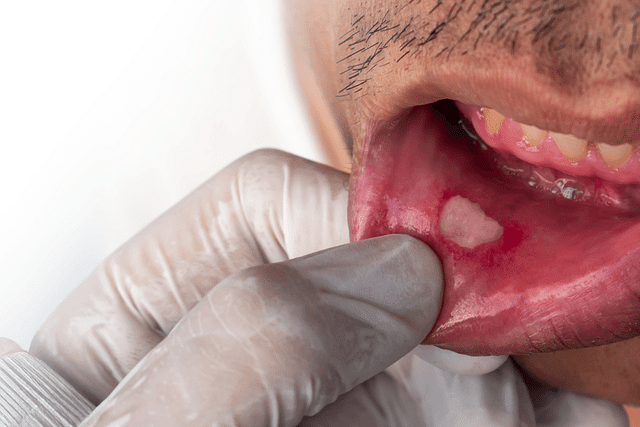
Overview of Mouth Ulcers Disease
Mouth ulcers are a prevalent oral health concern that can disrupt everyday activities such as eating, drinking, and speaking due to their painful nature. These sores often develop due to factors like minor mouth trauma or underlying health conditions.
Recognising symptoms early, such as a burning sensation before sore development, and practising good oral hygiene can help prevent frequent episodes. Understanding their causes, symptoms, and treatment options can help manage and prevent them effectively.
What are Mouth Ulcers?
A mouth ulcer is a small, painful sore that develops inside the mouth, appearing as red, yellow, or white lesions. These sores can form on the gums, tongue, roof of the mouth (palate), inner cheeks, or inner lips. They can occur individually or in clusters, causing discomfort while eating, drinking, or speaking.
Although mouth ulcers can be distressing, they are not contagious and cannot be spread through kissing or sharing food and drinks. In most cases, these sores heal on their own within one to two weeks (Healthdirect Australia, n.d.).
However, persistent or recurrent ulcers may indicate an underlying condition such as viral infections, autoimmune diseases, or digestive disorders. If mouth ulcers last longer than two weeks, are unusually large, or are accompanied by other symptoms, medical evaluation is recommended.
Key Factors about Mouth Ulcer
| Category | Details |
| Also Referred to as | Canker sores, oral ulcers, Aphthous stomatitis |
| Commonly Occurs In | Inner cheeks, lips, tongue, roof of the mouth, gums |
| Affected Organ | Mucous membrane lining the mouth |
| Type | Herpetiform ulceration, Minor ulcers, Major ulcers, Aphthous ulcers |
| Common Signs | Painful sores, red, yellow, or white lesions, swollen and red mucous membrane |
| Consulting Specialist | Dentist, Oral Medicine Specialist, General Practitioner |
| Treatment Procedures | Topical treatments (mouthwash, ointment, gel), antiseptic gel, medicated mouthwash, and immunosuppressant medication in severe cases |
| Managed By | Gels, Mouthwashes, and Immunosuppressant medications |
| Mimicking Condition | Mouth cancer, cold sores (fever blisters), oral thrush |
Types of Mouth Ulcer
Mouth ulcers can be categorised into several types:
1. Canker Sores (Aphthous Ulcers)
Canker sores are the most prevalent type of mouth ulcer. Their exact cause remains unclear, but they may be triggered by factors such as minor injuries (like biting the inside of the cheek), acidic foods, or stress.
These ulcers typically appear as white or yellow lesions surrounded by a red halo and can be quite painful. They usually heal on their own within one to two weeks.
2. Oral Lichen Planus
This chronic inflammatory condition leads to the formation of itchy, lace-like white patches and sores inside the mouth. It is primarily an immune response and is more common in women and individuals assigned female at birth (AFAB) aged 50 or older. Symptoms can include burning sensations and discomfort while eating.
3. Leukoplakia
Leukoplakia manifests as white or grey patches on the mucous membranes of the mouth due to excessive cell growth. It often results from chronic irritation, such as smoking or chewing tobacco, although it can occur without any apparent cause. While leukoplakia lesions are generally non-cancerous, they warrant monitoring due to potential precancerous changes.
4. Erythroplakia
Similar to leukoplakia, erythroplakia presents as red patches in the mouth, often found beneath the tongue or behind the lower front teeth. This condition is frequently associated with tobacco use and is considered more serious than leukoplakia, as it can indicate precancerous or cancerous changes.
5. Oral Thrush
Oral thrush is a fungal infection caused by an overgrowth of Candida albicans, often occurring after antibiotic use or in individuals with weakened immune systems. It results in creamy white or red patches in the mouth and can cause discomfort during eating.
6. Mouth Cancer
Oral cancer can present as persistent red or white sores that do not heal. If a mouth ulcer lasts longer than three weeks without improvement, it is crucial to consult a doctor for further evaluation.
Symptoms of Mouth Ulcer
Here are the common symptoms of mouth ulcers:
1. Visible Sores
The most prominent symptom of mouth ulcers is the formation of sores on various parts of the mouth, including the gums, tongue, inner cheeks, inner lips, and the roof of the mouth. These sores typically appear in shades of red, yellow, or white.
2. Pain and Discomfort
Individuals often experience significant pain associated with these sores, which can make routine activities such as eating, drinking, and speaking quite uncomfortable. The pain may intensify when consuming spicy, salty, or acidic foods.
3. Difficulty Swallowing
In more severe cases, mouth ulcers can cause difficulty in swallowing. This symptom may arise if the ulcers are particularly large or numerous.
4. Swelling
There may be noticeable swelling around the ulcerated areas, contributing to discomfort and sensitivity in the mouth.
5. Fever
In some instances, individuals with mouth ulcers might also experience fever, especially if there is an underlying infection.
The intensity and combination of these symptoms can differ from person to person. Additionally, mouth ulcers may recur over time if the underlying causes are not adequately addressed.
Stages of Mouth Ulcer
Mouth ulcers progress from a prodromal burning phase to ulceration and spontaneous healing (Pan et al., 2024).
1. Haemostasis
If a mouth ulcer causes bleeding, the body will first attempt to reduce blood loss through haemostasis. However, most canker sores do not bleed unless they are irritated or infected.
2. Inflammation
During this stage, a swollen, red bump may form, accompanied by pain, roughness, or a burning sensation. A fully developed canker sore typically appears as a white or yellow round bump with a raised, red, inflamed border.
3. Proliferation
In the proliferative stage, new skin growth begins from the outside of the ulcer and works its way toward the centre. As the ulcer heals, the surrounding redness will diminish, the central white part will take on a greyish tinge, and sensations like pain and burning will subside.
4. Maturation
In the final stage, as new skin tissue continues to form, the bump will decrease in size, and the tissue will begin to regain its normal appearance. The healing process can be influenced by diet, so it is advisable to avoid irritating foods and products, such as alcohol-containing mouthwash and sodium-based toothpaste.
Causes of Mouth Ulcer
Mouth ulcers can develop due to a variety of factors, ranging from minor mouth injuries to underlying health conditions. Some common causes include accidentally biting your cheek, brushing too hard, or dental work like braces that irritates the soft tissues in your mouth.
Emotional stress has also been linked to the development of mouth ulcers, as it can weaken the immune system and make the body more susceptible to ulcers. Certain health conditions, particularly autoimmune diseases, can also contribute to the formation of mouth ulcers.
Additionally, sensitivity to spicy or acidic foods, use of toothpastes containing sodium lauryl sulfate, hormonal shifts, and nutritional deficiencies in vitamin B12, iron, zinc, or folic acid can all play a role in the development of mouth ulcers.
- Viral Infections: Viruses such as the herpes simplex virus (cold sores) or hand, foot, and mouth disease can cause mouth ulcers.
- Bacterial Infections: Bacterial infections, such as those caused by Helicobacter pylori, may contribute to ulcers in the mouth.
- Allergic Reactions: Allergies to certain foods, medications, or dental materials may trigger mouth ulcers.
- Medications: Certain medications, like nonsteroidal anti-inflammatory drugs (NSAIDs), beta-blockers, or chemotherapy drugs, can cause mouth ulcers as a side effect.
- Chronic Conditions: Gastrointestinal diseases such as Crohn's disease, ulcerative colitis, or celiac disease may cause mouth ulcers as part of systemic inflammation.
- Smoking Cessation: Quitting smoking may temporarily lead to mouth ulcers as the body adjusts.
- Dehydration: A dry mouth due to dehydration or reduced saliva production can irritate the tissues, leading to ulcers.
- Immune Suppression: Conditions like HIV/AIDS or treatments like chemotherapy can weaken the immune system and increase the risk of mouth ulcers.
- Alcohol Consumption: Excessive alcohol use can irritate the soft tissues in the mouth, leading to ulcer formation.
- Genetics: A family history of recurrent aphthous ulcers may increase susceptibility to recurrent aphthous ulcers.
Risk Factors
Here are some of the risk factors to look out for:
- Stress: High levels of emotional stress can trigger the development of mouth ulcers.
- Nutritional Deficiencies: Low levels of vitamin B12, iron, zinc, or folic acid can increase the risk.
- Dietary Factors: Consuming spicy, acidic, or sharp-edged foods.—
- Oral Care: Using toothpaste containing sodium lauryl sulfate, being hard with oral care, and accidental sores due to braces
- Autoimmune Diseases: Conditions like Crohn's disease or ulcerative colitis.
- Hormonal Changes: Hormonal shifts, particularly in women.
- Genetic Predisposition: Some people may have a genetic tendency to develop mouth ulcers.
Complications
While mouth ulcers are usually harmless, they can sometimes lead to complications or indicate underlying health issues. Larger ulcers may leave scars after healing, and if an ulcer becomes infected, it can cause increased pain, redness, and bleeding, potentially requiring medical attention.
Recurrent or persistent mouth ulcers can be a symptom of various systemic diseases, such as Crohn's disease, ulcerative colitis, Behçet disease, celiac disease, and immunodeficiencies like HIV/AIDS.
In rare cases, a mouth ulcer that does not heal within three weeks could be a sign of oral cancer, particularly if it appears on or under the tongue. Severe cases of mouth ulcers may also cause lymph node swelling, fever, and physical fatigue or lethargy, although these symptoms are uncommon.
Prevention of Mouth Ulcer
Preventing the development of mouth ulcers involves making several lifestyle and dietary adjustments.
- Maintaining a balanced diet rich in essential vitamins and minerals, particularly vitamins B, iron, and folic acid, can help reduce the risk of developing mouth ulcers.
- Avoiding irritants, such as toothpaste containing sodium lauryl sulfate, can also prevent ulcers from forming.
- Since stress is a common trigger for mouth ulcers, managing stress through relaxation techniques or counselling can be beneficial.
- Identifying and avoiding trigger foods, such as chocolate, peanuts, coffee, and gluten, can help prevent ulcers in sensitive individuals.
- Lastly, ensuring proper dental care, including well-fitting dental appliances and using a soft-bristled toothbrush, can help avoid mouth injuries that may lead to ulcers.
- Poorly fitting dentures, retainers, or mouthguards can cause repetitive irritation, leading to sores.
- Infections, such as those caused by herpes simplex virus or Helicobacter pylori, may increase susceptibility to ulcers.
- Adolescents, young adults, and women are more prone to mouth ulcers due to hormonal or lifestyle factors.
- Lack of rest can weaken the immune system, making ulcers more likely.
- Exposure to extreme weather, pollution, or allergens can trigger ulcers in sensitive individuals.
Diagnosis & Tests
Diagnosing mouth ulcers typically begins with a visual examination by a doctor.
- They will look for the characteristic white or yellow sores surrounded by a red border.
- If the cause of the ulcers is unclear or if they are persistent or severe, additional diagnostic steps may be necessary. These can include taking a biopsy of the ulcer for laboratory analysis, performing blood tests to check for nutritional deficiencies or underlying health conditions, and exploring the patient's medical history to identify any contributing factors or triggers.
- In some cases, a referral to a specialist, such as a dermatologist or an oral surgeon, may be necessary for further evaluation and treatment.
Treatment & Management
Mouth ulcers can often heal on their own, but various treatments are available to help manage discomfort and promote faster healing.
1. Topical Corticosteroids
Topical Corticosteroids such as Triamcinolone, Dexamethasone, and Hydrocortisone are prescribed to reduce inflammation, swelling, and pain in moderate-to-severe mouth ulcers. Ideal for recurrent aphthous stomatitis or ulcers that do not heal quickly.
2. Calcineurin Inhibitors
Pimecrolimus and Tacrolimus are used for chronic or resistant ulcers, especially when corticosteroids are ineffective or contraindicated. Often prescribed in cases of immune-related ulcers.
3. Multivitamin Supplements
Vitamin B Complex is recommended for patients with mouth ulcers due to vitamin deficiencies, especially Vitamin B12 + Folic Acid, iron or folate. It helps promote healing and prevent recurrence.
4. Topical NSAIDs
Topical NSAIDs such as Choline Salicylate are applied to reduce pain and inflammation in mild to moderate ulcers. Commonly used for temporary relief in minor ulcers.Use with caution in children due to risk of salicylate toxicity.
5. Topical Analgesics
Lidocaine and Benzocaine are the local anaesthetics used for immediate pain relief, particularly before meals or speaking. Suitable for painful or multiple ulcers.
6. Antiallergics
Amlexanox is prescribed for aphthous ulcers with suspected allergic or immune components. Helps reduce ulcer size and duration.
7. Combined Therapy
Cetrimide + Tannic Acid + Zinc Chloride are used for antiseptic and astringent action in minor ulcers. Promotes healing and reduces bacterial load. Benzalkonium Chloride + Choline Salicylate + Lignocaine Hydrochloride provides combined anti-inflammatory, antiseptic, and anaesthetic effects.
Suitable for symptomatic relief in multiple painful ulcers. Lidocaine + Tannic Acid combines numbing with astringent action to relieve pain and promote healing in recurrent or larger ulcers.
8. Home Remedies For Mouth Ulcers
- Rinsing the mouth with a warm saltwater or baking soda solution can also help reduce pain and aid healing.
- Some natural remedies, such as applying milk of magnesia, using a damp tea bag, or placing ice on the ulcer, may provide relief as well.
- Chlorhexidine or other antiseptic rinses can help prevent infections and promote healing.
- Drinking plenty of fluids and using oral moisturisers can prevent dryness and irritation.
- Avoid spicy, acidic, or sharp foods that can worsen irritation and opt for a soft, bland diet.
- Probiotic supplements or foods may help balance oral and gut microbiota, reducing recurrence in some individuals.
- Over-the-counter pain relievers like acetaminophen or ibuprofen may help manage discomfort, especially in severe cases.
- Applying raw honey directly to the ulcer can reduce pain and speed up healing due to its anti-inflammatory and antimicrobial properties.
- Aloe vera can soothe inflammation and promote tissue repair when applied to the ulcer.
- Temporarily discontinuing the use of tobacco, alcohol, or irritating dental products.
- Engaging in relaxation techniques like yoga, meditation, or deep breathing exercises to manage stress levels.
When to See a Doctor?
While mouth ulcers often resolve on their own, it is essential to seek medical advice if specific symptoms persist or worsen. If a mouth ulcer lasts longer than 3 weeks or fails to heal after 2 weeks, it is advisable to consult a doctor.
Additionally, if the ulcer is larger than usual, extremely painful, bleeds, or becomes more red and swollen, which could indicate an infection, medical attention should be sought. Experiencing difficulty eating, drinking, or swallowing due to mouth ulcers also warrants a visit to a doctor.
Key Takeaways
- Mouth ulcers are a common condition that can cause discomfort and pain, but they often heal on their own within a few days to a couple of weeks.
- Various factors can contribute to the development of mouth ulcers, including minor injuries, nutrient deficiencies, hormonal changes, and certain medications.
- Treatment options for mouth ulcers include topical medications, mouth rinses, home remedies, and nutritional supplements.
- In more severe or persistent cases, prescription medications such as steroids, painkilling gels and sprays, oral medications, and immunosuppressants may be necessary.
- If mouth ulcers persist for more than 3 weeks, fail to heal after 2 weeks, or are accompanied by unusual symptoms, it is essential to seek medical advice.
FAQs
How much time does it take for a mouth ulcer to heal?
What can I do to quickly heal a mouth ulcer?
What are the reasons behind frequent mouth ulcers?
Which nutritional deficiencies are linked to mouth ulcers?
Is curd an effective remedy for mouth ulcers?
Can Ayurveda treat mouth ulcers?
Why isn't my mouth ulcer healing?
References
- Better Health Channel. (n.d.). Mouth ulcers. https://www.betterhealth.vic.gov.au/health/conditionsandtreatments/mouth-ulcers
- Mouth sores: MedlinePlus medical encyclopedia. (n.d.). https://medlineplus.gov/ency/article/003059.htm
- Overview: Canker sores (mouth ulcers) - InformedHealth.org - NCBI bookshelf. (2022, October 17). National Center for Biotechnology Information. https://www.ncbi.nlm.nih.gov/books/NBK546250/
- NHS inform. (2022, March 4). Mouth ulcer. https://www.nhsinform.scot/illnesses-and-conditions/mouth/mouth-ulcer
- Healthdirect Australia. (n.d.). Mouth sores and ulcers (canker sores). Healthdirect. https://www.healthdirect.gov.au/mouth-sores-and-ulcers
- Pan, Z., Zhang, X., Xie, W., Cui, J., Wang, Y., Zhang, B., Du, L., Zhai, W., Sun, H., Li, Y., & Li, D. (2024). Revisited and innovative perspectives of oral ulcer: from biological specificity to local treatment. Frontiers in Bioengineering and Biotechnology, 12, 1335377. https://doi.org/10.3389/fbioe.2024.1335377
Check Related Salts
Browse Other Conditions
Latest health articles

Top Health Essentials















Disclaimer
Top-Selling Medicines:
...View more
Top-OTC medicines:
...View more
Company
About UsHealth ArticleHealth StoriesHealth LibraryDiseases & Health ConditionsAyurvedaUnderstanding Generic MedicinesAll MedicinesAll BrandsNeed HelpFAQSecuritySavings CalculatorAdvertise with UsSubscribe
Registered Office Address
Grievance Officer
Download Truemeds


Contact Us
Our customer representative team is available 7 days a week from 9 am - 9 pm.
v4.28.14

2026 - Truemeds | All rights reserved. Our content is for informational purposes only. See additional information.

Our Payment Partners




