

- Medicines
- Personal Care
- Skin Cream
- Sunscreen
- Face Wash
- Skin and Body Soap
- Acne Care
- Body Lotions
- Moisturising Lotion
- Moisturising Cream
- Mosquito Repellent
- Moisturising Gel
- Body Wash
- Hair Oils
- Hair Shampoo
- Hair Conditioners
- Hair Supplements
- Hair Colour
- Hair Serum
- Hair Mask
- Hair Solutions
- Baby Diapers and Wipes
- Baby Lotion and Moisturising Cream
- Baby Bath Essentials
- Baby Skin Care
- Baby and Infant Food
- Baby Healthcare
- Women Multivitamins
- Ovulation Test Kit and Women Intimate Care
- Sanitary Pads
- Nutritional Drinks
- Condoms
- Lubricants
- Massage Gels
- Personal Body Massagers
- Men Performance Booster
- Sexual Health Supplements
- Massage Oils
- Ayurveda
- Tooth Paste
- Mouth Ulcer Gel
- Mouthwash
- Toothache and Gum Pain
- Tooth Brush
- Gargle Solution
- Orthopaedic Supports
- Adult Diapers
- Footwear
- Mobility and Support Accessories
- Urinary Support and Care
- Health Conditions
- Bone and Joint Care
- Digestive Care
- Eye Care
- Pain Relief
- Smoking Cessation
- Liver Care
- Stomach Care
- Cold and Cough
- Heart Care
- Kidney Care
- Piles, Fissures & Fistula
- Respiratory Care
- Mental Wellness
- Derma Care
- Pre and Probiotics
- Acidity
- Gas
- Constipation
- Loose Motion/Diarrhoea
- Digestive Fibres
- Digestive Enzymes
- Eye Lubricant Drops
- Lens Solution
- Safety Eye Wear
- Eye Cream
- Eye Vitamins and Supplements
- Eye Drops
- Eye Ointment and Gel
- Nicotine Patch
- Nicotine Gum
- Nicotine Lozenges
- Cough Syrups
- Chest Rubs and Balms
- Nasal Spray
- Lozenges
- Inhalant Capsules
- Cold and Cough Tablets
- Vitamins & Supplements
- Diabetes Care
- Healthcare Devices
- Homeopathic Medicine
- Health Guide
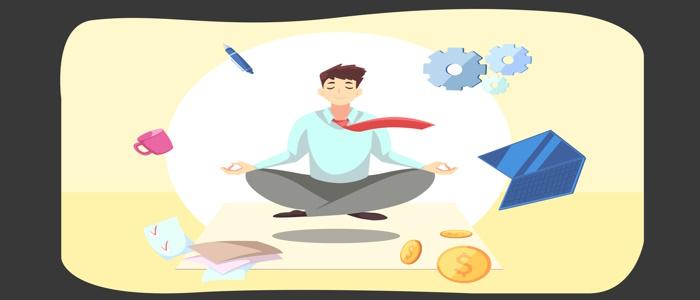
Practical Strategies to Manage Stress
Last updated on : 19 Nov, 2025
Read time : 9 min
Stress is a natural and common response when life feels demanding, whether it stems from work deadlines, family responsibilities, or daily challenges such as traffic. While short-term stress can be a helpful motivator, prolonged or chronic stress can negatively affect both physical and mental well-being [1]. Understanding the body’s response to stress and learning evidence-based, safe, and practical ways to manage it is essential for improving overall health and quality of life.
Understanding Stress: The ‘Fight or Flight’ Response
When a situation becomes too overwhelming, your body’s autonomic nervous system activates the “fight or flight” response, preparing you to respond to a perceived threat. This evolutionary response results in a surge of hormones like adrenaline and cortisol, leading to physical changes such as increased heart rate and muscle tension.
We all need a certain level of challenge to stay stimulated and motivated. It’s normal and even beneficial to experience short periods of stress (eustress) from time to time.
Excessive, long-term stress (chronic stress) can be harmful to your health. For example, the isolation brought on by the pandemic is a perfect example of how long-term stress can affect us physically and mentally. Over time, chronic stress is associated with an increased risk of issues such as anxiety, depression, digestive problems, headaches, and sleep disorders [2].
Effective Stress Management and Relaxation Techniques
Managing stress can feel challenging, but integrating relaxation and behavioral techniques into your routine can be highly beneficial [1]. Relaxation is more than just a momentary respite; it is a vital process that helps counteract the physical and psychological effects of the stress response.
With regular practice, these strategies can help you better cope with the pressures of daily life and potentially reduce long-term stress associated with issues such as elevated blood pressure and physical discomfort [3].
Relaxation techniques are generally low-cost, have minimal risks for most healthy individuals, and can be done almost anywhere.
1. Deep Breathing
Simple deep breathing techniques can quickly help activate the body’s relaxation response. Find a quiet, comfortable spot, sit or lie down, and take slow, deliberate breaths through your nose. Gently exhale through your mouth or nose. Practised regularly, deep breathing can help foster calm and relaxation.
A popular method is the 4-7-8 breathing technique, which involves inhaling for a count of four, holding your breath for a count of seven, and exhaling completely for a count of eight [3]. This type of controlled, slow breathing can help calm the nervous system.
2. Mindfulness and Mantra Meditation
Mindfulness is an ancient practice that encourages conscious, non-judgmental awareness of the present moment—your physical state, thoughts, and environment.
Mantra meditation is distinct because it uses a repeated sound, word, or phrase (a mantra) as a focal point to help maintain concentration.
At the start of your practice, your mind will naturally wander—this is a normal part of the process. With consistent practice, you will find you can better stay focused and notice distracting thoughts without dwelling on them.
3. Progressive Muscle Relaxation (PMR)
With PMR, you concentrate on progressively tensing and then fully releasing different muscle groups. This can be done in combination with slow, deep breathing.
Locate a comfortable spot to sit or recline, shut your eyes, and take a few slow, deep breaths. You can choose to begin with the muscles in your head and face and work your way down, or start with your toes and work your way up. Working from head to toe (or toe to head), focus on one muscle group, tense it gently for about 5 seconds, then completely release it for about 30 seconds before moving to the next area.
Note: Individuals with pre-existing cardiac conditions should consult a physician before beginning any new rigorous relaxation or exercise therapy [1].
4. Visualisation (Guided Imagery)
Visualisation, or guided imagery, involves focusing on a detailed mental picture of a peaceful, calm setting, such as a sunny beach or a quiet forest. Use sensory cues to fully immerse yourself: try to imagine the sun’s warmth on your skin, the scent of the salty ocean air, the sound of the breeze, or the feeling of sand between your feet.
Reframing thoughts and concentrating on a tranquil, memorable moment can also help alleviate feelings of stress.
5. Autogenic Relaxation
In autogenic training, you use self-suggestion to create a feeling of warmth and heaviness in various parts of your body, which are associated with a deep state of relaxation. Subsequently, you softly repeat calming words or phrases for each body part, such as ‘my right arm is heavy and warm.’
This method can help create a sense of emotional and physical peace. It often incorporates guided imagery and breathing exercises and has been shown in some studies to help manage symptoms of stress and anxiety [4].
6. Movement-Based Practices: Yoga and Tai Chi
These forms of low-intensity exercise have been used for centuries, providing both physical and mental benefits.
- Yoga requires holding stretching and strengthening postures while focusing on the breath. Regular yoga practice has been associated with reduced stress levels and modest reductions in blood pressure [5].
- Tai Chi involves gentle, fluid movements that transition smoothly from one posture to the next. You will inhale and exhale deeply, focusing on your body’s sensations.
Depending on your physical abilities, both exercises can be modified to be done while seated. Before taking up a practice like yoga, it is recommended to seek a qualified instructor who can ensure you learn fundamental poses safely and help you select a suitable style.
7. Physical Exercise
Physical activity is an excellent, evidence-based strategy for managing everyday stress. Any type of moderate physical activity—from walking to running, cycling, or playing a sport—can lead to the release of endorphins, which are natural mood-boosting chemicals [6].
When your body releases these endorphins, it can help alleviate worries and contribute to a lasting feeling of well-being. Working out with a buddy can also provide a social component that further helps reduce stress.
Other Supportive Relaxation Techniques
Beyond the core practices, several other supportive techniques can enhance emotional and physical well-being. Focusing on your body and incorporating these external aids can contribute to a sense of calm.
- Biofeedback: This technology enables individuals to measure bodily functions (such as heart rate or muscle tension) and learn to gain voluntary control over them as a way to manage stress.
- Massage: Massage treatments, which come in many styles (e.g., Swedish, Shiatsu), involve manual manipulation of soft tissues to relieve tension and promote physical relaxation.
- Music and Art Therapy: Art therapy includes creative activities like drawing and painting. Music therapy uses music as a tool to achieve beneficial well-being outcomes under the guidance of a professional. Research suggests that engaging in music and art can help lessen distress and reduce cortisol levels [7].
- Aromatherapy: The use of essential oils, often through inhalation or diluted application, is employed as an aromatherapeutic remedy that some individuals find helpful in assisting with feelings of stress and promoting relaxation [8].
- Hydrotherapy: This is a water-based therapy that uses water in various forms (e.g., warm soaks, cold compresses, saunas) to support relaxation and pain relief. While many people find hydrotherapy soothing for easing stress and improving comfort, scientific evidence of its effects beyond temporary relaxation and improved circulation is still developing. Consult a healthcare provider if you have underlying health concerns.
Conclusion
For generally healthy individuals, relaxation techniques are typically low-risk. However, some individuals may experience temporary increased anxiety, emotional discomfort, or difficulty with concentration when first practising specific techniques, especially if underlying mental health conditions exist. It is always advisable to consult with your primary care physician or a mental health professional to determine which practice is best suited for your individual health condition and goals.
Frequently Asked Questions (FAQs)
What are some easy stress management techniques I can try at home?
Easy and accessible at-home methods include deep breathing exercises, mindfulness meditation, a warm bath or shower (hydrotherapy), listening to peaceful music, and low-intensity movement like stretching or gentle walking.
How do relaxation techniques reduce stress?
When you feel stressed, your body releases hormones that trigger the ‘fight or flight’ response, causing an increase in heart rate and blood pressure. Relaxation techniques help to activate the opposing ‘rest and digest’ response (parasympathetic nervous system), which can help lower your blood pressure, slow your heart rate, and bring the body back to a state of balance.
What are key lifestyle strategies for avoiding chronic stress?
Key preventative strategies include maintaining a nutritious and balanced diet, ensuring adequate, high-quality sleep (7-9 hours for adults), and engaging in regular physical activity. Additionally, practice effective time management, realistic goal setting, and prioritizing social connections to build resilience.
What is the primary purpose of relaxation techniques?
The primary purpose is to elicit the body’s natural relaxation response, which reverses the negative physical effects of the stress response. This helps to alleviate muscle tension, calm the mind, and improve overall mental and emotional regulation.
Disclaimer: This article is for informational purposes only and is not a substitute for professional medical advice, diagnosis, or treatment. Please consult a qualified healthcare provider before beginning any new wellness practice, especially if you have an existing medical condition, are on medication, or are experiencing severe or chronic stress.
References
[1] MedlinePlus. (2018). Relaxation techniques for stress: MedlinePlus Medical Encyclopedia. U.S. National Library of Medicine. https://medlineplus.gov/ency/patientinstructions/000874.htm
[2] National Institute of Mental Health (NIMH). (n.d.). Stress. Retrieved October 30, 2025, from https://www.nimh.nih.gov/health/topics/stress
[3] National Center for Complementary and Integrative Health (NCCIH). (2021, June). Relaxation techniques: What you need to know. U.S. Department of Health and Human Services. https://www.nccih.nih.gov/health/relaxation-techniques-what-you-need-to-know
[4] Varvogli, L., & Darviri, C. (2011). Stress management techniques: Evidence-based procedures that reduce stress and promote health. Health Science Journal, 5(2), 74. https://thehealthsciencesacademy.org/wp-content/uploads/2015/06/Stress-Management-Techniques-Health-Science-Journal.pdf
[5] Riley, K. E., King, A. C., & Taylor, C. B. (2018). The effect of yoga on physical and psychological health: A systematic review and meta-analysis. Complementary Therapies in Medicine, 40, 23–33. https://doi.org/10.1016/j.ctim.2018.06.014
[6] Harvard Health Publishing. (2020, July 6). Exercising to relax. Harvard Medical School. https://www.health.harvard.edu/staying-healthy/exercising-to-relax
[7] Siu, S. A., & Tam, S. W. L. (2020). The effect of art therapy on psychological distress in adults: A systematic review and meta-analysis. The Arts in Psychotherapy, 67, 101602. https://doi.org/10.1016/j.aip.2020.101602
[8] Li, H., Zhao, M., Shi, Y., Xing, Z., Li, Y., Wang, S., Ying, J., Zhang, M., & Sun, J. (2018). The effectiveness of aromatherapy and massage on stress management in nurses: A systematic review. Journal of Clinical Nursing, 28(3–4), 372–385. https://doi.org/10.1111/jocn.14596












Disclaimer
Our healthcare experts have carefully reviewed and compiled the information presented here to ensure accuracy and trustworthiness. It is important to note that this information serves as a general overview of the topic and is for informational purposes only. It is not intended to diagnose, prevent, or cure any health problem. This page does not establish a doctor-patient relationship, nor does it replace the advice or consultation of a registered medical practitioner. We recommend seeking guidance from your registered medical practitioner for any questions or concerns regarding your medical condition.
Popular Articles
Recommended Articles

Recent Articles




Company
About UsHealth ArticleHealth StoriesHealth LibraryDiseases & Health ConditionsAyurvedaUnderstanding Generic MedicinesAll MedicinesAll BrandsNeed HelpFAQSecuritySubscribe
Registered Office Address
Grievance Officer
Download Truemeds


Contact Us
Our customer representative team is available 7 days a week from 9 am - 9 pm.
v4.10.1

2025 - Truemeds | All rights reserved. Our content is for informational purposes only. See additional information.
Our Payment Partners