

- Medicines
- Personal Care
- Skin Cream
- Sunscreen
- Face Wash
- Skin and Body Soap
- Acne Care
- Body Lotions
- Moisturising Lotion
- Moisturising Cream
- Mosquito Repellent
- Moisturising Gel
- Body Wash
- Hair Oils
- Hair Shampoo
- Hair Conditioners
- Hair Supplements
- Hair Colour
- Hair Serum
- Hair Mask
- Hair Solutions
- Baby Diapers and Wipes
- Baby Lotion and Moisturising Cream
- Baby Bath Essentials
- Baby Skin Care
- Baby and Infant Food
- Baby Healthcare
- Women Multivitamins
- Ovulation Test Kit and Women Intimate Care
- Sanitary Pads
- Nutritional Drinks
- Condoms
- Lubricants
- Massage Gels
- Personal Body Massagers
- Men Performance Booster
- Sexual Health Supplements
- Massage Oils
- Ayurveda
- Tooth Paste
- Mouth Ulcer Gel
- Mouthwash
- Toothache and Gum Pain
- Tooth Brush
- Gargle Solution
- Orthopaedic Supports
- Adult Diapers
- Footwear
- Mobility and Support Accessories
- Urinary Support and Care
- Health Conditions
- Bone and Joint Care
- Digestive Care
- Eye Care
- Pain Relief
- Smoking Cessation
- Liver Care
- Stomach Care
- Cold and Cough
- Heart Care
- Kidney Care
- Piles, Fissures & Fistula
- Respiratory Care
- Mental Wellness
- Derma Care
- Pre and Probiotics
- Acidity
- Gas
- Constipation
- Loose Motion/Diarrhoea
- Digestive Fibres
- Digestive Enzymes
- Eye Lubricant Drops
- Lens Solution
- Safety Eye Wear
- Eye Cream
- Eye Vitamins and Supplements
- Eye Drops
- Eye Ointment and Gel
- Nicotine Patch
- Nicotine Gum
- Nicotine Lozenges
- Cough Syrups
- Chest Rubs and Balms
- Nasal Spray
- Lozenges
- Inhalant Capsules
- Cold and Cough Tablets
- Vitamins & Supplements
- Diabetes Care
- Healthcare Devices
- Homeopathic Medicine
- Health Guide
Candidiasis
Candidiasis is a fungal infection caused by an overgrowth of Candida, a type of yeast that naturally lives on the skin and in parts of the body. The disease typically affects the vagina, mouth, throat, and oesophagus, but it can spread to other parts of the body if left untreated. Various factors, such as a weakened immune system, poor hygiene, hormonal changes, and the use of certain medications, can lead to an imbalance in Candida growth.
 50
50Last updated on : 26 May, 2026
Read time : 12 mins

Overview of Disease
Candidiasis is a prevalent fungal infection that affects many individuals worldwide. It is caused by an overgrowth of Candida, a type of yeast commonly found in the human body.
The infection can affect various parts of the body, with the most common sites being the vagina, mouth, throat, and oesophagus. If left untreated, candidiasis can spread to other parts of the body, leading to more severe complications (R & Rafiq, 2025). Understanding the causes, symptoms, and available treatment options for candidiasis is crucial for effective management of this condition.
What is Candidiasis?
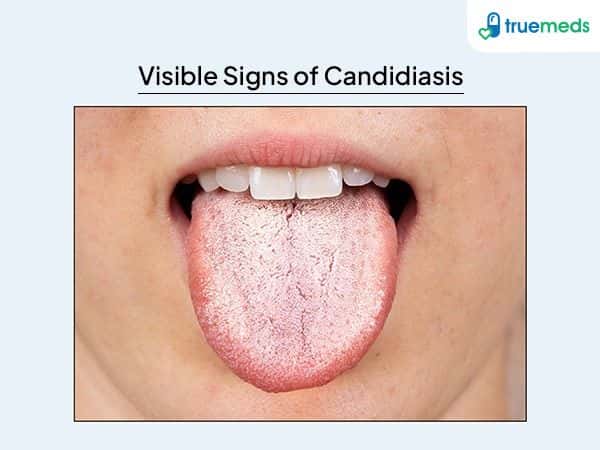
Candidiasis is a fungal infection resulting from an overgrowth of Candida, a type of yeast that naturally resides on the skin and in certain parts of the body. Under normal circumstances, Candida lives in the body without causing any symptoms (Mayer et al., 2013).
However, when an imbalance occurs, leading to excessive growth of Candida, it can result in an infection. Several factors can contribute to this imbalance, including a weakened immune system, poor hygiene practices, hormonal changes, and the use of certain medications. Recognising the various types of candidiasis is essential for accurate diagnosis and appropriate treatment.
Key Factors about Candidiasis
| Category | Details |
| Also Referred to as | Candidosis, moniliasis, oidiomycosis |
| Commonly Occurs In | Skin folds, vagina, penis, mouth, nail folds, and corners of the mouth |
| Affected Organ | Skin, mucous membranes, vagina, penis, mouth, digestive system |
| Type | Mucosal candidiasis, oral candidiasis (thrush), cutaneous candidiasis, invasive candidiasis, candidemia |
| Common Signs | White patches, vaginal discharge, itching, blistering, pain, soreness, burning, discharge |
| Consulting Specialist | Primary care physician, infectious disease specialist, dermatologist, gynaecologist |
| Treatment Procedures | Medicated creams/ointments (skin), suppositories/oral medications (vaginal), mouthwash/lozenges (oral), antifungals (systemic) |
| Managed By | Antifungal medications |
| Mimicking Condition | Ringworm, diaper rash, bacterial infections, oral thrush |
Types of Candidiasis
Candidiasis can present itself in several forms, each with its own set of symptoms and characteristics:
- Vaginal Candidiasis (Vaginitis): This type of candidiasis affects the vagina, causing symptoms such as itching, soreness, and abnormal discharge. It is particularly common among diabetic and pregnant women, with around 30% women developing vaginal candidiasis in their third trimester (Messina et al., 2024).
- Cutaneous Candidiasis: Cutaneous candidiasis is a type of candidiasis that affects the skin, particularly in areas with skin folds, such as the armpits and groin region. It is characterised by itching, redness, and the appearance of rashes on the affected areas.
- Oral Candidiasis (Thrush): Oral candidiasis, commonly known as thrush, is a form of candidiasis that impacts the mouth and throat. It is distinguished by the presence of white patches and redness or soreness in the affected areas.
- Candida Granuloma: Candida granuloma is an uncommon type of candidiasis that involves the formation of granulomas, which are aggregations of immune cells. This condition is frequently associated with chronic granulomatous disease.
- Invasive Candidiasis (Systemic Candidiasis): Invasive candidiasis is a serious and potentially life-threatening form of candidiasis. It occurs when Candida enters the bloodstream and disseminates to internal organs, such as the kidneys, brain, and heart.
Symptoms of Candidiasis
The symptoms of candidiasis can vary depending on the location of the infection. Some common symptoms include:
- Genital Area: Itching, burning, and soreness in the vagina or on the penis, along with a thick, white, cottage cheese-like discharge.
- Mouth and Throat: White patches on the tongue, inner cheeks, and throat, accompanied by redness, soreness, and difficulty swallowing.
- Skin: Red, itchy rash with soreness, scaling, satellite pustules, or maceration in moist skin folds.
- Nails: Discolouration, thickening, and separation of the nail from the nail bed.
- Systemic Infections: Fever, chills, fatigue, and potentially more severe symptoms if the infection spreads to the bloodstream or internal organs.
Recognising these symptoms can help in the early diagnosis and treatment of candidiasis.
Causes of Candidiasis
Several factors can contribute to the overgrowth of Candida, including:
- Disruption of Healthy Bacteria: Antibiotics can disrupt the balance of beneficial bacteria in the body, allowing Candida to overgrow.
- Compromised Immune System: People with weakened immune systems, such as those with HIV/AIDS or undergoing chemotherapy, are at a higher risk of developing candidiasis.
- Pregnancy: Hormonal changes during pregnancy can increase the likelihood of vaginal candidiasis.
- Diabetes: Poorly controlled diabetes can lead to increased glucose levels in the body, promoting the growth of Candida.
- Corticosteroids: Long-term use of corticosteroids can suppress the immune system and increase the risk of candidiasis.
- Tight Clothing: Wearing tight-fitting clothes or underwear made from synthetic materials can trap moisture and create a favourable environment for Candida growth.
By understanding the causes of candidiasis, you can take steps to prevent the overgrowth of Candida and reduce your risk of developing this fungal infection.
Risk Factors
Certain groups of people are at a higher risk of developing candidiasis. These include:
- People with weakened immune systems, such as those with HIV/AIDS or cancer
- Pregnant women
- Diabetics
- Those taking antibiotics, corticosteroids, or birth control pills
- People with chronic health conditions, such as diabetes and psoriasis
- Those with a history of vaginal yeast infections
- Hospitalised patients, especially those with central venous catheters, undergoing surgery, or receiving chemotherapy
- People with high sugar intake, alcohol consumption, and stress
Who's at Risk?
In addition to the general risk factors mentioned above, some specific groups are more prone to certain types of candidiasis:
- Newborns and older adults are more susceptible to oral thrush (Taylor but it can spread to other parts of the body if left untreateet al., 2023).
- People with poor oral hygiene or removable dentures are at a higher risk of developing oral thrush
- Men with diabetes, uncircumcised men, and those whose female partners have vaginal candidiasis are more likely to develop genital candidiasis
Complications
Candidiasis can lead to several severe complications if left untreated. Some of the significant complications include:
- Invasive Candidiasis: Invasive candidiasis is a severe complication that can occur when the Candida yeast enters the bloodstream and spreads to various parts of the body, such as the heart, brain, and other organs.
- Candidemia: Candidemia is a condition in which the Candida yeast enters the bloodstream and can result in infections in the eyes, vertebral column, liver, spleen, central nervous system (CNS), and kidneys.
- Skin Infections and Ulcers: If candidiasis is left untreated, it can lead to the development of skin infections and ulcers, especially if the inflamed area becomes cracked or open due to persistent scratching.
- Vulvovaginal Candidiasis: When vulvovaginal candidiasis is not properly treated, it can cause severe symptoms such as itching, redness, and inflammation in the vulvar region.
- Recurrent Infections: Recurrent candidiasis infections can disrupt an individual's quality of life and may indicate an underlying health issue, such as a weakened immune system or diabetes. Identifying and addressing these underlying factors is crucial for preventing future infections.
- Pregnancy Complications: Symptomatic vulvovaginal candidiasis in pregnancy should be treated for comfort and to reduce complications, but direct causation of preterm labour is not firmly established in routine uncomplicated cases.
Prevention of Candidiasis
Preventing candidiasis involves making lifestyle changes and maintaining good hygiene practices. Here are some steps you can take to reduce your risk of developing this fungal infection:
- Maintain Good Hygiene: Keep the skin and genital area clean and dry to prevent yeast overgrowth. Change out of wet clothing promptly and avoid sitting in damp swimwear for extended periods.
- Manage Diabetes: If you have diabetes, control your blood sugar levels to reduce the risk of candidiasis. High blood sugar creates a favourable environment for yeast growth.
- Limit Antibiotics: Use antibiotics judiciously and only when prescribed by a doctor. Antibiotics can disrupt the natural balance of flora in the body, allowing Candida to overgrow.
- Practice Safe Sex: Use condoms during sexual activity to prevent the transmission of candidiasis through sexual contact.
- Breastfeeding Hygiene: If you are breastfeeding, maintain good hygiene to prevent the transmission of candidiasis from mother to child. Clean and dry the nipples after each feeding.
- Wear Loose Clothing: Avoid tight-fitting clothing, especially in humid weather, to reduce moisture buildup in the genital area. Wear breathable fabrics like cotton.
- Manage Stress: High stress levels can weaken the immune system, making you more susceptible to candidiasis. Practice stress management techniques like meditation, exercise, or deep breathing.
By incorporating these preventive measures into your daily routine, you can significantly reduce your risk of developing candidiasis and maintain optimal health.
Diagnosis & Tests
To accurately diagnose candidiasis, doctors utilise a combination of tests to identify the presence of infection. These methods include:
- Physical Examination: During this examination, the doctor will assess the affected areas for signs of inflammation, redness, and other characteristic symptoms of candidiasis.
- Medical History: Your doctor will ask about your symptoms, duration of the infection, recent antibiotic use, and any underlying health conditions that may increase your risk of candidiasis.
- Microscopic Examination: In some cases, your doctor may take a sample of the affected tissue or discharge and examine it under a microscope. The presence of Candida yeast can confirm the diagnosis.
- Blood Tests: If invasive candidiasis or candidemia is suspected, blood tests may be performed to detect the presence of Candida in the bloodstream. This can help determine the extent of the infection and guide treatment decisions.
- Endoscopy: In cases of suspected gastrointestinal candidiasis, an endoscopy may be performed to visualise the digestive tract and identify any signs of infection. During this procedure, a small camera is inserted through the mouth or rectum to examine the digestive system.
- Imaging Tests: Imaging tests, such as X-rays, CT scans, or MRIs, may be used to assess the extent of the infection and determine if it has spread to other parts of the body.
Accurate diagnosis of candidiasis is crucial for determining the most appropriate treatment plan and preventing complications associated with untreated infections.
Treatment & Management
The treatment of candidiasis is based on several factors, including the site of infection, severity, Candida species, resistance patterns, and the patient’s immune status. A combination of oral, topical, and intravenous therapies may be used to achieve optimal outcomes while minimising side effects.
1. Oral Antifungals
Oral antifungal medications are the mainstay of therapy for mucocutaneous and oropharyngeal candidiasis. They offer systemic coverage and are generally well tolerated.
- Fluconazole: It is the first-line agent for most forms of mucosal candidiasis, including oropharyngeal, oesophageal, and vulvovaginal infections. It works by inhibiting fungal cytochrome P450, interfering with ergosterol synthesis and disrupting the fungal cell membrane.
2. Topical Azole Antifungals
Topical treatments such as clotrimazole and miconazole are used for external or vaginal candidiasis. These are preferred for localised superficial candidiasis, offering direct action at the site of infection with minimal systemic absorption.
- Clotrimazole: It is an imidazole antifungal used in oropharyngeal (lozenges) and vaginal candidiasis.
- Miconazole: It is available in creams and suppositories, which are helpful for treating external genital or skin infections. These agents inhibit ergosterol synthesis, compromising fungal cell membrane integrity.
3. Echinocandins
For invasive or fluconazole-resistant candidiasis, echinocandins like caspofungin and anidulafungin are administered intravenously.
- Caspofungin: It inhibits β-(1,3)-D-glucan synthesis in the fungal cell wall, used in candidemia and deep-seated infections.
- Anidulafungin: Similar mechanism, with reliable activity against fluconazole-resistant species like Candida glabrata.
These are given intravenously and are well tolerated with low toxicity profiles.
4. Amphotericin B
In severe systemic candidiasis, particularly in immunocompromised individuals, amphotericin B serves as a potent polyene antifungal.
- Amphotericin B: It is a medication that binds ergosterol, creating pores in the fungal membrane and causing cell death. Lipid formulations are preferred to reduce nephrotoxicity.
5. Combination and Tailored Therapy
Treatment strategies are individualised based on species identification, susceptibility patterns, infection site, and patient factors.
- In severe or resistant infections, combination regimens (e.g., systemic fluconazole with topical clotrimazole) may provide enhanced eradication.
- Therapy duration and choice of agent are adjusted according to clinical response and microbiological findings to ensure complete resolution and prevent recurrence.
When to See a Doctor?
If you experience symptoms of candidiasis, such as itching, burning, or discharge, it is essential to consult a doctor for proper diagnosis and treatment. Symptoms may vary depending on the location of the infection, but common signs include redness, swelling, and discomfort in the affected area. This is particularly important for individuals with weakened immune systems, as they are more prone to frequent and severe infections. Additionally, if your symptoms persist or worsen despite using over-the-counter antifungal treatments, it is crucial to consult a doctor. They can assess your condition, determine the underlying cause of the infection, and prescribe the appropriate treatment plan. In some cases, adjustments to the treatment regimen may be necessary to manage the infection and prevent recurrences effectively.
Key Takeaways
- Candidiasis is a fungal infection caused by Candida species, most commonly Candida albicans.
- Risk factors for candidiasis include immunosuppression, diabetes, prolonged antibiotic use, and certain medical conditions.
- Symptoms of candidiasis vary depending on the infection site, but may include itching, burning, redness, and white patches on the affected area.
- Diagnosis of candidiasis involves physical examination, microscopic analysis, and culture of samples from the affected area.
- Treatment options for candidiasis include topical antifungals, systemic antifungals, and chronic suppressive therapy, depending on the severity and location of the infection.
- Prevention measures for candidiasis include maintaining good hygiene, managing underlying health conditions, and using antibiotics judiciously.
- Individuals with severe, persistent, or recurrent symptoms of candidiasis should consult a doctor for proper diagnosis and treatment.
FAQs
How does candida infections go away?
Is candidiasis an STD?
Can candidiasis go away on its own?
Can I kiss with candidiasis?
Can candida be cured?
References
- Centers for Disease Control and Prevention. (2022, April 12). Candidiasis. https://www.cdc.gov/candidiasis/CDC_AAref_Val=https://www.cdc.gov/fungal/diseases/candidiasis/index.html
- MedlinePlus. (2021, May 4). Candida infection of the skin. https://medlineplus.gov/ency/article/000880.htm
- MedlinePlus. (2021, October 4). Thrush - children and adults. https://medlineplus.gov/ency/article/000626.htm
- R, A. N., & Rafiq, N. B. (2025). Candidiasis. In StatPearls. StatPearls Publishing. https://www.ncbi.nlm.nih.gov/books/NBK560624/
- Pattnaik, S., Maharana, L., & Sethi, M. (2021). Pathogenicity Mechanism of Candida albicans. In Advances in Candida albicans. IntechOpen.https://www.intechopen.com/chapters/78427
- Messina, A., Mariani, A., Brandolisio, R., Tavella, E., Germano, C., Lipari, G., Leo, L., Masturzo, B., & Manzoni, P. (2024). Candidiasis in pregnancy: relevant aspects of the pathology for the mother and the fetus and therapeutic strategies. Tropical Medicine and Infectious Disease, 9(5), 114. https://doi.org/10.3390/tropicalmed9050114
- Taylor, M., Brizuela, M., & Raja, A. (2023, July 4). Oral candidiasis. StatPearls - NCBI Bookshelf. https://www.ncbi.nlm.nih.gov/books/NBK545282/

Check Related Salts
Browse Other Conditions
Latest health articles
Top Health Essentials





























Disclaimer
Top-Selling Medicines:
...View more
Top-OTC medicines:
...View more
Company
About UsHealth ArticleHealth StoriesHealth LibraryDiseases & Health ConditionsAyurvedaUnderstanding Generic MedicinesAll MedicinesAll BrandsNeed HelpFAQSecuritySavings CalculatorAdvertise with UsSubscribe
Registered Office Address
Grievance Officer
Download Truemeds


Contact Us
Our customer representative team is available 7 days a week from 9 am - 9 pm.
v4.28.14

2026 - Truemeds | All rights reserved. Our content is for informational purposes only. See additional information.

Our Payment Partners




