

- Medicines
- Personal Care
- Skin Cream
- Sunscreen
- Face Wash
- Skin and Body Soap
- Acne Care
- Body Lotions
- Moisturising Lotion
- Moisturising Cream
- Mosquito Repellent
- Moisturising Gel
- Body Wash
- Hair Oils
- Hair Shampoo
- Hair Conditioners
- Hair Supplements
- Hair Colour
- Hair Serum
- Hair Mask
- Hair Solutions
- Baby Diapers and Wipes
- Baby Lotion and Moisturising Cream
- Baby Bath Essentials
- Baby Skin Care
- Baby and Infant Food
- Baby Healthcare
- Women Multivitamins
- Ovulation Test Kit and Women Intimate Care
- Sanitary Pads
- Nutritional Drinks
- Condoms
- Lubricants
- Massage Gels
- Personal Body Massagers
- Men Performance Booster
- Sexual Health Supplements
- Massage Oils
- Ayurveda
- Tooth Paste
- Mouth Ulcer Gel
- Mouthwash
- Toothache and Gum Pain
- Tooth Brush
- Gargle Solution
- Orthopaedic Supports
- Adult Diapers
- Footwear
- Mobility and Support Accessories
- Urinary Support and Care
- Health Conditions
- Bone and Joint Care
- Digestive Care
- Eye Care
- Pain Relief
- Smoking Cessation
- Liver Care
- Stomach Care
- Cold and Cough
- Heart Care
- Kidney Care
- Piles, Fissures & Fistula
- Respiratory Care
- Mental Wellness
- Derma Care
- Pre and Probiotics
- Acidity
- Gas
- Constipation
- Loose Motion/Diarrhoea
- Digestive Fibres
- Digestive Enzymes
- Eye Lubricant Drops
- Lens Solution
- Safety Eye Wear
- Eye Cream
- Eye Vitamins and Supplements
- Eye Drops
- Eye Ointment and Gel
- Nicotine Patch
- Nicotine Gum
- Nicotine Lozenges
- Cough Syrups
- Chest Rubs and Balms
- Nasal Spray
- Lozenges
- Inhalant Capsules
- Cold and Cough Tablets
- Vitamins & Supplements
- Diabetes Care
- Healthcare Devices
- Homeopathic Medicine
- Health Guide
Vanga Bhasma
Vanga Bhasma is one of the well-known herbal-metallic preparations well-established in Ayurveda. It is prepared out of the metal Vanga–Tin. It is commonly utilised for the management of gastrointestinal and genitourinary ailments, Prameha (diabetes mellitus), Krimi (helminthiasis), and Rakta Pradar (hematuria).
 50
50Last updated on : 12 Aug, 2025
Read time : 10 mins
What is Vanga Bhasma?
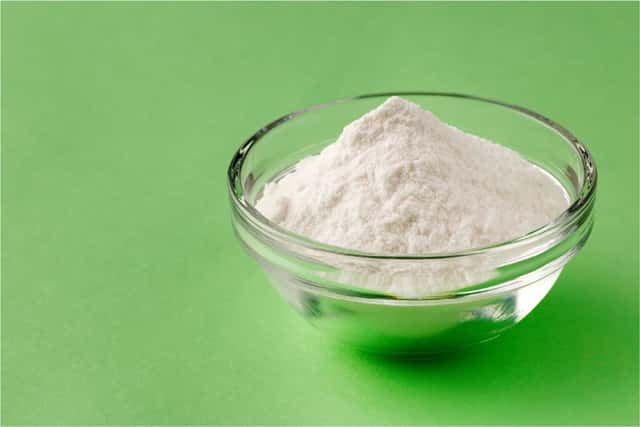
Vanga Bhasma is a preparation of the metal Tin (Vanga) wherein this metal is processed and then incinerated to make the final product, a fine ash or powder. The procedure to render the metal in a bioavailable form for therapy is called bhasma preparation. The process includes purification, calcination, and compounding with articles of herbal nature to increase its curative value.
Key Facts
| Feature | Details |
| What is Vanga Bhasma? | Vanga Bhasma is a traditional Ayurvedic medicine made from purified tin used in various health treatments. |
| Origin | Metal preparation. Derived from the ancient Ayurvedic practice of Rasa Shastra, which involves the purification of metals. |
| Common Use | It assists in managing disorders of the gastrointestinal tract and genitourinary system and is also used for diabetes and anaemia. |
| Chemical Composition | Composed mainly of purified tin, often combined with plant extracts during preparation. |
| Health Benefits | It improves digestion, boosts male reproductive health, treats anaemia, helps manage diabetes, and supports respiratory health. |
| Forms Available | Usually available in powdered form, often mixed with honey, ghee, or other herbal formulations. |
| Recommended Dosage | 125-250 mg daily, depending on individual health conditions and the doctor's recommendation. |
| Safety Measures | It is not recommended for pregnant or breastfeeding women without medical consultation; caution is required for heart patients. |
| Storage | Store in a cool, dry place, away from direct sunlight and moisture. |
Alternative Name of Vanga Bhasma
Vanga Bhasma has been known by several names, including:
- Vanga
- Vangak
- Ranga
- Rangak
- Shukraloha
- Kuroopya
- Trapush
- Trapu
How is Vanga Bhasma made?
Vang Bhasma is prepared through the Ayurvedic process, during which the tin (Vanga) goes through several purifications and incinerations. This technique has its roots in authentic Rasa Shastra texts in Ayurveda. Here is an overview of the process:
1. Purification (Shodhana)
- Samanya Shodhana: Refining the raw tin by the Dhalana involves immersing the molten tin sequentially in sesame oil, buttermilk, cow's urine, kanji, kulatha decoction seven times in each medium.
- Vishesha Shodhana: For specific purification, the tin is immersed in Nirgundi, which is Vitex negundo Linn mixed with Haridra, which is Turmeric, thrice.
2. Melting Process (Jarana)
- The purified tin is melted in an iron vessel followed by the addition of Tamarind bark powder and roasted until it becomes a powder form. The powder is then covered with an earthen saucer and heated for half-an-hour and cooled.
3. Levigation (Bhavana)
- The powdered tin is then triturated with Aloe vera juice, and small pellets are made out of it.
4. Incineration (Marana)
- These pellets are burned at a predetermined temperature of 600°C for approximately 30 minutes; burned six times in getting that fine Vanga Bhasma with the most suitable characteristics.
Ingredients Used in Making Vanga Bhasma
The ingredients used in the preparation of Vang Bhasma include:
- Raw Vanga (Tin): It is one of the raw materials used to prepare the bhasma process.
- Sesame Oil (Tila Taila): Applied in the treatment process.
- Buttermilk (Takra): Acts as a cleansing medium.
- Cow’s Urine (Gomutra): Another purifying agent.
- Haridra Churna (Turmeric Powder): Adds medicinal properties.
- Tamarind Root Powder: Used in the process of making bhasma.
- Kanji and Kulattha Kwatha: Subsequent purgations by decoctions.
- Vitex negundo (Nirgundi) Leaf Juice and Aloe Vera Juice: For medication and purging purposes.
Medicinal Value of Vanga Bhasma
Vanga Bhasma is an organometallic Ayurvedic preparation created through the purification and incineration of tin. It holds significant therapeutic value in treating various conditions, particularly those affecting the gastrointestinal tract and genitourinary system.
Commonly used to manage urinary disorders, diabetes, anaemia, asthma, gastric ulcers, and related conditions, Vanga Bhasma works due to its potent action on digestion and metabolism. Its formulation helps balance doshas and promotes overall health by targeting underlying imbalances within the body’s metabolic functions and improving vitality.
Health Benefits of Vanga Bhasma
Here are Vanga Bhasma benefits for everyday use:
1. Promotes Gut Health
Relief from indigestion: Vanga Bhasma acts effectively to manage Agnimandya, which escalates the digestive fire and expels Ama from the stomach and intestines. Deepan (appetizer) and Pachan (digestive) are characteristics that assist in removing discomfort, such as bloating and abdominal pain, which are some of the signs of indigestion.
2. Remedies Urinary Tract Infections (UTIs)
Vanga Bhasma uses are also notable in the case of UTI because it relieves the signs, such as dysuria and burning sensation about Pitta. It helps to consistently maintain the regular frequency of urination and urinary tract health.
3. Supports Male Reproductive Health
Vanga Bhasma is enriched with spermatogenic activity and is applied in cases of therapeutic induction of sperm production or oligospermia. It also increases sexual desire and manages sexual disorders.
4. Manages Anemia
Vanga Bhasma assists in anaemia (Pandu) by increasing the strength of the body and overcoming difficulties such as fatigue, shortness of breath and dizziness because of the Balya attributes of Vanga Bhasma.
5. Manages Diabetes
As an adjunct therapy for diabetes, Vanga Bhasma uses are also beneficial because of its ability to support normal blood sugar levels and overcome fatigue and weakness. It has the Rasayana effect which means it can rejuvenate the body and increase immunity.
Common Uses for Vanga Bhasma
Vanga Bhasma has long been valued in Ayurvedic medicine for its influence on metabolic, reproductive, and respiratory health. It is primarily used to treat disorders of the digestive and genitourinary systems, with added benefits for conditions like diabetes, anaemia, and asthma. The following are key uses of Vanga Bhasma:
1. Genitourinary Disorders:
Vanga Bhasma is also considered very effective in managing diseases of the genitourinary system of the body, including Urinary tract infections, Kidney stones and incontinence. These properties help support the urinary system, reduce discomfort, and promote healthy function
2. Diabetes Management:
The medication with Vanga has been reported to possess the qualities of triggering the hormones in the blood sugar regulation; hence, it has many uses in Ayurvedic remedies for diabetes. It also assists insulin production by the pancreas, stabilising glucose levels inside the body and minimising or preventing complications accompanying diabetes.
3. Anaemia (Pandu):
Anaemia is a low level of haemoglobin in the blood, and Vanga Bhasma helps manage anaemia. Its formulation supplements the creation of red blood cells, enhancing oxygen delivery in the body. This makes it a helpful treatment for patients with fatigue and weakness caused by anaemia.
4. Gastrointestinal Disorders:
It is advantageous in easing digestion-related disorders such as indigestion (Agnimandya), gastritis and ulcers. Vanga Bhasma has also been proven helpful for one’s stomach lining since it can help the stomach digest food more effectively and remove discomfort in the gut.
5. Asthma and Respiratory Issues:
Vanga Bhasma is also taken for its bronchodilator activity and can be used to manage conditions such as asthma. This assists in relaxing muscles in the air passageways, making it easy for patients with asthma to breathe and leading to better lung functions.
Precautions While Taking Vanga Bhasma
- Breastfeeding: There is not enough scientific evidence to confirm the safety of Vanga Bhasma for breastfeeding women. It is strongly recommended to consult a doctor before using this Ayurvedic preparation while breastfeeding.
- Patients with Heart Disease: Individuals on medication for hypertension or other heart conditions should seek medical advice before taking Vanga Bhasma, as its effects in such cases are not well-documented.
- Pregnancy: The safety of Vanga Bhasma during pregnancy is not established. It is advised to consult a healthcare professional before using it during pregnancy.
How To Use
- Consult an Ayurvedic Physician: Vanga Bhasma is generally used as an admixture with other Ayurvedic drugs. Consume the same quantity and form (Ayurvedic Yog) your doctor recommends.
- Prepare the Mix: Add honey or ghee to the required measure of Vanga Bhasma according to the doctor's advice. These carriers improve dissolution and equalize the strength of the medicine.
- Dosage: The dose of the mixture should be taken once or twice a day as the physician prescribes.
- Intended Use: These two combined are useful for quickly reducing manifestations such as anaemia or weakness.
Recommended Dosage
If Vanga Bhasma is taken singly, the recommended dose ranges between 125 and 250 mg daily. This dosage is standard and recommended by Ayurvedic practitioners on the unique health status, an individual's constitution, and the disease's nature. It is usually taken with honey, ghee or other medicinal carriers to ease its action on the stomach.
Side Effects of Vanga Bhasma
- The medication overdose may cause gastritis.
- The medication must be taken for a fixed amount of time at a fixed dosage as a doctor recommends.
Interaction of Vanga Bhasma With Other Drugs
Vang Bhasma is not genotoxic and cytotoxic, and when properly prepared, it does not alter the pharmacokinetics of other Ayurvedic formulations. It is non-toxic, highly bioavailable, and biodegradable, which explains why it is generally incorporated in various formulations. It can be taken alongside other ayurvedic treatments, but anyone on usual medication, especially those with heart conditions, should see their doctor first due to possible interaction. It also has the benefit of having nano-like properties, thus having stability and long life, and a low dosage is required.
Key Takeaways
- Vanga Bhasma is one of the most popular Ayurvedic products and has tremendous health benefits, especially in managing gastrointestinal and genito-urinary diseases.
- Its properties aid in digestion, soothe indigestion and ease symptoms of urinary tract infections because of its actions on Pitta.
- It is also effective when it comes to men’s health issues, maintaining sperm health, as well as managing oligospermia and sexual dysfunction.
- It is also used for anaemia and diabetes to give bodily strength and support the immune system.
Conclusion
Vanga Bhasma offers targeted therapeutic benefits across various physiological systems. Its role in managing genitourinary issues, such as urinary infections and reproductive challenges, is especially notable. Additionally, it supports digestion, boosts red blood cell production, and contributes to better glycaemic control in diabetes. The rejuvenating effect strengthens vitality and immunity, making it a valuable adjunct in chronic condition management. When used in recommended doses, is an effective remedy for conditions rooted in metabolic, blood, and reproductive imbalances.
FAQs
Can Vanga Bhasma help in anemia?
Is Vanga Bhasma good for gastric ulcers?
Can Vanga Bhasma help in diabetes?
What is the indication of Vanga Bhasma?
Is Vanga Bhasma good for asthma?
References
- Baruah, H., Parveen, R., & Chaudhary, A. K. (2014). THERAPEUTIC USES OF VANGA BHASMA: A CRITICAL REVIEW. International Journal of Research in Ayurveda & Pharmacy, 5(4), 566–570. https://doi.org/10.7897/2277-4343.054114
- Kale, B., & Rajurkar, N. (2019). Synthesis and characterization of Vanga bhasma. Journal of Ayurveda and Integrative Medicine, 10(2), 111–118. https://doi.org/10.1016/j.jaim.2017.05.003
- Hiremath, R., Jha, C. B., & Narang, K. K. (2010). Vanga Bhasma and its XRD analysis. Ancient Science of Life, 29(4), 24–28. https://www.ncbi.nlm.nih.gov/pmc/articles/PMC3336289/pdf/ASL-29-24.pdf
Other Ayurvedic Ingredients

Explore other categories
Latest health articles



Top Health Essentials
Top-selling ayurvedic products












Disclaimer
Top-Selling Medicines:
...View more
Top-OTC medicines:
...View more
Top-selling healthcare devices:
...View more
Company
About UsHealth ArticleHealth StoriesHealth LibraryDiseases & Health ConditionsAyurvedaUnderstanding Generic MedicinesAll MedicinesAll BrandsNeed HelpFAQSecuritySavings CalculatorAdvertise with UsSubscribe
Registered Office Address
Grievance Officer
Download Truemeds


Contact Us
Our customer representative team is available 7 days a week from 9 am - 9 pm.
v4.28.13

2026 - Truemeds | All rights reserved. Our content is for informational purposes only. See additional information.

Our Payment Partners