- Medicines
- Personal Care
- Skin Cream
- Sunscreen
- Face Wash
- Skin and Body Soap
- Acne Care
- Body Lotions
- Moisturising Lotion
- Moisturising Cream
- Mosquito Repellent
- Moisturising Gel
- Body Wash
- Hair Oils
- Hair Shampoo
- Hair Conditioners
- Hair Supplements
- Hair Colour
- Hair Serum
- Hair Mask
- Hair Solutions
- Baby Diapers and Wipes
- Baby Lotion and Moisturising Cream
- Baby Bath Essentials
- Baby Skin Care
- Baby and Infant Food
- Baby Healthcare
- Women Multivitamins
- Ovulation Test Kit and Women Intimate Care
- Sanitary Pads
- Nutritional Drinks
- Condoms
- Lubricants
- Massage Gels
- Personal Body Massagers
- Men Performance Booster
- Sexual Health Supplements
- Massage Oils
- Ayurveda
- Tooth Paste
- Mouth Ulcer Gel
- Mouthwash
- Toothache and Gum Pain
- Tooth Brush
- Gargle Solution
- Orthopaedic Supports
- Adult Diapers
- Footwear
- Mobility and Support Accessories
- Urinary Support and Care
- Health Conditions
- Bone and Joint Care
- Digestive Care
- Eye Care
- Pain Relief
- Smoking Cessation
- Liver Care
- Stomach Care
- Cold and Cough
- Heart Care
- Kidney Care
- Piles, Fissures & Fistula
- Respiratory Care
- Mental Wellness
- Derma Care
- Pre and Probiotics
- Acidity
- Gas
- Constipation
- Loose Motion/Diarrhoea
- Digestive Fibres
- Digestive Enzymes
- Eye Lubricant Drops
- Lens Solution
- Safety Eye Wear
- Eye Cream
- Eye Vitamins and Supplements
- Eye Drops
- Eye Ointment and Gel
- Nicotine Patch
- Nicotine Gum
- Nicotine Lozenges
- Cough Syrups
- Chest Rubs and Balms
- Nasal Spray
- Lozenges
- Inhalant Capsules
- Cold and Cough Tablets
- Vitamins & Supplements
- Diabetes Care
- Healthcare Devices
- Homeopathic Medicine
- Health Guide
Chitrakadi Vati
Chitrakadi Vati, also known as Chitrakadi Gutika, is a classical Ayurvedic tablet (Vati) traditionally used to support digestion. It is prepared from digestive herbs such as Chitrak, Pippali, Hing and ginger, and is traditionally used for indigestion, poor appetite, constipation, bloating and gas. Ayurveda describes it as a formulation that is believed to support Agni (digestive fire) and aid the digestion of Ama, traditionally described as incompletely digested material.
 50
Last updated on : 03 Sep, 2026
Read time : 12 mins

What is Chitrakadi Vati?
The name Chitrakadi Vati comes from Chitrak (Plumbago zeylanica), a principal ingredient, and ‘adi’, meaning ‘and others’, referring to the formulation’s additional ingredients. It is classified in Ayurveda as a Deepana-Pachana formulation, meaning it is traditionally believed to support digestive fire (Agni) and help the body process Ama, traditionally described as incompletely digested material.
Classical Ayurvedic texts, including the Bhaishajya Ratnavali, describe Chitrakadi Vati in the context of Grahani (digestive) disorders.
Key Facts
| Feature | Details |
| Formulation name | Chitrakadi Vati |
| Formulation type | Vati / Gutika (Ayurvedic compressed tablet)
|
| Classical reference | Bhaishajya Ratnavali, Grahani Roga Chikitsa chapter
|
| Composition | Chitrak (Plumbago zeylanica), Pippali (Piper longum), Hing (Ferula asafoetida), Saindhava Lavana (rock salt), Shunti/Ginger (Zingiber officinale)
|
| Also known as | Chitrakadi Gutika, Chitrakadi Bati, Chitrakadi Gulika
|
| Key active compounds | Plumbagin, piperine, gingerol and shogaol |
| Dosha action | Traditionally believed to pacify Vata and Kapha dosha; its heating potency may aggravate Pitta dosha
|
| Traditional uses | Indigestion, poor appetite, constipation, bloating and gas
|
| Common forms | Tablet (Vati/Gutika)
|
| General dosage | 1 to 2 tablets twice daily after meals with warm water, or as directed by an Ayurvedic practitioner
|
| Best taken | After meals, with warm water |
| Key safety note | Avoid use during pregnancy unless specifically advised by a healthcare professional; use with caution in gastritis, high blood pressure, kidney disease and Pitta-dominant constitutions; consult a doctor before use if taking other medicines |
Alternative Names of Chitrakadi Vati
Chitrakadi Vati is a classical Sanskrit formulation name, so its alternative names are mainly spelling and transliteration variants rather than separate translations. The known variants are:
- Chitrakadi Gutika
- Chitrakadi Bati
- Chitrakadi Gulika
Composition of Chitrakadi Vati
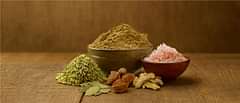
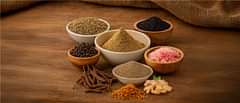
Chitrakadi Vati combines the following Ayurvedic ingredients, each traditionally chosen to support digestive function:
- Chitrak (Plumbago zeylanica): the primary ingredient, traditionally used to support Agni (digestive fire) and sluggish digestion.
- Pippali (Piper longum): traditionally used to support appetite and digestive function.
- Hing (Ferula asafoetida): a traditional carminative, used to help relieve gas, bloating and discomfort linked to indigestion.
- Saindhava Lavana (rock salt): traditionally used to aid digestion and support normal fluid and electrolyte balance (Manikanta & Sri Durga, 2025).
- Shunti/Ginger (Zingiber officinale): traditionally used to ease nausea and support digestive comfort (Nikkhah Bodagh et al., 2019).
How is Chitrakadi Vati Made?
Chitrakadi Vati is traditionally prepared by drying the ingredients, grinding them into a fine powder, and binding the powder with a suitable liquid, such as lemon or pomegranate juice, as specified in the formulation. The resulting paste is shaped into small tablets, known as vati, and dried before packaging.
Chemical Constituents of Chitrakadi Vati
Chitrakadi Vati contains the following key compounds, which are contributed by its individual ingredients:
- Plumbagin, from Chitrak (Plumbago zeylanica)
- Piperine, from Pippali (Piper longum)
- Gingerol and shogaol, from Ginger (Zingiber officinale)
- Sesquiterpene coumarins, from Hing (Ferula asafoetida)
- Sodium chloride and other naturally occurring minerals, from Saindhava Lavana (rock salt)
Medicinal Properties of Chitrakadi Vati
Ayurveda and preliminary research describe Chitrakadi Vati as having the following properties, which together support its traditional use in digestive care:
- Deepana (digestive stimulant)
- Pachana (digestive corrective, traditionally associated with the processing of Ama)
- Carminative (reduces gas formation) (Mala et al., 2018)
- Mild laxative (supports bowel movement)
- Appetite stimulant
- Antispasmodic (eases mild abdominal cramping)
A conceptual review has discussed Chitrakadi Vati's traditional Agnideepan (digestion-kindling) action in supporting Mandagni-related complaints, although this is a conceptual/traditional-knowledge review rather than a clinical trial, and controlled human studies are needed to confirm these effects.
Key Health Benefits of Chitrakadi Vati
Chitrakadi Vati is traditionally used for digestive and metabolic support. The traditional rationale for its main uses is explained below.
1. Supports Digestion and Eases Indigestion
Chitrak is traditionally believed to kindle Agni, the digestive fire, and support digestion. This may help ease indigestion, bloating, flatulence and mild abdominal discomfort. It is not a substitute for medical treatment of persistent or severe digestive symptoms.
2. Helps Ease Constipation and Supports Regular Bowel Movements
Constipation is often linked in Ayurveda to aggravated Vata dosha. Chitrakadi Vati is traditionally believed to pacify Vata, which may support regular bowel movements and digestive comfort as part of overall digestive care.
3. May Support Healthy Appetite
Pippali and ginger are traditionally used to stimulate appetite. Chitrakadi Vati is traditionally taken by people experiencing reduced appetite linked to sluggish digestion, alongside dietary and lifestyle changes recommended by a practitioner.
4. Traditionally Used to Support Liver Function
Classical Ayurvedic texts describe digestive formulations like Chitrakadi Vati as supportive of digestive function as part of overall Agni balance. This is a traditional-use claim, not a clinically proven benefit, and it does not replace medical treatment for any diagnosed liver condition.
5. May Support Nutrient Absorption
By supporting digestive fire, Chitrakadi Vati is traditionally believed to support the digestion and utilisation of nutrients from food. However, there is limited clinical evidence in humans to confirm that the formulation improves nutrient absorption.
6. Traditionally Used to Balance Vata and Kapha Dosha
Ayurveda describes three doshas: Vata, Pitta and Kapha. Chitrakadi Vati is traditionally used to balance Vata and Kapha, which are considered prone to imbalance when digestion is poor, and this balance is believed to support overall wellbeing.
Common Uses of Chitrakadi Vati
Beyond its overall benefits, Chitrakadi Vati is traditionally used in the following situations:
1. Sluggish Digestion (Mandagni)
Traditionally used when digestion feels slow or heavy after meals, particularly after rich or heavy food.
2. Occasional Constipation
Traditionally used for short-term, occasional constipation rather than long-standing or severe bowel disorders, which need medical assessment.
3. Bloating and Gas After Meals
Traditionally taken after meals that commonly cause bloating or excessive gas, as part of general digestive care.
4. Alongside Traditional Detox (Ama-Reduction) Routines
In traditional practice, digestive formulations such as this one are sometimes used alongside broader Ayurvedic routines aimed at addressing Ama, always under a practitioner's guidance.
Precaution While Taking Chitrakadi Vati
Chitrakadi Vati is generally well tolerated when used as directed, but the following precautions should be kept in mind:
- Consult a doctor first: Speak to a qualified Ayurvedic practitioner or your doctor before starting Chitrakadi Vati, particularly if you have an existing health condition.
- Avoid during pregnancy: Safety during pregnancy has not been adequately established, so it should not be used unless specifically recommended by a healthcare professional.
- Use caution with gastritis or peptic ulcers: Its traditionally warming (Ushna) nature may aggravate gastric irritation in people with severe gastritis or ulcers.
- Use caution with high blood pressure or kidney disease: The rock salt (Saindhava Lavana) content contributes to sodium intake, which may be relevant for people who need to restrict sodium.
- Keep to the stated dosage: Taking more than the recommended amount does not improve results and increases the risk of side effects.
- Not established as safe in breastfeeding: Speak to a doctor before use if you are breastfeeding, as there is limited reliable safety data in this group.
How to Use Chitrakadi Vati
Chitrakadi Vati is available only as a tablet (Vati/Gutika), so the steps for use are straightforward:
Tablet (Vati/Gutika)
Swallow the tablet whole with a glass of warm water, after meals, unless your Ayurvedic practitioner has advised a different method, such as taking it with a traditional adjuvant such as lemon juice or pomegranate juice.
Herbs Traditionally Used With Chitrakadi Vati
Ayurvedic practice sometimes combines Chitrakadi Vati with other traditional digestive herbs and formulations. The table below outlines these traditional pairings.
| Herb | Traditional role alongside Chitrakadi Vati |
| Trikatu (Pippali, Maricha, Shunti) | A classical combination of long pepper, black pepper and dry ginger, traditionally used alongside Chitrak-based formulations to support digestive function and appetite. |
| Hingvashtak Churna | A classical digestive powder built around Hing, traditionally paired with Vati-type digestives for gas, bloating and mild abdominal discomfort. |
| Ajwain (Trachyspermum ammi) | Ajwain is a traditional carminative seed, sometimes taken alongside digestive Vatis to help ease gas and bloating after meals. |
| Saunf (Foeniculum vulgare) | Fennel seed, traditionally chewed after meals alongside digestive formulations to freshen breath and help ease mild bloating. |
Recommended Dosage of Chitrakadi Vati
Dosage should always be confirmed with a qualified Ayurvedic practitioner, as it can vary with age, body constitution and health status. General guidance by age group is given below.
- Children: A specific safe dose has not been well established. Chitrakadi Vati should not be given to children unless recommended by a paediatrician or qualified Ayurvedic practitioner.
- Teenagers: A specific safe dose has not been well established. Use should be guided by a qualified Ayurvedic practitioner or doctor, based on the individual's health status.
- Adults: typically 1 to 2 tablets twice daily after meals, with warm water.
- Elderly: typically the lower end of the adult dose, taken after meals, with extra caution in those who have high blood pressure, kidney disease or are taking multiple medicines.
Disclaimer: This dosage information is general guidance only. Always consult a qualified Ayurvedic practitioner or your doctor before starting Chitrakadi Vati, especially if you are pregnant, breastfeeding, elderly, considering use for a child, or taking other medicines.
Side Effects of Chitrakadi Vati
Chitrakadi Vati is generally well tolerated when taken as directed, but the following effects may occur, particularly in sensitive individuals or with inappropriate use:
Gastric Irritation or Heartburn
The warming (Ushna) nature of Chitrak and Pippali may contribute to a burning sensation or heartburn in sensitive individuals, particularly if taken on an empty stomach or in doses above those advised.
Worsening of Gastritis or Peptic Ulcers
People with existing gastritis or peptic ulcers may experience worsening of symptoms, although the effects of the complete formulation have not been well established in humans.
Effects Linked to Salt Content
The rock salt (Saindhava Lavana) content adds to daily sodium intake, which may be a concern for people with high blood pressure or kidney disease if the tablet is used regularly at higher doses.
Rare Allergic Reactions
As with any herbal product, a small number of people may have an individual sensitivity or allergic reaction to one of the ingredients. Stop use and seek medical advice if a rash, swelling or breathing difficulty occurs.
Interaction of Chitrakadi Vati With Other Drugs
Chitrakadi Vati may interact with certain medicines. Tell your doctor about any Ayurvedic products you are taking, particularly alongside the following:
Blood Pressure Medicines
Its rock salt content may add to overall sodium intake, which could be relevant to blood pressure management (CDC, 2026), particularly if the tablet is used at higher doses over a long period.
Diabetes Medicines
Ingredients such as ginger may have potential effects on blood sugar. People on insulin or other diabetes medicines should monitor blood sugar closely and consult their doctor before regular use.
Blood-Thinning Medicines
Ginger (Marx et al., 2015) and Pippali have been studied for potential effects on platelet function, although the clinical significance is not well established. People taking blood thinners or preparing for surgery should consult their doctor before use.
Other Digestive or Herbal Products
Taking Chitrakadi Vati alongside other digestive Ayurvedic formulations may increase the combined dose of overlapping ingredients such as Pippali or salts. Speak to a practitioner before combining products.
Storage of Chitrakadi Vati
Store Chitrakadi Vati tablets in a cool, dry place, away from direct sunlight and moisture. Keep the container tightly closed and out of reach of children. Do not use the product after its printed expiry date.
Key Takeaways
- Digestive support: Traditionally used to ease indigestion, poor appetite, bloating and gas, and to support regular bowel movements.
- Traditional, not clinically proven: Its benefits are based on Ayurvedic tradition and limited preliminary research, not large-scale clinical trials, so it should not replace medical treatment for ongoing or severe digestive problems.
- Not for use in pregnancy: Safety during pregnancy has not been adequately established, so it should not be used unless specifically recommended by a healthcare professional.
- Caution in certain conditions: People with gastritis, peptic ulcers, high blood pressure or kidney disease should use it only with medical guidance, due to its traditionally warming nature and salt content.
- Consult before combining: Always check with a doctor before taking Chitrakadi Vati alongside other medicines or Ayurvedic products.
FAQs
Who should not take Chitrakadi Vati?
Is Chitrakadi Vati good for the liver?
Does Chitrakadi Vati cause weight gain?
Can Chitrakadi Vati help with IBS symptoms?
When should I take Chitrakadi Vati?
For how long can I take Chitrakadi Vati?
Can a person with diabetes take Chitrakadi Vati?
Can I take other health supplements while taking Chitrakadi Vati?
Is Chitrakadi Vati safe during pregnancy?
Can Chitrakadi Vati be used while breastfeeding?
References
- Manikanta, K. S., & Sri Durga, C. (2025). A comprehensive review on Saindava Lavana. World Journal of Pharmaceutical Research, 14(10), 642–649. https://doi.org/10.20959/wjpr202510-36762
- Nikkhah Bodagh, M., Maleki, I., & Hekmatdoost, A. (2019). Ginger in gastrointestinal disorders: A systematic review of clinical trials. Food Science & Nutrition, 7(1), 96–108. https://doi.org/10.1002/fsn3.807
- Mala, K. N., Thomas, J., Syam, D. S., Maliakel, B., & Krishnakumar, I. M. (2018). Safety and efficacy of Ferula asafoetida in functional dyspepsia: A randomized, double-blinded, placebo-controlled study. Evidence-Based Complementary and Alternative Medicine, 2018, Article 4813601. https://doi.org/10.1155/2018/4813601
- Centers for Disease Control and Prevention. (2026). About sodium and health. https://www.cdc.gov/salt/about/index.html
- Marx, W., McKavanagh, D., McCarthy, A. L., Bird, R., Ried, K., Chan, A., & Isenring, L. (2015). The effect of ginger (Zingiber officinale) on platelet aggregation: A systematic literature review. PLOS ONE, 10(10), Article e0141119. https://doi.org/10.1371/journal.pone.0141119

Explore other categories
Latest health articles





Top Health Essentials



Top-selling ayurvedic products












Disclaimer
Top-Selling Medicines:
...View more
Top-OTC medicines:
...View more
Top-selling healthcare devices:
...View more
Company
About UsHealth ArticleHealth StoriesHealth LibraryDiseases & Health ConditionsAyurvedaUnderstanding Generic MedicinesAll MedicinesAll BrandsNeed HelpFAQSecuritySavings CalculatorAdvertise with UsSubscribe
Registered Office Address
Grievance Officer
Download Truemeds


Contact Us
Our customer representative team is available 7 days a week from 9 am - 9 pm.
v4.28.19

2026 - Truemeds | All rights reserved. Our content is for informational purposes only. See additional information.

Our Payment Partners