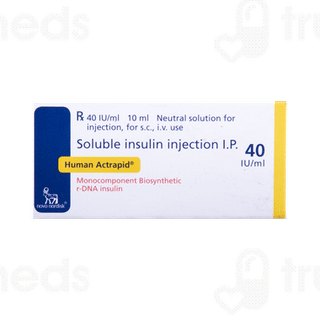

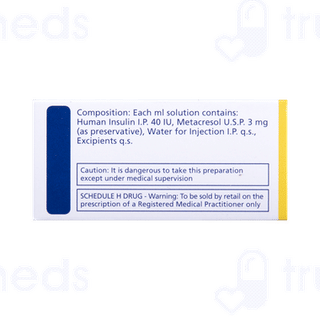


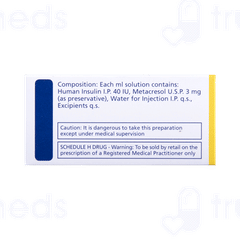

 Composition
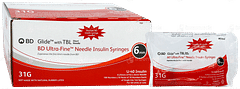
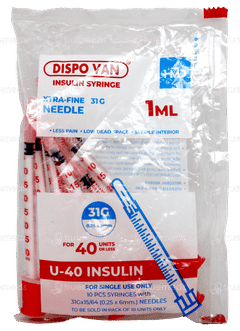
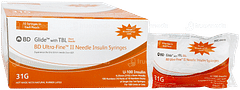
Human Actrapid 40 IU Injection contains soluble human insulin at a concentration of 40 international units per millilitre. It is a short-acting insulin used to control blood glucose in people with diabetes mellitus. Insulin promotes glucose uptake into muscle and fat cells and reduces glucose production by the liver. It is administered by injection according to an individualised treatment plan. The most important adverse effect is hypoglycaemia, which may cause sweating, trembling, hunger, confusion or loss of consciousness. Other effects include injection-site reactions and weight gain. Tell your doctor about kidney or liver disease and recurrent low blood sugar. Use only an insulin syringe calibrated for U-40 insulin.
Human Actrapid 40 IU Injection is used to manage blood glucose in people with type 1 or type 2 diabetes. It provides short-acting insulin coverage, particularly around meals. Patients with type 1 diabetes also generally require appropriate background insulin replacement. Human Actrapid may be combined with other insulin preparations according to medical advice. Maintaining blood glucose within individualised targets reduces the risk of diabetes-related complications. Regular monitoring is essential for safe treatment.
Use Human Actrapid 40 IU Injection exactly as instructed by your healthcare professional. It is usually injected under the skin before a meal, following the prescribed timing. A carbohydrate-containing meal or snack should follow within the recommended interval. Rotate injection sites within the same body region to reduce skin changes. Check the insulin concentration before every injection. Never use a U-100 syringe to measure U-40 insulin. Do not change the dose without medical advice.
Possible side effects of Human Actrapid 40 IU Injection include hypoglycaemia, injection-site redness, swelling and itching. Repeated injections into the same area may cause lipodystrophy or localised amyloid deposits. Some patients may experience weight gain or temporary fluid retention. Severe hypoglycaemia can cause seizures, unconsciousness or other life-threatening complications. Learn to recognise and manage low blood glucose according to your diabetes care plan. Seek emergency assistance for unconsciousness or inability to swallow safely.
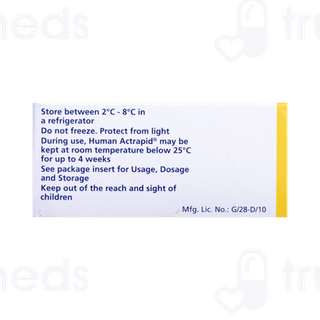
Before using Human Actrapid 40 IU Injection, tell your doctor about kidney disease, liver impairment or recurrent hypoglycaemia. Mention changes in eating habits, exercise, illness or other medicines affecting blood glucose. Beta-blockers may mask some warning signs of hypoglycaemia. Discuss pregnancy and breastfeeding because insulin requirements may change. Store unopened vials according to the manufacturer's instructions and never freeze insulin. Do not use insulin that appears cloudy or contains particles when it should be clear.