

- Medicines
- Personal Care
- Skin Cream
- Sunscreen
- Face Wash
- Skin and Body Soap
- Acne Care
- Body Lotions
- Moisturising Lotion
- Moisturising Cream
- Mosquito Repellent
- Moisturising Gel
- Body Wash
- Hair Oils
- Hair Shampoo
- Hair Conditioners
- Hair Supplements
- Hair Colour
- Hair Serum
- Hair Mask
- Hair Solutions
- Baby Diapers and Wipes
- Baby Lotion and Moisturising Cream
- Baby Bath Essentials
- Baby Skin Care
- Baby and Infant Food
- Baby Healthcare
- Women Multivitamins
- Ovulation Test Kit and Women Intimate Care
- Sanitary Pads
- Nutritional Drinks
- Condoms
- Lubricants
- Massage Gels
- Personal Body Massagers
- Men Performance Booster
- Sexual Health Supplements
- Massage Oils
- Ayurveda
- Tooth Paste
- Mouth Ulcer Gel
- Mouthwash
- Toothache and Gum Pain
- Tooth Brush
- Gargle Solution
- Orthopaedic Supports
- Adult Diapers
- Footwear
- Mobility and Support Accessories
- Urinary Support and Care
- Health Conditions
- Bone and Joint Care
- Digestive Care
- Eye Care
- Pain Relief
- Smoking Cessation
- Liver Care
- Stomach Care
- Cold and Cough
- Heart Care
- Kidney Care
- Piles, Fissures & Fistula
- Respiratory Care
- Mental Wellness
- Derma Care
- Pre and Probiotics
- Acidity
- Gas
- Constipation
- Loose Motion/Diarrhoea
- Digestive Fibres
- Digestive Enzymes
- Eye Lubricant Drops
- Lens Solution
- Safety Eye Wear
- Eye Cream
- Eye Vitamins and Supplements
- Eye Drops
- Eye Ointment and Gel
- Nicotine Patch
- Nicotine Gum
- Nicotine Lozenges
- Cough Syrups
- Chest Rubs and Balms
- Nasal Spray
- Lozenges
- Inhalant Capsules
- Cold and Cough Tablets
- Vitamins & Supplements
- Diabetes Care
- Healthcare Devices
- Homeopathic Medicine
- Health Guide
Inguinal Hernia
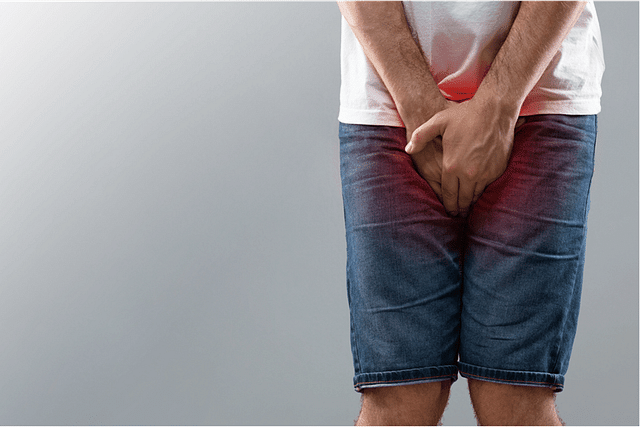
An inguinal hernia is a common condition that occurs when a portion of the intestine protrudes through a weak spot in the abdominal wall, causing a bulge in the groin area. It can affect people of all ages, but it is more prevalent in men. Symptoms may include a visible lump, pain, or discomfort in the groin, especially when coughing, straining, or lifting heavy objects.
 50
50Last updated on : 28 Apr, 2026
Read time : 12 mins
Overview of Disease
Inguinal hernias are a prevalent medical condition that affects millions of people worldwide (Shakil, 2020). They occur when a portion of the intestine or other abdominal tissue pushes through a weak area in the abdominal wall, particularly in the inguinal canal. This condition can cause discomfort, pain, and other symptoms that may impact an individual's quality of life. In this article, we will explore what an inguinal hernia is, the different types, and the symptoms associated with this condition.
What is Inguinal Hernia?
An inguinal hernia occurs when a portion of the intestine or other abdominal tissue pushes through a weak area in the lower abdominal wall, known as the inguinal canal. This canal is a natural passage located in the groin region. When the abdominal muscles are weakened, they may allow the tissue to bulge through, resulting in a hernia. Understanding the anatomy of the inguinal canal is key to recognising the development of an inguinal hernia.
Key Factors about Inguinal Hernia
| Category | Details |
| Also Referred to as | Groin hernia, inguinal canal hernia |
| Commonly Occurs In | Men, infants, older adults |
| Affected Organ | Small intestine, fat, female reproductive organs (e.g., ovary) |
| Type | Indirect, Direct |
| Common Signs | Bulge in the groin, pain or discomfort when straining, coughing, or lifting, swelling, and pain in the scrotum (in males) |
| Consulting Specialist | General surgeon, gastroenterologist |
| Treatment Procedures | Surgical repair (open or laparoscopic), watchful waiting (for asymptomatic cases) |
| Mimicking Condition | Femoral hernias, hydrocele, varicocele |
Types of Inguinal Hernia
There are two primary types of inguinal hernias:
- Indirect inguinal hernia: This type of hernia is often congenital, meaning the defect in the lower abdominal wall is present from birth. The inguinal canal has openings that normally close before birth, but in some cases, they remain open, allowing abdominal contents to protrude through. Indirect inguinal hernias may not become apparent until later in life.
- Direct inguinal hernia: Unlike indirect hernias, direct inguinal hernias develop later in life due to a weakening of the inguinal canal wall over time (Shakil, 2020). This type of hernia is more common in men and is often associated with factors such as increased abdominal pressure, straining during bowel movements, heavy lifting, and pregnancy.
Symptoms of Inguinal Hernia
The symptoms of an inguinal hernia can vary from person to person, but some common signs to look out for include:
- Bulge or lump: The most noticeable symptom of an inguinal hernia is a bulge or lump in the groin or scrotum (Shakil, 2020). This bulge may become more prominent when standing, coughing, or straining and may disappear when lying down.
- Pain or discomfort: Individuals may experience pain or discomfort at the site of the bulge, particularly during physical activity, lifting, or prolonged standing. The pain can be sharp or aching and may increase with movement.
- Pressure sensation: A feeling of pressure or heaviness in the groin may occur, especially after prolonged standing or exertion. This sensation can contribute to discomfort and may be accompanied by a vague ache.
- Swelling: Swelling around the bulge may be present, particularly if the hernia is associated with inflammation or if there is trapped tissue. This swelling can vary in size and may fluctuate throughout the day.
- Changes in symptoms with activity: Symptoms may worsen with specific activities such as lifting, bending, or exercising, and improve with rest. The bulge may also increase in size with activity and reduce when lying down.
- Nausea or vomiting: In some cases, if a portion of the intestine becomes trapped in the hernia, it can lead to nausea or vomiting. This can indicate a more serious condition requiring immediate medical attention.
- Bowel symptoms: If the hernia compresses the intestine, individuals may experience changes in bowel habits, such as constipation or difficulty passing gas.
- Pain radiating to the testicles: In males, pain from an inguinal hernia can sometimes radiate to the testicles, causing discomfort in the scrotum. This symptom may be more pronounced if the hernia is located on one side.
Causes of Inguinal Hernia
Inguinal hernias develop when tissue, often a part of the intestine, pushes through a weak area in the abdominal muscles. Several factors can contribute to the formation of an inguinal hernia:
- Increased abdominal pressure: When there is a pre-existing weak spot in the abdominal wall, heightened pressure within the abdomen can cause an inguinal hernia to develop.
- Congenital weakness: In some cases, particularly with indirect inguinal hernias, a weak spot in the abdominal wall may be present from birth due to improper closure of the inguinal canal.
- Straining: Excessive straining during bowel movements, urination, or strenuous physical activities can increase abdominal pressure, potentially leading to an inguinal hernia.
- Pregnancy: The abdominal muscles may weaken during pregnancy, and the increased pressure within the abdomen can contribute to the development of an inguinal hernia.
- Chronic coughing or sneezing: Repetitive coughing or sneezing can cause a gradual increase in abdominal pressure, which may result in an inguinal hernia over time.
Risk Factors
Several factors can increase an individual's susceptibility to developing an inguinal hernia, including:
- Gender (more common in men)
- Age (higher risk in older age)
- Family history
- Chronic constipation
- Chronic cough
- Premature birth and low birth weight
- Pregnancy
- Previous inguinal hernia or hernia repair
Recognising these risk factors can help individuals take proactive steps to minimise their chances of developing an inguinal hernia and seek timely medical attention if symptoms arise.
Complications
If left untreated, inguinal hernias can lead to various complications that include:
- Incarcerated hernia: This occurs when the hernia contents become trapped in the weak point of the abdominal wall, causing pain and potential obstruction of the intestines.
- Strangulated hernia: If an incarcerated hernia cuts off the blood supply to the trapped tissue, it can lead to a strangulated hernia. This is a medical emergency that requires immediate surgery to prevent tissue death and serious complications.
- Chronic pain: In some cases, inguinal hernias can cause persistent discomfort or pain in the groin area, affecting daily activities and quality of life.
- Enlarged hernia: Over time, an untreated inguinal hernia may grow larger, making it more difficult to repair and increasing the risk of complications.
Prevention of Inguinal Hernia
Preventing an inguinal hernia involves a combination of lifestyle changes and proper techniques. Here are some key preventive measures:
- Maintain a healthy weight: Being overweight increases pressure on the abdominal wall, weakening the muscles. Maintaining a healthy weight through a balanced diet and regular exercise is crucial.
- Exercise regularly: Core-strengthening exercises like planks, pelvic tilts, and lunges can help strengthen the abdominal and groin muscles. Avoid heavy lifting and use proper techniques.
- Prevent constipation: Constipation can strain the abdominal muscles. Eat high-fibre foods, stay hydrated, and manage stress to prevent constipation.
- Use proper lifting techniques: Bend from the knees, use leg muscles, and avoid straining the back when lifting heavy objects. Seek help or use mechanical aids if needed.
- Manage other health problems: Conditions like obesity, asthma, chronic obstructive pulmonary disease (COPD), acid reflux, and diabetes can increase hernia risk. Managing these conditions, especially controlling diabetes, is important.
- Quit smoking: Smoking can lead to chronic coughing, increased abdominal pressure, and contribute to hernia development.
- Be proactive about your risk: If you have a family history of hernias or are at high risk, consider discussing risk-reduction strategies with your doctor. Supportive garments may offer temporary relief, but do not prevent hernias.
Making these lifestyle changes can significantly reduce your risk of developing an inguinal hernia.
Diagnosis & Tests
Diagnosing an inguinal hernia typically involves a combination of medical history, physical examination, and diagnostic tests. Here are the primary methods used to diagnose this condition:
- Medical history: The doctor will start by taking a thorough medical history, including information about the patient’s symptoms, duration of the bulge, any pain or discomfort experienced, and any activities that may have contributed to the hernia. The doctor will also enquire about any previous hernias or surgeries.
- Physical examination: During the physical exam, the doctor will check for a noticeable bulge in the groin area, which may be more apparent when standing, coughing, or straining. In men, the doctor may also check for a swollen scrotum.
- Ultrasound: This non-invasive imaging test uses sound waves to create images of the internal structures. It can help visualise the hernia and assess its contents, particularly in cases where the diagnosis is uncertain.
- Computed tomography (CT) scan: This may be ordered if the ultrasound results are inconclusive. This imaging technique provides detailed cross-sectional images of the abdominal cavity and can help identify the hernia and any potential complications.
- Magnetic resonance imaging (MRI): MRI is less commonly used for diagnosing inguinal hernias but may be employed in specific situations, especially in patients with contraindications to other imaging methods.
- Laboratory tests: In some cases, laboratory tests may be ordered to rule out other conditions that could mimic inguinal hernia symptoms. Blood tests may be conducted to assess overall health and check for signs of infection or other underlying issues.
Treatment & Management
The treatment for an inguinal hernia primarily depends on the severity of symptoms, the size of the hernia, and the patient’s overall health. Here are the primary approaches to managing inguinal hernias:
- Medications: Medications may include pain relievers such as ibuprofen, acetaminophen, or naproxen for symptom relief. Muscle relaxants like cyclobenzaprine are rarely used and not routinely recommended for inguinal hernias. Antibiotics such as ceftriaxone or metronidazole are only indicated if infection is suspected or as prophylaxis before surgery. Local anaesthetics like lidocaine are used during surgical procedures.
- Lifestyle modifications: Patients are often advised to avoid activities that may exacerbate the hernia, such as heavy lifting or strenuous exercise. Weight management and strengthening core muscles may also help alleviate symptoms and reduce the risk of progression.
- Use of a hernia support belt: In some cases, a supportive garment or truss may be used to help hold the hernia in place and alleviate discomfort. However, this is typically a temporary measure and not a substitute for surgery.
- Open hernia repair: This traditional surgical method involves making an incision in the groin and reducing the hernia contents back into the abdomen. The weakened area is reinforced with synthetic mesh, which is now the standard of care due to lower recurrence rates (HerniaSurge Group, 2023).
- Laparoscopic hernia repair: This minimally invasive technique uses several small incisions in the abdomen. The surgeon inserts a thin, lighted scope (laparoscope) and special instruments to repair the hernia using a mesh to reinforce the abdominal wall.
Living with Disease
If you have been diagnosed with an inguinal hernia, there are several steps you can take to manage your condition and maintain a good quality of life. These include:
- Avoid activities that strain your abdominal muscles, such as heavy lifting or strenuous exercise, to prevent the hernia from worsening.
- Consider reducing your weight, quitting smoking, and adjusting your diet to improve bowel function and prevent straining during bowel movements.
- Your doctor may recommend wearing a supportive belt or truss to help hold the hernia in place while engaging in certain activities.
- Regular follow-up with your doctor is essential to monitor for any signs of complications or worsening symptoms.
- After surgery, adhere to the recommended recovery plan, which typically includes avoiding heavy lifting and straining for several weeks. Early resumption of physical activity is generally encouraged, especially after laparoscopic repair.
When to See a Doctor?
- If the inguinal hernia causes pain, severe or persistent symptoms, or if any serious complications develop, surgery is usually recommended.
- If the hernia becomes trapped (incarcerated) or its blood supply is cut off (strangulated), this is a medical emergency requiring immediate attention.
- Paediatricians generally recommend immediate treatment for children with inguinal hernias due to a higher risk of complications. Similarly, women with inguinal hernias are at higher risk and should seek medical advice promptly.
- If there are concerning signs or symptoms, preoperative imaging such as an ultrasound or CT scan may be necessary to assess the extent of the hernia and plan the surgical approach.
Key Takeaways
- Inguinal hernias occur when a portion of the intestine protrudes through a weak spot in the abdominal wall, often in the groin area.
- Risk factors for developing an inguinal hernia include being male, older age, family history, chronic coughing or straining, and pregnancy.
- Symptoms of an inguinal hernia may include a visible bulge in the groin area, pain or discomfort, and a feeling of heaviness or a dragging sensation.
- Treatment options for inguinal hernias include surgical repair, which is generally safe and effective, and watchful waiting in some cases.
- Patients can manage their condition by avoiding heavy lifting and straining, maintaining a healthy body weight, monitoring symptoms, making lifestyle changes, and using supportive devices when recommended.
- It is crucial to seek medical attention if the hernia is symptomatic, enlarging, or showing signs of incarceration or strangulation.
FAQs
What is the best treatment for an inguinal hernia?
How to cure an inguinal hernia without surgery?
Can I live a normal life with an inguinal hernia?
What is the main cause of an inguinal hernia?
What size inguinal hernia needs surgery?
What is the best hernia repair method?
Is an inguinal hernia a major surgery?
How can I reduce my inguinal hernia?
Is inguinal hernia surgery high risk?
References
- Nikkolo, C. (2025). Ten-year results of inguinal hernia open mesh repair. BMC Surgery, 25(1), 121. https://pmc.ncbi.nlm.nih.gov/articles/PMC12183091/
- Shakil, A. (2020). Inguinal hernias: Diagnosis and management. American Family Physician, 102(8), 487–494. https://www.aafp.org/pubs/afp/issues/2020/1015/p487.html
- HerniaSurge Group. (2023). Update of the international HerniaSurge guidelines for groin hernia management. BJS Open, 7(5), zrad080. https://academic.oup.com/bjsopen/article/7/5/zrad080/7325871
- European Hernia Society. (2025). Guidelines for inguinal hernia repair. https://europeanherniasociety.eu/category/guidelines/
- MedlinePlus. (n.d.). Inguinal hernia repair. https://medlineplus.gov/ency/article/007406.htm

Check Related Salts
Browse Other Conditions
Latest health articles
Top Health Essentials
















Disclaimer
Top-Selling Medicines:
...View more
Top-OTC medicines:
...View more
Company
About UsHealth ArticleHealth StoriesHealth LibraryDiseases & Health ConditionsAyurvedaUnderstanding Generic MedicinesAll MedicinesAll BrandsNeed HelpFAQSecuritySavings CalculatorAdvertise with UsSubscribe
Registered Office Address
Grievance Officer
Download Truemeds


Contact Us
Our customer representative team is available 7 days a week from 9 am - 9 pm.
v4.28.14

2026 - Truemeds | All rights reserved. Our content is for informational purposes only. See additional information.

Our Payment Partners