

- Medicines
- Personal Care
- Skin Cream
- Sunscreen
- Face Wash
- Skin and Body Soap
- Acne Care
- Body Lotions
- Moisturising Lotion
- Moisturising Cream
- Mosquito Repellent
- Moisturising Gel
- Body Wash
- Hair Oils
- Hair Shampoo
- Hair Conditioners
- Hair Supplements
- Hair Colour
- Hair Serum
- Hair Mask
- Hair Solutions
- Baby Diapers and Wipes
- Baby Lotion and Moisturising Cream
- Baby Bath Essentials
- Baby Skin Care
- Baby and Infant Food
- Baby Healthcare
- Women Multivitamins
- Ovulation Test Kit and Women Intimate Care
- Sanitary Pads
- Nutritional Drinks
- Condoms
- Lubricants
- Massage Gels
- Personal Body Massagers
- Men Performance Booster
- Sexual Health Supplements
- Massage Oils
- Ayurveda
- Tooth Paste
- Mouth Ulcer Gel
- Mouthwash
- Toothache and Gum Pain
- Tooth Brush
- Gargle Solution
- Orthopaedic Supports
- Adult Diapers
- Footwear
- Mobility and Support Accessories
- Urinary Support and Care
- Health Conditions
- Bone and Joint Care
- Digestive Care
- Eye Care
- Pain Relief
- Smoking Cessation
- Liver Care
- Stomach Care
- Cold and Cough
- Heart Care
- Kidney Care
- Piles, Fissures & Fistula
- Respiratory Care
- Mental Wellness
- Derma Care
- Pre and Probiotics
- Acidity
- Gas
- Constipation
- Loose Motion/Diarrhoea
- Digestive Fibres
- Digestive Enzymes
- Eye Lubricant Drops
- Lens Solution
- Safety Eye Wear
- Eye Cream
- Eye Vitamins and Supplements
- Eye Drops
- Eye Ointment and Gel
- Nicotine Patch
- Nicotine Gum
- Nicotine Lozenges
- Cough Syrups
- Chest Rubs and Balms
- Nasal Spray
- Lozenges
- Inhalant Capsules
- Cold and Cough Tablets
- Vitamins & Supplements
- Diabetes Care
- Healthcare Devices
- Homeopathic Medicine
- Health Guide
Chronic Obstructive Pulmonary Disease
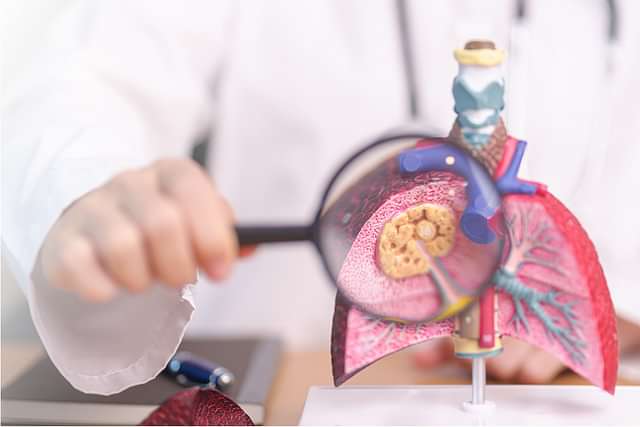
Chronic Obstructive Pulmonary Disease (COPD) is a progressive lung condition that causes breathing difficulties due to chronic inflammation and damage to the airways. Common symptoms include shortness of breath, persistent cough, wheezing, chest tightness, fatigue, and frequent lung infections. While COPD has no cure, it is treatable and manageable. The treatments can help manage symptoms and slow disease progression.
 50
50Last updated on : 04 May, 2026
Read time : 16 mins
Overview of Disease
Chronic Obstructive Pulmonary Disease (COPD) is a significant health concern characterised by progressive airflow limitation, primarily affecting older adults, particularly those with a history of smoking. According to the World Health Organization, COPD is the leading cause of death worldwide, causing nearly 5% of global deaths (WHO, 2024).
Understanding the causes, symptoms, and treatment options for COPD is crucial for effective management and improving patient outcomes. This article aims to provide an overview of COPD, highlighting its prevalence, risk factors, and the importance of early diagnosis and intervention.
What is COPD (Chronic Obstructive Pulmonary Disease)?
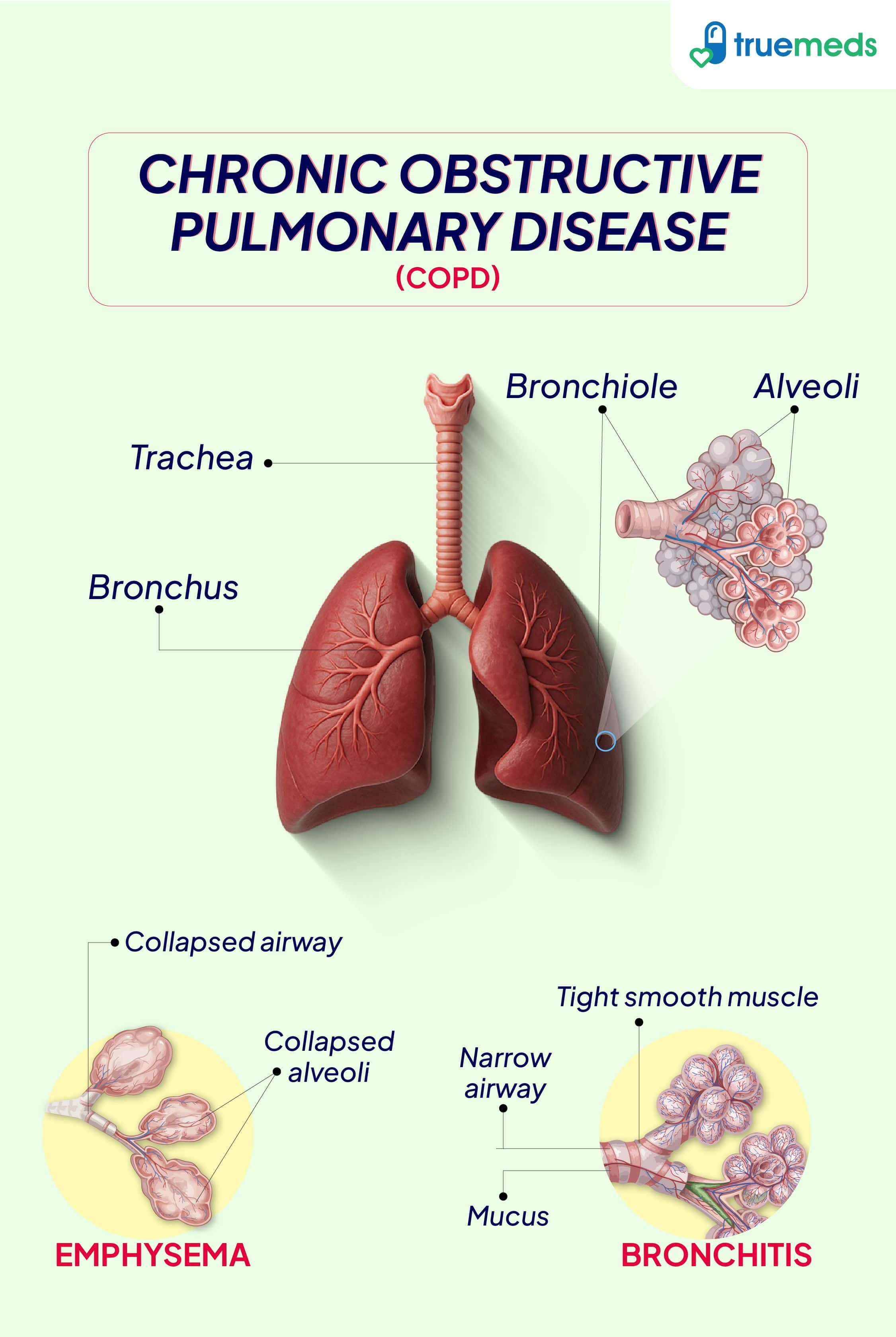
COPD is a progressive lung disease characterised by chronic inflammation and damage to the lungs, leading to restricted airflow and breathing difficulties. It is a common condition that affects middle-aged or older adults, particularly those who smoke or have a history of smoking.
COPD includes two main conditions: emphysema, which damages the air sacs in the lungs, and chronic bronchitis, which causes inflammation and narrowing of the airways (What Is COPD? | NHLBI, NIH, 2024). The damage to the lungs caused by COPD is permanent, but treatment can help slow down the condition's progression and improve symptoms.
Key Factors about Chronic Obstructive Pulmonary Disease
| Category | Details |
| Also Referred to as |
|
| Commonly Occurs In |
|
| Affected Organ |
|
| Common Signs |
|
| Consulting Specialist |
|
| Treatment Procedures |
|
| Managed By |
|
| Mimicking Condition |
|
Symptoms of Chronic Obstructive Pulmonary Disease
The symptoms of COPD can vary in severity and may worsen over time if left untreated. Common symptoms of COPD include:
- Breathing difficulties: Shortness of breath, particularly during physical activities
- Coughing: A persistent cough with phlegm, which may be clear, white, yellow, or greenish
- Wheezing: A high-pitched whistling sound when breathing out
- Chest tightness: Feeling of tightness or heaviness in the chest
- Fatigue: Feeling tired or lacking energy
- Frequent lung infections: Recurring lung infections, such as pneumonia or bronchitis
- Weight loss: Unintentional weight loss may occur in advanced disease due to increased energy expenditure, reduced appetite, or severe breathlessness.
Stages of Chronic Obstructive Pulmonary Disease
COPD is a progressive lung condition that can be categorised into four distinct stages based on severity (American Lung Association, n.d.-b):
- Stage 1 (mild COPD): In this stage, symptoms are mild and may go unnoticed except during physical exertion. These can include mild shortness of breath and a persistent dry cough. FEV1, a measure of lung function, is 80% or higher.
- Stage 2 (moderate COPD): Shortness of breath becomes more noticeable, accompanied by a chronic cough and increased phlegm production. Flare-ups can cause changes in phlegm colour. FEV1 ranges between 50% and 79%.
- Stage 3 (severe COPD): Symptoms worsen, especially in the mornings, with more frequent exacerbations. Some individuals may experience swelling in the ankles, feet, and legs. FEV1 falls between 30% and 49%.
- Stage 4 (very severe COPD): Breathing becomes increasingly difficult, and the heartbeat may become rapid or irregular. A crackling sound may be heard in the chest when breathing. Complications such as delirium, weight loss, or pulmonary hypertension can occur. FEV1 is less than 30%.
Causes of Chronic Obstructive Pulmonary Disease
COPD is primarily caused by prolonged exposure to lung irritants that damage the airways and lung tissues. While smoking is the leading cause, several other factors can contribute to the development of this chronic lung condition.
Primary causes:
- Smoking: Cigarette smoking is responsible for approximately 75% of COPD cases, making it the most significant risk factor (American Lung Association, n.d.-d).
- Secondhand smoke: Exposure to smoke from others' cigarettes can also contribute to the development of COPD.
- Air pollution: Long-term exposure to pollutants such as dust, chemicals, and fumes can damage the lungs and increase the risk of COPD.
Other causes:
- Genetics: Some individuals may have a genetic predisposition that makes them more susceptible to developing COPD.
- Respiratory infections: Frequent respiratory infections, particularly during childhood, can increase the likelihood of developing COPD later in life.
- Occupational exposures: Certain occupations that involve exposure to harmful substances, such as coal dust or chemical fumes, can contribute to the development of COPD.
Risk Factors
Several risk factors contribute to the development of COPD, with smoking being the most significant. Understanding these risk factors can help in the prevention and early detection of the disease.
1. Smoking
- Cigarette smoking: The risk increases with the number of cigarettes smoked and the duration of smoking.
- Secondhand smoke: Exposure to secondhand smoke, also known as passive smoking, can also increase the risk of developing COPD.
- Other Forms of Tobacco: Pipe smoking, cigar smoking, and waterpipe (hookah) smoking can also contribute to the development of COPD.
2. Environmental factors
- Air pollution: Long-term exposure to air pollutants, such as particulate matter, sulfur dioxide, and nitrogen oxides, can increase the risk of COPD, especially in urban areas.
- Occupational exposures: Certain occupations, such as coal mining, gold mining, and cotton textile manufacturing, involve exposure to dust, fumes, and chemicals that can lead to COPD.
- Indoor air pollution: Exposure to indoor air pollutants, such as biomass fuels used for cooking and heating in poorly ventilated homes, is a significant risk factor for COPD in developing countries.
3. Genetic factors
- Alpha-1 antitrypsin deficiency: This inherited disorder, caused by a deficiency of the protein alpha-1 antitrypsin, can lead to early-onset COPD, especially in individuals who smoke.
- Family history: Having a family history of COPD may increase an individual's risk of developing the disease, suggesting a potential genetic predisposition.
4. Other factors
- Age: The risk of COPD increases with age, with most diagnoses occurring in people over 40 years old.
- Respiratory infections: Childhood respiratory infections and frequent lower respiratory tract infections in adulthood may increase the risk of COPD.
- Socioeconomic status: Lower socioeconomic status is associated with a higher risk of COPD, possibly due to increased exposure to risk factors and limited access to healthcare.
Complications
COPD is a progressive disease that can lead to numerous complications, affecting various aspects of a patient's health and well-being. These complications can range from respiratory issues to systemic effects, significantly impacting the quality of life.
1. Respiratory Complications
- Frequent exacerbations: Patients with COPD may experience frequent acute worsening of their respiratory symptoms, known as exacerbations. These episodes can be triggered by infections, air pollution, or other factors and can lead to hospitalisation and accelerated lung function decline.
- Respiratory failure: Advanced COPD can impair gas exchange, causing low oxygen levels or raised carbon dioxide levels. This can result in low blood oxygen levels (hypoxemia) and high blood carbon dioxide levels (hypercapnia), which can be life-threatening.
- Pneumonia: COPD patients are at an increased risk of developing pneumonia, a serious lung infection that can cause further damage to the already compromised lungs and lead to hospitalisation.
2. Cardiovascular Complications
- Pulmonary hypertension: COPD can cause increased pressure in the blood vessels of the lungs, leading to pulmonary hypertension. This condition puts additional strain on the heart and can result in right-sided heart failure (cor pulmonale).
- Coronary artery disease: Patients with COPD have a higher risk of developing coronary artery disease, which can lead to angina, heart attacks, and heart failure.
- Arrhythmias: The stress on the heart caused by COPD can also lead to abnormal heart rhythms (arrhythmias), which can be potentially life-threatening.
3. Systemic Complications
- Osteoporosis: COPD patients, especially those on long-term corticosteroid therapy, are at an increased risk of developing osteoporosis, a condition characterised by weak and brittle bones that are more susceptible to fractures.
- Muscle wasting: The systemic inflammation associated with COPD can lead to muscle wasting and weakness, affecting the patient's ability to perform daily activities and exercise.
- Anxiety and depression: Living with a chronic disease like COPD can take a toll on mental health, leading to anxiety and depression. These emotional complications can further impact the patient's quality of life and adherence to treatment plans.
4. Other Complications
- Sleep disturbances: COPD can cause sleep disturbances, such as nocturnal hypoxemia and sleep apnea, leading to daytime fatigue and decreased quality of life.
- Malnutrition: The increased energy expenditure associated with laboured breathing and the loss of appetite due to dyspnea can lead to malnutrition in COPD patients, further compromising their health.
Prevention of Chronic Obstructive Pulmonary Disease
Preventing COPD involves a combination of lifestyle changes and avoiding exposure to harmful substances. Here are some key strategies for reducing your risk of developing this chronic lung condition:
1. Stop smoking
- Cigarette smoking is the leading cause of COPD. Quitting smoking, or never starting, is the most effective way to prevent the disease.
- Seek support from smoking cessation programs, nicotine replacement therapy, or prescription medications to help you quit.
2. Avoid secondhand smoke
- Exposure to secondhand smoke can also increase the risk of developing COPD. Avoid environments where people are smoking.
- Encourage family members and friends to quit smoking or refrain from smoking in your presence.
3. Avoid other pollutants
- Inhaling other pollutants, such as dust, chemicals, and air pollution, can also increase the risk of COPD. Ensure good ventilation in workplaces and homes, especially when using biomass fuels or cooking without proper ventilation.
- Use protective equipment such as masks or respirators when working with harmful substances.
4. Stay physically active
- Regular physical activity can help maintain lung health and reduce the risk of COPD. Engage in moderate-to-high physical activity levels to reduce lung function decline and exacerbations.
- Remain as physically active as possible within tolerance. Supervised pulmonary rehabilitation is especially beneficial.
5. Eat a healthy diet
- A balanced diet of fruits, vegetables, and whole grains can support overall health and lung function.
- Avoid processed foods, excessive salt, and saturated fats, which can contribute to inflammation and worsen COPD symptoms.
6. Avoid occupational hazards
- Long-term exposure to chemical fumes, smoke, vapours, and dust in the workplace can increase the risk of COPD. Use protective equipment and ensure good ventilation in workplaces.
- If your job involves exposure to harmful substances, talk to your employer about ways to minimise your risk.
Diagnosis & Tests
Diagnosing COPD involves a comprehensive approach that includes clinical evaluation, patient history, and specific tests to assess lung function. Here are some key aspects of the diagnostic process:
- Spirometry: This is the primary test used to diagnose COPD. It measures the amount and speed of air that can be inhaled and exhaled, helping to determine the severity of airflow obstruction. A post-bronchodilator FEV1/FVC ratio of less than 0.7 indicates COPD.
- Medical history: A thorough review of the patient's medical history, including smoking habits, exposure to lung irritants, and family history of COPD, is essential for accurate diagnosis.
- Physical examination: A doctor will listen to the patient's lungs for abnormal sounds, such as wheezing or crackling, and check for signs of respiratory distress.
- Imaging tests: Chest X-rays and CT scans can help rule out other lung conditions and visually assess the lungs' structure.
- Arterial blood gas analysis: This test measures oxygen and carbon dioxide levels in the blood, which can be affected by COPD.
- Alpha-1 antitrypsin deficiency screening: In some cases, genetic testing may be performed to check for a deficiency in this protein, which can increase the risk of developing COPD.
Treatment & Management
Managing Chronic Obstructive Pulmonary Disease (COPD) requires a comprehensive and individualised approach, aimed at reducing symptoms, improving lung function, preventing disease progression and exacerbations, and enhancing overall quality of life. Treatment strategies include pharmacological therapies, non-pharmacological interventions, and lifestyle modifications.
1. Pharmacological Treatments
a. Bronchodilators
These are the first-line medications for managing COPD. They work by relaxing the airway muscles, improving airflow, and reducing symptoms like shortness of breath.
- Short-Acting Beta-2 Agonists (SABAs):
- Salbutamol: Quickly relax airway muscles and provide rapid relief from acute breathlessness.
- Short-Acting Muscarinic Antagonists (SAMAs):
- Ipratropium bromide: Blocks muscarinic receptors in the airways, reducing bronchoconstriction and improving airflow.
- Long-Acting Beta-2 Agonists (LABAs):
- Salmeterol, Formoterol, Indacaterol, Olodaterol, Vilanterol (used only in combination): Provide prolonged bronchodilation by stimulating beta-2 receptors, improving daily symptoms and exercise capacity.
- Long-Acting Muscarinic Antagonists (LAMAs):
- Tiotropium, Glycopyrronium, Aclidinium, Umeclidinium: Sustain bronchodilation by inhibiting M3 receptors, helping to prevent symptoms and reduce exacerbations.
- Combination Inhalers (LABA + LAMA):
- Indacaterol + Glycopyrronium, Olodaterol + Tiotropium, Vilanterol + Umeclidinium: Combine dual bronchodilation for improved lung function and symptom control.
b. Inhaled Corticosteroids (ICS)
ICS reduce inflammation in the airways and are typically used in combination with LABAs, especially for patients with frequent exacerbations and elevated eosinophil counts.
- Common ICS medications:
- Fluticasone propionate, Budesonide, Beclomethasone, Mometasone: Reduce chronic airway inflammation, particularly beneficial in patients with high eosinophil counts or frequent exacerbations.
- ICS + LABA combinations:
- Fluticasone + Salmeterol, Budesonide + Formoterol, Mometasone + Formoterol, Fluticasone furoate + Vilanterol: Provide both anti-inflammatory and bronchodilatory effects to reduce symptoms and prevent flare-ups.
- Triple therapy (ICS + LABA + LAMA):
- Fluticasone furoate + Umeclidinium + Vilanterol, Budesonide + Glycopyrronium + Formoterol: Offers comprehensive treatment for moderate-to-severe COPD by combining anti-inflammatory action with dual bronchodilation.
c. Phosphodiesterase-4 (PDE4) Inhibitors
Used in patients with severe COPD with chronic bronchitis and a history of exacerbations.
- Roflumilast: Reduces lung inflammation and the frequency of exacerbations in patients with severe COPD and chronic bronchitis.
d. Methylxanthines
Rarely used due to narrow therapeutic window and side effects.
- Theophylline: Acts as a mild bronchodilator and anti-inflammatory agent but requires close monitoring due to its narrow therapeutic range.
e. Mucolytics and Antioxidants
It may help reduce sputum viscosity and improve clearance in chronic bronchitis patients.
- N-acetylcysteine (NAC), Carbocisteine, Erdosteine, Ambroxol: Help break down thick mucus, improve airway clearance, and may reduce oxidative stress in chronic bronchitis.
f. Antibiotics (in acute exacerbations or frequent infections)
- Azithromycin (also used for long-term prophylaxis in select patients): Reduces airway inflammation and is also used for long-term prophylaxis in selected patients.
- Doxycycline, Amoxicillin + clavulanate, Levofloxacin / Moxifloxacin (for resistant cases or severe infections): Treat bacterial infections during acute exacerbations or when resistant pathogens are suspected.
2. Non-Pharmacological Treatments
a. Oxygen Therapy
- Long-term oxygen therapy (LTOT) is recommended for patients with chronic hypoxemia.
- May also be used intermittently during exacerbations or sleep.
b. Pulmonary Rehabilitation
- A structured program involving physical training, nutritional counselling, and psychosocial support improves exercise tolerance and quality of life.
c. Surgical & Interventional Procedures
- Lung Volume Reduction Surgery (LVRS): This procedure removes diseased lung tissue to improve lung efficiency.
- Endoscopic Lung Volume Reduction (ELVR): Placement of endobronchial valves.
- Bullectomy: Removal of large bullae.
- Lung Transplantation: Considered for advanced COPD in selected patients.
3. Lifestyle and Preventive Measures
a. Smoking Cessation
- Most critical step in slowing disease progression.
- Pharmacotherapies include:
- Nicotine replacement therapy (NRT): Provides controlled nicotine to reduce withdrawal symptoms and cravings.
- Varenicline: Reduces nicotine cravings by partially stimulating and blocking nicotine receptors in the brain.
- Bupropion: An antidepressant that also reduces nicotine withdrawal and supports smoking cessation efforts.
b. Vaccinations
- Annual influenza vaccine
- Pneumococcal vaccines (PCV20, PPSV23)
- COVID-19 vaccine (as per national guidelines)
c. Environmental Modifications
- Avoid indoor air pollution (e.g., biomass fuel exposure).
- Limit exposure to outdoor pollutants and occupational dust or chemicals.
d. Nutritional Support
- Maintain a balanced diet, particularly in underweight or overweight patients.
Living with Disease
If you have been diagnosed with COPD, managing the disease effectively involves a combination of lifestyle changes and regular medical care. Here are some tips for living well with COPD:
1. Quit smoking
- If you smoke, quitting is crucial to slow the progression of COPD. Consult your doctor about smoking cessation programs.
- Nicotine replacement therapy, prescription medications, and support groups can help you quit successfully.
2. Pulmonary rehabilitation
- Participate in pulmonary rehabilitation programs that teach you how to manage your COPD symptoms, breathe better, conserve energy, and choose appropriate foods and physical activities.
- These programs often include exercise training, nutrition counselling, and education on managing COPD.
3. Stay physically active
- Maintain a regular exercise routine to improve lung function and overall health. Physical activity can help reduce exacerbations and improve quality of life.
- Start slowly and gradually increase the duration and intensity of your workouts under the guidance of your doctor.
4. Vaccinations
- Get annual flu vaccinations, pneumococcal pneumonia vaccinations, and COVID-19 vaccines to prevent respiratory infections that can worsen COPD.
- These vaccines can help reduce the risk of hospitalisations and severe COPD-related illnesses.
5. Medication adherence
- Follow your doctor's advice on medications, including bronchodilators, inhaled steroids, and antibiotics for respiratory infections.
- Use your medications as prescribed, and do not stop taking them without consulting your doctor.
6. Regular medical check-ups
- Schedule regular check-ups with your doctor to monitor your COPD and adjust your treatment plan.
- Report any changes in your symptoms or overall health to your doctor promptly.
When to See a Doctor?
If you have COPD, it is essential to be aware of the signs and symptoms that may indicate a worsening of your condition or the need for prompt medical attention. Contact your doctor or seek emergency care if you experience:
- Severe shortness of breath or difficulty breathing that does not improve with rest or medication use
- Chest pain or tightness
- Fever, chills, or increased mucus production may indicate a respiratory infection
- Sudden swelling in your feet, ankles, or legs
- Confusion, dizziness, or lightheadedness
- Rapid heartbeat or palpitations
- Bluish discolouration of your lips or fingernails (cyanosis)
Key Takeaways
- COPD is a chronic lung condition characterised by persistent respiratory symptoms and airflow limitation, primarily caused by exposure to harmful particles or gases, such as cigarette smoke.
- Common symptoms of COPD include chronic cough, shortness of breath, wheezing, and chest tightness.
- COPD is diagnosed through a combination of medical history, physical examination, and lung function tests, such as spirometry.
- Treatment for COPD focuses on relieving symptoms, improving quality of life, and preventing complications. This may include smoking cessation, bronchodilators, inhaled corticosteroids, pulmonary rehabilitation, and oxygen therapy.
- Preventing COPD involves avoiding exposure to harmful substances, such as cigarette smoke and air pollutants, maintaining a healthy lifestyle, and getting regular check-ups.
- Living well with COPD requires a combination of lifestyle changes, such as quitting smoking, staying physically active, and adhering to prescribed medications, as well as regular medical care and monitoring.
- Seek prompt medical attention if you experience severe or worsening COPD symptoms, signs of respiratory infection, or other concerning symptoms.
FAQs
What are the potential life-threatening risks associated with COPD?
How does chronic obstructive pulmonary disease impact daily life?
Is it possible to fully recover from COPD?
What are the primary causes of COPD?
Is there a cure for COPD?
What factors influence the life expectancy of patients with COPD?
Who is most at risk of developing chronic obstructive pulmonary disease?
References
- NHS. (2019, October 20). Chronic obstructive pulmonary disease (COPD). https://www.nhs.uk/conditions/chronic-obstructive-pulmonary-disease-copd/
- Devine J. F. (2008). Chronic obstructive pulmonary disease: An overview. American Health & Drug Benefits, 1(7), 34–42. https://www.ncbi.nlm.nih.gov/pmc/articles/PMC4106574/
- World Health Organization: WHO & World Health Organization: WHO. (2023, March 16). Chronic obstructive pulmonary disease (COPD). https://www.who.int/news-room/fact-sheets/detail/chronic-obstructive-pulmonary-disease-(copd)
- Safiri, S., Carson-Chahhoud, K., Noori, M., Nejadghaderi, S. A., Sullman, M. J. M., Heris, J. A., Ansarin, K., Mansournia, M. A., Collins, G. S., Kolahi, A., & Kaufman, J. S. (2022). Burden of chronic obstructive pulmonary disease and its attributable risk factors in 204 countries and territories, 1990-2019: Results from the Global Burden of Disease Study 2019. BMJ, e069679. https://doi.org/10.1136/bmj-2021-069679
- Chronic obstructive pulmonary disease (COPD). (2024, November 6). World Health Organization (WHO). https://www.who.int/news-room/fact-sheets/detail/chronic-obstructive-pulmonary-disease-(copd)
- What is COPD? | NHLBI, NIH. (2024, November 8). NHLBI, NIH. https://www.nhlbi.nih.gov/health/copd
- American Lung Association. (n.d.-b). Understanding COPD stages. https://www.lung.org/lung-health-diseases/lung-disease-lookup/copd/symptoms-diagnosis/diagnosing/stages
Latest health articles

Top Health Essentials





















Disclaimer
Top-Selling Medicines:
...View more
Top-OTC medicines:
...View more
Company
About UsHealth ArticleHealth StoriesHealth LibraryDiseases & Health ConditionsAyurvedaUnderstanding Generic MedicinesAll MedicinesAll BrandsNeed HelpFAQSecuritySavings CalculatorAdvertise with UsSubscribe
Registered Office Address
Grievance Officer
Download Truemeds


Contact Us
Our customer representative team is available 7 days a week from 9 am - 9 pm.
v4.28.19

2026 - Truemeds | All rights reserved. Our content is for informational purposes only. See additional information.

Our Payment Partners




