

- Medicines
- Personal Care
- Skin Cream
- Sunscreen
- Face Wash
- Skin and Body Soap
- Acne Care
- Body Lotions
- Moisturising Lotion
- Moisturising Cream
- Mosquito Repellent
- Moisturising Gel
- Body Wash
- Hair Oils
- Hair Shampoo
- Hair Conditioners
- Hair Supplements
- Hair Colour
- Hair Serum
- Hair Mask
- Hair Solutions
- Baby Diapers and Wipes
- Baby Lotion and Moisturising Cream
- Baby Bath Essentials
- Baby Skin Care
- Baby and Infant Food
- Baby Healthcare
- Women Multivitamins
- Ovulation Test Kit and Women Intimate Care
- Sanitary Pads
- Nutritional Drinks
- Condoms
- Lubricants
- Massage Gels
- Personal Body Massagers
- Men Performance Booster
- Sexual Health Supplements
- Massage Oils
- Ayurveda
- Tooth Paste
- Mouth Ulcer Gel
- Mouthwash
- Toothache and Gum Pain
- Tooth Brush
- Gargle Solution
- Orthopaedic Supports
- Adult Diapers
- Footwear
- Mobility and Support Accessories
- Urinary Support and Care
- Health Conditions
- Bone and Joint Care
- Digestive Care
- Eye Care
- Pain Relief
- Smoking Cessation
- Liver Care
- Stomach Care
- Cold and Cough
- Heart Care
- Kidney Care
- Piles, Fissures & Fistula
- Respiratory Care
- Mental Wellness
- Derma Care
- Pre and Probiotics
- Acidity
- Gas
- Constipation
- Loose Motion/Diarrhoea
- Digestive Fibres
- Digestive Enzymes
- Eye Lubricant Drops
- Lens Solution
- Safety Eye Wear
- Eye Cream
- Eye Vitamins and Supplements
- Eye Drops
- Eye Ointment and Gel
- Nicotine Patch
- Nicotine Gum
- Nicotine Lozenges
- Cough Syrups
- Chest Rubs and Balms
- Nasal Spray
- Lozenges
- Inhalant Capsules
- Cold and Cough Tablets
- Vitamins & Supplements
- Diabetes Care
- Healthcare Devices
- Homeopathic Medicine
- Health Guide
Osteoporosis
Osteoporosis is a skeletal disorder characterised by low bone mass and deterioration of bone tissue, leading to increased bone fragility and risk of fractures. It is a progressive condition that can be assessed using bone mineral density (BMD) measurements based on WHO T-score criteria, rather than ‘stages.’Various types of osteoporosis exist, including primary osteoporosis and secondary osteoporosis. Osteogenesis imperfecta and idiopathic juvenile osteoporosis are distinct conditions that can cause low bone density and should not be classified as types of osteoporosis. Early diagnosis and appropriate management are crucial to prevent fractures and maintain quality of life.
 50
50Last updated on : 30 Apr, 2026
Read time : 13 mins
Overview of Disease
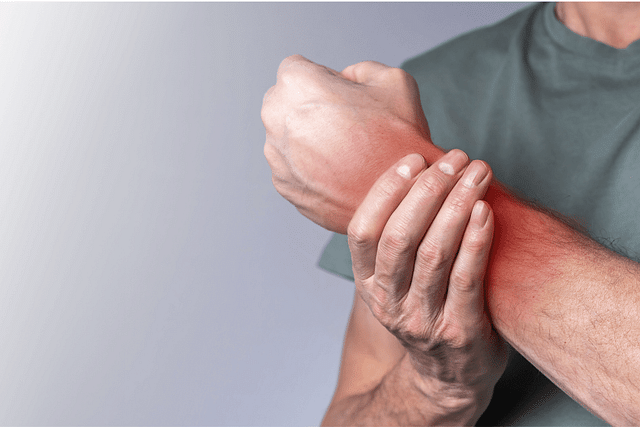
Osteoporosis is a prevalent bone disorder that affects millions of people worldwide, particularly older adults and postmenopausal women. It is often a silent disease, progressing without noticeable symptoms until a fragility fracture occurs, often leading to significant pain, disability, and reduced quality of life. In this article, we will delve into the details of osteoporosis, its stages, and the different types of this condition.
What is Osteoporosis?
Osteoporosis is a systemic skeletal disease characterised by low bone mineral density and microarchitectural deterioration of bone tissue. This leads to increased bone fragility and susceptibility to fractures, even with minimal trauma (Kanis et al., 2020). In osteoporosis, the bones become porous and weak due to reduced bone mineral density and deterioration of trabecular architecture. The condition is often referred to as a "silent disease" because bone loss occurs gradually without noticeable symptoms until a fracture happens. Understanding the stages and types of osteoporosis is essential for early detection and appropriate management.
Key Factors about Osteoporosis
| Category | Details |
| Also Referred to as | Brittle bones, Fragile bones, Porous bones |
| Commonly Occurs In | Postmenopausal women, Elderly individuals, People with low bone mass |
| Affected Organ | Bones (spine, hip, wrist) |
| Type | Primary osteoporosis, Secondary osteoporosis (Senile and Postmenopausal are subcategories of Primary). Juvenile osteoporosis is rare but not a standard subtype, and idiopathic juvenile osteoporosis is a separate condition. |
| Common Signs | Fractures, Height loss, Kyphosis, Back pain |
| Consulting Specialist | Orthopaedist, Endocrinologist, Rheumatologist |
| Treatment Procedures | Medications to Strengthen Bones, Hormone Replacement Therapy, Vitamin D |
| Managed By | Orthopaedists, Endocrinologists, Rheumatologists |
| Mimicking Condition | Osteomalacia, osteogenesis imperfecta (genetic disorder), multiple myeloma, osteopenia, hyperparathyroidism, metastatic bone disease |
Types of Osteoporosis
Osteoporosis is classified into different types based on the underlying causes and the age at which it occurs. The main types of osteoporosis are:
- Primary osteoporosis: Primary osteoporosis is the most common type and is typically age-related. It occurs when the body naturally loses bone mass with ageing, particularly after menopause in women and later in life for men (Pepe et al., 2020). Hormonal changes, such as decreased oestrogen levels in women and lower testosterone levels in men, contribute to primary osteoporosis.
- Secondary osteoporosis: Secondary osteoporosis is caused by underlying medical conditions or medications that affect bone density. Some common causes include hormonal disorders (e.g., hyperthyroidism, hyperparathyroidism), inflammatory conditions (e.g., rheumatoid arthritis), malabsorption disorders (e.g., celiac disease), and long-term use of certain medications (e.g., glucocorticoids, antiepileptic medicines).
- Osteogenesis imperfecta: Osteogenesis imperfecta is not a type of osteoporosis but a separate inherited disorder of collagen formation causing bone fragility. This leads to fragile bones that are prone to fractures, even with minimal impact.
- Idiopathic juvenile osteoporosis: Idiopathic juvenile osteoporosis is not classified as osteoporosis, but a rare childhood bone fragility disorder that typically improves after puberty. It is characterised by a sudden onset of bone loss and weakness, often leading to fractures and pain. The exact cause of this type of osteoporosis is unknown, and it usually resolves spontaneously after puberty.
Early Signs of Disease
While osteoporosis often develops without any obvious symptoms, several early signs may indicate the onset of this condition, including:
- Weakened grip strength, particularly in postmenopausal women
- Recurring back pain or aches
- Gradual loss of height
- Rounded shoulders or stooped posture
Recognising these early signs of osteoporosis can help in the timely diagnosis and treatment of the condition, which can prevent further bone loss and reduce the risk of fractures.
Symptoms of Osteoporosis
As Osteoporosis progresses, you may experience more noticeable symptoms. These can include:
- Loss of height: Compression fractures in the spine can cause a loss of height over time, as the vertebrae become compressed and lose their normal shape.
- Fractures from falls: Fragile bones are more prone to fractures, even with minor falls or impacts. Fractures are most common in the hip, wrist, and spine.
- Back or neck pain: Compression fractures in the spine can cause severe back pain and may pinch nerves, leading to debilitating pain in the back or neck.
- Stooped posture: As the vertebrae in the spine become compressed, it can cause a slight curving of the upper back, known as kyphosis, resulting in a stooped posture.
It's important to note that these symptoms may not appear until the disease has progressed significantly. This is why regular bone density screenings are recommended for people at high risk of osteoporosis.
Stages of Osteoporosis
The progression of low bone density is assessed using the World Health Organization (WHO) T-score criteria rather than ‘stages.’ These categories are:
- Normal bone density: T-score ≥ –1
- Osteopenia (low bone mass): T-score between -1 and -2.5
- Osteoporosis: T-score ≤ –2.5
- Severe (established) osteoporosis: T-score ≤ –2.5 with one or more fragility fractures
These categories help determine fracture risk and guide treatment decisions (Kanis et al., 2020).
Causes of Osteoporosis
Osteoporosis is caused by a combination of factors, including:
- Age: The risk increases with age, especially after 65 for women and 70 for men.
- Bone mass loss: Imbalance between bone resorption and bone formation leads to progressive loss of bone mass and structural deterioration.
- Hormonal changes: Decreases in oestrogen and testosterone contribute to bone loss, particularly in postmenopausal women and older men.
- Genetics: A family history of osteoporosis and certain genetic disorders can increase the risk of developing the condition.
- Diet and lifestyle: A poor diet lacking in calcium and vitamin D, lack of exercise, smoking, and excessive alcohol consumption can all increase the risk of osteoporosis.
- Medical conditions: Certain conditions, such as chronic kidney disease, type 1 diabetes, hyperthyroidism, Cushing’s syndrome, and rheumatoid arthritis, contribute to osteoporosis.
Risk Factors
While anyone can develop osteoporosis, certain factors can increase your risk:
- Older adults, generally women ≥ 65 years and men ≥ 70 years.
- Postmenopausal women, due to hormonal changes following menopause
- Men with low testosterone levels
- Individuals with a family history of osteoporosis
- Those with certain medical conditions, such as diabetes, kidney failure, and hyperthyroidism
- Smokers and those who consume excessive alcohol
- Those who engage in sedentary lifestyles and do not participate in regular exercise
Complications
Osteoporosis can lead to several complications that significantly impact an individual's quality of life. Some of the most common complications include:
- Fragility fractures: Fractures in the hip or spinal column are the most critical complications of osteoporosis. Hip fractures often occur due to falls and can lead to disability and increased mortality risk. Spinal fractures can cause back pain and a kyphotic posture (hunched back).
- Chronic pain and disability: Vertebral fractures can lead to kyphosis, chronic pain, respiratory compromise, and can contribute to reduced lung capacity and increased respiratory issues. Patients often lose the ability to live independently due to the inability to function normally.
- Loss of height and posture problems: Osteoporosis can cause a decrease in height and lead to posture problems as the spine buckles under body weight.
- Frequent unexplained pain: Pain from broken bones can occur unexpectedly, even from mild stressors like bending or coughing.
Prevention of Osteoporosis
Preventing osteoporosis involves a combination of lifestyle factors and preventive measures. Some key strategies for preventing osteoporosis include:
- Adequate protein intake: Ensure sufficient protein consumption to support bone health. Protein is essential for building and maintaining strong bones.
- Calcium and vitamin D supplementation: Calcium and vitamin D intake should follow the recommended daily allowances. Supplements are used only if dietary intake is insufficient. Calcium is the primary mineral in bones, while vitamin D helps the body absorb calcium effectively.
- Ideal body weight: Maintain a healthy weight to reduce the risk of bone loss and fractures. Being underweight or overweight can negatively impact bone health.
- Regular exercise: Engage in regular exercise, particularly weight-bearing exercises like walking, jogging, and stair climbing, along with strength training and balance exercises. These activities stimulate bone formation and improve muscle strength, reducing the risk of falls and fractures.
Adopting these preventive measures early in life can help optimise peak bone mass and reduce the risk of developing osteoporosis later in life.
Diagnosis & Tests
Diagnosing osteoporosis involves a combination of tests and assessments, including:
- Bone density tests: Dual energy X-ray absorptiometry (DXA) scans assess BMD at the lumbar spine and hip (gold standard). The forearm is used when hip/spine assessment is not possible (Pepe et al., 2020).
- Fracture Risk Assessment Tool (FRAX): Fracture risk assessment tools such as FRAX are used alongside BMD to guide treatment decisions.
- Physical examination: Doctors may perform a physical examination to check for signs of osteoporosis, such as curvature of the spine (kyphosis) or loss of height.
- Medical history: Evaluating a patient's medical history, including previous fractures and family history of osteoporosis, can aid in diagnosis.
- Symptom assessment: Assessing symptoms like back pain, loss of height, or a stooped posture can help identify potential cases of osteoporosis.
Early diagnosis of osteoporosis is crucial for initiating appropriate treatment and preventing complications.
Treatment & Management
Treatment plans are tailored to each individual based on factors such as age, sex, overall health, and the severity of the condition. These include:
- Medication: Various medications are used to treat osteoporosis, including bisphosphonates (help prevent bone loss) and hormone replacement therapy (beneficial for postmenopausal women).
- Lifestyle modifications: Adjusting your lifestyle can significantly impact bone health. This includes ensuring adequate intake of calcium and vitamin D through diet or supplements, engaging in weight-bearing and muscle-strengthening exercises, and avoiding smoking and excessive alcohol consumption.
- Fall prevention: Since osteoporosis increases the risk of fractures, preventing falls is crucial. This involves making home modifications to reduce trip hazards, using assistive devices if needed, and undergoing balance and strength training exercises.
- Bone density monitoring: Regular bone density tests, such as dual-energy X-ray absorptiometry (DXA), are essential to monitor bone health and adjust treatment plans accordingly.
- Surgical interventions: In some cases, surgical procedures may be necessary to repair fractures or address severe bone loss. Vertebroplasty and kyphoplasty may be considered in selected patients with painful vertebral fractures, although their routine use remains debated.
Medication for Osteoporosis
Osteoporosis treatment focuses on reducing the risk of fractures and improving bone density by slowing bone loss or stimulating new bone growth. Various medications are used depending on the severity of the condition, fracture risk, and patient-specific factors such as age, sex, and menopausal status.
Bisphosphonates
- Alendronate: A bisphosphonate that slows bone breakdown and increases bone mineral density to help prevent fractures in osteoporosis.
- Risedronate: Works by inhibiting bone resorption, thereby helping to maintain bone strength and reduce the risk of spinal and hip fractures.
- Ibandronate: A bisphosphonate that helps prevent and treat bone loss, particularly effective in reducing vertebral fractures.
- Zoledronic acid: A potent bisphosphonate given by infusion to improve bone density and reduce fracture risk in high-risk osteoporosis patients (Pepe et al., 2020).
Monoclonal Antibody Therapy
- Denosumab: It inhibits a protein that promotes osteoclast activity, thereby reducing bone resorption and increasing bone density.
Anabolic (Bone-Building) Medications
- Teriparatide: A synthetic form of parathyroid hormone that stimulates new bone formation and increases bone strength.
- Abaloparatide: An anabolic agent that promotes bone formation and reduces fracture risk in postmenopausal women with osteoporosis.
- Romosozumab: Effective anabolic agent but contraindicated in patients with recent myocardial infarction or stroke. (Kushchayeva et al., 2022).
Selective Estrogen Receptor Modulators (SERMs)
- Raloxifene: It mimics estrogen’s beneficial effects on bone density in postmenopausal women.
- Bazedoxifene: It helps maintain bone strength and is used particularly in postmenopausal osteoporosis.
Hormone Replacement Therapy (HRT)
- Hormone Therapy may prevent bone loss in early menopause, but it is not first-line therapy for osteoporosis due to cardiovascular and cancer risks.
Calcitonin
- Calcitonin may offer short-term pain relief after acute vertebral fractures, but is rarely used today due to limited efficacy and cancer-risk concerns.
Calcium and Vitamin D Supplements
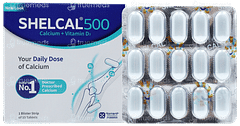
- Calcium carbonate: A calcium supplement that supports bone health by ensuring adequate calcium intake, which is essential for bone formation.
- Calcium citrate: A well-absorbed form of calcium used to prevent or treat calcium deficiency and maintain healthy bones.
- Vitamin D3 (cholecalciferol): Enhances calcium absorption from the gut and helps maintain optimal bone mineralisation.
- Vitamin D2 (ergocalciferol): A plant-derived form of vitamin D used to treat and prevent vitamin D deficiency and support bone health.
Your healthcare provider will tailor the treatment plan based on bone mineral density (BMD) results, fracture history, and overall health status. Regular monitoring and follow-up are crucial for evaluating the effectiveness of the therapy and making adjustments as needed.
When to See a Doctor?
If you have been diagnosed with osteoporosis or are experiencing symptoms that may be indicative of the condition, it's important to consult with your doctor. Frequent fractures, particularly those that occur from minor trauma or falls from standing height, should be evaluated. Chronic back pain can also be a sign of osteoporosis, as vertebral compression fractures can cause pain and changes in posture. If you have a family history of osteoporosis or are going through menopause, it's a good idea to discuss your risk factors with your doctor. They may recommend a bone density scan, known as a dual-energy X-ray absorptiometry (DXA) test, to assess your bone mineral density and determine if you have osteoporosis or are at risk of developing it.
Key Takeaways
- Osteoporosis treatment involves a combination of lifestyle modifications and medication to strengthen bones and prevent fractures.
- Lifestyle changes include maintaining a calcium and vitamin D-rich diet, engaging in weight-bearing exercises, quitting smoking, and limiting alcohol consumption.
- Commonly prescribed medications for osteoporosis include bisphosphonates, SERMs, parathyroid hormone therapy, and denosumab.
- Consult with your doctor if you have risk factors for osteoporosis or experience symptoms such as back pain, loss of height, or fractures.
- Regular check-ups with your doctor are essential to monitor bone health and initiate timely treatment if necessary.
FAQs
Is osteoporosis a serious condition?
What is the most effective treatment for osteoporosis?
Can you live 20 years with osteoporosis?
Which organ is most affected by osteoporosis?
How can I treat osteoporosis myself?
What are the 7 risk factors for osteoporosis?
Can the disease be treated with ayurveda?
References
- Kanis, J. A., Cooper, C., Rizzoli, R., & Reginster, J. Y. (2020). European guidance for the diagnosis and management of osteoporosis in postmenopausal women. Osteoporosis International. https://doi.org/10.1007/s00198-019-05176-3
- Pepe, J., Body, J., Hadji, P., McCloskey, E., Meier, C., Obermayer-Pietsch, B., Palermo, A., Tsourdi, E., Zillikens, M. C., Langdahl, B., & Ferrari, S. (2020). Osteoporosis in Premenopausal Women: A Clinical Narrative Review by the ECTS and the IOF. The Journal of Clinical Endocrinology & Metabolism, 105(8), 2487–2506. https://doi.org/10.1210/clinem/dgaa306
- Eastell, R., Rosen, C. J., et al. (2022). Osteoporosis: Assessment and Management Guidelines. The Lancet. https://pubmed.ncbi.nlm.nih.gov/30907953/
- NIH Osteoporosis and Related Bone Diseases Resource Center. (2023). Osteoporosis Overview. https://www.bones.nih.gov
- Kushchayeva, Y., Pestun, I., Kushchayev, S., Radzikhovska, N., & Lewiecki, E. M. (2022). Advancement in the Treatment of Osteoporosis and the Effects on Bone Healing. Journal of Clinical Medicine, 11(24), 7477. https://doi.org/10.3390/jcm11247477
Check Related Salts
Browse Other Conditions
Latest health articles

Top Health Essentials












Disclaimer
Top-Selling Medicines:
...View more
Top-OTC medicines:
...View more
Company
About UsHealth ArticleHealth StoriesHealth LibraryDiseases & Health ConditionsAyurvedaUnderstanding Generic MedicinesAll MedicinesAll BrandsNeed HelpFAQSecuritySavings CalculatorAdvertise with UsSubscribe
Registered Office Address
Grievance Officer
Download Truemeds


Contact Us
Our customer representative team is available 7 days a week from 9 am - 9 pm.
v4.28.21

2026 - Truemeds | All rights reserved. Our content is for informational purposes only. See additional information.

Our Payment Partners




