

- Medicines
- Personal Care
- Skin Cream
- Sunscreen
- Face Wash
- Skin and Body Soap
- Acne Care
- Body Lotions
- Moisturising Lotion
- Moisturising Cream
- Mosquito Repellent
- Moisturising Gel
- Body Wash
- Hair Oils
- Hair Shampoo
- Hair Conditioners
- Hair Supplements
- Hair Colour
- Hair Serum
- Hair Mask
- Hair Solutions
- Baby Diapers and Wipes
- Baby Lotion and Moisturising Cream
- Baby Bath Essentials
- Baby Skin Care
- Baby and Infant Food
- Baby Healthcare
- Women Multivitamins
- Ovulation Test Kit and Women Intimate Care
- Sanitary Pads
- Nutritional Drinks
- Condoms
- Lubricants
- Massage Gels
- Personal Body Massagers
- Men Performance Booster
- Sexual Health Supplements
- Massage Oils
- Ayurveda
- Tooth Paste
- Mouth Ulcer Gel
- Mouthwash
- Toothache and Gum Pain
- Tooth Brush
- Gargle Solution
- Orthopaedic Supports
- Adult Diapers
- Footwear
- Mobility and Support Accessories
- Urinary Support and Care
- Health Conditions
- Bone and Joint Care
- Digestive Care
- Eye Care
- Pain Relief
- Smoking Cessation
- Liver Care
- Stomach Care
- Cold and Cough
- Heart Care
- Kidney Care
- Piles, Fissures & Fistula
- Respiratory Care
- Mental Wellness
- Derma Care
- Pre and Probiotics
- Acidity
- Gas
- Constipation
- Loose Motion/Diarrhoea
- Digestive Fibres
- Digestive Enzymes
- Eye Lubricant Drops
- Lens Solution
- Safety Eye Wear
- Eye Cream
- Eye Vitamins and Supplements
- Eye Drops
- Eye Ointment and Gel
- Nicotine Patch
- Nicotine Gum
- Nicotine Lozenges
- Cough Syrups
- Chest Rubs and Balms
- Nasal Spray
- Lozenges
- Inhalant Capsules
- Cold and Cough Tablets
- Vitamins & Supplements
- Diabetes Care
- Healthcare Devices
- Homeopathic Medicine
- Health Guide
Gastroenteritis
Gastroenteritis, often referred to as the stomach flu, is an inflammation of the stomach and intestines caused by viral or bacterial infections, parasites, or chemical irritants. It leads to symptoms such as nausea, vomiting, diarrhoea, and abdominal discomfort. Treatment typically involves rest, hydration, and over-the-counter medications, while prevention measures include good hygiene practices and avoiding contaminated food and water.
 50
50Last updated on : 27 Apr, 2026
Read time : 12 mins
Overview of Disease
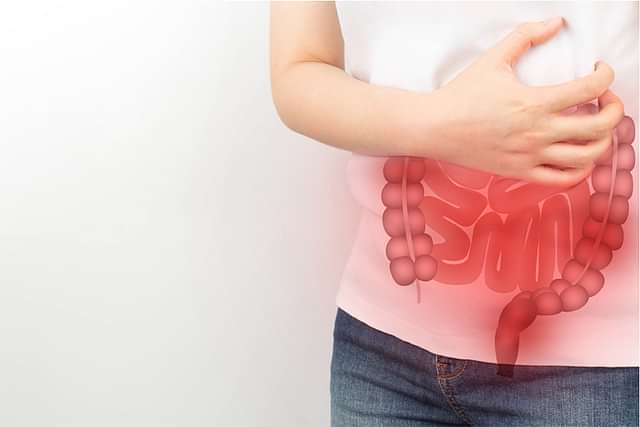
Gastroenteritis is a common illness that affects the digestive system, causing inflammation of the stomach and intestinal lining (Stuempfig et al., 2023). This highly contagious condition can impact individuals of all ages and is often referred to as the stomach flu, although it is not related to influenza. Understanding the causes, types, and symptoms of gastroenteritis is crucial for seeking appropriate medical attention and preventing the spread of the illness.
What is Gastroenteritis?
Gastroenteritis is an infection of the gastrointestinal tract, leading to inflammation of the stomach and intestines. The condition can be caused by various factors, including viruses, bacteria, parasites, or toxins. When the digestive system becomes inflamed, it results in symptoms such as nausea, vomiting, diarrhoea, abdominal pain, and fever. While gastroenteritis is often self-limiting, it is essential to be aware of the different types and their specific causes to ensure proper diagnosis and treatment.
Key Factors about Gastroenteritis
| Category | Details |
| Also Referred as | Stomach flu, stomach bug, stomach virus, gastric flu, gastroenteritis, flu bug |
| Commonly Occurs In | Infants, young children, older adults, people with a weakened immune system |
| Affected Organ | Stomach, small intestine, large intestine |
| Type | Viral, bacterial, parasitic, chemical/toxin, and fungal causes are rare and usually represent opportunistic/invasive infections rather than typical community-acquired gastroenteritis |
| Common Signs | Diarrhoea, vomiting, abdominal pain or cramps, nausea, fever, fatigue, muscle aches |
| Consulting Specialist | Infectious disease specialist, gastroenterologist |
| Treatement Procedures | Rehydration, anti-nausea medications, anti-diarrhoeal medications, antibiotics |
| Managed By | Fluid therapy (water, oral rehydration solution, saline solution, and lactated Ringer’s solution), antibiotics (metronidazole, ceftriaxone, azithromycin), antiemetics (ondansetron, metoclopramide), anti-diarrhoeal medications. |
| Mimicking Condition | Inflammatory bowel disease, malabsorption syndrome, lactose intolerance, and appendicitis |
Types of Gastroenteritis
There are several types of gastroenteritis, each with its own specific causes, including:
- Viral gastroenteritis: Viral gastroenteritis is the most common type; common agents include norovirus (a frequent cause of outbreaks in adults), rotavirus (an important cause of severe diarrhoea in infants/young children where vaccination is not universal), astrovirus, and adenovirus (types 40/41) according to CDC (2024).
- Bacterial gastroenteritis: This type is caused by bacteria such as Salmonella, Campylobacter, and E. coli. It can be contracted through consuming undercooked poultry or eggs, as well as contact with pet reptiles or live poultry.
- Parasitic gastroenteritis: Parasites such as Giardia and Cryptosporidium are responsible for this type of gastroenteritis. It can be spread through contaminated food and water and person-to-person contact.
- Chemical gastroenteritis: Ingesting toxic chemicals, heavy doses of alcohol, or certain medications can lead to chemical gastroenteritis.
Recognising the specific type of gastroenteritis is crucial for determining the appropriate course of treatment and preventing further spread of the illness.
Symptoms of Gastroenteritis
Gastroenteritis, commonly known as stomach flu, is characterised by inflammation of the stomach and intestines. The symptoms can vary in severity and may include:
Nausea and vomiting: Many individuals experience persistent nausea, which can be accompanied by frequent vomiting. This can lead to discomfort and may cause dehydration if fluids are not replenished.
Diarrhoea: Frequent, watery diarrhoea is a hallmark symptom of gastroenteritis. It may occur multiple times a day, contributing to fluid loss and increasing the risk of dehydration.
Abdominal pain and cramping: Individuals may experience abdominal discomfort, which can range from mild to severe cramping. This pain is typically associated with the inflammation of the intestines.
Fever: A low-grade fever is commonly present, indicating the body’s response to the infection. In some cases, the fever can be higher, signalling a more severe infection.
Headache: Headaches may occur as a result of dehydration or the body’s overall response to the infection. They can add to the feeling of malaise that often accompanies gastroenteritis.
Muscle aches: Generalised muscle aches or fatigue can also manifest during gastroenteritis. This can contribute to a feeling of weakness and overall discomfort.
Loss of appetite: Due to nausea and abdominal discomfort, individuals often experience a reduced desire to eat or drink. This can further exacerbate the risk of dehydration and nutritional deficiencies.
Dehydration: Symptoms of dehydration, such as dry mouth, increased thirst, reduced urine output, and dizziness, can develop if fluids are not adequately replaced. Severe dehydration is a serious condition that requires prompt medical attention.
Causes of Gastroenteritis
Gastroenteritis can arise from various factors, including viruses, bacteria, parasites, chemicals, and toxins. The most common causes include:
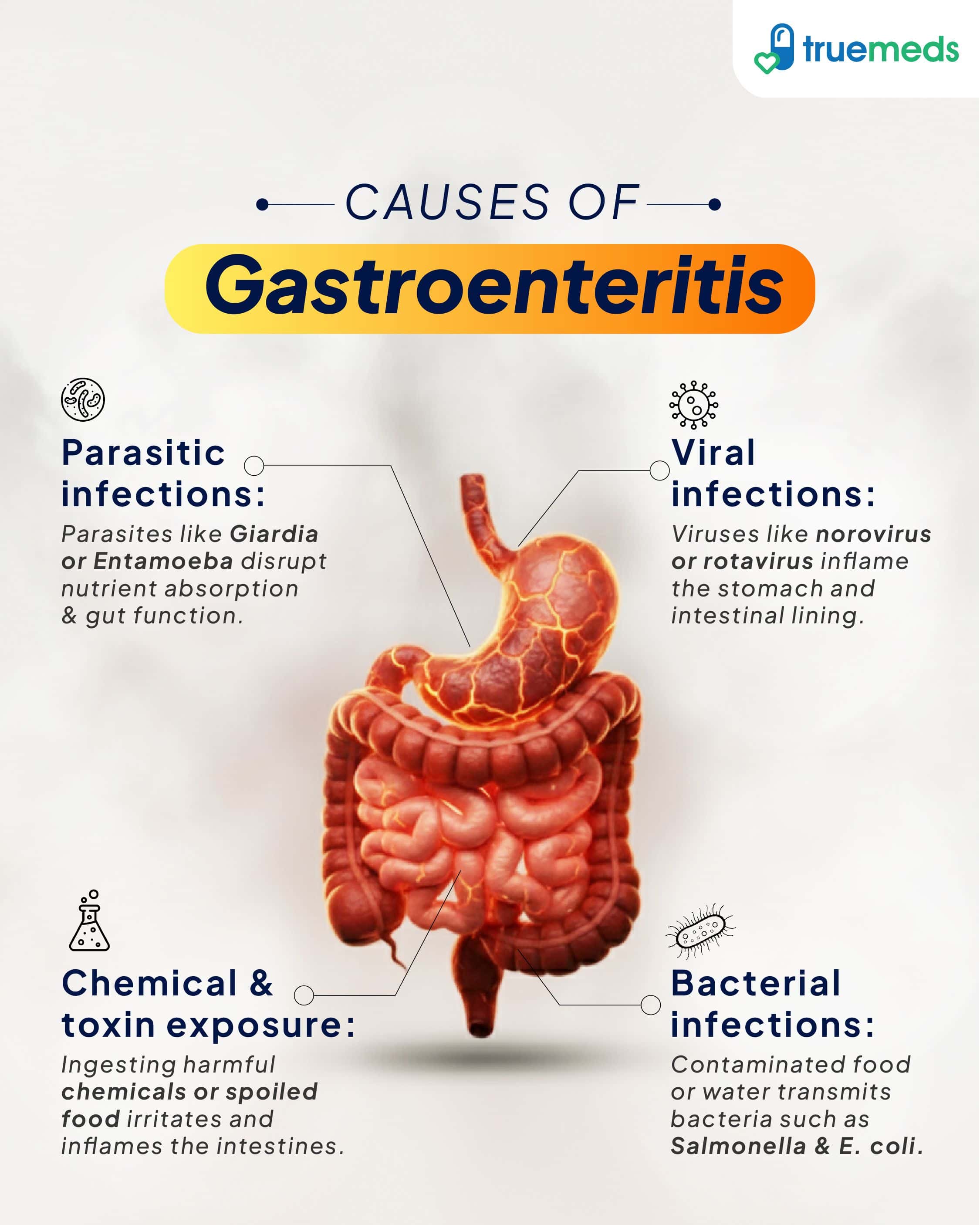
- Viral infections: The most common cause of gastroenteritis is viral infections, particularly noroviruses and rotaviruses. These viruses are highly contagious and can spread through contact with infected individuals, contaminated food and water, or by touching contaminated surfaces and then touching one’s mouth without washing hands.
- Bacterial infections: Bacterial infections, such as Salmonella, Campylobacter, and E. coli, also contribute to gastroenteritis. These bacteria are often transmitted through undercooked poultry, eggs, contaminated food, and water, leading to gastrointestinal distress.
- Parasitic infections: Parasites like Giardia and Cryptosporidium can cause gastroenteritis, typically through exposure to contaminated swimming pools or drinking water. These parasites can survive in water sources and infect individuals who consume or come into contact with contaminated water.
- Chemical and toxin exposure: Exposure to heavy metals in drinking water and certain toxins found in seafood can also lead to gastroenteritis. Additionally, broad-spectrum antibiotics can disrupt gut flora and predispose to antibiotic-associated diarrhoea (including C. difficile), while some medications (e.g., certain antacids) may alter gastric pH and affect gut microbes; these mechanisms can contribute to diarrhoea.
Risk Factors
Several factors can increase the likelihood of developing gastroenteritis, including:
- Extremes of age — young children (particularly under 5 years) and older adults (≥65 years) have a higher risk of severe outcomes from gastroenteritis.
- Individuals with weakened immune systems due to conditions like HIV/AIDS, undergoing chemotherapy, or taking immunosuppressant medications.
- Living or working in nursing homes, childcare centres, or schools.
- Travelling to areas with poor sanitation.
- Eating raw or undercooked meat, fish, or eggs.
Who's at Risk?
Certain groups of individuals are more susceptible to gastroenteritis, including:
- Young children (especially those in childcare centres)
- Older adults
- Individuals with compromised immune systems (such as chronic illnesses, undergoing chemotherapy, or with conditions like HIV/AIDS)
- Pregnant women
- Premature babies
Complications
While gastroenteritis often resolves without serious issues, it can lead to several complications, especially in vulnerable populations. Here are some potential complications:
- Dehydration: One of the most common complications of gastroenteritis is dehydration, which can occur due to severe vomiting and diarrhoea. Signs of dehydration include dry mouth, decreased urine output, dizziness, and fatigue, requiring prompt medical attention if severe.
- Malnutrition: Persistent vomiting and diarrhoea can lead to malnutrition as the body struggles to absorb essential nutrients.
- Lactose intolerance: Temporary secondary lactose malabsorption may follow acute gastroenteritis (especially viral), so reintroduction of dairy may need to be gradual after recovery.
- Irritable bowel syndrome (IBS): Some individuals may develop IBS after a severe case of gastroenteritis, experiencing ongoing digestive issues like abdominal pain, bloating, and changes in bowel habits.
- Reactive arthritis: In rare instances, gastroenteritis caused by certain bacterial infections can trigger reactive arthritis, causing joint pain and inflammation.
- Haemolytic uremic syndrome (HUS): A rare but severe complication primarily associated with E. coli infections, HUS can cause kidney failure, anaemia, and low platelet counts.
Recognising the signs and symptoms of these complications and seeking prompt medical attention can help prevent serious health consequences associated with gastroenteritis.
Prevention of Gastroenteritis
Taking proactive measures can significantly reduce the risk of gastroenteritis. Here are effective strategies for prevention:
- Practice good hygiene: Regular handwashing with soap and water, especially before meals and after using the bathroom, is crucial. This helps prevent the spread of pathogens that can cause gastroenteritis.
- Safe food handling: Ensure proper food safety practices by cooking meat, poultry, and eggs thoroughly. Avoid cross-contamination by using separate cutting boards and utensils for raw and cooked foods. Always wash fruits and vegetables before consumption.
- Drink safe water: Be cautious about the water you consume, particularly when travelling in areas with poor sanitation. Use bottled water or boil water before drinking if you're unsure about its safety.
- Vaccination: Rotavirus vaccines are recommended for infants in national immunisation schedules and greatly reduce severe rotavirus disease and hospitalisations; vaccine policies vary by country according to the WHO (2024).
- Limit contact with infected individuals: If someone in your household has gastroenteritis, limit close contact and ensure that they practice good hygiene. Disinfect surfaces that may be contaminated, such as bathroom fixtures and kitchen counters.
- Be cautious in crowded places: Avoid crowded environments, especially during outbreaks, such as schools or daycare centres. If you must be in such settings, practice good hygiene and avoid touching your face.
- Monitor food and drink sources while travelling: When travelling, be mindful of food and drink sources. Choose well-cooked meals and avoid street food if hygiene is questionable.
Diagnosis & Tests
Diagnosing gastroenteritis typically involves a combination of clinical evaluation and sometimes laboratory tests. These include:
- Medical history: The doctor will start by taking a detailed medical history, including information about symptoms, their duration, and any recent exposure to contaminated food, water, or individuals with gastrointestinal illnesses.
- Physical examination: A thorough physical examination will be conducted to assess hydration status and check for abdominal tenderness or bloating. The doctor may also look for signs of dehydration, such as dry mucous membranes or decreased skin turgor (skin elasticity measurement).
- Stool tests: Targeted stool testing (culture, multiplex PCR panels, ova and parasites) is used selectively — for severe disease, bloody diarrhoea, persistent symptoms, immunocompromised patients, or suspected outbreaks. Routine testing is not required for typical mild self-limited viral gastroenteritis according to the CDC (2024).
- Imaging studies: Although not commonly required, imaging studies like abdominal ultrasound or computed tomography (CT) scans may be used if there is suspicion of complications or other underlying conditions.
In cases of severe dehydration or other complications, patients may require hospitalisation for monitoring and treatment.
Treatment & Management
Medications for Gastroenteritis
1. Oral Rehydration Solutions (ORS)
Rehydration with low-osmolarity oral rehydration solution (ORS) is first-line therapy to replace fluids and electrolytes; in children with acute diarrhoea, WHO/UNICEF recommend ORS plus zinc supplementation (10–20 mg daily for 10–14 days) to reduce duration and severity according to the WHO (2024).
2. Anti-motility Agents
Loperamide can reduce stool frequency in adults with non-bloody, non-febrile watery diarrhoea, but it is contraindicated in young children (age limits vary; avoid in <2 years and use extreme caution in older children), and should not be used when there is high fever, bloody diarrhoea, or suspected invasive bacterial infection.
3. Bismuth Subsalicylate
Bismuth subsalicylate may reduce diarrhoea and is available over the counter (OTC) for adults; it is contraindicated in children or teenagers who may have a viral infection (due to the risk of Reye’s syndrome from salicylates), in pregnancy unless advised by a clinician, and in those allergic to salicylates.
4. Antibiotics
Antibiotics are reserved for confirmed or strongly suspected bacterial aetiologies (e.g., severe traveller’s diarrhoea, cholera, typhoid) or for high-risk patients; empiric antibiotic choice should reflect the suspected pathogen and local resistance (for example, azithromycin is commonly used for some travel-associated bacterial diarrhoeas, doxycycline for specific bacterial pathogens, and ceftriaxone for severe invasive infections), but routine empirical use is discouraged because of resistance and harms.
5. Anti-nausea Medications
Ondansetron can be used to manage nausea and vomiting, helping patients maintain hydration and oral intake.
6. Treatment Considerations
Medication is chosen based on the severity and cause of gastroenteritis. It is essential to follow medical advice and seek consultation if symptoms persist or worsen.
When to See a Doctor?
Seek immediate medical care for severe dehydration (extreme thirst, very little or no urination, dizziness, lethargy), persistent high fever, severe abdominal pain, bloody stools, signs of sepsis, or inability to tolerate fluids; infants, elderly individuals, and immunocompromised patients should be assessed sooner. Persistent symptoms that do not improve quickly or worsen, such as stomach pain, fever, or bloody diarrhoea, also require medical evaluation.
Key Takeaways
- Gastroenteritis is an inflammation of the stomach and intestines, typically caused by viral or bacterial infections or, less commonly, parasites or other factors.
- Common symptoms include watery diarrhoea, abdominal cramps, nausea, vomiting, and sometimes fever.
- Diagnosis is usually based on symptoms and a physical exam, with stool tests or other procedures used in severe cases.
- Treatment focuses on rehydration (ORS), symptomatic care, and targeted therapy when indicated. Some probiotics have modest evidence for shortening duration in certain settings, but use should be based on product-specific evidence and guidelines; antimotility agents are useful in adults with watery diarrhoea but contraindicated in some patients.
- Seeking medical attention is crucial for severe dehydration, persistent or worsening symptoms, young children, elderly individuals, those with compromised immune systems, and when medications are not effective or causing adverse effects.
- Prevention involves good hygiene practices, safe food handling, avoiding contaminated water, and, in some cases, vaccination.
FAQs
How long does gastroenteritis last?
The length of gastroenteritis varies based on the cause and individual health, but it generally lasts 1-3 days in healthy adults, occasionally extending to 14 days.
How can you quickly recover from gastroenteritis?
Strategies for a speedy gastroenteritis recovery include staying hydrated with clear fluids, getting ample rest, following a bland diet, practicing good hygiene, and avoiding contaminated food and water.
What is the best treatment for gastroenteritis?
The primary gastroenteritis treatment is supportive care, focusing on replacing fluids and electrolytes, resting, following a bland diet, and monitoring for complications. Antibiotics or antiparasitics may be prescribed if necessary.
What food is best for gastroenteritis?
A bland diet consisting of easily digestible foods like bananas, rice, applesauce, and toast (the BRAT diet) is often recommended for managing gastroenteritis symptoms.
Is it safe to consume milk when experiencing gastroenteritis?
It is generally advisable to avoid milk and dairy products during gastroenteritis, as they can be difficult to digest and may exacerbate diarrhoea and other symptoms.
References
- World Health Organization. (2024). Diarrhoeal disease: Key facts (Fact sheet). World Health Organization. https://www.who.int/news-room/fact-sheets/detail/diarrhoeal-disease.
- Centers for Disease Control and Prevention (CDC). (2024). About Norovirus. CDC. https://www.cdc.gov/norovirus/about/index.html.
- Stuempfig, N. D., & StatPearls Contributors. (2023). Viral gastroenteritis. In StatPearls. Treasure Island (FL): StatPearls Publishing. https://www.ncbi.nlm.nih.gov/books/NBK518995/.
- Ali, A. A., et al. (2024). Zinc supplementation for acute and persistent watery diarrhoea: Evidence and recommendations. Journal of Global Health, 14, 04212. https://jogh.org/2024/jogh-14-04212/ (or PubMed Central copy where available).
- MSD Manual Professional Version. (2024). Traveller’s diarrhoea — Treatment. Merck Manuals. https://www.msdmanuals.com/professional/gastrointestinal-disorders/gastroenteritis/traveler-s-diarrhea.

Latest health articles
Top Health Essentials






















Disclaimer
Top-Selling Medicines:
...View more
Top-OTC medicines:
...View more
Company
About UsHealth ArticleHealth StoriesHealth LibraryDiseases & Health ConditionsAyurvedaUnderstanding Generic MedicinesAll MedicinesAll BrandsNeed HelpFAQSecuritySavings CalculatorAdvertise with UsSubscribe
Registered Office Address
Grievance Officer
Download Truemeds


Contact Us
Our customer representative team is available 7 days a week from 9 am - 9 pm.
v4.28.20

2026 - Truemeds | All rights reserved. Our content is for informational purposes only. See additional information.

Our Payment Partners




