

- Medicines
- Personal Care
- Skin Cream
- Sunscreen
- Face Wash
- Skin and Body Soap
- Acne Care
- Body Lotions
- Moisturising Lotion
- Moisturising Cream
- Mosquito Repellent
- Moisturising Gel
- Body Wash
- Hair Oils
- Hair Shampoo
- Hair Conditioners
- Hair Supplements
- Hair Colour
- Hair Serum
- Hair Mask
- Hair Solutions
- Baby Diapers and Wipes
- Baby Lotion and Moisturising Cream
- Baby Bath Essentials
- Baby Skin Care
- Baby and Infant Food
- Baby Healthcare
- Women Multivitamins
- Ovulation Test Kit and Women Intimate Care
- Sanitary Pads
- Nutritional Drinks
- Condoms
- Lubricants
- Massage Gels
- Personal Body Massagers
- Men Performance Booster
- Sexual Health Supplements
- Massage Oils
- Ayurveda
- Tooth Paste
- Mouth Ulcer Gel
- Mouthwash
- Toothache and Gum Pain
- Tooth Brush
- Gargle Solution
- Orthopaedic Supports
- Adult Diapers
- Footwear
- Mobility and Support Accessories
- Urinary Support and Care
- Health Conditions
- Bone and Joint Care
- Digestive Care
- Eye Care
- Pain Relief
- Smoking Cessation
- Liver Care
- Stomach Care
- Cold and Cough
- Heart Care
- Kidney Care
- Piles, Fissures & Fistula
- Respiratory Care
- Mental Wellness
- Derma Care
- Pre and Probiotics
- Acidity
- Gas
- Constipation
- Loose Motion/Diarrhoea
- Digestive Fibres
- Digestive Enzymes
- Eye Lubricant Drops
- Lens Solution
- Safety Eye Wear
- Eye Cream
- Eye Vitamins and Supplements
- Eye Drops
- Eye Ointment and Gel
- Nicotine Patch
- Nicotine Gum
- Nicotine Lozenges
- Cough Syrups
- Chest Rubs and Balms
- Nasal Spray
- Lozenges
- Inhalant Capsules
- Cold and Cough Tablets
- Vitamins & Supplements
- Diabetes Care
- Healthcare Devices
- Homeopathic Medicine
- Health Guide
Oedema
Oedema is a medical condition characterised by the accumulation of excess fluid in the body's tissues, leading to swelling. It can affect various parts of the body and may result from factors such as increased pressure in blood vessels or damage to the lymphatic system. Oedema can cause discomfort, reduced mobility, and, in some cases, more severe complications.
 50
50Last updated on : 09 Jun, 2026
Read time : 12 mins
Overview of Disease
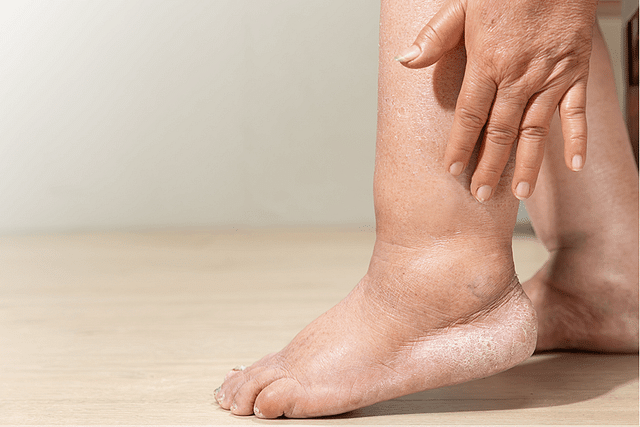
Oedema is a condition that occurs when excess fluid accumulates in the body's tissues, causing swelling and discomfort. This fluid buildup can happen in various parts of the body, such as the legs, ankles, feet, hands, arms, and even internal organs like the lungs and brain. Oedema is often a symptom of an underlying health issue, and understanding its causes and effects is crucial for proper management and treatment.
What is Oedema?
Oedema develops when fluid from the blood vessels leaks into the surrounding tissues, leading to swelling. This leakage can be caused by several factors, including increased pressure within the blood vessels, damage to the lymphatic system, or conditions that disrupt the body's ability to regulate fluid balance effectively. Depending on the underlying cause, the fluid buildup can be localised to a specific area or widespread throughout the body.
Key Factors about Oedema
| Category | Details |
| Also Referred to as | Oedema, Edema, Water Retention, Fluid Retention |
| Commonly Occurs In | Feet, Ankles, Legs, Hands, Face, Abdomen |
| Affected Organ | Skin, Muscles, Bowel, Lungs, Eyes, Brain |
| Type | Peripheral Oedema, Pulmonary Oedema, Cerebral Oedema, Macular Oedema, Lymphoedema |
| Common Signs | Swelling, Puffiness, Skin Retains a Dimple After Pressure, Tight and Warm Skin, Aching Body Parts, Stiff Joints, Weight Gain |
| Consulting Specialist | Cardiologist (for Heart-Related Causes), Nephrologist (for Kidney-Related Causes), General Practitioner, Vascular Surgeon (for Venous Insufficiency) |
| Treatment Procedures | Diuretics, Lifestyle Changes (e.g., Reducing Salt Intake, Regular Exercise), Compression Garments, Specific Exercises |
| Managed By | Diuretics |
| Mimicking Condition | DVT, lymphedema, and other conditions causing similar swelling |
Symptoms of Oedema
The symptoms of oedema include:
1. Swelling
The most noticeable symptom of oedema is swelling in the affected area. This swelling may be accompanied by a puffy appearance and shiny, stretched skin. In some cases, the swelling can be so severe that it causes the skin to become tight and uncomfortable.
2. Pitting
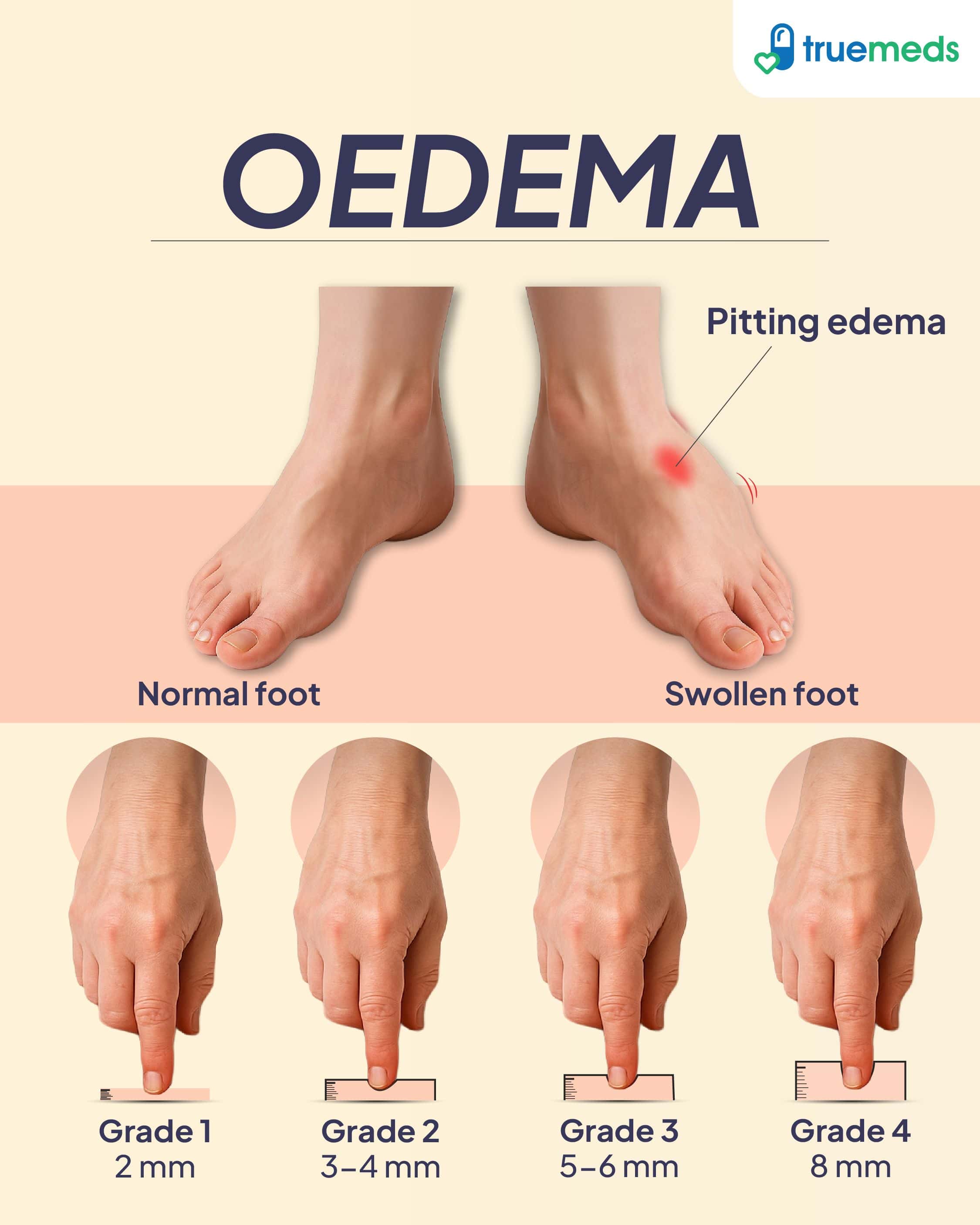
Pitting is a common sign that occurs when pressing on the swollen area leaves a temporary indentation in the skin. This happens because the excess fluid has accumulated in the tissue spaces, and the pressure from your finger displaces the fluid, causing the skin to "pit."
3. Aching and Stiffness
As fluid accumulates in the tissues, it can cause a feeling of heaviness, aching, or stiffness in the affected limbs. This discomfort may worsen with prolonged standing or sitting, as gravity pulls the fluid downward.
4. Other Symptoms
Depending on the location and severity of the oedema, other symptoms may include weight gain, decreased mobility, and skin changes such as stretching or cracking. In cases of cerebral oedema, where fluid accumulates in the brain, symptoms can include headache, neck pain, vision changes, and altered consciousness.
Causes of Oedema
Here are some oedema causes:
1. Cardiovascular Issues
Heart failure is a common cause of oedema, particularly in the legs and lungs. When the heart is not pumping efficiently, blood can back up in the veins, causing increased pressure and fluid leakage into the surrounding tissues (ESC, 2021).
2. Kidney Problems
Certain kidney disorders, such as nephrotic syndrome, can lead to severe leg oedema. In these conditions, the kidneys may not effectively remove excess fluid and sodium from the body, resulting in fluid retention.
3. Lymphatic System Damage
The lymphatic system helps maintain fluid balance in the body. When lymph vessels are blocked or damaged, fluid can accumulate in the affected area, leading to lymphoedema. This can occur due to surgery, radiation therapy, infection, or congenital abnormalities.
4. Medications
Some medications, such as non-steroidal anti-inflammatory drugs (NSAIDs), corticosteroids, and certain blood pressure medications, can cause fluid retention and oedema as a side effect.
How Does Oedema Affect Your Body?
Oedema can have various effects on the body, depending on its location and severity. In the legs and ankles, oedema can cause discomfort, reduced mobility, and difficulty fitting into shoes. It can also increase the risk of skin infections, as the excess fluid provides a moist environment for bacteria to grow.
In the lungs, oedema can lead to shortness of breath and difficulty breathing, as the fluid accumulation reduces the space available for air exchange. This condition, known as pulmonary oedema, can be life-threatening if not promptly treated.
Macular oedema results from leakage of fluid from retinal blood vessels, most commonly due to diabetes or retinal vein occlusion, and is not caused by generalised body oedema.
Cerebral oedema, or fluid accumulation in the brain, can cause increased intracranial pressure, leading to headaches, vision problems, and even seizures or coma in severe cases.
Moreover, chronic oedema can lead to skin changes, such as thickening and hardening (fibrosis), which can further impact mobility and quality of life. Addressing the underlying causes and managing oedema promptly is essential to prevent these complications and promote overall health and well-being.
Risk Factors
Oedema can be influenced by various risk factors, which can be categorised into lifestyle factors, medical conditions, and medication-related causes. Here are the primary risk factors:
1. Lifestyle Factors
- High Salt Intake: Consuming excessive amounts of salt can lead to fluid retention.
- Obesity: Being overweight increases the likelihood of developing oedema due to added pressure on the circulatory system.
- Prolonged Sitting or Standing: Staying in one position for extended periods can hinder blood flow and contribute to swelling.
- Pregnancy: Increased fluid volume during pregnancy often results in oedema, particularly in the legs and feet.
- Injury: Trauma to a specific area can lead to localised oedema.
2. Medical Conditions
- Heart Problems: Conditions such as heart failure can cause fluid to accumulate in tissues.
- Kidney Issues: Kidney diseases impair fluid regulation, leading to oedema.
- Liver Problems: Liver conditions like cirrhosis cause low albumin levels and increased portal venous pressure, both of which contribute to oedema and ascites (Goyal et al., 2025).
- Lymphatic System Disorders: Problems with lymph nodes can disrupt fluid drainage, resulting in lymphoedema.
- Blood Clots: Deep vein thrombosis can obstruct blood flow and cause swelling.
3. Medication-Related Causes
- Certain Medications: Medications such as calcium channel blockers, corticosteroids, and NSAIDs can induce oedema as a side effect.
- Hormonal Treatments: Oestrogen-containing medications may also lead to fluid retention.
4. Other Contributing Factors
- Infections and Allergic Reactions: Severe infections or allergic responses can cause localised swelling.
- Chronic Conditions: Diseases like diabetes and thyroid disorders may increase the risk of developing oedema.
Understanding these risk factors is crucial for prevention and management strategies for those susceptible to oedema.
Complications
Oedema can lead to several complications, particularly when it is chronic or left untreated. Here are the key complications associated with oedema:
1. Skin Complications
- Skin Stretching: Prolonged swelling can stretch the skin, leading to discomfort and pruritus (itchiness).
- Skin Ulcers: Swollen areas are more susceptible to skin breakdown, resulting in ulcers that can become infected.
- Infection Risk: The compromised skin barrier increases the likelihood of infections in swollen regions.
2. Mobility Issues
- Stiffness and Pain: Oedema can cause stiffness in the affected limbs, making movement difficult and painful.
- Difficulty Walking: Swelling in the legs and feet may hinder mobility, impacting daily activities.
3. Circulatory Complications
- Deep Vein Thrombosis (DVT): Reduced circulation due to oedema can increase the risk of blood clots forming in deep veins (Goyal et al.,2025).
- Pulmonary Oedema: Fluid accumulation in the lungs impairs gas exchange and increases the work of breathing. Pulmonary hypertension does not result from pulmonary oedema; rather, certain heart or lung diseases may cause both conditions.
4. Organ Complications
- Congestive Heart Failure: Oedema may signal worsening heart function, leading to further complications such as heart failure.
- Kidney Dysfunction: Chronic oedema can indicate underlying kidney issues, which may worsen if not addressed.
5. Respiratory Issues
- Pulmonary Oedema: This serious condition occurs when excess fluid accumulates in the lungs, causing severe breathing difficulties and requiring immediate medical attention.
Recognising these complications is crucial for timely intervention and management of oedema-related conditions.
Prevention of Oedema
Preventing oedema involves making lifestyle changes and addressing the underlying causes.
- Reducing sodium intake is crucial, as a high-sodium diet can lead to fluid retention.
- Preparing meals at home using low-sodium seasoning blends can help avoid excessive salt consumption.
- Staying physically active, such as engaging in regular walking, helps keep blood and fluids circulating, reducing the risk of fluid pooling in the legs and feet. It is also important to avoid prolonged sitting or standing, especially in hot weather, by taking breaks to move around and prevent fluid accumulation.
- Maintaining a healthy weight through a balanced diet and regular exercise can also help prevent oedema, as obesity increases the risk.
- While staying hydrated is important, fluid restriction should only be done when medically indicated (e.g., heart failure, severe kidney disease). It is not routinely recommended for general oedema.
- Lastly, wearing comfortable clothing and avoiding restrictive items like tight leggings or overly tight socks can help prevent contributing to swelling.
Diagnosis & Tests
Here are some steps to diagnose whether you have oedema:
1. Identifying Oedema
Oedema is characterised by swelling, typically in the feet, ankles, and legs, but it can also affect the face and hands.
2. Physical Examination
The skin over the swollen area may appear stretched and shiny. A gentle press on the swollen area can leave a dimple, indicating oedema.
3. Additional Tests
- Urine Tests: To check for protein loss from the kidneys, which can indicate kidney disease.
- Blood Tests: To evaluate for conditions such as heart failure, liver disease, or malnutrition.
- Chest X-ray and EKG: To assess heart function and rule out conditions like congestive heart failure (NICE, 2023).
Accurate diagnosis of oedema is essential for determining the underlying cause and developing an appropriate treatment plan. A combination of physical examination and additional tests can help healthcare professionals identify the specific type of oedema and any associated health conditions.
Treatment & Management
Oedema treatment focuses on reducing fluid buildup, addressing the underlying cause, and improving overall circulation. The choice of treatment depends on the severity and origin of oedema, whether due to heart failure, kidney disease, liver disease, or inflammatory conditions.
1. Diuretics (Water Pills)
These medications help eliminate excess fluid and sodium through urine, reducing swelling (ESC, 2021). Commonly used diuretics include:
- Acetazolamide: Not routinely used for general oedema; its diuretic effect is weak and mainly used for specific conditions such as altitude illness or metabolic alkalosis.
- Theophylline: Not recommended for oedema treatment; it is a bronchodilator and not used clinically to manage fluid retention.
- Furosemide: It is a potent loop diuretic, often used in heart failure-related oedema.
- Chlorthalidone and Hydrochlorothiazide: They are effective for mild to moderate oedema, especially related to hypertension.
- Amiloride: It is a potassium-sparing diuretic that helps prevent excessive potassium loss while managing oedema.
2. Corticosteroids
While commonly associated with inflammation management, corticosteroids can reduce oedema by minimising peritumoral swelling and improving venous and lymphatic drainage, particularly in cancer patients. Key corticosteroids used include:
- Dexamethasone: It is frequently used to manage cerebral oedema and tumour-related swelling.
- Betamethasone: It is effective in severe inflammatory conditions contributing to fluid retention.
- Methylprednisolone: It is used in autoimmune disorders and cancer-related oedema management.
3. Benzopyrones
These medications manage chronic lymphatic and venous oedema. They work by enhancing lymphatic drainage and reducing protein accumulation in the tissues. Commonly used benzopyrones include:
- Coumarin: No longer recommended due to risk of hepatotoxicity and limited evidence of benefit in lymphoedema management.
- Oxerutin: It is used for chronic venous insufficiency and associated oedema.
4. Additional Treatment Approaches
- Compression Therapy: Wearing compression stockings or bandages can help reduce swelling by promoting proper circulation.
- Lifestyle Modifications: Reducing salt intake, elevating the legs, and staying active can help prevent excessive fluid retention.
Living with Disease
Living with oedema can be challenging, but understanding the condition and making appropriate lifestyle changes can help manage symptoms effectively.
Oedema is characterised by swelling or puffiness in various parts of the body, most commonly in the feet, ankles, and legs. However, it can also affect the face, hands, and other areas. The swelling can cause discomfort and restrict mobility, making it essential to address the underlying causes and adopt strategies to alleviate symptoms.
When to See a Doctor?
While mild oedema can often be managed with lifestyle changes and home remedies, it's crucial to seek medical attention in certain situations.
If you experience sudden or severe swelling, especially if accompanied by pain, redness, or warmth in the affected area, it's essential to consult a doctor promptly. These symptoms may indicate a more serious underlying condition, such as deep vein thrombosis or an infection.
Additionally, if you have a history of heart, liver, or kidney disease and notice worsening oedema symptoms, it's important to inform your healthcare provider. They can assess your condition and make necessary adjustments to your treatment plan.
In cases where oedema persists or worsens despite lifestyle modifications and home remedies, it is advisable to consult a doctor. They can perform a thorough evaluation, including physical examinations and diagnostic tests, to determine the underlying cause of the oedema and recommend appropriate treatment options.
FAQs
What is the meaning of oedema?
What are the three primary causes of oedema?
How can oedema be treated?
What is the typical duration of oedema?
What are the common symptoms of oedema?
Which fruit can help alleviate oedema?
What drinks can help with swollen legs caused by oedema?
References
- European Society of Cardiology (ESC). (2021). ESC Guidelines for the diagnosis and treatment of acute and chronic heart failure. https://doi.org/10.1093/eurheartj/ehab368
- National Institute for Health and Care Excellence (NICE). (2023). Oedema: Assessment and management. https://www.nice.org.uk
- Goyal, A., Singh, B., & Afzal, M. (2025). Peripheral edema. In StatPearls. StatPearls Publishing. https://www.ncbi.nlm.nih.gov/books/NBK554452/
- Iqbal, M. A., & Gupta, M. (2023). Cardiogenic pulmonary edema. In StatPearls. StatPearls Publishing. https://www.ncbi.nlm.nih.gov/books/NBK544260/
Check Related Salts
Browse Other Conditions
Latest health articles
Top Health Essentials














Disclaimer
Top-Selling Medicines:
...View more
Top-OTC medicines:
...View more
Company
About UsHealth ArticleHealth StoriesHealth LibraryDiseases & Health ConditionsAyurvedaUnderstanding Generic MedicinesAll MedicinesAll BrandsNeed HelpFAQSecuritySavings CalculatorAdvertise with UsSubscribe
Registered Office Address
Grievance Officer
Download Truemeds


Contact Us
Our customer representative team is available 7 days a week from 9 am - 9 pm.
v4.28.13

2026 - Truemeds | All rights reserved. Our content is for informational purposes only. See additional information.

Our Payment Partners