

- Medicines
- Personal Care
- Skin Cream
- Sunscreen
- Face Wash
- Skin and Body Soap
- Acne Care
- Body Lotions
- Moisturising Lotion
- Moisturising Cream
- Mosquito Repellent
- Moisturising Gel
- Body Wash
- Hair Oils
- Hair Shampoo
- Hair Conditioners
- Hair Supplements
- Hair Colour
- Hair Serum
- Hair Mask
- Hair Solutions
- Baby Diapers and Wipes
- Baby Lotion and Moisturising Cream
- Baby Bath Essentials
- Baby Skin Care
- Baby and Infant Food
- Baby Healthcare
- Women Multivitamins
- Ovulation Test Kit and Women Intimate Care
- Sanitary Pads
- Nutritional Drinks
- Condoms
- Lubricants
- Massage Gels
- Personal Body Massagers
- Men Performance Booster
- Sexual Health Supplements
- Massage Oils
- Ayurveda
- Tooth Paste
- Mouth Ulcer Gel
- Mouthwash
- Toothache and Gum Pain
- Tooth Brush
- Gargle Solution
- Orthopaedic Supports
- Adult Diapers
- Footwear
- Mobility and Support Accessories
- Urinary Support and Care
- Health Conditions
- Bone and Joint Care
- Digestive Care
- Eye Care
- Pain Relief
- Smoking Cessation
- Liver Care
- Stomach Care
- Cold and Cough
- Heart Care
- Kidney Care
- Piles, Fissures & Fistula
- Respiratory Care
- Mental Wellness
- Derma Care
- Pre and Probiotics
- Acidity
- Gas
- Constipation
- Loose Motion/Diarrhoea
- Digestive Fibres
- Digestive Enzymes
- Eye Lubricant Drops
- Lens Solution
- Safety Eye Wear
- Eye Cream
- Eye Vitamins and Supplements
- Eye Drops
- Eye Ointment and Gel
- Nicotine Patch
- Nicotine Gum
- Nicotine Lozenges
- Cough Syrups
- Chest Rubs and Balms
- Nasal Spray
- Lozenges
- Inhalant Capsules
- Cold and Cough Tablets
- Vitamins & Supplements
- Diabetes Care
- Healthcare Devices
- Homeopathic Medicine
- Health Guide
Stye
A stye is a painful, red bump on the eyelid caused by a bacterial infection of the oil glands. It can occur externally at the base of the eyelash or internally within the tarsal glands of the eyelid. It is a common eye condition that can usually be managed at home, but some cases may require medical treatment. Symptoms include eyelid swelling, redness, pain, and the formation of a small pus-filled lesion.
 50
50Last updated on : 08 May, 2026
Read time : 10 mins
Overview of Disease
A stye, medically known as a hordeolum, is a common eye condition that causes acute bacterial infection and inflammation of the eyelid glands. It can be painful and uncomfortable, but it is usually self-limiting. In this article, we will explore what a stye is, its different types, symptoms, and how to manage it.
What is a Stye?
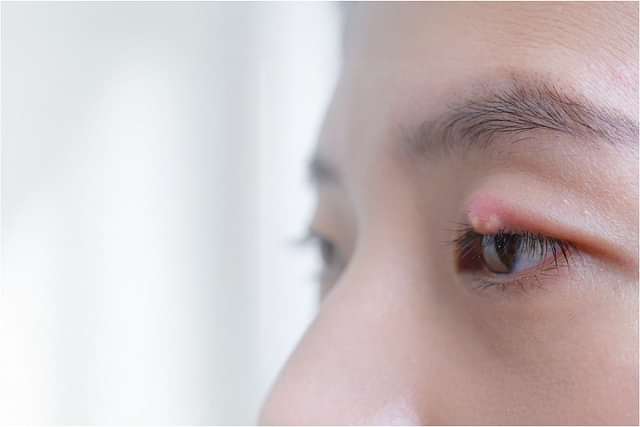
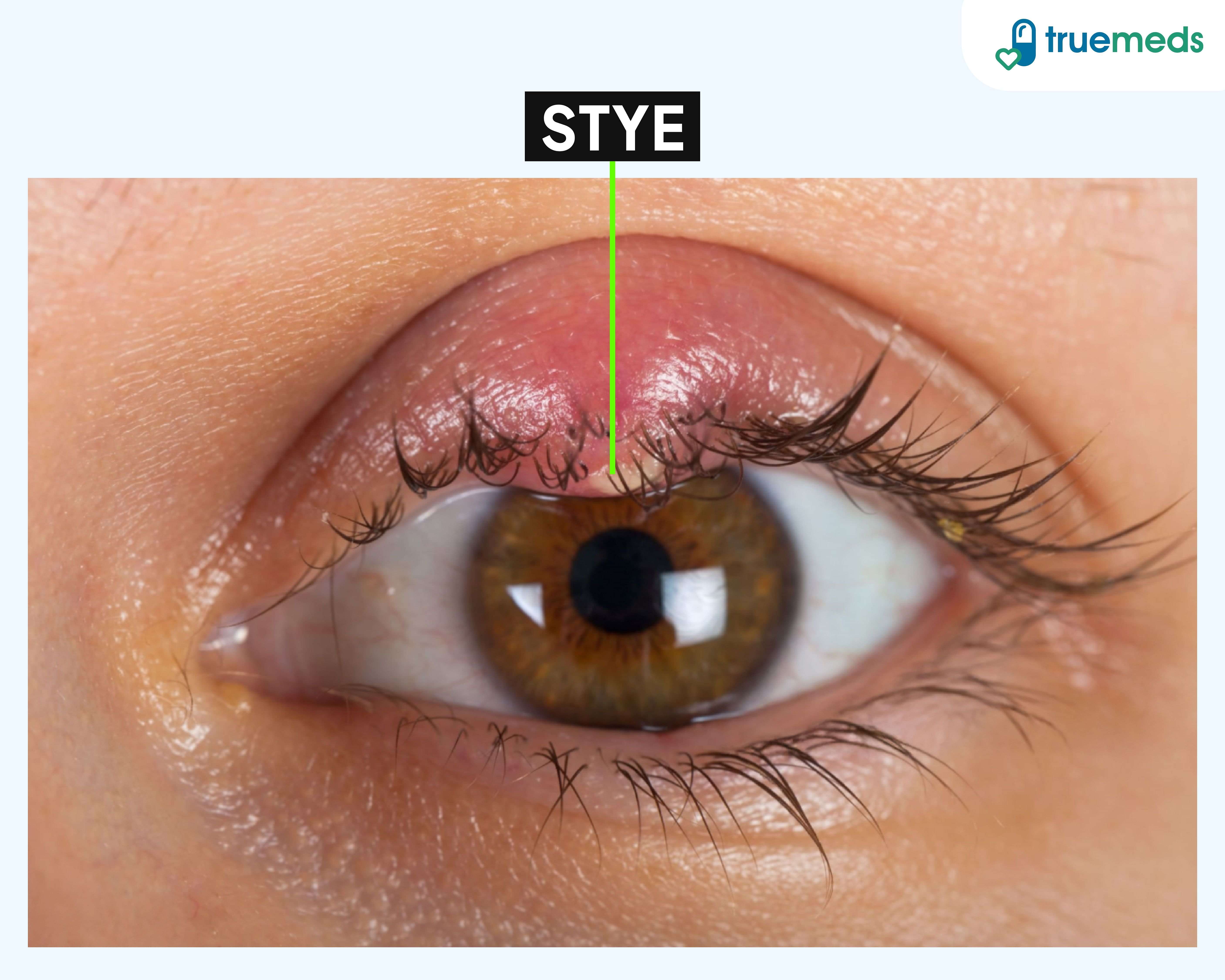
A stye (or Hordeolum) is a small, painful, red bump that appears along the edge of your eyelid, usually where the eyelashes grow (Gurnani et al., 2024). It develops when one of the tiny oil glands near the base of your lashes becomes clogged and infected, similar to how a pimple forms on the skin. Styes are quite common and often resolve on their own with simple home care. Still, in some instances, they may require professional attention from an eye care specialist if complications arise.
Key Factors about Stye
| Category | Details |
| Also Referred to as | Hordeolum |
| Commonly Occurs In | Individuals of all ages; more common in people with chronic blepharitis, poor eyelid hygiene, or dry eyes |
| Affected Organ | Eyelid, specifically the oil glands (glands of Zeis, Moll, or meibomian glands) |
| Type | External or internal hordeolum |
| Common Signs | Red, painful lump near the edge of the eyelid; eyelid pain, swelling, tearing, light sensitivity (photophobia) |
| Consulting Specialist | Ophthalmologist or eye care provider |
| Treatment Procedures | Warm compresses, topical antibiotic ointments (if secondary infection is suspected), incision and drainage if persistent |
| Managed By | Topical antibiotics (e.g., erythromycin ointment), pain relief medicines (paracetamol or ibuprofen) |
| Mimicking Condition | Chalazion |
Types of Stye
Styes can be classified into two main categories (Pagan-Duran, 2026):
- External hordeolum (stye): This type of stye forms at the base of an eyelash and is usually visible on the outside of the eyelid. It is caused by an infection of the glands of Zeiss or Moll (ciliary glands), which are located at the root of the eyelashes.
- Internal hordeolum: This type develops inside the eyelid and involves the meibomian glands located within the tarsal plate. It appears as a painful swelling on the inner surface of the eyelid and may be less visible externally.
Recognising these types helps guide appropriate management and prevents complications.
Symptoms of Stye
The primary symptom of a Stye is a tender, red bump along the eyelid margin near the eyelashes, often accompanied by swelling. Additional symptoms may include:
- Eyelid swelling, redness, pain, or soreness: The affected eyelid may become inflamed, red, and tender to the touch.
- Localised pustule: A small, pus-filled bump may form on the edge of the eyelid, similar to a pimple.
- Teary eye: The eye may produce excess tears in response to the irritation caused by a stye.
- Crusting: You may notice crusting around the eyelashes, particularly upon waking up in the morning.
- Sensitivity to light: In some cases, the eye may become more sensitive to bright light, causing discomfort.
- Eye discharge: You might notice watery or pus-like fluid seeping from the affected eye, which can crust over the lashes or blur your vision temporarily.
- Soreness and itching: The eyelid often feels sore to the touch, with a persistent itching or burning sensation that can cause discomfort throughout the day.
- Scratchy or foreign-body sensation: Many people with a stye feel as though there’s something gritty or lodged in their eye, causing irritation and the urge to blink frequently or rub the eye.
Causes of Stye
A stye is a painful lump that forms on the eyelid due to an infection of the oil glands or hair follicles. Here are the primary causes:
- Bacterial infection: The most common cause of a stye is a bacterial infection, particularly Staphylococcus aureus, which can infect the eyelid's oil glands or hair follicles (Gurnani et al., 2024).
- Blocked glands: When the oil glands (meibomian glands) in the eyelid become blocked, oil and bacteria can build up, leading to a stye.
- Poor hygiene: Inadequate eye hygiene, such as not removing makeup or touching the eyes with dirty hands, can increase the risk of developing a stye.
- Skin conditions: Certain skin conditions, such as acne or seborrhoeic dermatitis, can contribute to the formation of styes by affecting the oil glands.
- Stress: Increased stress can weaken the immune system, making individuals more susceptible to infections, including those that cause styes.
- Chronic eye conditions: People with chronic conditions such as blepharitis (inflammation of the eyelid margins) may be at higher risk of developing styes due to ongoing irritation and gland blockage.
- Contact lens use: Wearing contact lenses, especially if not cleaned properly or worn for extended periods, can introduce bacteria to the eye area and increase the likelihood of a stye.
Risk Factors
Certain underlying conditions can increase the likelihood of developing a stye, including:
- Frequent eye rubbing, especially with unclean hands
- Using contaminated or old eye makeup
- Leaving makeup on overnight
- Suffering from blepharitis, which is an inflammation of the eyelids
- Having skin conditions like rosacea and seborrhoeic dermatitis
- Being diabetic (having diabetes)
- Experiencing meibomian gland dysfunction, which affects the glands that keep eyelids moist
Who's at Risk?
Certain groups of individuals are more prone to developing styes, including:
- Individuals who have previously had styes
- Contact lens users who don't clean and handle lenses properly
- People with eyelid inflammation conditions, like blepharitis
- Those with skin conditions such as rosacea, seborrhoeic dermatitis, or acne
- Individuals with diabetes
Complications
While most styes are benign and resolve on their own, complications can occur if they are recurrent or improperly managed. Here are some potential complications:
- Chalazion: A stye that does not heal properly may develop into a Chalazion, a larger, painless lump caused by blocked oil glands.
- Infection spread: In some cases, a stye can spread to surrounding tissues, leading to Preseptal Cellulitis, which requires medical treatment.
- Recurrence: Frequent styes may indicate underlying issues, such as chronic blepharitis or meibomian gland dysfunction, leading to repeated episodes.
- Vision problems: Though rare, complications such as corneal irritation or scarring can occur if the stye persists.
- Scarring: Severe or untreated styes can lead to scarring of the eyelid or surrounding skin, which may affect appearance and function.
If you experience complications or persistent symptoms associated with a stye, it’s essential to seek medical advice for appropriate management.
Prevention of Stye
Taking proactive measures can significantly reduce the risk of developing a stye. Here are effective prevention strategies:
- Practice good hygiene: Regularly wash your hands and avoid touching your eyes with unclean hands. Ensure you thoroughly remove eye makeup before bed.
- Avoid contaminated makeup: Use fresh, non-expired eye makeup products, and avoid sharing cosmetics. Discard old makeup to minimise the risk of bacterial contamination.
- Manage skin conditions: If you have conditions such as blepharitis, rosacea, or seborrhoeic dermatitis, work with a doctor to manage them effectively.
- Care for contact lenses: If you wear contact lenses, ensure you clean and handle them properly. Follow the recommended guidelines for wearing and storing lenses.
- Limit eye rubbing: Try to avoid rubbing your eyes, especially if your hands are not clean, as this can introduce bacteria to your eyelids.
- Use warm compresses: Applying warm compresses to your eyelids can help keep the oil glands functioning properly and reduce the risk of blockages.
Diagnosis & Tests
While most styes heal without medical intervention, some can be persistent and may need evaluation by a healthcare provider. If your stye worsens, doesn’t improve within a few days, or begins to affect your vision, it’s essential to seek medical advice.
During your visit, your provider will assess your eyelid through a physical examination and inquire about any other symptoms you're experiencing. This clinical assessment is typically sufficient for diagnosing a stye without further testing.
- Medical history: The doctor will start by taking a detailed medical history, asking about symptoms, the duration of the stye, and any previous occurrences. Information about any underlying conditions, such as blepharitis or diabetes, may also be relevant.
- Physical examination: A thorough eyelid examination will be conducted to assess the size, location, and characteristics of the lump. The doctor will look for signs of redness, swelling, and discharge.
In most cases, no further tests are required; however, if the stye is recurrent or if there are concerns about other eye conditions, the doctor may recommend additional tests or refer you to an ophthalmologist for further evaluation.
Treatment & Management
When treating a stye, medications are often used to manage the infection and relieve symptoms. The treatment options include:
1. Topical Antibiotics
Used in the form of eye drops or ointments to combat infection:
- Erythromycin ointment
- Bacitracin ophthalmic ointment
2. Oral Antibiotics
Prescribed in more severe cases or if the infection spreads:
- Erythromycin
- Tetracycline (including doxycycline)
- Amoxicillin
- Cephalosporins (including cephalexin)
3. Pain Relief Medications
Help reduce pain and inflammation:
4. Steroid Treatments
Used in selected cases to promote healing and reduce inflammation:
- Steroid injections
- Steroid eye drops
A combination of these treatments, along with proper eye hygiene, can help speed up recovery and prevent complications.
When to See a Doctor?
If a stye does not show any signs of improvement after 48–72 hours or worsens over time, it is important to seek medical attention. You should also consult a doctor if redness and swelling extend across the entire eyelid or to other parts of the face, or if you experience other signs of infection, such as fever or pus discharge from the eyelid.
Recurring styes or frequent eyelid irritation may warrant further evaluation. Additionally, if the stye affects your vision or causes the eyelid to swell shut, it's crucial to seek medical advice to prevent complications and ensure appropriate treatment.
Key Takeaways
- Styes are common eyelid infections caused by bacteria, usually Staphylococcus aureus.
- Risk factors include poor eyelid hygiene, using old makeup, and certain medical conditions.
- Styes present as a painful red lump with localised swelling and may be internal or external.
- Warm compresses, gentle eyelid cleansing, and avoiding contact lenses during infection aid in treatment.
- Topical and oral antibiotics are used for more severe cases.
- See a doctor if the stye worsens, affects your vision, or recurs frequently.
- Preventing styes involves practising good eyelid hygiene and avoiding touching or rubbing the eyes.
FAQs
How do you get rid of a stye fast?
How can an eye stye be cured?
What is the best medicine for a stye?
Can eye drops cure a stye?
What is a natural antibiotic for a stye?
Is eye ointment good for styes?
How long does a stye last?
Can you heal a stye overnight?
When should you worry about a stye?
Can I use salt water for an eye stye?
References
- American Academy of Ophthalmology. (2026). What is the difference between a stye and a chalazion? Causes, symptoms, treatment. https://www.aao.org/eye-health/diseases/what-are-chalazia-styes
- Jacobs, D. S. (2026). Chalazion and hordeolum (stye). Merck Manual Professional Edition. https://www.merckmanuals.com/professional/eye-disorders/eyelid-and-lacrimal-disorders/chalazion-and-hordeolum-stye
- MedlinePlus. (2024). Stye (eyelid bump). https://medlineplus.gov/ency/article/001009.htm
- Gurnani, B., Guier, C. P., & Patel, B. C. (2024). Hordeolum (stye). StatPearls. https://www.ncbi.nlm.nih.gov/books/NBK459349/
Check Related Salts
Latest health articles

Top Health Essentials












Disclaimer
Top-Selling Medicines:
...View more
Top-OTC medicines:
...View more
Company
About UsHealth ArticleHealth StoriesHealth LibraryDiseases & Health ConditionsAyurvedaUnderstanding Generic MedicinesAll MedicinesAll BrandsNeed HelpFAQSecuritySavings CalculatorAdvertise with UsSubscribe
Registered Office Address
Grievance Officer
Download Truemeds


Contact Us
Our customer representative team is available 7 days a week from 9 am - 9 pm.
v4.28.13

2026 - Truemeds | All rights reserved. Our content is for informational purposes only. See additional information.

Our Payment Partners




