

- Medicines
- Personal Care
- Skin Cream
- Sunscreen
- Face Wash
- Skin and Body Soap
- Acne Care
- Body Lotions
- Moisturising Lotion
- Moisturising Cream
- Mosquito Repellent
- Moisturising Gel
- Body Wash
- Hair Oils
- Hair Shampoo
- Hair Conditioners
- Hair Supplements
- Hair Colour
- Hair Serum
- Hair Mask
- Hair Solutions
- Baby Diapers and Wipes
- Baby Lotion and Moisturising Cream
- Baby Bath Essentials
- Baby Skin Care
- Baby and Infant Food
- Baby Healthcare
- Women Multivitamins
- Ovulation Test Kit and Women Intimate Care
- Sanitary Pads
- Nutritional Drinks
- Condoms
- Lubricants
- Massage Gels
- Personal Body Massagers
- Men Performance Booster
- Sexual Health Supplements
- Massage Oils
- Ayurveda
- Tooth Paste
- Mouth Ulcer Gel
- Mouthwash
- Toothache and Gum Pain
- Tooth Brush
- Gargle Solution
- Orthopaedic Supports
- Adult Diapers
- Footwear
- Mobility and Support Accessories
- Urinary Support and Care
- Health Conditions
- Bone and Joint Care
- Digestive Care
- Eye Care
- Pain Relief
- Smoking Cessation
- Liver Care
- Stomach Care
- Cold and Cough
- Heart Care
- Kidney Care
- Piles, Fissures & Fistula
- Respiratory Care
- Mental Wellness
- Derma Care
- Pre and Probiotics
- Acidity
- Gas
- Constipation
- Loose Motion/Diarrhoea
- Digestive Fibres
- Digestive Enzymes
- Eye Lubricant Drops
- Lens Solution
- Safety Eye Wear
- Eye Cream
- Eye Vitamins and Supplements
- Eye Drops
- Eye Ointment and Gel
- Nicotine Patch
- Nicotine Gum
- Nicotine Lozenges
- Cough Syrups
- Chest Rubs and Balms
- Nasal Spray
- Lozenges
- Inhalant Capsules
- Cold and Cough Tablets
- Vitamins & Supplements
- Diabetes Care
- Healthcare Devices
- Homeopathic Medicine
- Health Guide
Cataract
Cataracts are a common eye condition that causes the lens of the eye to become cloudy, leading to blurred or distorted vision, glare, and sensitivity to light. The condition typically develops gradually and can affect one or both eyes. Treatment options include lens cataract surgery, which involves removing the cloudy lens and replacing it with an artificial one.
 50
50Last updated on : 04 May, 2026
Read time : 16 mins
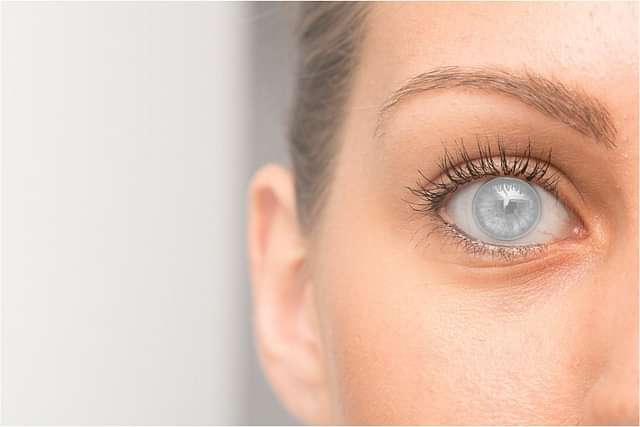
Overview of Disease
Cataracts are a prevalent eye condition that affects millions of people worldwide, particularly those over the age of 60. According to the World Health Organization (WHO), cataracts affect an estimated 94 million people worldwide, making it one of the leading causes of preventable vision impairment (World Health Organization, 2023). The condition occurs when the usually clear lens of the eye becomes cloudy, obstructing the passage of light and causing various visual disturbances.
In this article, we will delve into the details of cataracts, exploring how they develop, the different stages of the disease, and the various types of cataracts that can occur. We will also discuss the available treatment options, including cataract surgery and available intraocular lens options.
What is Cataract?
A cataract is a gradual clouding of the eye's natural lens, which sits behind the iris and pupil. The lens is responsible for focusing light onto the retina, allowing us to see clearly. When proteins in the lens break down and clump together, the lens becomes increasingly opaque, leading to symptoms such as blurred vision, glare, and difficulty distinguishing colours. Cataracts can develop due to a variety of factors, including age, injury, certain medications, and underlying health conditions like diabetes.
Key Factors about Cataract
| Category | Details |
| Also Referred to as | Clouding of the lens, Opacity of the lens |
| Commonly Occurs In | Older adults, particularly those over 40 years old |
| Affected Organ | The eye, specifically the lens |
| Type | Nuclear Sclerotic, Cortical, Posterior Subcapsular, Traumatic, Congenital |
| Common Signs | Cloudy or dim vision, glare, halos around lights, difficulty with nighttime driving, frequent changes in glasses or contact lens prescriptions |
| Consulting Specialist | Ophthalmologist or Optometrist |
| Treatment Procedures | Cataract surgery (removal of cloudy lens and implantation of Intraocular Lens - IOL) |
Types of Cataract
Cataracts can be classified into several types based on their location within the lens and the underlying cause of their development. The most common types include:
- Nuclear Cataract: This type of cataract forms in the central part of the lens, known as the nucleus. It can cause nearsightedness and distorted vision, particularly in low-light conditions. Nuclear cataracts are often associated with the natural ageing process.
- Cortical Cataract: Cortical cataracts develop in the outer layer of the lens, called the cortex. They are characterised by white, wedge-shaped opacities that start at the periphery of the lens and gradually extend towards the centre. Cortical cataracts can cause glare, blurred vision, and depth perception issues.
- Posterior Subcapsular Cataract: This type of cataract forms at the back of the lens, directly underneath the lens capsule. It tends to develop more rapidly than other types and is often associated with steroid use, diabetes, or exposure to excessive ultraviolet light. Symptoms may include glare, halos around lights, and difficulty reading.
- Congenital Cataract: In rare cases, cataracts can be present at birth or develop during early childhood. Genetic factors, maternal infections, or other developmental issues may cause congenital cataracts. Prompt treatment is essential to prevent amblyopia (lazy eye) and ensure proper visual development.
Early Signs of Disease
Cataracts often develop slowly and painlessly, so vision changes are easily dismissed as normal age-related changes. However, being aware of the early signs can help with prompt diagnosis and treatment. These include:
- Cloudy or blurry vision: Vision may appear fuzzy or hazy, making it harder to read, drive or see faces clearly.
- Increased sensitivity to light and glare: Bright lights may seem overwhelming, with increased glare from the sun, lamps, or oncoming headlights when driving at night.
- Seeing halos around lights: Lights may appear to have a halo or aura around them, especially at night.
- Colours seem faded or yellowed: Colours may not appear as bright as they once did and have a yellowish tinge.
- Double vision or ghosting in one eye: This can occur in one or both eyes and may clear as the cataract gets larger.
- Frequent changes in eyeglass or contact lens prescription: Your prescription may change frequently as cataracts progress, especially as they increase your nearsightedness.
Symptoms of Cataract
Cataracts can develop slowly over time, and symptoms may not be noticeable in the early stages. As the condition progresses, however, various signs and symptoms may become apparent (Nizami et al., 2024):
- Cloudy or Blurry Vision: One of the most common symptoms of cataracts is a gradual clouding or blurring of vision. This can make it difficult to read, drive, or see fine details clearly.
- Difficulty Seeing at Night: Cataracts can cause increased sensitivity to glare from headlights or other light sources, making it challenging to see clearly at night.
- Sensitivity to Light and Glare: As cataracts develop, individuals may experience heightened sensitivity to bright lights and glare, which can be particularly bothersome in sunny conditions.
- Halos Around Lights: Some people with cataracts may notice halos or rings around light sources, especially at night.
- Fading or Yellowing of Colours: Cataracts can cause colours to appear faded, less vivid, or yellowed, affecting the overall quality of vision.
- Double Vision: In some cases, cataracts can lead to double vision in one eye, which can be disorienting and interfere with daily activities.
- Frequent Changes in Eyeglass Prescription: As cataracts progress, individuals may require frequent changes to their eyeglass or contact lens prescriptions to maintain clear vision.
- Difficulty with Daily Activities: Impaired vision due to cataracts can make it challenging to perform everyday tasks such as reading, cooking, or personal grooming.
Stages of Cataract
The progression of cataracts typically occurs in several stages:
- Early Cataract: At this stage, the lens remains mostly clear, but the ability to focus between near and far objects may become compromised. Symptoms can include mild blurring, glare, and eye strain.
- Immature Cataract: As the cataract develops, the lens becomes increasingly cloudy, and visual changes become more noticeable. Symptoms may include blurred vision, colours appearing less vibrant, difficulty reading, and poor night vision.
- Mature Cataract: At this stage, the cataract has progressed to the point where vision is significantly impaired, making daily activities like driving and recognising faces challenging. The lens may take on a milky or yellowish appearance.
- Hypermature Cataract: In the final stage of cataract development, the lens becomes very dense and hardened, leading to severe vision loss and potential complications such as glaucoma.
Causes of Cataract
Several factors can contribute to the development of cataracts, with age being the most common cause.
Ageing
- As we grow older, the proteins in the eye's lens begin to break down and clump together, resulting in cloudy areas that obstruct light from passing through and focusing correctly on the retina.
- This age-related deterioration is a natural process, but certain factors can accelerate the formation of cataracts.
Environmental Factors
- Exposure to environmental elements can significantly impact the development of cataracts. Prolonged exposure to ultraviolet (UV) radiation from the sun increases the risk of cataract formation, especially for individuals who spend extended periods outdoors without proper eye protection.
- Additionally, radiation therapy for cancer treatment can also lead to the development of cataracts.
Medical Conditions and Lifestyle Choices
Various medical conditions and lifestyle choices can influence the likelihood of developing cataracts.
- Diabetes, for example, is a significant risk factor due to high blood sugar levels affecting the eye's lens.
- Eye injuries, whether immediate or years after the initial trauma, can result in traumatic cataracts.
- Other medical conditions, such as hypertension and certain eye surgeries like glaucoma treatment, can also elevate the risk of cataract formation.
Lifestyle choices play a crucial role in cataract prevention. Smoking and excessive alcohol consumption have been linked to an increased risk of cataracts. A diet lacking in antioxidants and essential vitamins can also contribute to the development of cataracts, as can obesity.
Medications and Genetic Factors
Long-term use of certain medications, particularly corticosteroids, diuretics, and tranquillisers, can increase the risk of developing cataracts. It is essential to discuss the potential side effects of any medications with a healthcare professional to assess the risk of cataract formation.
Genetic factors also play a role in the development of cataracts. A family history of cataracts can increase an individual's likelihood of developing the condition. Genetic mutations can lead to congenital cataracts, which are present at birth, or make the lens more susceptible to damage from environmental risk factors.
Risk Factors
Several factors can increase your risk of developing cataracts:
- Age: Cataracts are most common in older adults, as the proteins in the lens naturally break down over time.
- Diabetes: High blood sugar levels can cause changes in the lens, leading to cataract formation.
- UV exposure: Prolonged exposure to ultraviolet radiation from the sun can contribute to cataract development.
- Smoking and alcohol: Tobacco use and excessive alcohol consumption are associated with a higher risk of cataracts.
- Family history: Genetic factors can make some individuals more prone to developing cataracts.
- Obesity: Being overweight or obese increases the likelihood of developing cataracts.
- Eye injuries or surgeries: Previous trauma or surgery to the eye can make you more susceptible to cataracts.
- Certain medications: Long-term use of corticosteroids and other medications can contribute to cataract formation.
Prevention of Cataract
Although there is no guaranteed way to prevent cataracts, you can take steps to protect your eye health and potentially slow the progression of the condition:
- Schedule regular eye exams: Routine check-ups with your eye doctor can help detect cataracts early, allowing for timely treatment.
- Wear sunglasses: Protect your eyes from harmful UV rays by wearing sunglasses that block 100% of UV-A and UV-B radiation.
- Maintain a healthy diet: Consume a balanced diet rich in fruits and vegetables, which contain antioxidants that support eye health.
- Quit smoking: If you smoke, consider quitting to reduce your risk of cataracts and other eye conditions.
- Limit alcohol intake: Moderate your consumption of alcoholic beverages, as excessive drinking can contribute to cataract formation.
- Manage chronic conditions: Keep diabetes, hypertension, and other health issues under control to minimise their impact on your eye health.
Diagnosis & Tests
If you suspect that you may have cataracts, it's essential to undergo a comprehensive eye examination conducted by an ophthalmologist or an eye-care provider. During the examination, several tests and procedures will be performed to diagnose cataracts accurately.
- The visual acuity test measures how well you can see by asking you to read letters or numbers from a distance, typically using a Snellen chart.
- Each eye is tested individually to assess any vision impairment caused by the cataract.
- The slit lamp examination uses a microscope with a bright light to examine the structures at the front of your eye, including the cornea, iris, and lens, helping the doctor to spot any abnormalities.
- Pupil examination helps assess ocular health, but cataracts are primarily diagnosed by slit-lamp examination and visual assessment. In contrast, the tonometry test measures the intraocular pressure inside the eye to rule out other conditions such as glaucoma.
- Lastly, the retinal examination, performed after dilating your pupils with eye drops, allows the doctor to examine the retina and other structures at the back of the eye, detecting any abnormalities and assessing the extent of the cataract.
These comprehensive tests collectively enable the ophthalmologist to diagnose cataracts accurately and determine the most appropriate treatment options based on the severity of the condition.
Treatment & Management
Cataracts are a progressive condition, and early detection is essential for maintaining good vision and quality of life. Management involves a combination of medications, surgical intervention, and postoperative care to ensure optimal outcomes.
1. Diagnosis and Treatment Planning
- A comprehensive eye examination helps assess visual acuity and determine the extent of the cataract.
- Mydriatic eye drops, such as phenylephrine and tropicamide, are used to dilate the pupil, allowing for a thorough examination of the lens.
- Based on the severity of the cataract and its impact on daily life, treatment options, including surgery, are considered.
2. Surgical Intervention
- Cataract surgery is the most effective treatment, where the cloudy lens is removed and replaced with an intraocular lens (IOL).
- Phacoemulsification is the most common technique that uses ultrasound waves to break up the lens for removal through a small incision.
- Laser-assisted cataract surgery provides greater precision in certain steps of the procedure.
- The choice of technique depends on the patient’s eye condition and specific needs.
3. Postoperative Care
- Antibiotic eye drops, such as ciprofloxacin, moxifloxacin, besifloxacin, levofloxacin, and gatifloxacin, help prevent post-surgical infections.
- Steroid eye drops, including dexamethasone, difluprednate, and prednisolone, are prescribed to reduce inflammation and aid healing.
- Nonsteroidal anti-inflammatory drugs (NSAIDs) like nepafenac and bromfenac help manage postoperative pain and swelling.
- Combined therapy with dexamethasone + tobramycin or tobramycin + loteprednol may be used for enhanced protection against infection and inflammation.
4. Long-Term Management
- Patients with diabetes may benefit from aldose reductase inhibitors such as alrestatin, ponalrestat, epalrestat, and lidorestat, which help prevent diabetic cataract progression.
- Regular follow-ups ensure proper healing and monitor for complications.
- Protecting the eyes, following postoperative instructions, and using prescribed medications as directed are essential for recovery.
5. Patient Education and Consent
- Clear communication about cataract symptoms, treatment options, benefits, and risks ensures that patients make informed decisions.
- Discussion about surgical procedures, possible outcomes, and post-surgery care helps set realistic expectations.
6. Multidisciplinary Approach
- Collaboration with optometrists, ophthalmic nurses, and rehabilitation specialists ensures a comprehensive treatment plan.
- A well-coordinated healthcare team helps patients regain clear vision and improve their quality of life.
Living with Disease
Living with cataracts can be a challenging experience, as this common eye condition can significantly impact daily life. Cataracts occur when the natural lens of the eye becomes cloudy, leading to a gradual decline in vision. While cataracts are not typically painful, they can cause a range of symptoms that make everyday tasks more difficult.
- Managing symptoms without surgery: In the early stages of age-related cataracts, symptoms can sometimes be managed without immediately resorting to surgery. Simple adaptations to your daily life can help you cope with the gradual vision changes caused by cataracts.
- Using brighter lights at home and work can significantly improve visibility, making it easier to read, write, and perform other tasks.
- A magnifying glass can be a helpful tool for reading small print or working on detailed projects.
- If you experience increased sensitivity to glare, especially when driving at night, wearing anti-glare glasses or sunglasses can help reduce the discomfort and improve your vision in those situations.
- In some cases, updating your prescription for eyeglasses or contact lenses may provide temporary improvement in vision, allowing you to manage your cataract symptoms for a period of time.
- However, it's important to keep in mind that these strategies are only temporary solutions, and as the cataract progresses, surgery may become necessary to restore clear vision and improve your quality of life.
- Regular eye check-ups are crucial to monitor the progression of your cataracts and determine the optimal time for cataract treatment.
- Considering surgery: When cataracts begin to significantly impact your daily activities, such as reading, driving, or recognising faces, it may be time to consider cataract surgery as a more permanent solution.
- Cataract surgery is the definitive treatment for cataracts, involving the removal of the clouded lens and its replacement with an artificial intraocular lens (IOL).
- This procedure is typically performed on an outpatient basis and has a high success rate in restoring clear vision.
- Your ophthalmologist will assess your individual case, taking into account factors such as your age, overall health, and the severity of your cataracts, to determine if you are a suitable candidate for lens replacement surgery.
- They will also discuss the different types of IOLs available, including monofocal, multifocal, and toric lenses, to help you choose the best option for your lifestyle and visual needs.
- While cataract surgery is generally safe and effective, it's essential to understand the potential risks and benefits before making a decision.
- Your eye-care provider will guide you through the process, answering any questions you may have and ensuring that you are well-informed about the procedure and its expected outcomes.
When to See a Doctor?
While cataracts typically do not require immediate medical attention, there are certain scenarios where consulting a doctor is necessary. If cataracts begin to impact daily activities such as reading, driving, or watching television, it is crucial to seek medical advice. Experiencing sudden vision changes, double vision, or significant glare and halos around lights are also reasons to consult an eye doctor. Regular eye exams are essential for monitoring the progression of cataracts and determining the appropriate time for cataract treatment. By working closely with an eye care professional, individuals can develop a personalised plan for managing their cataracts and preserving their vision.
Key Takeaways
- A cataract is a cloudy area in the lens of the eye that affects vision
- Cataracts are a common age-related eye condition, but can also occur due to other factors like diabetes, steroid use, or eye injury
- Early signs of cataracts include blurry vision, glare, poor night vision, and frequent changes in glasses prescription
- Cataract treatment options include new glasses, brighter lighting, anti-glare sunglasses, or cataract surgery
- Cataract surgery involves removing the cloudy lens and replacing it with an artificial lens implant
- Prevention strategies include protecting your eyes from UV light, managing health conditions, and not smoking
FAQs
What is the primary cause of cataracts?
How much do cataracts impact a person's life?
Can the progression of cataracts be slowed down?
Can cataracts be life-threatening?
What is the most effective cataract treatment option?
How are cataracts removed during surgery?
Is the cataract operation painful?
At what age do cataracts typically begin to develop?
Is it safe to undergo lens replacement surgery for cataracts?
What foods can help prevent cataracts?
References
- American Academy of Ophthalmology. (2021). What are cataracts? https://www.aao.org/eye-health/diseases/what-are-cataracts
- National Eye Institute. (n.d.). Cataracts. https://www.nei.nih.gov/learn-about-eye-health/eye-conditions-and-diseases/cataracts
- World Health Organization. (2023, August 10). Blindness and vision impairment. World Health Organization. https://www.who.int/news-room/fact-sheets/detail/blindness-and-visual-impairment
- Nizami, A. A., Gurnani, B., & Gulani, A. C. (2024, February 27). Cataract. StatPearls - NCBI Bookshelf. https://www.ncbi.nlm.nih.gov/books/NBK539699
Check Related Salts
Latest health articles

Top Health Essentials





















Disclaimer
Top-Selling Medicines:
...View more
Top-OTC medicines:
...View more
Company
About UsHealth ArticleHealth StoriesHealth LibraryDiseases & Health ConditionsAyurvedaUnderstanding Generic MedicinesAll MedicinesAll BrandsNeed HelpFAQSecuritySavings CalculatorAdvertise with UsSubscribe
Registered Office Address
Grievance Officer
Download Truemeds


Contact Us
Our customer representative team is available 7 days a week from 9 am - 9 pm.
v4.28.13

2026 - Truemeds | All rights reserved. Our content is for informational purposes only. See additional information.

Our Payment Partners




