

- Medicines
- Personal Care
- Skin Cream
- Sunscreen
- Face Wash
- Skin and Body Soap
- Acne Care
- Body Lotions
- Moisturising Lotion
- Moisturising Cream
- Mosquito Repellent
- Moisturising Gel
- Body Wash
- Hair Oils
- Hair Shampoo
- Hair Conditioners
- Hair Supplements
- Hair Colour
- Hair Serum
- Hair Mask
- Hair Solutions
- Baby Diapers and Wipes
- Baby Lotion and Moisturising Cream
- Baby Bath Essentials
- Baby Skin Care
- Baby and Infant Food
- Baby Healthcare
- Women Multivitamins
- Ovulation Test Kit and Women Intimate Care
- Sanitary Pads
- Nutritional Drinks
- Condoms
- Lubricants
- Massage Gels
- Personal Body Massagers
- Men Performance Booster
- Sexual Health Supplements
- Massage Oils
- Ayurveda
- Tooth Paste
- Mouth Ulcer Gel
- Mouthwash
- Toothache and Gum Pain
- Tooth Brush
- Gargle Solution
- Orthopaedic Supports
- Adult Diapers
- Footwear
- Mobility and Support Accessories
- Urinary Support and Care
- Health Conditions
- Bone and Joint Care
- Digestive Care
- Eye Care
- Pain Relief
- Smoking Cessation
- Liver Care
- Stomach Care
- Cold and Cough
- Heart Care
- Kidney Care
- Piles, Fissures & Fistula
- Respiratory Care
- Mental Wellness
- Derma Care
- Pre and Probiotics
- Acidity
- Gas
- Constipation
- Loose Motion/Diarrhoea
- Digestive Fibres
- Digestive Enzymes
- Eye Lubricant Drops
- Lens Solution
- Safety Eye Wear
- Eye Cream
- Eye Vitamins and Supplements
- Eye Drops
- Eye Ointment and Gel
- Nicotine Patch
- Nicotine Gum
- Nicotine Lozenges
- Cough Syrups
- Chest Rubs and Balms
- Nasal Spray
- Lozenges
- Inhalant Capsules
- Cold and Cough Tablets
- Vitamins & Supplements
- Diabetes Care
- Healthcare Devices
- Homeopathic Medicine
- Health Guide
Eye Infection
Eye infections are common conditions caused by various microorganisms, such as bacteria, viruses, or fungi, affecting different parts of the eye. Symptoms may include redness, swelling, pain, discharge, itching, and blurred vision. Recognising the early signs of an eye infection is crucial for seeking prompt medical attention and preventing complications.
 50
50Last updated on : 14 Apr, 2026
Read time : 13 mins
Overview of Disease
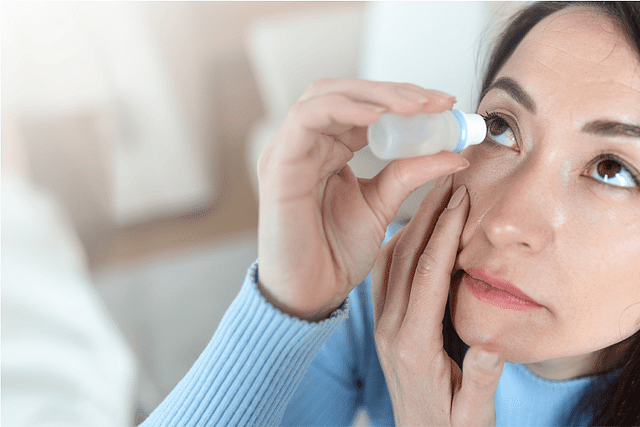
Eye infections are a prevalent health concern that can affect people of all ages. These infections occur when harmful microorganisms, such as bacteria or viruses, invade the eye or the surrounding tissues. Common symptoms of eye infections include redness, itching, discharge, and pain.
If left untreated, some eye infections can lead to more serious complications, such as vision loss. Understanding the causes, symptoms, and treatment options for eye infections is essential for maintaining optimal eye health.
What is Eye Infection?
An eye infection is a disease of the eyes caused by a harmful microorganism, such as a virus, bacterium, or fungus. These infections can occur in different parts of the eye, including the eyelid, cornea, and conjunctiva.
Eye infections can be contagious and can spread through contact with an infected person or by touching contaminated surfaces. Understanding the nature of eye infections is crucial for effective prevention and treatment.
Conjunctivitis is the most common eye infection and can be caused by viruses and bacteria (Manente et al., 2022).
Key Factors about Eye Infection
| Category | Details |
| Also Referred as | Pink eye (commonly refers to conjunctivitis) |
| Commonly Occurs In | Children, adults, and contact lens wearers |
| Affected Organ | Conjunctiva, cornea, eyelids, and other eye structures |
| Type | Viral, bacterial, fungal, and allergic (non-infectious) |
| Common Signs | Redness, itching, discharge, swollen eyelids |
| Consulting Specialist | Ophthalmologist, primary care physician |
| Treatment Procedures | Antibiotic eye drops/ointments, antiviral or antifungal medicines (depending on cause), antihistamines |
| Managed By | Antibiotics, antivirals, antifungals, and antihistamines |
| Mimicking Condition | Allergic conjunctivitis, irritant conjunctivitis |
Early Signs of Eye Infection
It is essential to recognise the early signs of an eye infection to seek medical attention promptly. Some early signs to look out for include:
- Redness or swelling of the eyes
- Discharge or pus in the eyes
- Eye pain or discomfort
- Itching or burning sensation in the eyes
- Blurred vision
- Sensitivity to light
- Increased tearing or watery eyes
- A feeling of something being stuck in the eye
If you experience any of these symptoms, it is crucial to seek medical attention promptly to prevent complications and promote proper healing.
Symptoms of Eye Infection
The symptoms of an eye infection can vary depending on the underlying cause and can include:
- Redness and swelling of the eyes
- Eye pain or discomfort
- Discharge or pus in the eyes
- Itching or burning sensation in the eyes
- Blurred vision
- Sensitivity to light
- Watery eyes
- Dry eyes
- Crusty lashes and lids, especially in the morning
Being aware of these symptoms can help individuals identify an eye infection early on and seek appropriate medical care.
Stages of Eye Infection
There are three main stages in the progression of eye infections:
- Early Stage: In the initial phase of an eye infection, you may experience mild redness, itching, and a gritty sensation, as if there's sand in your eye. Your eyes may also be more watery than usual. At this point, the condition may affect only one eye.
- Acute Stage: As the infection progresses, symptoms intensify. The redness becomes more pronounced, and you may notice a thick, coloured discharge that causes your eyelids to stick together, especially in the morning. Both eyes may be affected at this stage. You may also have swollen eyelids, increased light sensitivity, and blurry vision.
- Resolution Stage: With proper treatment or as your body fights off the infection, the symptoms gradually subside. The redness, swelling, and discharge decrease, and you start to feel more comfortable. However, you may still be contagious at this stage, so it's important to continue with precautions like frequent hand washing.
While most cases of eye infections resolve without complications, severe or untreated infections can lead to serious eye health issues. If you suspect you have pink eye, it's best to consult your doctor for an accurate diagnosis and an appropriate treatment plan tailored to the specific cause of your eye infection.
Causes of Eye Infection
Eye infections can be caused by a variety of factors, including:
- Bacteria: Bacterial eye infections, such as bacterial conjunctivitis, are caused by bacteria that enter the eye or the surrounding tissues.
- Viruses: Viral eye infections, such as viral conjunctivitis, are caused by viruses that infect the eye or the surrounding tissues.
- Allergies: Allergic reactions to substances such as pollen, pet dander, or cosmetics can cause eye irritation and inflammation and may mimic an eye infection, but are not infectious.
- Contact lenses: Improper use or care of contact lenses can increase the risk of eye infections, particularly bacterial keratitis.
- Other factors: Eye infections can also be caused by exposure to contaminated water, sharing personal items such as towels or makeup, or touching the eyes with unwashed hands.
Knowing the causes of eye infections can help you take steps to prevent them and reduce your risk of developing these conditions.
Risk Factors
Several factors can increase an individual's risk of developing an eye infection.
- Contact lens wearers, especially those who do not adhere to proper hygiene and care guidelines, are at a higher risk (Albasheer et al., 2024).
- Exposure to someone with viral or bacterial conjunctivitis, having allergies, or being in environments where fungal spores are prevalent can also increase the likelihood of an eye infection.
- People with weakened immune systems, diabetes, or those who use corticosteroids are more susceptible to fungal eye infections.
Identifying and addressing these risk factors is essential for reducing the incidence of eye infections and maintaining optimal eye health.
Complications
If left untreated, eye infections can lead to serious complications that may have long-lasting effects on vision and overall health.
- Inflammation of the cornea, a condition known as keratitis, can affect visual acuity and, in severe cases, lead to permanent vision loss.
- Untreated fungal infections have the potential to penetrate deeper into the eye, causing endophthalmitis, a sight-threatening medical emergency that requires immediate attention.
- Some eye infections can spread to other parts of the body, further emphasising the importance of prompt evaluation and treatment by a healthcare professional.
By seeking timely eye infection treatment and following appropriate eye infection remedies, individuals can minimise the risk of these complications and protect their vision.
Prevention of Eye Infection
To prevent eye infections, several key practices can be implemented:
- Wash your hands frequently: Regular and thorough hand washing is crucial to prevent the transfer of harmful bacteria, viruses, and fungi to the eyes. Wash your hands for at least 20 seconds, especially after touching dirty surfaces or before handling contact lenses.
- Avoid touching your eyes: Touching your eyes with unwashed hands can introduce infectious agents. Avoid rubbing or touching your eyes as much as possible.
- Maintain proper contact lens care: Clean and store contact lenses according to the instructions provided. Always wash your hands before handling contacts, and avoid wearing them overnight unless prescribed by an eye care professional.
- Do not share makeup or makeup brushes: Sharing eye makeup or makeup brushes can spread infections. Discard expired makeup and avoid sharing personal cosmetic items.
- Use personal items responsibly: Avoid sharing towels, pillowcases, or other personal items that may come into contact with your eyes. Change and wash these items daily, especially if you have an eye infection.
- Keep your environment clean: Avoid areas with high pest populations and ensure good ventilation to reduce the risk of mould and other environmental pathogens.
- Regular eye check-ups: Regular eye exams can help detect early signs of eye infections, allowing for timely treatment and preventing complications.
Implementing these preventive measures can significantly reduce the risk of developing an eye infection. However, if symptoms of an eye infection do occur, prompt diagnosis is essential.
Diagnosis & Tests
Diagnosing an eye infection typically involves a combination of clinical evaluation and sometimes additional tests. An eye doctor will examine the eye to look for symptoms such as redness, pain, swelling, itching, sensitivity to light, and unusual discharge. They may also ask about the history of the symptoms and whether there has been any recent exposure to potential sources of infection. In some cases, a sample of the discharge may be sent to a laboratory for culture to identify the causative agent.
Additionally, the doctor may perform a visual acuity test or use a slit lamp to examine the eye more closely. Early diagnosis is crucial to prevent complications and ensure effective treatment.
Once an eye infection is diagnosed, appropriate treatment can be initiated based on the specific type of infection.
Treatment & Management
The treatment of eye infections depends on the underlying cause, with specific medications targeting bacterial, viral, and fungal pathogens.
1. Bacterial Eye Infections
Bacterial eye infections such as conjunctivitis, keratitis, or blepharitis are treated with antibiotic eye drops or ointments.
- Aminoglycosides like gentamicin, tobramycin, and amikacin are commonly used for their broad-spectrum antibacterial effects.
- Fluoroquinolones such as ciprofloxacin, ofloxacin, gatifloxacin, moxifloxacin, and besifloxacin are particularly effective against severe bacterial infections.
- Macrolides like azithromycin and erythromycin provide an alternative for patients allergic to other antibiotics.
- Chloramphenicol and sulfacetamide sodium can also be prescribed in specific cases.
- Cephalosporins, such as cefazolin, may be used in more resistant infections or in specialised or hospital settings.
2. Viral and Fungal Eye Infections
Viral eye infections, such as herpes simplex keratitis, may require antiviral agents like trifluridine and acyclovir to limit viral replication and speed up recovery. Fungal eye infections, though less common, can be severe and require antifungal agents such as natamycin, amphotericin B, ketoconazole, itraconazole, voriconazole, and fluconazole, depending on the severity and type of infection.
3. Hygiene Measures
Besides medications, warm compresses can help relieve discomfort and promote drainage. Artificial tears and antihistamine eye drops can help manage allergic eye conditions. Maintaining good hygiene, such as frequent handwashing, avoiding eye rubbing, and not sharing personal items like towels or makeup, is essential to prevent the spread or recurrence of infections. If symptoms persist or worsen despite treatment, consulting an eye care professional for further evaluation is crucial.
Living with Eye Infection
Living with an eye infection can be a challenging and uncomfortable experience. Eye infections, which can be caused by bacteria, viruses, or fungi, can affect various parts of the eye, including the conjunctiva (the thin, clear tissue covering the white part of the eye), the cornea (the transparent front part of the eye), and the uvea (the middle layer of the eye). To effectively manage an eye infection, it is crucial to follow the treatment plan prescribed by your healthcare provider. This often involves using eye drops or ointments containing antibiotics or antiviral medications.
- When applying these medications, ensure that the dropper or tube does not come into contact with any part of the eye to prevent further contamination.
- Maintaining good hygiene is also essential to prevent the spread of the infection. This includes washing your hands frequently, especially before and after touching your eyes, avoiding sharing personal items like towels and makeup, and refraining from rubbing your eyes.
- If you are a contact lens wearer, it is advisable to temporarily switch to wearing glasses until the infection has cleared up. Using lubricant eye drops (artificial tears) can help alleviate symptoms such as dryness and discomfort.
While living with an eye infection can be difficult, following proper treatment and hygiene practices can help you manage the condition effectively and prevent it from worsening.
When to See a Doctor?
If you suspect that you have an eye infection, it is important to seek medical attention promptly. Several key indicators can help you determine when it is necessary to consult a doctor. Firstly, if your eyes become red, swollen, or painful, it could be a sign of an eye infection such as conjunctivitis (pink eye) or a more serious condition. The presence of yellow, green, or clear discharge from one or both eyes is another common symptom that warrants medical attention.
If you experience blurred or changed vision, it is crucial to seek help immediately, as this could indicate a more severe eye infection or an underlying health issue. Increased sensitivity to light can also be a symptom of various types of eye infections.
In some cases, eye infections may be accompanied by systemic symptoms such as fever or swollen lymph nodes near the ear, which can signify a more serious infection that requires prompt treatment.
Lastly, if your symptoms do not improve with treatment or worsen over time, it is essential to seek immediate medical attention to prevent potential complications and ensure proper care.
Key Takeaways
- Eye infections can be caused by various pathogens, including bacteria, viruses, and fungi.
- Common symptoms of eye infections include redness, swelling, pain, discharge, itching, and blurred vision.
- Maintaining good hygiene and following prescribed treatment plans are crucial for managing eye infections effectively.
- If you experience symptoms such as severe pain, changes in vision, or no improvement with treatment, seek medical attention promptly.
- Prevention measures include avoiding touching or rubbing your eyes, washing your hands frequently, and not sharing personal items like towels or makeup.
- Different types of eye infections may require specific treatments, such as antibiotics for bacterial infections or antiviral medications for viral infections.
- Regular eye check-ups and maintaining a healthy lifestyle can help prevent eye infections and promote overall eye health.
- If you wear contact lenses, it is important to follow proper lens care and hygiene practices to reduce the risk of developing an eye infection.
- In case of a suspected eye infection, it is always best to consult an eye care professional for an accurate diagnosis and an appropriate treatment plan.
- By being proactive and taking the necessary steps to prevent, identify, and manage eye infections, you can help maintain healthy eyes and protect your vision in the long run.
FAQs
What are the best ways to treat an eye infection?
What signs and symptoms indicate an eye infection?
How should one clean an eye affected by an infection?
Can eye infections resolve without medical intervention?
Which medications are most effective for treating eye infections?
What steps can be taken to prevent eye infections?
Are there any natural remedies that can help cure eye infections?
How is salt water used to treat an eye infection?
Is it possible for eye infections to be contagious?
What are the most effective over-the-counter medications for eye infections?
References
- American Academy of Ophthalmology. (2021). Conjunctivitis. https://www.aao.org/eye-health/diseases/pink-eye-conjunctivitis
- Centers for Disease Control and Prevention. (2021). Conjunctivitis (Pink Eye). https://www.cdc.gov/conjunctivitis/index.html
- Eberhardt, M. (2025). Blepharitis. In StatPearls. StatPearls Publishing. https://www.ncbi.nlm.nih.gov/books/NBK459305/
- Medscape. (2021). Viral conjunctivitis. https://emedicine.medscape.com/article/1191370-overview
- National Eye Institute. (2024). Blepharitis. https://www.nei.nih.gov/learn-about-eye-health/eye-conditions-and-diseases/blepharitis
- Manente, R., Santella, B., Pagliano, P., Santoro, E., Casolaro, V., Borrelli, A., Capunzo, M., Galdiero, M., Franci, G., & Boccia, G. (2022). Prevalence and antimicrobial resistance of causative agents to ocular infections. Antibiotics, 11(4), 463. https://doi.org/10.3390/antibiotics11040463
- Albasheer, O., Gosadi, I. M., Abuallut, I., Khawaji, F. F., Almalki, A. J., Muqanna, A. K., Otaif, A. A., Abdali, M. M., Almukhashi, A. M., & Refaie, K. M. (2024). Awareness and hygiene practices among contact lens wearers: a Population-Based Cross-Sectional Survey. Cureus. https://doi.org/10.7759/cureus.54723
Latest health articles

Top Health Essentials




















Disclaimer
Top-Selling Medicines:
...View more
Top-OTC medicines:
...View more
Company
About UsHealth ArticleHealth StoriesHealth LibraryDiseases & Health ConditionsAyurvedaUnderstanding Generic MedicinesAll MedicinesAll BrandsNeed HelpFAQSecuritySavings CalculatorAdvertise with UsSubscribe
Registered Office Address
Grievance Officer
Download Truemeds


Contact Us
Our customer representative team is available 7 days a week from 9 am - 9 pm.
v4.28.14

2026 - Truemeds | All rights reserved. Our content is for informational purposes only. See additional information.

Our Payment Partners