

- Medicines
- Personal Care
- Skin Cream
- Sunscreen
- Face Wash
- Skin and Body Soap
- Acne Care
- Body Lotions
- Moisturising Lotion
- Moisturising Cream
- Mosquito Repellent
- Moisturising Gel
- Body Wash
- Hair Oils
- Hair Shampoo
- Hair Conditioners
- Hair Supplements
- Hair Colour
- Hair Serum
- Hair Mask
- Hair Solutions
- Baby Diapers and Wipes
- Baby Lotion and Moisturising Cream
- Baby Bath Essentials
- Baby Skin Care
- Baby and Infant Food
- Baby Healthcare
- Women Multivitamins
- Ovulation Test Kit and Women Intimate Care
- Sanitary Pads
- Nutritional Drinks
- Condoms
- Lubricants
- Massage Gels
- Personal Body Massagers
- Men Performance Booster
- Sexual Health Supplements
- Massage Oils
- Ayurveda
- Tooth Paste
- Mouth Ulcer Gel
- Mouthwash
- Toothache and Gum Pain
- Tooth Brush
- Gargle Solution
- Orthopaedic Supports
- Adult Diapers
- Footwear
- Mobility and Support Accessories
- Urinary Support and Care
- Health Conditions
- Bone and Joint Care
- Digestive Care
- Eye Care
- Pain Relief
- Smoking Cessation
- Liver Care
- Stomach Care
- Cold and Cough
- Heart Care
- Kidney Care
- Piles, Fissures & Fistula
- Respiratory Care
- Mental Wellness
- Derma Care
- Pre and Probiotics
- Acidity
- Gas
- Constipation
- Loose Motion/Diarrhoea
- Digestive Fibres
- Digestive Enzymes
- Eye Lubricant Drops
- Lens Solution
- Safety Eye Wear
- Eye Cream
- Eye Vitamins and Supplements
- Eye Drops
- Eye Ointment and Gel
- Nicotine Patch
- Nicotine Gum
- Nicotine Lozenges
- Cough Syrups
- Chest Rubs and Balms
- Nasal Spray
- Lozenges
- Inhalant Capsules
- Cold and Cough Tablets
- Vitamins & Supplements
- Diabetes Care
- Healthcare Devices
- Homeopathic Medicine
- Health Guide
Rosacea
Rosacea is a chronic skin condition that causes redness, inflammation, and visible blood vessels on the face. It affects millions of people worldwide, with symptoms varying from person to person. While the exact cause remains unknown, it is believed to involve a combination of genetic, environmental, and immune system factors.
 50
50Last updated on : 08 May, 2026
Read time : 13 mins
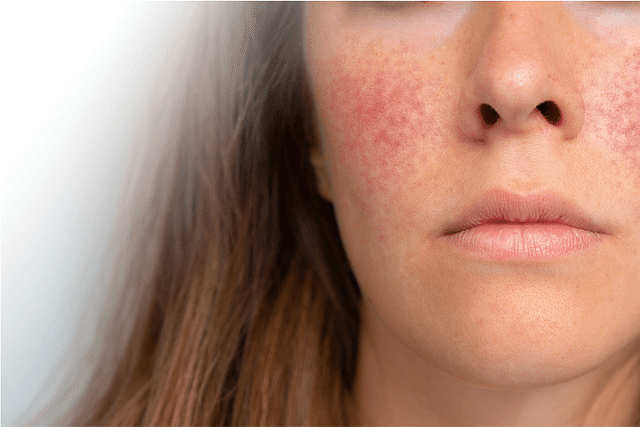
Overview of Disease
Rosacea is a chronic skin condition that primarily affects the face, particularly the cheeks, nose, chin, and forehead. It is characterised by redness, inflammation, and visible blood vessels, with symptoms that can vary from person to person.
The cause of rosacea is unclear, but it is believed to result from a mix of genetic, environmental, and immune factors. Understanding the nature of this condition is crucial for those seeking effective management and treatment options.
What Is Rosacea?
Rosacea is a long-term skin condition that causes redness and rash, mainly on the nose and cheeks. Sometimes, it can also affect the eyes, causing redness, irritation, and watery discharge.
The symptoms come and go, with flare-ups triggered by things like sun exposure, stress, and certain foods or drinks. Identifying the symptoms early is vital for getting the right diagnosis and treatment.
Key Factors about Rosacea
| Category | Details |
| Also Referred to as | Erythematotelangiectatic rosacea (ETR), Papulopustular rosacea, Phymatous rosacea, Ocular rosacea |
| Commonly Occurs In | People between the ages of 30 and 50, fair-skinned individuals (particularly of Celtic or Scandinavian ancestry) |
| Affected Organ | Skin (primarily face), eyes |
| Type | Erythematotelangiectatic (ETR), Papulopustular, Phymatous, Ocular |
| Common Signs |
|
| Consulting Specialist | Dermatologist |
| Treatment Procedures | Topical creams, oral medicines (e.g., isotretinoin), laser treatment, dermabrasion, and electrocautery |
| Managed By | Topical and oral medicines (e.g., metronidazole, azelaic acid, doxycycline, isotretinoin in severe cases) |
| Mimicking Condition | Acne, sunburn, seborrhoeic dermatitis, lupus erythematosus |
Types of Rosacea
Rosacea can be classified into several distinct types, each with its own set of symptoms:
- Erythematotelangiectatic Rosacea (ETR): This type is characterised by persistent redness on the face and visible blood vessels under the skin. Without treatment, the redness may worsen or become permanent.
- Papulopustular Rosacea (PPR): PPR causes pus-filled bumps and swollen red bumps that resemble acne. This can appear on the forehead, cheeks, chin, and sometimes the scalp, chest, or neck.
- Phymatous Rosacea: This rare type causes the skin to thicken and become irregular in texture. It typically affects the nose, leading to a swollen, bumpy, and sometimes discoloured appearance.
- Ocular Rosacea: When rosacea affects the eyes, it can cause irritation, a bloodshot or watery appearance, dryness, and sensitivity. Cysts may also form on the eyelids.
Recognising the specific type of Rosacea is crucial for determining the most appropriate course of treatment and management. Early diagnosis and intervention can help prevent the progression of the condition and minimise its impact on an individual's quality of life.
Symptoms of Rosacea
Rosacea is a chronic skin condition that presents in different forms, each with its own set of symptoms. The four main subtypes of rosacea include IQWiG (2023):
1. Erythematotelangiectatic Rosacea (ETR)
- Persistent facial redness: A flushed appearance on the cheeks, nose, forehead, and chin that does not fade.
- Visible blood vessels (telangiectasias): Small, dilated blood vessels appear on the central face.
- Flushing episodes: Sudden, intense blushing triggered by heat, stress, alcohol, or spicy foods.
- Burning and stinging: A sensation of heat or discomfort in the affected areas.
- Skin sensitivity: The skin may become irritated by certain skincare products or environmental factors.
2. Papulopustular Rosacea
- Acne-like breakouts: Red bumps (papules) and pus-filled pimples (pustules) appear on the face, but without blackheads.
- Persistent redness: Background redness is present along with breakouts.
- Swelling: Mild to moderate facial swelling, especially in areas with frequent breakouts.
3. Phymatous Rosacea
- Skin thickening: The skin becomes rough, bumpy, and thickened over time.
- Enlarged pores: Pores in the affected areas appear more prominent.
- Rhinophyma (thickened nose): The nose becomes bulbous and enlarged due to excess tissue growth.
- Facial disfigurement: In severe cases, thickened skin can alter facial features and may affect nasal function.
4. Ocular Rosacea
- Eye irritation: The eyes may feel dry, itchy, or watery.
- Redness and swelling: Bloodshot eyes and inflamed eyelids (blepharitis).
- Light sensitivity: Discomfort in bright light.
- Blurry vision: Vision may become temporarily impaired due to eye inflammation.
- Styes or crusting: Small bumps or crusts may form on the eyelids.
Recognising the subtype of rosacea is crucial for effective treatment. If you notice these symptoms, consult a dermatologist for a tailored treatment plan
Causes of Rosacea
While the exact cause of rosacea remains unknown, several factors are believed to contribute to its development:
- Genetics: A family history of rosacea may increase the risk of developing the condition. Certain genetic predispositions may make individuals more susceptible to the disorder.
- Environmental Factors: Exposure to various environmental triggers, such as sunlight, extreme temperatures, and emotional stress, may exacerbate rosacea symptoms and cause flare-ups. Identifying and avoiding these triggers can help in managing the condition.
- Microbes: Certain micro-organisms on the skin, particularly the Demodex folliculorum mite, have been associated with rosacea. These microbes may contribute to the inflammation and skin irritation characteristic of the disorder.
- Immune System Overactivity: An overactive immune system response may play a role in the development of rosacea. The immune system's overreaction to various triggers can lead to inflammation and the onset of rosacea symptoms.
- Ultraviolet (UV) light: Prolonged sun exposure can damage skin cells and blood vessels, leading to increased redness and flare-ups in rosacea.
- Abnormalities in the blood vessels: Dysfunctional blood vessels cause persistent redness, flushing, and visible veins (telangiectasias) in patients with rosacea.
- Triggers that initiate inflammation: Factors such as stress, spicy foods, alcohol, and extreme temperatures can activate the immune system, thereby worsening rosacea symptoms.
- Role of mites and bacteria: Overgrowth of Demodex mites may contribute to inflammation; however, the role of Helicobacter pylori remains uncertain.
- Defective skin barrier: A weakened skin barrier allows irritants and allergens to penetrate easily, leading to increased sensitivity, redness, and flare-ups.
Although the precise causes of rosacea are still being researched, understanding these potential contributing factors can help prevent and manage the condition. Knowing your risk factors for developing rosacea is also crucial in taking proactive steps to maintain healthy skin.
Risk Factors
Some individuals may be at a higher risk of developing Rosacea due to various factors, including NIAMS (2024):
- Age: Rosacea typically begins after age 30 and is more common among middle-aged and older adults. The risk of developing the condition increases with age.
- Skin Type: People with fair skin are more likely to develop rosacea, but it can also affect darker-skinned individuals. Those with sensitive skin or a history of sun damage may be at a higher risk.
- Family History: Having a family member with rosacea increases the likelihood of developing the condition, suggesting a genetic component to the disorder.
- Gender: While rosacea affects both men and women, it is more common in women, particularly during menopause. However, men are more likely to develop severe forms of the condition, such as rhinophyma.
- Lifestyle Factors: Certain habits, such as excessive alcohol consumption and smoking, may trigger or worsen symptoms rather than directly causing rosacea. Exposure to extreme temperatures or sunlight can also worsen symptoms.
Understanding your risk factors for rosacea can help you take preventive measures and seek early intervention if symptoms appear. Working closely with a dermatologist can help you develop a personalised plan to manage your rosacea and maintain healthy, clear skin.
Complications
Rosacea can lead to several complications if left untreated or poorly managed.
- Ocular Complications: Ocular rosacea affects over 50% of patients with rosacea and can cause significant eye problems. This includes dryness, redness, tearing, light sensitivity, and blurred vision.
- Keratitis Risk: Severe cases can lead to Keratitis, which may result in corneal damage and vision impairment if not treated promptly.
- Rhinophyma: In severe cases, rosacea can cause the skin on the nose to thicken. This leads to a condition known as Rhinophyma, resulting in an enlarged, bulbous nose appearance, which is more common in men.
- Morbihan Disease: A rare variant of rosacea, known as Morbihan Disease, can cause facial lymphoedema. It results in facial and eyelid redness and swelling.
- Psychological Impact: Rosacea can also have a significant psychological impact, leading to anxiety, depression, and embarrassment, affecting the patient's quality of life.
- Systemic Conditions: Rosacea has been associated with conditions such as cardiovascular disease, gastrointestinal disorders, and neurological conditions. However, these associations do not imply a direct cause-and-effect relationship and require further research.
Preventing rosacea complications is crucial, and several measures can help manage and reduce the frequency and severity of symptoms.
Prevention of Rosacea
While there is no definitive way to prevent rosacea, several measures can help manage its symptoms and reduce their frequency and severity.
- Avoid Triggers: Identify and avoid common triggers such as UV rays, extreme temperatures, spicy foods, alcohol, stress, and irritating skincare products.
- UV Protection: Use sunscreen with at least SPF 30 and wear protective clothing to minimise sun exposure.
- Gentle Skincare: Follow a consistent skincare routine with gentle cleansers and avoid harsh products.
- Track Flare-ups: Keep a diary to identify personal triggers and manage symptoms effectively.
- Treatment Adherence: Follow prescribed treatments, including topical or oral medicines and procedures such as laser therapy, to control symptoms and prevent complications.
Diagnosis & Tests
The diagnosis of rosacea is typically based on a clinical examination of the skin and a thorough patient history.
- Clinical Examination: Dermatologists look for signs like facial redness, visible blood vessels, papules, and pustules. They may ask about triggers.
- Ruling Out Other Conditions: Tests may be performed to exclude conditions such as Lupus, seborrhoeic dermatitis, or acne vulgaris.
- Skin Biopsy: A skin biopsy may be performed to examine the skin tissue under a microscope and confirm the presence of inflammation and other characteristic features of rosacea.
- Eye Examination: For ocular rosacea, an ophthalmologist may assess for blepharitis, conjunctivitis, or corneal involvement.
- Imaging Tests: Imaging is rarely required and not routinely used in the diagnosis of rosacea.
Treatment & Management
The treatment of rosacea is personalised based on its type and severity. Before starting treatment, several factors are considered:
- Symptoms present
- Triggers that worsen the condition
- Patient’s preference regarding appearance
- The psychological impact of the condition
Treatment goals should include relieving discomfort and inflammation and preventing the condition from worsening.
Managing rosacea involves a combination of lifestyle changes, skincare routines, and medical treatments.
- Gentle Skincare Routine: A gentle skincare routine is crucial for managing rosacea symptoms. Use a mild, fragrance-free cleanser formulated for sensitive or rosacea-prone skin, and apply it gently with your fingertips using a circular motion. Rinse with lukewarm water and pat the face dry with a clean cotton towel. After cleansing, moisturise your skin, especially if you are using topical medicines for rosacea. Apply your medicine first, followed by a moisturiser to help hydrate and comfort the skin.
- Sun Protection: Protect your skin year-round with a broad-spectrum sunscreen with at least SPF 30. Mineral sunscreens containing titanium dioxide or zinc oxide are recommended, as they are less likely to irritate sensitive skin.
- Avoid Triggers: Identifying and avoiding triggers that can exacerbate rosacea is essential. Common triggers include extreme temperatures, stress, alcohol, spicy foods, and certain skincare products.
- Skincare Practices: Be gentle with your skin; avoid rubbing, scrubbing, or massaging, and refrain from using washcloths or facial sponges.
- Ocular Rosacea Care: If you have ocular rosacea, maintain good eyelid hygiene by using warm compresses and lubricating eye drops (artificial tears) as needed.
Also, avoid products containing potential irritants such as alcohol, camphor, menthol, and strong exfoliating agents. While lifestyle changes can help manage rosacea symptoms, medicines may be necessary for more effective treatment.
Medication for Rosacea
Topical medications are commonly used to manage rosacea, particularly in its milder forms. These treatments help reduce redness, inflammation, and breakouts associated with the condition.
1. US-FDA-Approved Topical Agents
- Azelaic acid
- Metronidazole
- Sodium sulfacetamide
- Brimonidine
2. Oral Therapies
Oral medications are typically prescribed for moderate-to-severe papulopustular rosacea. These treatments help manage inflammation and control symptoms more effectively.
a. US-FDA Approved Oral Medications
- Tetracycline
- Doxycycline
- Minocycline
b. Other Oral Medications
- Macrolides (erythromycin, azithromycin, clarithromycin)
- Beta-blockers (e.g., propranolol) may be used off-label for flushing in selected cases
- Isotretinoin
- Topical ivermectin
When to See a Doctor?
If you suspect you have rosacea or your symptoms are not improving with self-care measures, it's important to consult a dermatologist. Early diagnosis and treatment can help prevent the progression of rosacea and minimise its impact on your quality of life. See a doctor if you experience persistent redness, bumps, or pimples on your face, especially if they are accompanied by burning or stinging.
If your eyes are affected, causing redness, dryness, or irritation, seek medical attention promptly to prevent complications. Additionally, if your rosacea symptoms are causing emotional distress or affecting your self-esteem, don't hesitate to discuss your concerns with a healthcare professional. They can provide guidance on coping strategies and support groups.
Key Takeaways
- Rosacea is a chronic skin condition characterised by facial redness, visible blood vessels, and sometimes, bumps and pimples.
- While the exact cause of rosacea is unknown, factors such as genetics, immune system abnormalities, and environmental triggers may play a role.
- Early signs of rosacea include frequent blushing or flushing, persistent redness, and small blood vessels visible on the face.
- A diagnosis of rosacea involves a physical examination and a review of medical history. There is no specific test for rosacea.
- Rosacea treatment involves a combination of lifestyle changes, skincare routines, and medication, depending on symptom severity and type.
- Topical treatments, such as metronidazole, azelaic acid, and brimonidine, can help manage mild-to-moderate rosacea symptoms.
- Oral antibiotics and isotretinoin may be prescribed for more severe cases of rosacea.
- Identifying and avoiding triggers, maintaining a gentle skincare routine, and protecting the skin from the sun are essential for managing rosacea symptoms.
- Early diagnosis and treatment of rosacea can help prevent progression and minimise its impact on quality of life.
FAQs
What are some effective ways to manage rosacea?
What is the primary approach to treating rosacea?
Which topical cream is most effective for rosacea?
Is it possible to completely cure rosacea?
Can vitamin C be beneficial for people with rosacea?
Does rosacea resolve on its own without treatment?
Is coconut oil a safe option for managing rosacea?
Can aloe vera gel help alleviate rosacea symptoms?
Is applying ice beneficial for managing rosacea flare-ups?
At what age do people typically start developing rosacea?
References
- National Institute of Arthritis and Musculoskeletal and Skin Diseases. (2024). Rosacea. https://www.niams.nih.gov/health-topics/rosacea
- Institute for Quality and Efficiency in Health Care (IQWiG). (2023). Rosacea. https://www.ncbi.nlm.nih.gov/books/NBK279476/
- Johns Hopkins Medicine. (n.d.). Rosacea. https://www.hopkinsmedicine.org/health/conditions-and-diseases/rosacea
- MedlinePlus. (n.d). Rosacea. https://medlineplus.gov/rosacea.html
- National Health Service (NHS). (2023). Rosacea. https://www.nhs.uk/conditions/rosacea/
Latest health articles

Top Health Essentials











Disclaimer
Top-Selling Medicines:
...View more
Top-OTC medicines:
...View more
Company
About UsHealth ArticleHealth StoriesHealth LibraryDiseases & Health ConditionsAyurvedaUnderstanding Generic MedicinesAll MedicinesAll BrandsNeed HelpFAQSecuritySavings CalculatorAdvertise with UsSubscribe
Registered Office Address
Grievance Officer
Download Truemeds


Contact Us
Our customer representative team is available 7 days a week from 9 am - 9 pm.
v4.28.14

2026 - Truemeds | All rights reserved. Our content is for informational purposes only. See additional information.

Our Payment Partners




