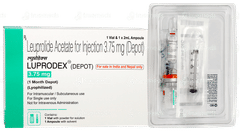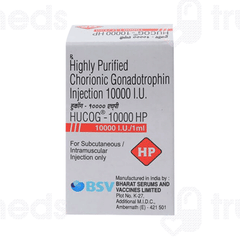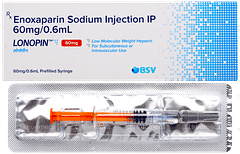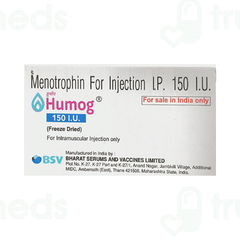
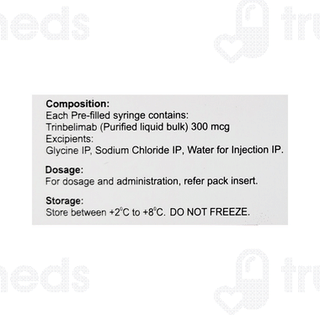
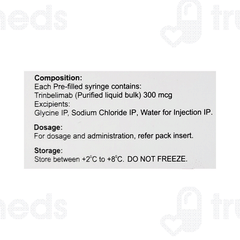
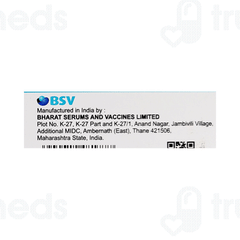


 Composition
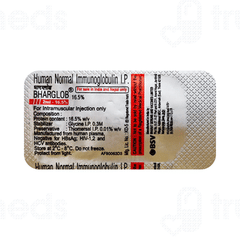
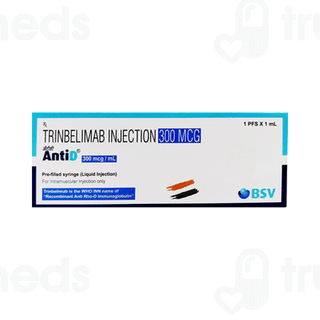
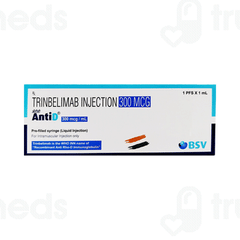
AntiD 300 mcg Injection is used to prevent Rhesus (Rh) isoimmunisation, in which an Rh-negative mother's body forms antibodies against Rh-positive blood. This may happen when she is exposed to Rh-positive foetal blood during pregnancy or delivery. By preventing it, this injection helps protect babies in future pregnancies from a blood condition called haemolytic disease of the newborn. It is given only to Rh-negative women.
AntiD 300 mcg Injection is given as an injection by a doctor or nurse. It is usually given around the 28th week of pregnancy and again within 72 hours after delivery. Follow your doctor's prescribed dose and duration. Attend all your antenatal visits. Tell your doctor promptly about any bleeding, injury or procedure during pregnancy, so the injection can be given at the right time.
Common side effects of AntiD 300 mcg Injection include mild pain or tenderness at the injection site, a slight headache and a low-grade fever. Mild effects may settle during treatment. Inform your doctor or nurse if symptoms persist or worsen. Tell your care team right away if you notice unusual pain, swelling or breathlessness. Get emergency help for swelling of the face or throat. Your doctor or nurse decides the dose and timing.
Before using AntiD 300 mcg Injection, tell your doctor about any recent vaccines, blood clotting problems or an earlier allergic reaction to blood products. Mention all medicines you take. This injection is given during pregnancy when your doctor feels it is needed. Tell your doctor if you are breastfeeding. Keep all your antenatal check-ups. Report persistent or serious side effects to your care team.