Key Takeaways
- Tension headaches cause bilateral, pressing pain; migraines typically cause unilateral, throbbing pain
- Migraines often include nausea and light sensitivity and can last 4 to 72 hours
- Migraine accounted for 90% of years lived with disability (YLDs) attributed to headache disorders globally, despite tension-type headaches being more common
- Certain warning signs like fever, stiff neck, or confusion with headache require emergency care
- Treatment differs significantly between headache types; correct identification guides effective management
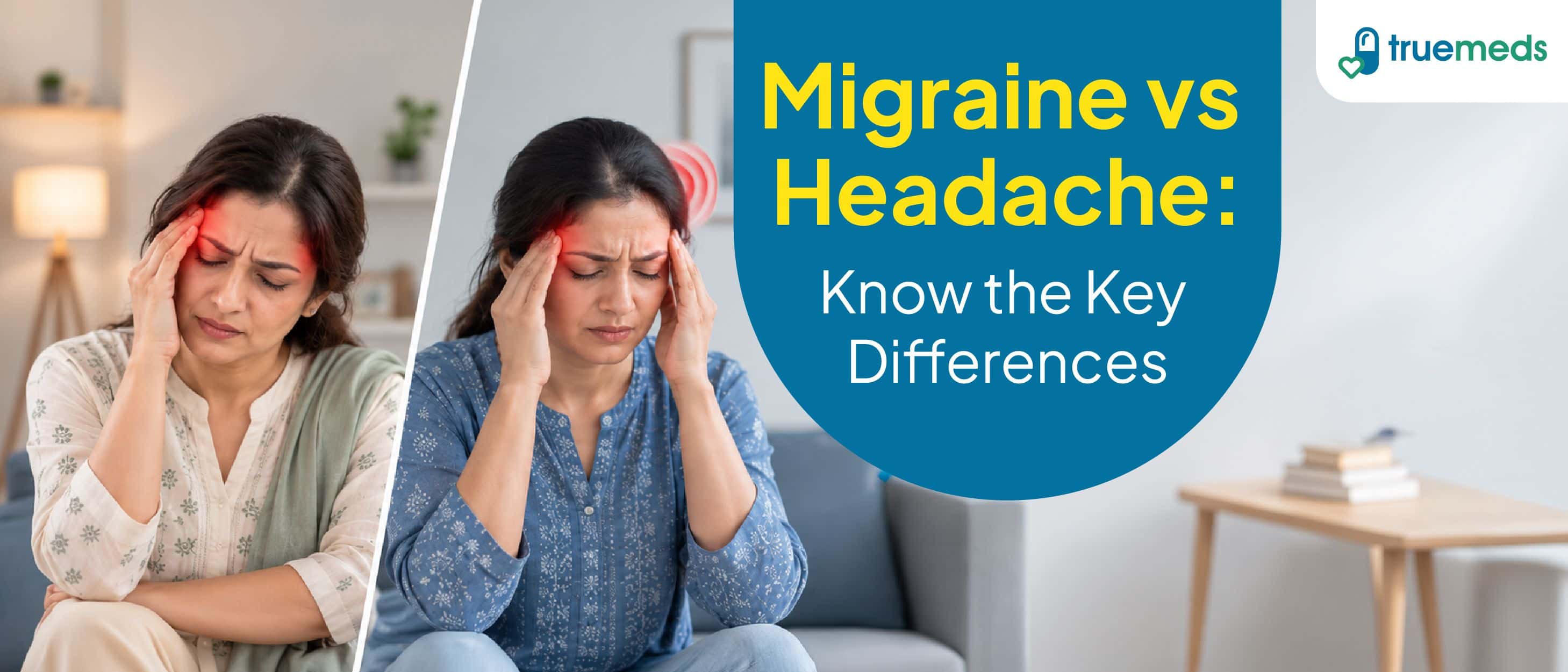
Understanding the difference between migraine vs headache is essential for finding effective relief. While both cause head pain, they differ significantly in causes, symptoms, and treatment approaches. Migraine is a complex neurological disorder characterised by moderate-to-severe pain, often accompanied by nausea and sensitivity to light and sound [1]. Proper diagnosis is the key to successful management, as separating primary headache types determines which treatments will actually help[2]. This article explains the key distinctions to help you recognise your symptoms and seek appropriate care.
What is a headache?
A headache is pain or discomfort in any part of the head and is something most people experience at some point. Headaches can occur on their own (primary headaches) or result from another health condition (secondary headaches). They may be triggered by factors such as stress and dehydration or caused by infections and other underlying health conditions (such as sinus infections or eye strain)[3].
Tension-type headache (TTH) is the most common type of primary headache[4]. It typically presents as bilateral pain, described as a dull ache or squeezing sensation, often associated with fatigue and tenderness in the muscles around the head and neck[5].
The condition is thought to involve heightened sensitivity of the central nervous system, particularly the trigeminal system, along with muscle contraction in the head and neck region. Diagnosis is primarily clinical, based on characteristic symptoms such as pressing or tightening pain without nausea or vomiting[4].
What is a migraine?
Migraine is a genetically influenced neurological disorder characterised by episodes of moderate-to-severe headache[1]. Unlike regular headaches, migraines typically produce unilateral (one-sided) pulsating pain that develops gradually over hours to days [6].
Migraine attacks usually last between 4 and 72 hours. Early symptoms may start hours or up to 2 days before the head pain begins and can continue after the headache stops[7]. Approximately 25% of individuals with migraines experience accompanying focal neurological symptoms called auras, which may include visual disturbances, either before or during the headache[6].
Types of headaches
Primary headaches occur independently without an underlying disease. The main types include:
- Tension-type headache: The most common form, causing bilateral pressing or tightening pain[4]
- Migraine: A neurological condition with moderate-to-severe throbbing pain, often one-sided[1]
- Cluster headache: A rare but severe type affecting about 0.1% of the population, considered one of the most painful headache types[5]
Cluster headaches belong to a category called trigeminal autonomic cephalgias[5]. Each headache type requires different management approaches, making accurate identification important.
Migraine vs headache: key differences
Understanding the headache vs migraine difference helps guide appropriate treatment. The following table summarises the main distinctions[1],[3],[7]:
| Feature | Headache | Migraine |
|---|---|---|
| Pain location | Can occur in different parts of the head | Often affects one side of the head |
| Pain quality | May feel like pressure, tightness, or a dull ache | Often throbbing or pulsating |
| Pain intensity | Can range from mild to severe | Usually moderate to severe |
| Duration | Depends on the type and cause | Usually 4 to 72 hours |
| Nausea or vomiting | Not typical of many common headaches | Common |
| Sensitivity to light or sound | Less common | Common |
| Effect of physical activity | Depends on the type of headache | Often worsens with routine physical activity |
Despite tension-type headache being almost twice as prevalent as migraine (24.9% vs 14.1% globally), migraine accounts for 90% of years lived with disability attributed to headache disorders[8]. This highlights the significantly greater burden migraine places on affected individuals.
When head pain is a medical emergency
While most headaches are not dangerous, certain warning signs require immediate medical attention. Seek emergency care if your headache occurs alongside[9]:
- High temperature (fever)
- Stiff neck
- Mental confusion
- Seizures
- Double vision
- A rash
These symptoms may indicate a more serious condition such as meningitis or stroke[9]. A sudden, severe headache that feels like the worst you have ever experienced also warrants urgent evaluation.
If you experience any of these warning signs, seek emergency medical care immediately rather than waiting for symptoms to pass.
How migraines and headaches are treated
Treatment approaches differ based on headache type. Consult your doctor before starting any treatment.
Tension headache treatment
For occasional tension headaches, over-the-counter pain relievers such as paracetamol or ibuprofen may provide relief. However, frequent use can lead to medication-overuse headaches[4].
Migraine treatment
If standard painkillers or NSAIDs do not relieve your migraine when taken early in the attack, your doctor may suggest trying a triptan for your next attack. For severe migraine attacks, triptans may be used as first-line treatment[10].
Important precautions for pain medication use [7],[10]:
- Take medication early in the attack for best results
- Avoid taking painkillers for more than 2 days a week, as this can cause more headaches and make migraines harder to treat
Dosage must be determined by a healthcare provider. Do not self-medicate without medical supervision.
Conclusion
Understanding the differences between migraines and tension headaches can help you recognise your symptoms and get appropriate care. While their symptoms and treatments can differ, headaches may sometimes overlap. If your headaches are severe, unusual, or frequent, or interfere with daily activities, consult a healthcare provider. They can help identify the cause and recommend a suitable treatment plan.
FAQs
How do I know if my headache is actually a migraine?
Look for unilateral (one-sided) throbbing pain, nausea, sensitivity to light or sound, and duration between 4 and 72 hours. Migraines typically worsen with physical activity, whereas tension headaches usually do not. If you are unsure, consult a healthcare provider for proper diagnosis.
Can stress headaches turn into migraines?
Studies have demonstrated an association between high stress and the development of migraine. Major stressful life events may precede the transformation from episodic headache patterns to chronic migraine. Managing stress through relaxation techniques may help reduce this risk.
Are migraines genetic?
Yes, research suggests that migraines have a genetic component. Having a family history of migraines may increase your risk, while stress, hormonal changes, specific foods, and environmental influences can also trigger them.
What's the best way to treat a migraine at home?
Rest in a quiet, dark room and apply a cold compress to your forehead. Take pain relief early in the attack. If standard pain relievers do not help, speak with your doctor about prescription options such as triptans.
Should I go to the ER for a migraine?
Visit the emergency room if your headache comes with fever, stiff neck, confusion, seizures, double vision, or a rash. Also seek emergency care if the pain is sudden and the worst you have ever experienced, as these may indicate serious conditions.
Is a tension headache the same as a regular headache?
Tension-type headache is the most common primary headache type, so it is often what people mean by "regular headache". It causes bilateral pressing pain without nausea. Other primary headache types include migraine and cluster headache, which have different characteristics.
Medical Disclaimer
This article is for informational purposes only and does not constitute medical advice. The information provided should not be used for diagnosing or treating health conditions. Always consult a qualified healthcare provider for diagnosis, treatment, and personalised medical advice. Do not disregard professional medical advice or delay seeking it because of information found in this article. If you have a medical emergency, contact your doctor or emergency services immediately.
References
National Center for Biotechnology Information. (2024). Migraine headache. StatPearls. https://www.ncbi.nlm.nih.gov/books/NBK560787/
National Center for Biotechnology Information. (2022). Classification and diagnosis of primary headache disorders. PubMed. https://pubmed.ncbi.nlm.nih.gov/36191595/
Healthdirect. (2024). Headaches. https://www.healthdirect.gov.au/headaches
National Center for Biotechnology Information. (2024). Muscle contraction tension headache. StatPearls. https://www.ncbi.nlm.nih.gov/books/NBK562274/