

- Medicines
- Personal Care
- Skin Cream
- Sunscreen
- Face Wash
- Skin and Body Soap
- Acne Care
- Body Lotions
- Moisturising Lotion
- Moisturising Cream
- Mosquito Repellent
- Moisturising Gel
- Body Wash
- Hair Oils
- Hair Shampoo
- Hair Conditioners
- Hair Supplements
- Hair Colour
- Hair Serum
- Hair Mask
- Hair Solutions
- Baby Diapers and Wipes
- Baby Lotion and Moisturising Cream
- Baby Bath Essentials
- Baby Skin Care
- Baby and Infant Food
- Baby Healthcare
- Women Multivitamins
- Ovulation Test Kit and Women Intimate Care
- Sanitary Pads
- Nutritional Drinks
- Condoms
- Lubricants
- Massage Gels
- Personal Body Massagers
- Men Performance Booster
- Sexual Health Supplements
- Massage Oils
- Ayurveda
- Tooth Paste
- Mouth Ulcer Gel
- Mouthwash
- Toothache and Gum Pain
- Tooth Brush
- Gargle Solution
- Orthopaedic Supports
- Adult Diapers
- Footwear
- Mobility and Support Accessories
- Urinary Support and Care
- Health Conditions
- Bone and Joint Care
- Digestive Care
- Eye Care
- Pain Relief
- Smoking Cessation
- Liver Care
- Stomach Care
- Cold and Cough
- Heart Care
- Kidney Care
- Piles, Fissures & Fistula
- Respiratory Care
- Mental Wellness
- Derma Care
- Pre and Probiotics
- Acidity
- Gas
- Constipation
- Loose Motion/Diarrhoea
- Digestive Fibres
- Digestive Enzymes
- Eye Lubricant Drops
- Lens Solution
- Safety Eye Wear
- Eye Cream
- Eye Vitamins and Supplements
- Eye Drops
- Eye Ointment and Gel
- Nicotine Patch
- Nicotine Gum
- Nicotine Lozenges
- Cough Syrups
- Chest Rubs and Balms
- Nasal Spray
- Lozenges
- Inhalant Capsules
- Cold and Cough Tablets
- Vitamins & Supplements
- Diabetes Care
- Healthcare Devices
- Homeopathic Medicine
- Health Guide
Meningitis
Meningitis is an inflammatory condition of the meninges (the membranes covering the brain and spinal cord), most commonly caused by infectious agents such as bacteria, viruses, fungi, or parasites, and less commonly by non-infectious causes (drugs, autoimmune disease, malignancy). Bacterial meningitis is the most immediately life-threatening form and requires urgent empiric antimicrobial therapy; viral meningitis is usually less severe and often self-limited. Early recognition and prompt treatment are critical to reduce mortality and long-term disability, according to the (WHO (2025)).
 50
50Last updated on : 22 Apr, 2026
Read time : 16 mins
Overview of Disease
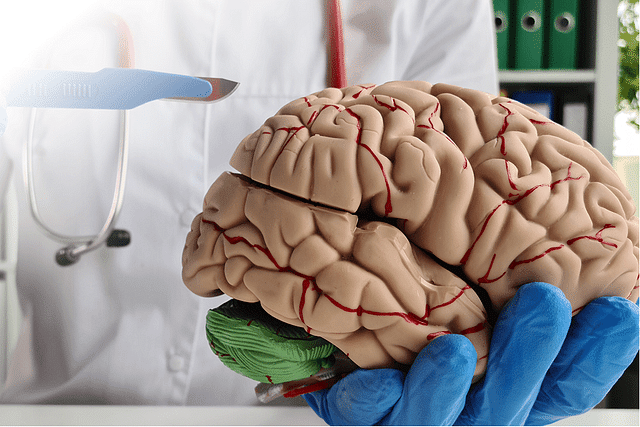
Meningitis is a severe and potentially life-threatening condition that requires immediate medical attention. It occurs when the protective membranes (meninges) that cover the brain and spinal cord become inflamed, usually due to an infection. While meningitis can affect people of all ages, it is more common in infants, young children, and individuals with weakened immune systems. Understanding the causes, symptoms, and treatment options for meningitis is essential for early detection and effective management of this serious condition.
What is Meningitis?
Meningitis is an infection and inflammation of the cerebrospinal fluid and the protective membranes covering the brain and spinal cord, known as the meninges. This condition arises when these membranes become inflamed, typically due to infections by bacteria, viruses, or fungi, or as a reaction to certain medications or diseases. The infection can spread to the meninges through the bloodstream or direct contact with an infected area.
Meningitis is classified into three primary types: viral, bacterial, and fungal, with viral meningitis being the most common and bacterial meningitis being more severe and potentially life-threatening if not promptly treated.
The term spinal meningitis is uncommon in modern clinical use — meningitis denotes inflammation of the meninges, which surround both brain and spinal cord; clinicians usually specify the causative agent (e.g., bacterial, viral) or a syndrome (e.g., meningococcal disease) rather than using spinal meningitis.
Key Factors about Meningitis
| Category | Details |
| Also Referred to as | Meningitis (general)
“Meningococcal disease” refers specifically to infections caused by Neisseria meningitidis (which can cause meningitis and/or invasive bloodstream infection) and is only one cause of bacterial meningitis |
| Commonly Occurs In | Age groups vary by cause:
|
| Affected Organ | Brain and spinal cord |
| Type | Viral, Bacterial, Fungal, Non-infectious (chemical) |
| Common Signs | Fever, stiff neck, severe headache, nausea or vomiting, confusion, seizures, sensitivity to light |
| Consulting Specialist | Primary care physician, emergency department, neurologist, infectious disease specialist |
| Treatment Procedures |
|
| Managed By | Antibiotics, Antivirals, Antifungals, Corticosteroids (dexamethasone) |
| Mimicking Condition | Encephalitis, Influenza (flu), Other viral infections |
Types of Meningitis
Meningitis can be classified into several types based on the causative agent, including:
- Bacterial meningitis (most severe; urgent treatment required): Common causes by age/setting include Streptococcus pneumoniae, Neisseria meningitidis, Haemophilus influenzae (type b less common where vaccinated), Group B Streptococcus, and E. coli in neonates, and Listeria monocytogenes in older adults or pregnant people.
- Viral meningitis (most common overall): Enteroviruses (most frequent), parechovirus in infants, herpes simplex virus (HSV-2/HSV-1), varicella zoster virus, and mumps virus.
- Fungal meningitis: Cryptococcus neoformans (most common in advanced HIV), Candida, Histoplasma in specific exposures; usually occurs in immunocompromised hosts.
- Parasitic and amoebic meningitis: Rare (e.g., Naegleria fowleri — primary amoebic meningoencephalitis after freshwater exposure).
- Non-infectious (chemical/drug/autoimmune/malignant) meningitis: Less common; requires a different workup.
Early Signs of Disease
Early detection of meningitis is vital for timely intervention and improved outcomes. Some of the early signs to watch out for include:
- Sudden high fever
- Severe, persistent headache
- Neck stiffness or pain when moving the neck
- Sensitivity to light (photophobia)
- Nausea and vomiting
- Altered mental state, confusion, or drowsiness
- A skin rash may occur, particularly with meningococcaemia (invasive N. meningitidis infection), and may progress rapidly to petechial or purpuric lesions that do not blanch; this is a medical emergency.
- Seizures
Symptoms of Meningitis
The symptoms of meningitis can vary depending on the type, but generally include:
- Fever and chills: One of the most common symptoms of meningitis is a high fever, often accompanied by chills. This can signal an underlying infection and should prompt immediate medical attention.
- Severe headache: A persistent and intense headache is another hallmark of meningitis. This headache often differs from a typical migraine or tension headache, being more severe and unrelenting.
- Stiff neck: People with meningitis often experience a stiff neck that makes it difficult to touch the chin to the chest. This stiffness is due to inflammation of the meninges and can be a key indicator of the disease.
- Nausea and vomiting: Nausea and vomiting frequently accompany meningitis, adding to the overall discomfort and severity of the illness. These symptoms are often related to the body's response to infection and increased intracranial pressure.
- Sensitivity to light: Photophobia, or sensitivity to light, is a common symptom in meningitis. Exposure to bright lights can worsen headaches and discomfort.
- Altered mental status: Meningitis can affect mental status, leading to confusion, irritability, or even drowsiness. In severe cases, people may experience seizures or loss of consciousness.
- Skin rash: In some cases, especially with bacterial meningitis, a rash may develop. This rash can appear as red or purple spots and does not fade when pressed.
- Sleepiness or difficulty waking: People with meningitis might feel unusually sleepy or have difficulty waking up. This symptom indicates a more serious progression of the disease and requires immediate medical attention.
Stages of Meningitis
Meningitis does not follow a single, uniform “staging” system; its course depends on the cause, host factors, and timeliness of treatment. Bacterial meningitis tends to have a rapid, fulminant course with a risk of death or serious neurologic sequelae without prompt therapy. Viral meningitis is often self-limited. Some forms (e.g., tuberculous or fungal meningitis) may present subacutely or chronically and require prolonged therapy. Prognosis depends heavily on the pathogen, patient age/comorbidities, level of consciousness at presentation, and treatment timeliness.
Causes of Meningitis
Meningitis can arise from a range of underlying factors, each contributing to the inflammation of the protective membranes surrounding the brain and spinal cord. These causes include:
- Bacteria: Bacterial infections are the most serious causes of meningitis. Common bacterial culprits include Streptococcus pneumoniae, Neisseria meningitidis, Haemophilus influenzae, and Listeria monocytogenes.
- Viruses: Viral infections are the most common causes of meningitis, often less severe than bacterial cases. Viruses like enteroviruses, herpes simplex virus, mumps virus, and HIV can lead to viral meningitis.
- Fungi: Fungal meningitis is rare but can affect people with weakened immune systems. Fungi such as Cryptococcus, Candida, and Histoplasma can cause this type of meningitis.
- Parasites: In rare cases, parasitic infections like amoebae (Naegleria fowleri) can cause meningitis, usually through contaminated water entering the nose.
- Non-infectious causes: These include certain medications, autoimmune disorders, and cancers, which can also trigger meningitis, although these are less common than infectious causes.
Risk Factors
Several factors can increase the risk of developing meningitis, including:
- Age: While meningitis can affect people of any age, it is more common in babies, young children, teenagers, and young adults.
- Weakened immune system: People with conditions that weaken the immune system, such as HIV/AIDS or those undergoing chemotherapy, are at higher risk.
- Close contact: People who are exposed to others with bacterial or viral meningitis, particularly through close contact like coughing or sneezing, have a higher risk of contracting the infection.
- Pregnancy: Pregnant women are more prone to listeriosis (a bacterial foodborne infection), which can lead to meningitis.
- Certain medical conditions: Individuals with chronic diseases like diabetes, kidney failure, or sickle cell disease have a higher risk of developing meningitis.
- Skipping vaccinations: Not staying up-to-date with recommended vaccinations against meningitis-causing bacteria (e.g., Haemophilus influenzae type b, meningococcus, and pneumococcus) can increase the risk.
Recognising these risk factors can help in the early identification and prevention of meningitis.
Complications
Meningitis can cause serious complications, especially if not treated promptly. Some of the potential complications include:
- Hearing loss: Meningitis can damage the auditory nerve, leading to permanent hearing loss.
- Brain damage: Inflammation of the meninges and brain tissue can result in cognitive impairment, memory problems, and learning difficulties.
- Seizures: Meningitis can cause seizures due to the inflammation and irritation of the brain.
- Hydrocephalus: In some cases, meningitis can lead to a buildup of cerebrospinal fluid in the brain, increasing pressure and potentially requiring surgical intervention.
- Sepsis: If the infection spreads to the bloodstream, it can cause sepsis, a life-threatening condition characterised by organ failure and shock.
- Death: In severe cases, meningitis can be fatal, especially if not treated promptly with appropriate antibiotics or antiviral medications.
Long-term effects of meningitis can include chronic pain, problems with coordination and balance, and emotional or behavioural changes. Prompt treatment is essential to minimise the risk of these serious complications.
Prevention of Meningitis
Several strategies can help prevent the occurrence and spread of meningitis, including:
- Vaccination: Vaccination is the most effective method of prevention for many forms of bacterial meningitis. Recommended vaccines include meningococcal conjugate vaccines (MenACWY) and MenB vaccines for at-risk groups and age groups; pneumococcal vaccines (PCV13, PCV15, PCV20 in children and adults as per schedule, and PPSV23 in older adults or at-risk adults); the Haemophilus influenzae type b (Hib) vaccine in infants; and vaccines for viral causes (e.g., measles, mumps), where applicable. Follow national immunisation schedules and local public health guidance.
- Maintaining hygiene: Practising good hygiene habits, such as washing hands frequently, covering the mouth and nose when coughing or sneezing, and avoiding sharing utensils or personal items, can help reduce the spread of infectious agents.
- Post-exposure prophylaxis for close contacts (meningococcal): Close contacts of a patient with invasive N. meningitidis disease should receive chemoprophylaxis (e.g., ciprofloxacin 500 mg orally as a single dose for adults; rifampin or ceftriaxone as alternatives in specific populations) as per public health guidance. Vaccination is recommended for contacts in certain settings according to local public health protocols.
- Safe food handling: Properly cooking and storing foods, especially those that can contain listeria (e.g., unpasteurised milk and soft cheeses), can help prevent foodborne infections that may lead to meningitis.
- Avoiding risk factors: Minimising exposure to known risk factors, such as reducing contact with infected individuals and avoiding areas with high rates of meningitis, can lower the chances of contracting the disease.
Diagnosis & Tests
Diagnosing meningitis involves a combination of clinical evaluation, laboratory tests, and imaging studies to confirm the presence and type of meningitis. The various diagnostic measures for meningitis include:
- Physical examination: A doctor will perform a physical exam to check for signs of infection around the head, ears, throat, and skin along the spine. Key signs include neck stiffness, headache, fever, and altered mental status.
- Blood tests: Blood cultures are taken to see if microorganisms, such as bacteria, are present. A complete blood count (CBC) and inflammatory markers (e.g., C-reactive protein) can also suggest an infection.
- Imaging and lumbar puncture (LP): In suspected acute community-acquired meningitis, obtain blood cultures immediately and start empiric antibiotics promptly if bacterial meningitis is suspected — do not delay antibiotic administration for imaging or LP. CT brain before LP is not required routinely and should be reserved for patients with focal neurologic deficits, new seizures, markedly reduced level of consciousness, papilledema, or immunocompromise (risk factors for intracranial mass or elevated intracranial pressure). When CT is indicated, it should not delay empiric antibiotics. LP with CSF analysis (cell count, glucose, protein, Gram stain, culture, and PCR where available) remains the diagnostic cornerstone according to the WHO (2025).
- CSF findings (typical patterns): In bacterial meningitis, markedly elevated CSF white blood cell count with neutrophil predominance, high protein, and low CSF glucose (often <40% of simultaneous serum glucose). Gram stain and culture are diagnostic when positive. In viral meningitis, lymphocytic predominance, normal or mildly elevated protein, and typically normal glucose are seen. CSF PCR (multiplex panels or organism-specific PCR) can rapidly detect viral and some bacterial pathogens and is a valuable adjunct, but results should be interpreted alongside clinical context and cultures— multiplex PCR panels have limitations (sensitivity and specificity vary by pathogen) (van de Beek et al., 2021).
- Polymerase chain reaction (PCR) test: This test detects pathogen nucleic acid (DNA/RNA) in CSF and helps identify many viral and bacterial causes rapidly (e.g., enterovirus, HSV, Listeria monocytogenes, Neisseria meningitidis, Streptococcus pneumoniae), depending on the panel. PCR tests do not detect antibodies; antibody tests (e.g., CSF IgM for some agents) are distinct. Multiplex PCR panels can speed diagnosis but have variable sensitivity and specificity for different pathogens.
Treatment & Management
Treatment for meningitis depends on the underlying cause, but swift action is essential to prevent severe complications. The treatment options include:
1. Antibiotic Therapy
Bacterial meningitis requires immediate administration of broad-spectrum antibiotics. Empiric antibiotic therapy (common adult regimens) includes starting IV antibiotics immediately when bacterial meningitis is suspected:
- Adults (age <50): a third-generation cephalosporin (ceftriaxone 2 g IV q12h or cefotaxime) plus vancomycin (to cover resistant S. pneumoniae).
- Adults (≥50 years) or immunocompromised: ceftriaxone (or cefotaxime) plus vancomycin plus ampicillin (for Listeria coverage).
- Neonates/infants: ampicillin plus (aminoglycoside such as gentamicin or third-generation cephalosporin such as cefotaxime) — regimens vary by age and local resistance patterns.
- Health-care-associated or post-neurosurgical meningitis: broader Gram-negative and MRSA coverage is indicated (e.g., vancomycin plus an anti-pseudomonal β-lactam such as ceftazidime, cefepime, or meropenem), guided by local protocols. Adjust therapy based on Gram stain/CSF culture results, PCR, and local antibiograms. Obtain blood cultures before antibiotics when feasible (van de Beek et al., 2021).
2. Antiviral Medications
- For suspected HSV (herpes simplex virus) or VZV central nervous system infection, intravenous acyclovir should be started promptly while awaiting diagnostic confirmation. Ganciclovir is generally used for confirmed CMV disease, not routinely for common viral meningitis. Many cases of viral meningitis (e.g., enterovirus) are managed supportively (van de Beek et al., 2021).
3. Antifungal Treatment
- For cryptococcal meningitis (common in advanced HIV), induction therapy is amphotericin B (often liposomal) plus flucytosine, followed by consolidation and maintenance with fluconazole. Newer evidence supports single high-dose liposomal amphotericin in resource-limited settings; management requires specialist care. Other fungal meningitides have disease-specific regimens (e.g., Histoplasma, Coccidioides) (Jarvis & Harrison, 2022).
4. Tuberculous Meningitis Treatment
- Tuberculous meningitis requires prolonged multi-medicine anti-tubercular therapy (e.g., isoniazid + rifampicin + pyrazinamide + ethambutol initially) for many months, along with adjunctive corticosteroids in most patients; treatment is specialist-led and longer than typical bacterial regimens.
5. Corticosteroids
- In adults with suspected bacterial meningitis, dexamethasone (e.g., 0.15 mg/kg IV q6h) may reduce neurologic complications and mortality in pneumococcal meningitis and is recommended to be given before or with the first dose of antibiotics when pneumococcal meningitis is suspected. In children, dexamethasone reduces hearing loss in Haemophilus influenzae type b meningitis. If the causative organism is found to be non-pneumococcal, discontinue dexamethasone. Do not delay administering antibiotics to administer steroids.
6. Supportive Care
- Supportive measures such as hydration, fever management, and pain relief play a vital role in treatment. Severe cases may require hospitalisation for close monitoring and additional supportive interventions.
7. Management of Complications
- Meningitis-related complications, including seizures or increased intracranial pressure, require specialised treatments and continuous medical care to prevent long-term effects.
8. Prevention and Vaccination
- Vaccinations against bacterial pathogens such as Neisseria meningitidis and Streptococcus pneumoniae, along with good hygiene practices, are key measures in preventing meningitis and reducing the risk of outbreaks.
Living with Disease
Living with meningitis, especially after recovery, involves several considerations. These include:
- Seek prompt medical attention if you suspect meningitis, as early diagnosis and treatment are crucial to prevent complications and improve outcomes.
- Attend regular follow-up appointments with your doctor to monitor your recovery and address any lingering symptoms or complications.
- Ensure you complete the prescribed course of treatment, even if you start feeling better.
- Get vaccinated against common bacterial causes of meningitis, such as Streptococcus pneumoniae, Neisseria meningitidis, and Haemophilus influenzae type b (Hib).
- Practice good hygiene, such as washing your hands frequently and avoiding close contact with someone who has meningitis.
- Stay informed about the signs and symptoms of meningitis and seek medical attention if you experience any of them.
- Follow-up care involves: Survivors of meningitis should have an early audiology assessment (hearing loss is a common sequela), along with neurological and cognitive rehabilitation as needed, and infectious disease/neurology follow-up to detect and manage late complications.
When to See a Doctor?
Meningitis is a serious condition that requires prompt medical attention. Seek emergency care for sudden high fever with severe headache, neck stiffness, altered mental status, seizures, unexplained petechial/purpuric rash, or new focal neurologic deficits.
If bacterial meningitis is suspected, emergency clinicians should obtain blood cultures and begin empiric IV antibiotics immediately—do not delay antibiotics for imaging or lumbar puncture if bacterial meningitis is likely.
Key Takeaways
- Meningitis is an inflammation of the protective membranes covering the brain and spinal cord, usually caused by viral, bacterial, or fungal infections.
- Common symptoms include sudden high fever, severe headache, stiff neck, sensitivity to light, confusion, and a characteristic rash.
- Diagnosis involves physical examination, blood tests, imaging tests, and cerebrospinal fluid analysis through a lumbar puncture.
- Treatment depends on the underlying cause and may include antibiotics, antiviral medications, or antifungal medications, along with supportive care.
- Prompt medical attention is crucial for preventing serious complications and improving outcomes.
- Preventive measures, such as vaccinations and maintaining good hygiene practices, can help reduce the risk of meningitis.
FAQs
What causes meningitis?
Can a person survive meningitis?
How does meningitis spread?
How do you avoid meningitis?
What are 5 symptoms of meningitis?
Who is at risk for meningitis?
Can meningitis be cured?
Which meningitis is not curable?
How is meningitis detected or diagnosed?
References
- Van de Beek, D., Brouwer, M. C., & Koedel, U. (2021). Community-acquired bacterial meningitis. The Lancet, 398(10323), 1171–1183. https://doi.org/10.1016/s0140-6736(21)00883-7
- World Health Organization. (2025). WHO guidelines on meningitis: diagnosis, treatment and care. Geneva: WHO. https://www.who.int/publications/i/item/9789240108042.
- Wall, E. C. (2021). Acute bacterial meningitis — clinical review. Clinical Infectious Diseases / Open Access Review (PMC). https://www.ncbi.nlm.nih.gov/pmc/articles/PMC7610733/
- Jarvis, J. N., & Harrison, T. S. (2022). Single-dose liposomal amphotericin B treatment for cryptococcal meningitis. New England Journal of Medicine, 386, 1107–1118. https://doi.org/10.1056/NEJMoa2111904
- Trujillo-Gómez, J., et al. (2022). BioFire FilmArray meningitis/encephalitis panel — diagnostic accuracy and clinical impact. eClinicalMedicine, 2022. https://doi.org/10.1016/j.eclinm.2022.101275

Latest health articles
Top Health Essentials












Disclaimer
Top-Selling Medicines:
...View more
Top-OTC medicines:
...View more
Company
About UsHealth ArticleHealth StoriesHealth LibraryDiseases & Health ConditionsAyurvedaUnderstanding Generic MedicinesAll MedicinesAll BrandsNeed HelpFAQSecuritySavings CalculatorAdvertise with UsSubscribe
Registered Office Address
Grievance Officer
Download Truemeds


Contact Us
Our customer representative team is available 7 days a week from 9 am - 9 pm.
v4.28.20

2026 - Truemeds | All rights reserved. Our content is for informational purposes only. See additional information.
Our Payment Partners