Key Takeaways
- Being tired and being sleepy are different. Sleepiness means feeling likely to fall asleep, whereas fatigue refers to a lack of energy. Distinguishing between them can help identify the cause.
- Insufficient or poor-quality sleep is a common cause of tiredness. Sleep apnoea, shift work, alcohol and stress can also contribute.
- Medicines can cause drowsiness, including sedating antihistamines, sleeping pills and some cough syrups. Consult a doctor if you suspect a medicine is contributing to your symptoms.
- Anaemia, an underactive thyroid, diabetes, vitamin B12 deficiency and depression can cause persistent tiredness. Blood tests may help identify some underlying conditions.
- Do not drive or operate machinery if you are drowsy. Stop in a safe place if sleepiness develops while driving.
- Do not start iron supplements or sleeping pills without appropriate medical advice. Vitamin B12 and vitamin D supplements should be taken when indicated.
- Consult a doctor if tiredness persists for two to three weeks, or earlier if other concerning symptoms develop. Seek emergency medical help for chest pain, fainting or symptoms of a stroke.
Feeling tired or sleepy is extremely common and can affect everything from productivity to overall well-being[1]. In today’s fast-paced world, stress, busy routines, and poor sleep habits often leave people feeling drained and unrested[2]. This kind of fatigue may be linked to something as simple as lack of sleep, or it could be caused by medical conditions or mental health issues like depression[3].
The impact of persistent tiredness is significant, leading to decreased productivity, mood disturbances, and even safety risks[3]. Understanding the causes of tiredness and exploring effective solutions is crucial to improving health and quality of life for those affected.
Sleepy or Tired? They Are Not the Same Thing
Before you look for a cause, work out which symptom you actually have, because they point in different directions.
Many people have both, and some conditions, such as depression, sleep apnoea and an underactive thyroid, can cause both. Knowing which one dominates helps your doctor narrow down the cause.
Why Am I Always Tired and Sleepy?
If you find yourself asking, "Why do I feel sleepy all the time?" you are not alone. Persistent tiredness and sleepiness can result from several factors, including poor sleep habits, sleep disorders, nutritional deficiencies, dehydration, chronic stress, mental health conditions, lifestyle factors, or underlying medical conditions. In many cases, more than one factor may contribute to fatigue, making it important to identify the underlying cause.
Lifestyle Factors and Poor Sleep Habits
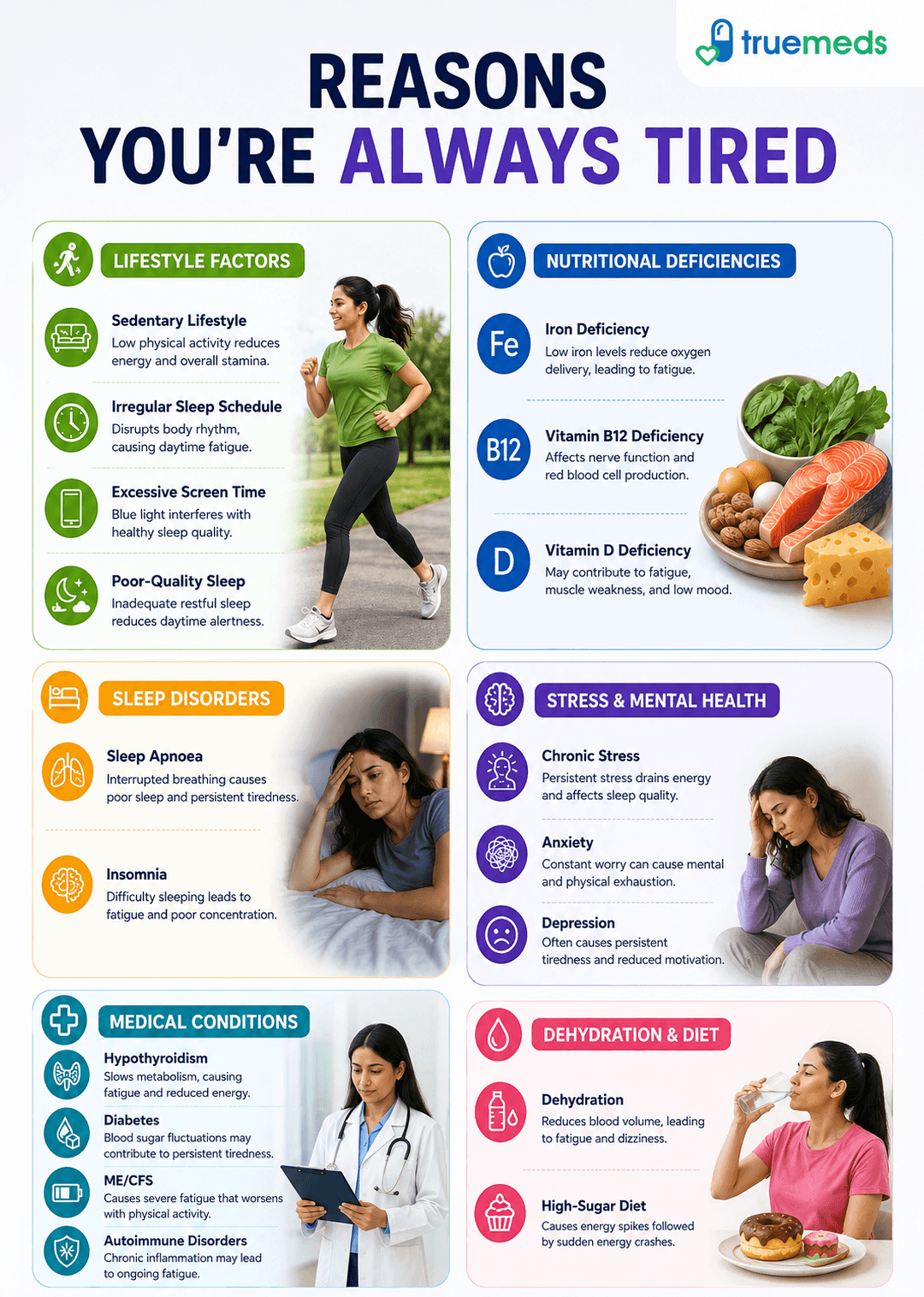
A sedentary lifestyle, irregular sleep schedules, excessive screen time, poor sleep hygiene, excessive caffeine intake, and nighttime light exposure can disrupt your body's circadian rhythm, reducing sleep quality and leaving you feeling tired during the day[2]. Even if you spend enough time in bed, poor-quality sleep may prevent your body from getting the restorative rest it needs.
Sleep Disorders
Sleep disorders are a common cause of persistent daytime tiredness. Conditions such as sleep apnoea (breathing interruptions cause oxygen levels to drop), insomnia (difficulty falling or staying asleep), and narcolepsy can interfere with restorative sleep and lead to excessive daytime sleepiness[13].
- Insomnia can make it difficult to fall asleep or stay asleep, and often leaves you tired rather than sleepy during the day.
- Obstructive sleep apnoea repeatedly interrupts breathing during sleep, disrupting sleep and potentially causing daytime sleepiness. Common signs include loud snoring, gasping or choking during sleep, and pauses in breathing noticed by another person[4][5].
- Restless legs syndrome causes an urge to move the legs, often accompanied by uncomfortable sensations that worsen at rest or in the evening. These symptoms can disrupt sleep, and the condition may be associated with iron deficiency[16].
- Narcolepsy (rare) disrupts the normal sleep-wake cycle and may cause excessive daytime sleepiness and sudden sleep attacks[13].
If you regularly wake up feeling unrefreshed despite getting adequate sleep, consult a healthcare provider for further evaluation.
Poor Nutrition and Dehydration
Your body relies on adequate nutrients and fluids to produce energy efficiently. Deficiencies in iron, vitamin B12, vitamin D, or magnesium can impair energy production and contribute to fatigue. For example, iron deficiency anaemia may cause tiredness and shortness of breath because the body cannot deliver enough oxygen to its tissues[6][7].
Dehydration can also leave you feeling sluggish by reducing blood volume, forcing your heart to work harder to circulate oxygen and nutrients throughout the body[11][12]. In addition, diets high in refined sugar may cause temporary energy spikes followed by crashes that worsen tiredness.
Eating a balanced diet rich in whole foods, including iron-rich foods such as leafy greens, legumes, lean red meat, liver (chicken, beef, or pork), and nuts, while staying adequately hydrated, can help support healthy energy levels.
Chronic Stress and Mental Health
Chronic stress can elevate cortisol levels, disturb sleep, and leave you feeling physically and mentally exhausted over time[8]. Mental health conditions such as anxiety and depression are also commonly associated with persistent fatigue due to sleep disturbances and changes in the brain's chemical messengers that regulate mood, sleep, focus, and energy.
Managing stress through relaxation techniques, counselling, therapy, or other appropriate treatments may help improve sleep quality and restore energy levels. If symptoms persist, consult a healthcare professional.
Medicines and Alcohol
Some medicines can cause drowsiness or tiredness, particularly when you first start taking them or when the dose changes. Examples include:
- Antihistamines used for allergies and colds, particularly sedating ones such as chlorpheniramine. Cetirizine can also cause drowsiness in some people.
- Sleeping tablets and anti-anxiety medicines, including zolpidem, alprazolam and clonazepam.
- Some antidepressants, antipsychotics and anti-seizure medicines, which may cause drowsiness or fatigue.
- Opioid painkillers and some cough medicines containing codeine.
- Gabapentin, pregabalin and some muscle relaxants, such as baclofen and tizanidine.
- Beta-blockers, used to treat certain heart conditions and high blood pressure, which can cause tiredness in some people.
Alcohol can make you feel sleepy and may worsen drowsiness caused by certain medicines. It can also disrupt sleep, and combining alcohol with opioids or sedative medicines can be dangerous.
If you notice persistent tiredness or new daytime sleepiness after starting a medicine or changing its dose, speak to your doctor or pharmacist. Do not stop a prescribed medicine or change its dose without medical advice. Do not start sleeping tablets without consulting a healthcare professional, as some can cause next-day drowsiness and may carry a risk of dependence.
Underlying Medical Conditions
Sometimes, persistent tiredness is caused by an underlying medical condition rather than lifestyle factors alone. Conditions such as hypothyroidism (abnormally low thyroid hormone production), diabetes (high blood sugar), anaemia, heart disease, autoimmune disorders, and myalgic encephalomyelitis/chronic fatigue syndrome (ME/CFS) can all contribute to ongoing fatigue[1][9][10].
Hypothyroidism slows down metabolism, often causing tiredness, weight gain, and increased sensitivity to cold[9]. Uncontrolled diabetes may lead to frequent energy crashes due to blood sugar fluctuations and poor glucose uptake by cells[10].
If your fatigue persists despite improving your sleep, diet, hydration, and lifestyle habits, or if it is accompanied by symptoms such as unexplained weight changes, shortness of breath, dizziness, or persistent pain, consult a healthcare provider for a proper evaluation. The medical conditions associated with persistent fatigue are discussed in more detail in the next section.
Also Read: Why Vitamin D Deficiency is Rising in India
Medical Conditions Causing Fatigue
Lifestyle Changes to Improve Sleep and Reduce Tiredness
Making healthy lifestyle changes can improve both your sleep quality and energy levels while reducing persistent tiredness. The following habits can help support better sleep and reduce fatigue[2]:
- Maintain a consistent sleep schedule by going to bed and waking up at the same time every day, including weekends, to regulate your body's circadian rhythm.
- Create a sleep-friendly environment by keeping your bedroom dark, quiet, and cool (15–20°C). Blackout curtains, earplugs, or white noise machines may help improve sleep quality.
- Limit screen time before bed, as blue light from electronic devices can suppress melatonin production and interfere with your natural sleep cycle.
- Exercise regularly through activities such as walking, yoga, swimming, or cycling for at least 30 minutes on most days. However, avoid vigorous exercise close to bedtime.
- Eat a balanced diet rich in whole grains, leafy green vegetables, fruits, lean proteins, nuts, and healthy fats. Nutrient deficiencies, particularly iron and vitamin B12 deficiency, may contribute to fatigue.
- Stay well hydrated, as even mild dehydration can reduce energy levels. Include water-rich foods such as cucumbers and melons as part of your diet.
- Limit caffeine intake, especially after 2 PM, and avoid heavy meals close to bedtime, as both can disrupt sleep quality.
- Manage stress through mindfulness, meditation, deep breathing exercises, progressive muscle relaxation, hobbies, counselling, or therapy when needed.
- Get morning sunlight exposure to help regulate your body's circadian rhythm and support healthy sleep-wake cycles.
- Maintain a healthy weight, as excess body weight may contribute to fatigue and increase the risk of sleep disorders such as obstructive sleep apnoea.
- Consult a healthcare provider if you continue to experience excessive daytime sleepiness, loud snoring, pauses in breathing during sleep, or persistent fatigue despite lifestyle changes. A sleep study may be recommended to evaluate sleep disorders such as sleep apnoea.
Small but consistent lifestyle improvements can make a significant difference in your energy levels and overall well-being. However, if fatigue persists despite these changes, seek medical advice to rule out an underlying health condition.
Also Read: Ways to Boost Your Iron Levels Naturally
When to See a Doctor?
If you've been feeling tired all the time for weeks, especially when accompanied by unexplained weight changes, shortness of breath, or joint pain, it's crucial to consult a doctor for a thorough evaluation.
Chronic tiredness can be a symptom of underlying health issues such as anaemia, thyroid dysfunction, or depression. Sudden, severe fatigue alongside chest pain, irregular heartbeats, or cognitive fog could indicate cardiovascular or neurological conditions that require urgent medical attention[3].
Don't hesitate to seek professional guidance if your symptoms persist despite making lifestyle adjustments.
FAQs
Why am I feeling sleepy all the time?
Feeling sleepy all the time may result from inadequate sleep, sleep disorders like sleep apnoea, certain medications, or underlying health conditions such as depression.
What can I do to stop feeling tired all the time?
To reduce constant tiredness, aim for 7–9 hours of sleep, maintain a fixed sleep routine, and cut down on late-night screens, caffeine, and heavy meals. Eat well, stay hydrated, and move daily. If fatigue lasts 2–3 weeks or comes with symptoms like snoring or dizziness, consult a doctor to rule out anaemia, thyroid issues, deficiencies, or sleep disorders.
How can poor sleep cause tiredness?
Poor sleep disrupts the body's restorative processes, leading to impaired brain function and persistent daytime fatigue, making you feel tired all the time.
Can stress cause me to feel tired all the time?
Yes, chronic stress can cause hormonal imbalances and sleep disturbances, contributing to feeling tired all the time and diminished overall well-being.
What are some ways to boost my energy levels?
Boosting energy levels involves practising good sleep hygiene, engaging in regular exercise, managing stress effectively, and addressing any nutritional deficiencies through a balanced diet. If fatigue persists, consult a healthcare professional to rule out underlying medical conditions and ensure a safe, personalized approach.
When should I see a doctor about feeling sleepy all the time?
Consult a doctor if you continue feeling sleepy all the time despite lifestyle modifications, or if symptoms include snoring, breathing interruptions during sleep, or mood changes.
What is the difference between being tired and being sleepy?
Sleepiness is the tendency to fall asleep, often due to inadequate sleep or sleep disorders. Fatigue refers to low energy or exhaustion that may persist even after rest. Both can occur together.
Why do I feel sleepy after lunch?
Feeling sleepy after lunch may be related to your body's natural circadian rhythm, a large meal, or inadequate sleep. If sleepiness is frequent or severe, consult a healthcare professional to identify possible underlying causes.
Can medicines make you sleepy?
Yes, certain medicines, including some antihistamines, antidepressants, and sedatives, can cause drowsiness or fatigue. If sleepiness begins after starting a medicine, consult your doctor. Do not stop or change prescribed treatment without medical advice.
What tests are done for constant tiredness?
Doctors may review your symptoms, sleep habits, medical history, and medicines before recommending tests. These may include a complete blood count, ferritin, thyroid function, vitamin B12, vitamin D, and blood glucose tests, depending on your symptoms.
Medical Disclaimer
This article is for informational purposes only and does not constitute medical advice. The information provided should not be used for diagnosing or treating health conditions. Always consult a qualified healthcare provider for diagnosis, treatment, and personalised medical advice. Do not disregard professional medical advice or delay seeking it because of information found in this article. If you have a medical emergency, contact your doctor or emergency services immediately.
References
Yoon, J., Park, N., Kang, Y., Ahn, Y., Lee, E., & Son, C. (2023). The demographic features of fatigue in the general population worldwide: A systematic review and meta-analysis. Frontiers in Public Health, 11. https://pmc.ncbi.nlm.nih.gov/articles/PMC10416797/
Baranwal, N., Yu, P. K., & Siegel, N. S. (2023). Sleep physiology, pathophysiology, and sleep hygiene. Chest, 163(2), 468–479. https://pubmed.ncbi.nlm.nih.gov/36841492/
National Center for Biotechnology Information. (2020, April 19). Fatigue as the Chief Complaint: Epidemiology, Causes, Diagnosis, and Treatment. NCBI. https://pmc.ncbi.nlm.nih.gov/articles/PMC8579431/
National Center for Biotechnology Information. (2013, October 15). Insomnia and Obstructive Sleep Apnea. NCBI. https://pmc.ncbi.nlm.nih.gov/articles/PMC3763954/