Haemoglobin is the complex protein in red blood cells responsible for carrying oxygen; consequently, low levels can leave you feeling tired, breathless, and low on energy. The good news is that there are several natural ways to increase haemoglobin through food choices and simple lifestyle changes when low levels are due to mild deficiencies rather than serious disease.
Understanding Haemoglobin and Its Importance
Haemoglobin is a red, iron-containing protein that gives blood its colour and enables red blood cells to transport oxygen from your lungs to every tissue in your body. When haemoglobin is low, cells receive less oxygen, which may cause fatigue, weakness, dizziness, pale skin, and shortness of breath, often referred to collectively as anaemia symptoms. [1]
For most healthy adults, normal haemoglobin ranges are roughly 13.8–17.2 g/dL for men and 12.1–15.1 g/dL for women, and levels below this range usually prompt evaluation for nutritional deficiencies, chronic disease, blood loss, or inherited conditions. [2]
Note: Anaemia is a symptom, not a disease itself. Identifying the root cause (e.g., internal bleeding or malabsorption) is critical before self-treating. However, persistent low levels of iron should always be discussed with a doctor.
Causes of Low Haemoglobin
Low haemoglobin can develop for several reasons, and identifying the underlying cause is essential before starting treatment. While nutritional deficiencies are common, other medical conditions may also contribute to reduced haemoglobin levels.
- Iron deficiency: This is the most common cause of low haemoglobin worldwide. It may result from inadequate dietary iron intake, poor iron absorption, or increased iron requirements during pregnancy or periods of rapid growth.[3]
- Vitamin B12 or folate deficiency: Both vitamin B12 and folate are needed to produce healthy red blood cells. A deficiency in either nutrient can reduce red blood cell production and lead to anaemia.
- Blood loss: Ongoing blood loss from heavy menstrual periods, gastrointestinal bleeding (such as from ulcers or piles), or parasitic infections like hookworm, which remains a concern in some parts of India, can gradually deplete the body's iron stores and lower haemoglobin levels.
- Chronic diseases: Conditions such as chronic kidney disease, inflammatory disorders, infections, or certain cancers can interfere with red blood cell production, leading to anaemia of chronic disease.
- Inherited blood disorders: Genetic conditions such as thalassaemia and sickle cell disease affect the structure or production of haemoglobin and can cause chronic anaemia. These inherited disorders are relatively common in certain regions and communities in India.
Because treatment depends on the underlying cause, persistently low haemoglobin should be evaluated by a healthcare professional. Blood tests can help identify the cause and guide the most appropriate treatment.
Natural Ways to Increase Haemoglobin (For Nutritional Deficiency)
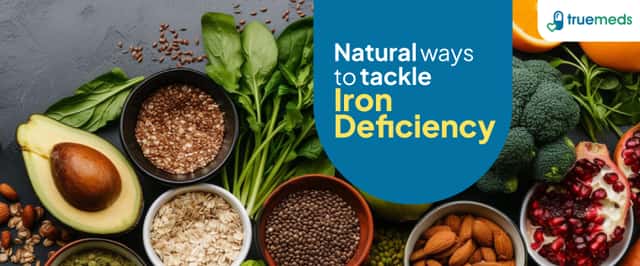
There are many natural ways to increase haemoglobin, but the most effective strategies focus on improving iron intake, supporting red blood cell production, and enhancing iron absorption while avoiding factors that block iron absorption.
The methods below can help you increase haemoglobin naturally, especially when combined consistently over several weeks.
1. Iron-Rich Foods
Iron is a key building block of haemoglobin, and iron deficiency is the most common cause of low haemoglobin worldwide. [3]
Including at least one iron-rich food in every main meal is one of the most reliable natural ways to increase haemoglobin.
Good food sources include:
- Leafy greens like spinach, kale
- Beetroot
- Lentils
- Chickpeas
- Beans
- Fortified breakfast cereals
- Nuts
- Seeds
- Lean red meat, poultry, liver, and fish (for non-vegetarians)
2. Vitamin C-Rich Foods
Even if your diet contains enough iron, your body cannot use it efficiently without vitamin C, which helps convert iron into a form that is easier to absorb in the gut. [4]
Add citrus fruits (oranges, lemons, amla), pomegranate, strawberries, guava, bell peppers, tomatoes, and broccoli to meals or snacks to support better iron absorption and protect red blood cells with antioxidants.
A simple habit, such as having a glass of orange or lemon water with an iron-rich meal, can be a powerful way to increase haemoglobin naturally. Pair spinach or lentil dishes with lemon juice, tomatoes, bell peppers, or citrus fruits, or have a small bowl of strawberries or an orange with an iron-fortified cereal.
Consume tea, coffee, and high-calcium foods at least 60–90 minutes after a meal.
3. Vitamin B12
Vitamin B12 works closely with folate to support healthy red blood cell formation and prevent certain types of anaemia.
It is found naturally in:
- Animal-based foods such as eggs, dairy products, fish, poultry, and meat
- Fortified plant milks or cereals for those following vegetarian or vegan diets.
If you do not consume animal products, discussing B12 testing and supplements with your doctor is essential, as food alone may not be enough to maintain normal haemoglobin levels. This is of importance as over 70% of the Indian population is estimated to be B12-deficient. [6]
4. Folic Acid (Vitamin B9)
Folic acid, or folate, is essential for DNA synthesis and for producing new red blood cells in the bone marrow. Low folate can cause a type of anaemia where red blood cells are large and fewer in number, leading to low haemoglobin despite adequate iron intake.
The following foods are rich in folate and should be included regularly to increase haemoglobin naturally:
- Leafy green vegetables
- Lentils
- Beans
- Asparagus
- Avocado
- Beetroot, and
- Fortified grains
5. Avoid Tea and Coffee with Meals
Tea and coffee contain natural compounds called tannins and polyphenols that can reduce the absorption of non-haem iron (the type of iron found in plant-based foods) when consumed with or immediately after meals. This may make it harder for your body to use the iron from foods such as spinach, lentils, beans, and fortified cereals, especially if your iron stores are already low.
To support better iron absorption, avoid drinking tea or coffee with your meals. Instead, wait at least one to two hours after eating before having these beverages. If you regularly drink tea or coffee, pairing iron-rich meals with water or a vitamin C-rich drink, such as lemon water or fresh orange juice, is a simple way to help your body absorb more iron naturally.
6. Copper-Rich Foods
Copper is a trace mineral that supports iron metabolism and helps the body incorporate iron into haemoglobin. [5]
Foods such as nuts (almonds, cashews), seeds (sesame, sunflower), shellfish, organ meats, whole grains, and legumes provide useful amounts of copper along with additional nutrients that support blood health. Using a mix of nuts and seeds as snacks or salad toppings is an easy, natural way to support haemoglobin production.
7. Cook in Cast Iron Cookware
Cooking acidic or liquid foods in cast-iron pans can slightly increase their iron content, especially in dishes like tomato-based curries, soups, and stews. Studies show that small amounts of iron leach from the cookware into food, which, over time, can contribute to better iron intake, particularly in people who eat mostly plant-based diets. [7]
While this method will not replace a balanced diet, it is a simple, practical step that can support your efforts to increase haemoglobin naturally.
8. Stay Hydrated
Adequate hydration maintains blood volume and helps your circulatory system deliver oxygen efficiently throughout the body. Mild dehydration can make blood thicker and may worsen symptoms such as fatigue and headaches in people with low haemoglobin, even if it does not directly change the haemoglobin level. Aim to drink water regularly throughout the day, adjusting for climate, activity level, and any advice from your doctor if you have kidney or heart conditions.
9. Herbal Remedies – Use With Caution
Some traditional herbal remedies are used to support blood health, though evidence is generally limited, and they should not replace medical treatment when needed. Herbs such as nettle, dandelion, alfalfa, moringa, and amla are believed to support red blood cell production or improve iron status, often because they contain iron, vitamin C, or other supportive nutrients. Always consult a healthcare professional before starting herbal supplements, especially if you are pregnant, on medication, or have chronic conditions.
How to Increase Haemoglobin Quickly
If you're looking for how to increase haemoglobin quickly, the most effective approach is to address the underlying cause of low haemoglobin while improving your iron intake and absorption. If iron deficiency is confirmed, eating iron-rich foods such as leafy green vegetables, lentils, beans, fortified cereals, lean meat, and fish along with vitamin C-rich foods like oranges, amla, guava, tomatoes, or bell peppers can help your body absorb iron more efficiently. It is also advisable to avoid drinking tea or coffee with meals, as they can reduce iron absorption.
If blood tests show iron deficiency, your doctor may recommend iron supplements. These should only be taken under medical supervision, as the dose and duration depend on the severity and cause of the deficiency. While dietary changes and supplements support red blood cell production, haemoglobin levels usually increase gradually over 4–8 weeks, and recovery may take longer in some people.
For severe iron deficiency, ongoing blood loss, or conditions that affect iron absorption, dietary changes alone may not be enough. In such cases, your healthcare provider may recommend treatments such as intravenous (IV) iron to replenish iron stores more rapidly. Prompt medical evaluation is important if your haemoglobin is significantly low or you have symptoms such as severe fatigue, breathlessness, chest pain, or dizziness.
Lifestyle Changes to Improve Haemoglobin Levels
Beyond food choices, lifestyle plays a key role in increasing haemoglobin naturally and maintaining healthy levels long-term. Helpful changes include:
- Regular moderate exercise: Activities like brisk walking, yoga, cycling, or light strength training stimulate the body to produce more red blood cells, improving oxygen-carrying capacity, but intense training with very low haemoglobin should only be done after medical advice.
- Good sleep and rest: Aim for 7–9 hours of quality sleep, as chronic sleep deprivation can disrupt hormone balance and impair the body’s ability to repair tissues and generate blood cells.
- Stress management: Long-term stress can indirectly affect haemoglobin by altering appetite, digestion, and hormone levels, so practices such as meditation, deep breathing, or gentle yoga can support overall blood health.
- Limiting alcohol and smoking: Excess alcohol and smoking can damage bone marrow, reduce red blood cell production, and worsen anaemia, so cutting down or quitting can help normalise haemoglobin.
- Regular health check-ups: Periodic blood tests help monitor haemoglobin, iron, B12, and folate levels, making it easier to catch issues early and tailor lifestyle changes or supplements.
When to See a Doctor for Low Haemoglobin?
Even with the best natural ways to increase haemoglobin, some causes of low levels require medical investigation and treatment. You should consult a doctor promptly if you notice symptoms such as:
Severe fatigue
- Chest pain
- Rapid heartbeat
- Shortness of breath at rest
- Very pale or yellowish skin
- Dark or bloody stools (bleeding in the gastrointestinal (GI) tract can cause anaemia)
- Heavy menstrual bleeding
- Sudden weight loss
A healthcare provider may recommend blood tests to check haemoglobin, iron levels, B12, folate, kidney function, and, if needed, tests for bleeding or inherited blood disorders, then decide whether you need supplements, medications, or further evaluation.
FAQs
What is the normal range for haemoglobin levels?
For most adults, normal haemoglobin levels are: 13.8–17.2 g/dL for men 12.1–15.1 g/dL for women The exact ranges can vary slightly between laboratories. Children and pregnant women have different reference ranges, so reports should always be interpreted in consultation with a healthcare professional.
How quickly can I increase my haemoglobin naturally?
If low haemoglobin is due to mild iron or vitamin deficiency, and you consistently improve your diet, many people see a gradual rise over 4–8 weeks. However, the timeline varies by cause and severity. More severe anaemia or anaemia due to chronic disease may take longer and often requires medical treatment alongside lifestyle measures.
Can stress cause low haemoglobin levels?
Stress does not usually cause low haemoglobin directly, but chronic stress can affect appetite, digestion, sleep, and hormone levels, which may worsen nutritional deficiencies over time. High stress can also aggravate symptoms such as fatigue and palpitations, making existing anaemia feel more pronounced.
Is it safe to take iron supplements for low haemoglobin?
Iron supplements can be safe and effective when prescribed by a doctor after confirming a deficiency, but taking them unnecessarily can cause side effects like constipation, stomach upset, or iron overload. Always avoid self-prescribing high-dose iron; instead, have blood tests and follow the dosage and duration recommended by your healthcare provider. Iron supplements should be kept out of reach of children, as accidental overdose is toxic.
Which Indian foods are rich in iron to increase haemoglobin?
Indian foods rich in iron include spinach, amaranth leaves, lentils, chickpeas, rajma, black gram, jaggery, sesame seeds, ragi, and iron-fortified cereals. Pair these foods with vitamin C-rich fruits or vegetables to improve iron absorption.
How long does it take to increase haemoglobin with diet?
If low haemoglobin is due to mild nutritional deficiency, eating an iron-rich diet and improving iron absorption may gradually increase haemoglobin over 4–8 weeks. Recovery may take longer depending on the cause and severity, and some people may also require prescribed iron supplements or other medical treatment.
References
World Health Organization: WHO. (2019b, November 12). Anaemia. https://www.who.int/health-topics/anaemia#tab=tab_1
Hemoglobin: MedlinePlus Medical Encyclopedia. (n.d.-b). https://medlineplus.gov/ency/article/003645.htm
Warner, M. J., & Kamran, M. T. (2023, August 7). Iron deficiency anemia. StatPearls - NCBI Bookshelf. https://www.ncbi.nlm.nih.gov/books/NBK448065/
Moustarah, F., & Daley, S. F. (2024, January 8). Dietary iron. StatPearls - NCBI Bookshelf. https://www.ncbi.nlm.nih.gov/books/NBK540969/