
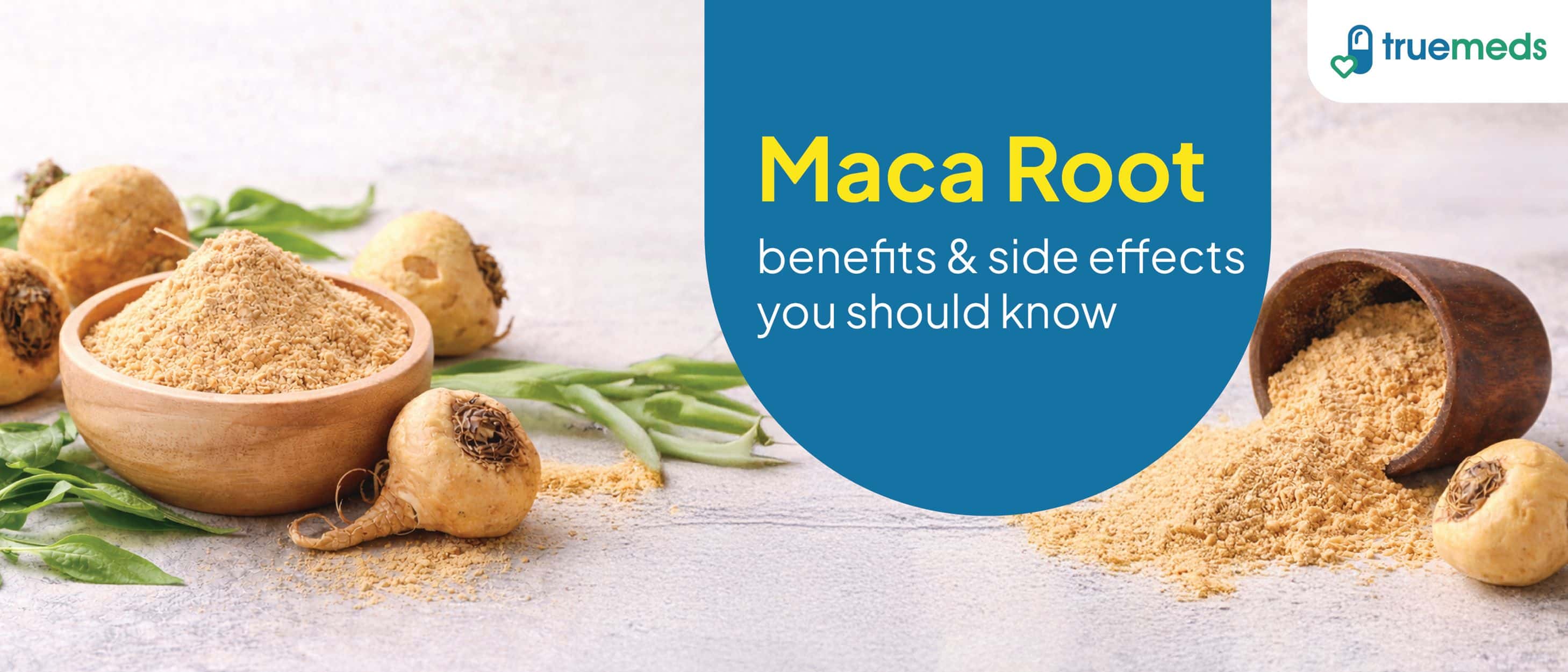
Maca root, a superfood originating from the Peruvian Andes, has garnered attention for its potential health benefits. This ancient plant, scientifically known as Lepidium meyenii, has been traditionally used to support fertility and sexual function[1]. Additionally, it has been linked to improving mood and alleviating menopausal symptoms[2]. As research is ongoing to identify its properties, maca has gained popularity as a nutritional supplement and adaptogen, potentially helping the body to adapt to stress by by supporting the hormonal systems involved in stress regulation[1]. Let us delve deeper into the origins and cultivation of this fascinating root.
What is maca root?
Maca root, scientifically known as Lepidium meyenii, has been an integral part of South American culture for centuries. Cultivated in the harsh climates of the Andean region at elevations above 4,000 metres, this resilient plant has been cherished by local communities for its nutritional value and potential to enhance overall well-being[1]. In traditional medicine, maca has been particularly valued for its perceived effects on fertility and sexual performance[1].
Health benefits of maca root
Maca root offers multiple health benefits that may positively impact overall well-being.
Benefits of maca root for men
For men, maca root may enhance sexual health by supporting libido and erectile function[3]. Studies suggest that it can improve sperm quality, motility, and quantity, thereby supporting fertility[4]. Research indicates that maca may increase stamina and improve erectile function by positively influencing blood flow, without directly altering testosterone levels[5]. These effects can contribute to better sexual performance and reproductive health in men[3].

Benefits of maca root for women
Women may benefit from maca root's ability to support hormonal balance, which may support menstrual cycles and improve reproductive health[6]. Maca root may be effective in reducing menopausal symptoms such as hot flashes, night sweats, mood swings, and sleep disturbances[6]. Clinical studies have shown that postmenopausal women taking maca experienced relief of these symptoms[2]. Furthermore, maca may contribute to bone health by increasing the bone density index, which is particularly important during and after menopause when bone density declines[1].
Maca root for skin health
Maca root may improve skin hydration and help reduce the appearance of wrinkles, owing to its antioxidant and photoprotective properties. These properties can support skin health by combating oxidative stress caused by environmental factors such as UV radiation, which may enhance skin elasticity and slow ageing signs. Traditionally, maca has been used in dermatological care and wound healing, further suggesting its beneficial role in maintaining healthy skin[7].
Energy and stamina boosting with maca
Athletes and active individuals often turn to maca root for its ability to enhance energy levels and physical performance[2]. Its rich nutrient profile may support muscle growth and aids muscle recovery[7]. By increasing stamina and reducing delayed onset muscle soreness, maca may help improve endurance and resilience during physical activity, making it a natural performance booster[2].
Maca root as an adaptogen
As an adaptogen, maca root may help the body adapt to physical and mental stress by potentially supporting adrenal gland function and hormonal balance by modulating the HPA axis[1]. This adaptogenic effect may contribute to improved mood, reduced anxiety and depression symptoms, particularly in postmenopausal women, and overall mental vitality[8]. Through stress regulation, maca may indirectly boost energy and stamina as well, making it a valuable ally in maintaining overall well-being[1].
Note: Research on maca root is still evolving, and many of its proposed health benefits require further high-quality clinical studies. The strongest evidence currently supports its potential role in improving libido and reducing certain menopausal symptoms. While maca may also help support energy levels, mood, skin health, fertility, and stress resilience, evidence for these benefits remains limited and further research is needed. If you have a hormone-sensitive condition, such as breast, ovarian, or uterine cancer, uterine fibroids, or are taking hormone-related medications, consult your doctor before using maca root.
Potential side effects of maca root
While maca root is generally considered safe, it can have some potential side effects, especially related to hormonal changes[1]. Here are some of the possible adverse effects of consuming Maca Root:
- Hormonal effects: Maca may affect sex hormones, which could worsen conditions like hormone-sensitive cancers (breast, ovarian, uterine) and uterine fibroids[9]. If you have any of these conditions, consult with your doctor before taking maca.
- Menstrual changes: Some women have reported changes in their menstrual cycles after using maca[9]. This may include irregular periods or changes in menstrual flow.
- Digestive issues: Some users have reported stomach distress and cramping after consuming maca[10]. If you experience any digestive discomfort, it is advisable to stop using maca and consult with your doctor.
- Sleep disturbances: Insomnia has been noted as a side effect of maca consumption[9]. If you have trouble sleeping after taking maca, it is best to discontinue use.
- Pregnancy and breastfeeding concerns: It may not be safe to use maca during pregnancy or breastfeeding[9]. Therefore, it is advisable for pregnant or nursing women to avoid consuming maca.
- Raw maca: Consuming raw maca is not recommended. It should be boiled or gelatinised first to ensure safety and to enhance its beneficial properties.
Do not self-medicate without medical supervision. Professional diagnosis is essential.
How to use maca root
Maca root is a versatile superfood that can be easily incorporated into your daily routine. Here are some tips on how to use maca root powder effectively:
- Start with a low dose and gradually increase the amount as needed.
- Mix maca root powder into smoothies, oatmeal, yoghurt, or baked goods for a nutrient boost.
- Choose gelatinised maca for easier digestion, especially if you have a sensitive stomach.
- Take maca root capsules in divided doses if you prefer a more convenient option.
- Avoid consuming maca root in excessive amounts to prevent potential side effects such as insomnia or digestive discomfort.
- Use gelatinised maca to help reduce compounds that may cause digestive or thyroid-related concerns.
- Consult your doctor before using maca root, particularly if you are pregnant, breastfeeding, or managing hormone-related conditions.
Dosage must be determined by a doctor.
Who should not take maca?
Maca is not right for everyone. Avoid it, or talk to a doctor first, if you:
- Are pregnant or breastfeeding, since safety has not been established.
- Have, or have had, a hormone-sensitive cancer (breast, ovarian, uterine), as the effects of maca in these conditions are not fully understood.
- Have uterine fibroids or endometriosis, for the same reason.
- Have a thyroid condition: raw maca contains goitrogens; if you have a thyroid condition, consult your doctor before using raw maca.
- Take hormone therapy, hormonal contraception, or medication for a hormone-sensitive condition; discuss possible interactions first.
- Are giving it to a child, which is not recommended without medical advice.
Conclusion
Maca root is a nutritious adaptogen that may offer various health benefits, such as supporting libido, stress resilience, mood, and menopausal symptoms. However, it is essential to be aware of the potential side effects, including digestive discomfort, insomnia, and hormonal fluctuations. When incorporating maca root into your health regimen, start with small doses and monitor your tolerance. It is always advisable to consult a healthcare professional before taking maca root, especially if you are pregnant, breastfeeding, taking hormone therapy or medicines that affect hormone levels, or have a hormone-sensitive condition. Although maca root may offer potential health benefits, it should be used as part of a healthy lifestyle and should not replace a balanced diet or appropriate medical treatment.
FAQs
What are the benefits of maca root?
Maca root is often linked to potential benefits such as improved energy, libido, mood, and fertility, and it may help ease menopausal symptoms. While some studies are promising, evidence is still limited, and effects can vary from person to person
Can maca root help with fertility?
Maca root is sometimes associated with fertility support, particularly in men. Some small studies suggest it may help improve semen quality and sperm motility, but the overall evidence is limited, and more well-designed human studies are needed to confirm these effects.
Is maca root safe to use?
Maca root is generally considered safe when used in moderate amounts. However, if you are pregnant, breastfeeding, or taking hormone-sensitive medications, it’s best to consult a doctor before using it.
How does maca root help with energy?
Maca root is often described as an adaptogen, meaning it may help the body cope with physical and mental stress. It is thought to support energy and stamina by helping the body adapt to fatigue, though scientific evidence is still limited, and effects can vary between individuals.
Can maca root cause any side effects?
Side effects of maca root are rare but may include digestive upset, headaches, or insomnia. Excessive intake may affect hormone levels.
What is the best way to take maca root?
Maca root is commonly taken as a powder or capsule and is often added to foods like smoothies, oats, or yoghurt. Because individual needs and tolerance can vary, it’s generally advised to start with a small amount and consult a healthcare professional for personalised guidance, especially if you have underlying health conditions.
Medical Disclaimer
This article is for informational purposes only and does not constitute medical advice. The information provided should not be used for diagnosing or treating health conditions. Always consult a qualified healthcare provider for diagnosis, treatment, and personalised medical advice. Do not disregard professional medical advice or delay seeking it because of information found in this article. If you have a medical emergency, contact your doctor or emergency services immediately.
References
Del Carpio, N. U., Alvarado-Corella, D., Quiñones-Laveriano, D. M., Araya-Sibaja, A., Vega-Baudrit, J., Monagas-Juan, M., Navarro-Hoyos, M., & Villar-López, M. (2024). Exploring the chemical and pharmacological variability of Lepidium meyenii: a comprehensive review of the effects of maca. Frontiers in Pharmacology, 15, 1360422. https://doi.org/10.3389/fphar.2024.1360422
ScienceDirect. (2022, August 2). A systematic review of the versatile effects of the Peruvian Maca Root (Lepidium meyenii) on sexual dysfunction, menopausal symptoms and related conditions. ScienceDirect. https://www.sciencedirect.com/science/article/pii/S2667031322001075
PubMed. (2009, March 19). Subjective effects of Lepidium meyenii (Maca) extract on well-being and sexual performances in patients with mild erectile dysfunction: a randomised, double-blind clinical trial. PubMed. https://pubmed.ncbi.nlm.nih.gov/19260845/
PubMed. (2016, September 20). The use of maca (Lepidium meyenii) to improve semen quality: A systematic review. PubMed. https://pubmed.ncbi.nlm.nih.gov/27621241/