Key Takeaways
- Studies show that over 95% of mobile phones carry bacterial contamination
- Phones collect bacteria because of warmth from your hands and the device itself
- Common bacteria found include Staphylococci, Enterococci, and potentially harmful ESKAPE pathogens
- While healthy individuals may not get sick easily, people with weakened immunity face higher risks
- Regular cleaning with 70% alcohol wipes can reduce bacterial load significantly
- UV-C sanitisers can reduce bacteria by over an average of 84.4% when used correctly
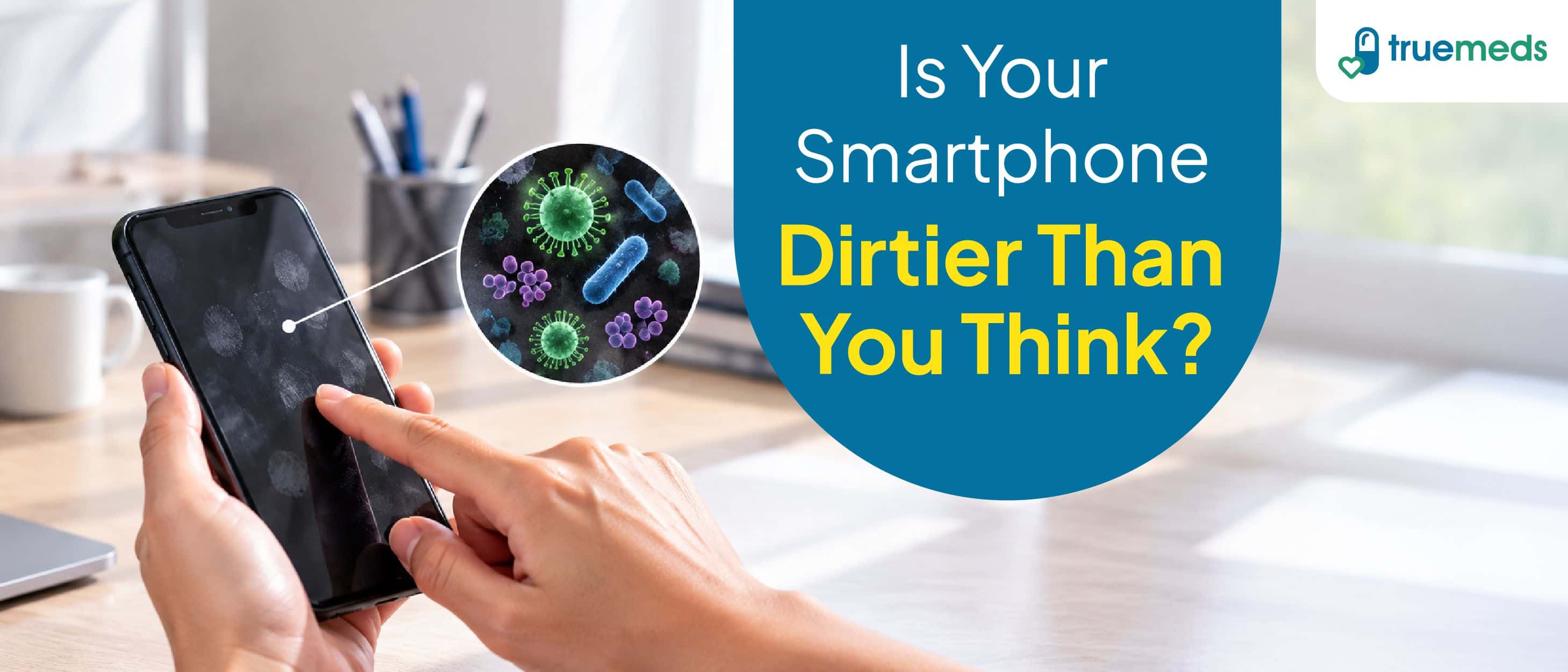
If you own a filthy phone (and most people do without realising it), you are not alone. Research shows that mobile phones can harbour more microbes than a toilet seat, door handle, or shoe sole[1]. Studies have found bacterial contamination on nearly all phones tested, with some detecting thousands of microorganisms on a single device[2]. This article explores why your phone collects so many germs, what kinds of bacteria are commonly found, whether they can make you sick, and how to clean your device safely. This is general hygiene education, not a health scare or product recommendation.
How dirty is your phone, according to the research?
Research consistently shows that smartphones are heavily contaminated with microorganisms. A 2022 study found that 95.5% of the 111 mobile phones tested carried bacterial contamination[3]. Another metagenomic study identified a total of 11,163 microorganisms across just 26 phones, including 5,714 bacteria, 675 fungi, 93 protists, and 228 viruses. Every single phone in that study was found to carry antibiotic-resistance and virulence factors[2]. This suggests that phone bacteria are not just present in large numbers but may also include bacteria with antibiotic-resistance traits.
Why do phones collect so much bacteria?
Several factors make your smartphone an ideal breeding ground for germs on phone surfaces:
- Body warmth and moisture: Your palms provide moisture and an ideal temperature for bacterial growth. The heat generated by your phone while in use also creates a warm environment that helps bacteria thrive[4].
- Constant handling: You touch your phone dozens of times daily, transferring bacteria from every surface you contact.
- Bathroom use: In one study, 42.2% of participants admitted to using their phones in bathrooms. This exposes devices to faecal bacteria through airborne particles and contaminated surfaces[5].
- Infrequent cleaning: Unlike toilet seats, which are cleaned regularly, most people rarely disinfect their phones.
What kinds of bacteria and germs are found on phones?
Studies have identified several types of bacteria on phone surfaces[2],[6]:
| Bacteria Type | Prevalence | Potential Health Concern |
|---|---|---|
| Staphylococci | Highest bacterial load (442 CFU/dm²) | Can cause skin infections |
| Enterococci | Commonly detected | May cause urinary and intestinal infections |
| Gram-negative bacteria | Frequently found | Includes several disease-causing species |
| ESKAPE pathogens | Present on all phones in one hospital study | Include bacteria with antibiotic-resistance traits |
ESKAPE pathogens include Enterobacteriaceae, Staphylococcus aureus, Klebsiella pneumoniae, Acinetobacter baumannii, Pseudomonas aeruginosa, and Enterococcus species [2]. These are known for their antibiotic resistance and ability to cause serious infections in healthcare settings.
Can a dirty phone actually make you sick?
For healthy individuals with normal immune function, casual exposure to bacteria on phone surfaces may not cause illness. However, certain factors can increase the risk:
- Antibiotic-resistant pathogens: Some bacteria found on phones may be resistant to certain antibiotics and can cause skin, gut, and respiratory infections[7].
- Vulnerable populations: People with weakened immune systems, chronic illnesses, or those in healthcare settings may face greater risks[2].
- Transfer to face: Pressing your phone against your cheek during calls or touching your face after handling your phone can transfer bacteria directly to your skin.
Healthcare workers' phones have been identified as potential sources of infection transmission to vulnerable patients[2].
If you have a weakened immune system or work in healthcare, regular phone cleaning is particularly important.
How to clean your phone safely
Regular cleaning can significantly reduce bacteria on phone surfaces. Follow these steps for safe and effective disinfection:
What to use:
- Apple recommends 70% isopropyl alcohol wipes or 75% ethyl alcohol wipes[8]
- The US CDC and FCC suggest alcohol-based wipes or sprays containing at least 70% alcohol for touch screens[9]
What to avoid:
- Products containing bleach or hydrogen peroxide[8]
- Excessive moisture near ports or openings
- Abrasive materials that can scratch the screen
Cleaning steps:
- Turn off your phone and remove the case
- Gently wipe all exterior surfaces with the alcohol wipe
- Allow the phone to air dry completely before use
- Clean your phone case separately with the same method
Always check your device manufacturer's guidelines before using any cleaning products.
UV-C sanitisers:
These devices can be effective. A field trial showed UV-C treatment reduced bacterial counts by an average of 84.4% at 24 hours and 93.6% at 48 hours post-treatment[10]. However, effectiveness varies by device quality, so choose reputable products.
Conclusion
Your smartphone likely carries thousands of bacteria, fungi, and other microorganisms that accumulate through daily handling, warm conditions, and bathroom use. While healthy people may not fall ill easily, regular cleaning with alcohol-based wipes can reduce bacterial load and minimise risks. Make phone hygiene a simple part of your routine: clean your device at least once daily, avoid using it in the bathroom, and wash your hands frequently. Small habits can make a meaningful difference.
FAQs
Is it true my phone is dirtier than a toilet seat?
Multiple studies confirm that phones can harbour more diverse microbes than regularly cleaned toilet seats. The key difference is that toilet seats are disinfected frequently, while phones rarely are.
How often should I clean my phone?
Daily cleaning is ideal, especially after bathroom use or when you place your phone on dirty surfaces. If you work in healthcare or have a weakened immune system, consider cleaning more frequently.
Can I use alcohol wipes or hand sanitiser on my phone screen?
Yes, 70% isopropyl alcohol wipes are safe for most smartphones. Avoid products with bleach or hydrogen peroxide. Hand sanitiser gels may leave residue, so wipes are preferable.
Does taking my phone into the bathroom make it dirtier?
Yes, bathroom use exposes phones to faecal bacteria through airborne particles and contaminated surfaces. Leaving your phone outside the bathroom is a simple preventive step.
Can bacteria from my phone cause acne or skin problems?
Phones accumulate oil, bacteria, and debris that can transfer to your skin when pressed against your face. This may contribute to breakouts, especially along the cheek and jawline. Regular cleaning helps.
Are phone sanitising devices like UV boxes actually effective?
Yes, studies show UV-C devices can reduce bacterial counts by 84-94%. However, effectiveness varies by device quality. Choose products from reputable brands and follow instructions carefully.
Medical Disclaimer
This article is for informational purposes only and does not constitute medical advice. The information provided should not be used for diagnosing or treating health conditions. Always consult a qualified healthcare provider for diagnosis, treatment, and personalised medical advice. Do not disregard professional medical advice or delay seeking it because of information found in this article. If you have a medical emergency, contact your doctor or emergency services immediately.
References
Getachew, H., Derbie, A., & Mekonnen, D. (2023). Bacterial contamination of healthcare workers' mobile phones in Africa: a systematic review and meta-analysis. Tropical Medicine and Health. https://www.ncbi.nlm.nih.gov/pmc/articles/PMC10552405/
Olsen, M., Nassar, R., Senok, A., Moloney, S., Lohning, A., Jones, P., Grant, G., Morgan, M., Palipana, D., McKirdy, S., Alghafri, R., & Tajouri, L. (2022). Mobile phones are hazardous microbial platforms warranting robust public health and biosecurity protocols. Scientific Reports, 12(1). https://doi.org/10.1038/s41598-022-14118-9
Zhang, Y., Chen, Z., Li, Y., et al. (2022). Bacterial Colonization on Healthcare Workers' Mobile Phones and Hands in Municipal Hospitals of Chongqing, China. Journal of Epidemiology and Global Health. https://pmc.ncbi.nlm.nih.gov/articles/PMC9449931
Mwale, P., Kaonga, P., Mzumara, T., & Chigwanda, D. (2021). Bacterial contamination of mobile phones of healthcare workers at the University Teaching Hospital, Lusaka, Zambia. Malawi Medical Journal. https://pmc.ncbi.nlm.nih.gov/articles/PMC8336300/