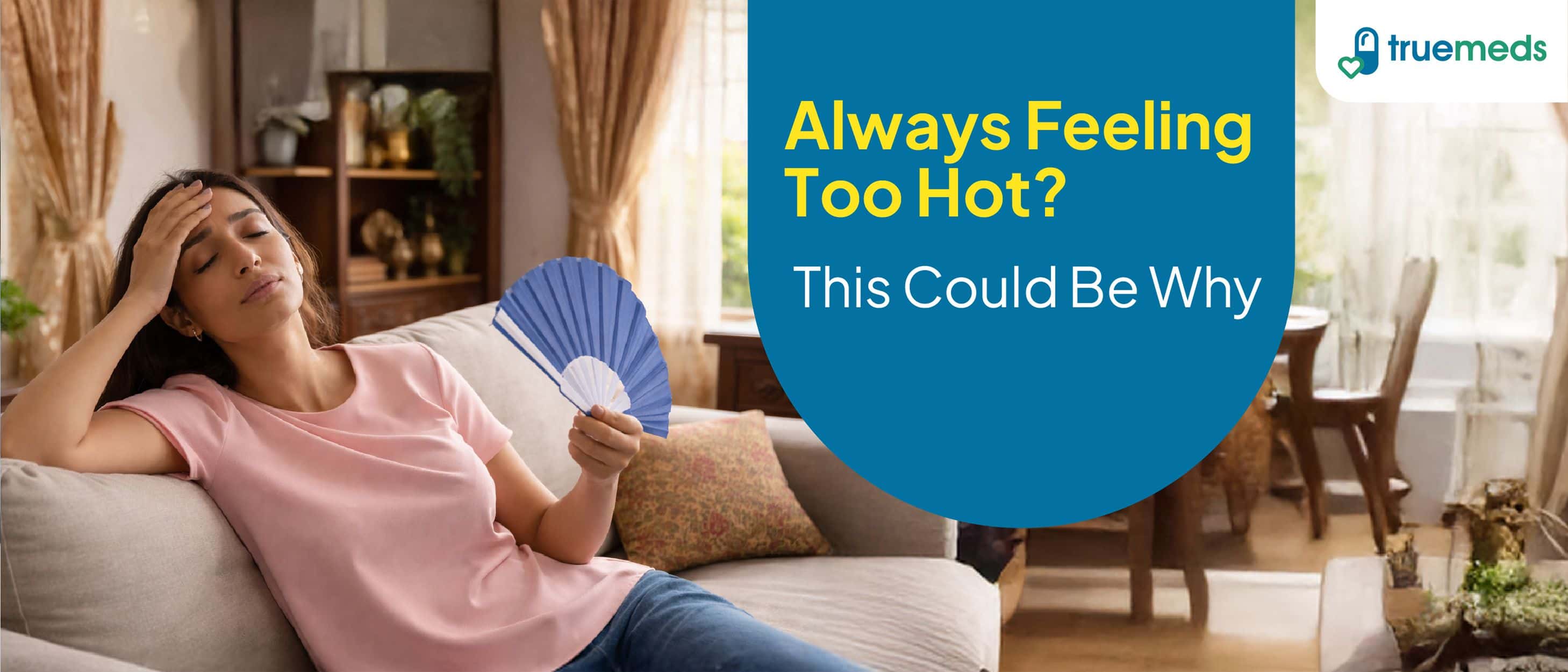
Excessive body heat occurs when your body absorbs or produces more heat than it can release. Prolonged exposure to heat or certain internal factors can disrupt your body's thermoregulation (the ability of an organism to maintain its body temperature within certain limits), causing symptoms ranging from mild discomfort to life-threatening conditions such as heatstroke (a condition in which the body gets overheated)[1].
Older adults and individuals with chronic illnesses are particularly vulnerable to excessive body heat due to their reduced heat tolerance[1]. Early recognition and intervention are crucial in preventing complications associated with this condition.
What is excessive body heat?
Excessive body heat refers to a state in which your core body temperature rises beyond its ability to cool itself down, typically through mechanisms such as sweating and dilation of blood vessels. This imbalance can result from exposure to external heat sources, overexertion, or certain medical conditions such as hyperthyroidism (caused by an overactive thyroid gland that produces excess thyroid hormone). The effects of excessive body heat include dehydration, loss of electrolytes, and strain on various organs such as the heart and kidneys[1]
If left unchecked, it can progress to heat exhaustion, characterised by symptoms such as dizziness and nausea, or even heatstroke, which involves confusion and loss of consciousness, requiring immediate medical attention[2]. Understanding the causes and excessive body heat symptoms is essential for effective prevention and management.
Causes of excessive body heat
Several factors can contribute to excessive body heat, including exposure to hot weather, intense physical activity, and certain health conditions. Here are some of the most significant causes of excessive body heat:
1. Environmental factors
Exposure to hot weather, especially when combined with high humidity, can greatly impair the body's natural cooling mechanism through sweating[1]. Prolonged exposure to such conditions leads to a buildup of body heat, potentially resulting in heat-related illnesses like heat exhaustion and heatstroke[2]. Engaging in strenuous activities in hot environments further increases the risk of developing heat-related conditions due to increased metabolic heat production by the body[2].
To reduce these risks, stay cool by using air conditioning, drinking plenty of fluids, and planning outdoor activities during the coolest part of the day if possible[3].
2. Hormonal changes and stress
Stress and hormonal imbalances can significantly contribute to increased body heat.
- When you are stressed, your body releases hormones such as adrenaline and cortisol, which can increase alertness, heart rate, and sweating. These stress responses may heighten the sensation of feeling hot or uncomfortable in warm conditions, making you feel more heat-intolerant. However, stress does not typically impair the body’s core temperature regulation, which remains tightly controlled under normal circumstances[4].
- Similarly, hyperthyroidism can accelerate your metabolism, potentially causing excessive sweating and increasing heat sensitivity in some individuals[5].
3. Medical conditions
Several medical conditions can lead to excessive body heat.
- During infections, the body may raise its temperature to help fight pathogens. This can occur during viral infections like the flu, bacterial infections such as pneumonia or urinary tract infections, and illnesses like dengue or malaria[6].
- In conditions like hyperthyroidism, changes in thyroid hormone levels can speed up metabolism, which may make some people more sensitive to heat and prone to sweating[5].
Symptoms of excessive body heat
If you're experiencing excessive body heat, you may notice the following symptoms[3]:
- Sweating: Profuse sweating is a primary sign of overheating, as your body attempts to cool down through evaporation.
- Dizziness: Dehydration, vasodilation (when blood vessels widen thus lowering blood pressure), reduced cerebral perfusion from low blood pressure.
- Fatigue: Overheating can lead to weakness and tiredness due to dehydration and an increased metabolic rate.
- Rapid pulse: An elevated heart rate helps circulate blood to the skin's surface to facilitate cooling.
- Headache: Dehydration and overheating can trigger headaches due to electrolyte imbalances.
- Nausea: Excessive heat can cause stomach discomfort and nausea.
Consult a healthcare professional if symptoms persist or worsen.
How to cool down internal body heat?
To naturally cool down your body, try simple lifestyle changes and home remedies. Stay hydrated, eat cooling foods and drinks, take cool showers or baths, and avoid hot environments. These methods can help regulate your body temperature and relieve excessive heat[3].
1. Hydrate with water and electrolytes
Staying well-hydrated is crucial when it comes to combating excessive body heat. When you sweat, your body loses fluids and essential electrolytes like sodium and potassium. Replenishing these lost fluids and electrolytes is vital to prevent dehydration and support your body's natural cooling mechanisms[7].
Make sure to drink plenty of water throughout the day, especially during hot weather or when engaging in physical activity[1]. Additionally, consider consuming electrolyte-rich beverages such as coconut water or sports drinks to help maintain proper hydration levels[7]. Adequate hydration not only helps regulate your body temperature but also aids in preventing heat-related illnesses.
2. Use cooling foods and drinks
Certain foods and drinks can help you feel cooler and more comfortable during hot weather by supporting hydration and providing a refreshing sensory effect. Including these items in your diet may help alleviate the sensation of excessive body heat, although they do not directly lower core body temperature[8].
For example:
- Cucumbers and watermelons are high in water content, which helps support hydration and can contribute to a cooling sensation[8].
- Mint is well known for its refreshing effect, as it can stimulate cold-sensitive receptors in the mouth, creating a cooling feeling when added to teas, buttermilk, or meals.
- Coconut water contains electrolytes that may support hydration, which is important for maintaining comfort and fluid balance in hot conditions[9].
- Citrus-infused water, made with lemon or orange slices, can be a refreshing way to increase fluid intake and support hydration.
3. Take cool showers or baths
When you're feeling overheated, taking a cool shower or bath can provide immediate relief. The cool water helps lower your body temperature by promoting heat loss through convection. As the water evaporates from your skin, it takes away excess heat, leaving you feeling refreshed and cooled down[3]. Adjust the water temperature to a comfortable level – not too cold, as extreme temperature changes can be counterproductive.
Spend a few minutes under the cool water, focusing on areas like your neck, wrists, and feet, where blood vessels are close to the surface[2]. Regular cool showers or baths can be an effective way to regulate your body temperature and find respite from excessive heat.
4. Avoid hot environments
A practical way to manage excessive body heat is to reduce exposure to hot environments. Staying indoors or in the shade during peak heat hours can help limit heat stress[1]. Using fans or air conditioning may further improve airflow and create a cooler, more comfortable space that supports the body’s natural cooling process[2].
By avoiding direct sun exposure and reducing heat stress, you can significantly lower your risk of heat-related illnesses and maintain a safe internal body temperature.
5. Wear light, breathable clothing
Wearing light, loose-fitting clothes is essential for staying cool in hot weather. Choose fabrics such as cotton and linen that allow your skin to breathe, promote better airflow, and help regulate your body temperature. These lightweight, loose-fitting garments allow your skin to breathe and promote sweat evaporation[3].
Additionally, choose light colours like white, beige, or pastels, as they reflect sunlight and reduce the amount of heat absorbed by your body[2].
These cooling methods support your body's natural temperature regulation. Consult your doctor if you have underlying health conditions.
When to seek medical help for excessive heat?
In some cases, excessive body heat can lead to dangerous conditions like heat exhaustion or heatstroke. Be aware of excess body heat symptoms such as:
- Intense dizziness or fainting
- Rapid heartbeat
- Profuse sweating
- Painful muscle cramps
- High fever
- Headache
- Nausea or vomiting
If you or someone around you experiences these excess body heat symptoms, especially if they worsen or persist, seek medical help immediately. Heatstroke, in particular, is a life-threatening emergency that requires urgent treatment[2]. While awaiting medical assistance, move to a cool place, remove excess clothing, and apply cold compresses to help lower body temperature[3]. Taking prompt action can prevent severe complications and ensure a speedy recovery.
Conclusion
Managing excessive body heat is crucial for maintaining overall health and well-being. By incorporating natural cooling methods into your daily routine, you can effectively regulate your body temperature and stay comfortable even in hot environments. Remember to wear light, breathable clothing that allows your skin to breathe and promotes airflow. Stay well-hydrated by drinking plenty of water and other cooling beverages throughout the day. Take frequent breaks in shaded or air-conditioned areas to give your body a chance to cool down. Additionally, using cooling packs or taking a refreshing shower can provide instant relief from excessive heat.
By understanding the symptoms of excess body heat and following these simple yet effective tips, you can beat the heat and enjoy a more comfortable summer season.
FAQs
What are the symptoms of excessive body heat?
The excess body heat symptoms include dizziness, nausea, vomiting, headache, heavy sweating, and muscle cramps, which may indicate heat exhaustion or potentially heat stroke if severe.
How can I reduce excessive body heat naturally?
To reduce excessive body heat naturally, stay hydrated, rest in cooler environments, and use cooling measures like fans or cool compresses to lower your body temperature.
What foods help in cooling down body heat?
Foods like cucumbers, melons, and mint can help cool down your body due to their hydrating and cooling properties.
Can stress increase body heat?
Yes, stress can increase body heat due to increased metabolism and anxiety responses, which may cause flushing or a hot sensation.
When should I seek medical attention for excessive body heat?
Seek medical attention if your symptoms worsen, your body temperature exceeds 40°C (104°F), or signs of heat stroke appear, such as confusion or slurred speech.
Is it safe to use ice to cool down internal body heat?
Ice may be used under medical guidance in severe heat illness, but should be avoided for routine cooling or fever management.
Medical Disclaimer
This article is for informational purposes only and does not constitute medical advice. The information provided should not be used for diagnosing or treating health conditions. Always consult a qualified healthcare provider for diagnosis, treatment, and personalised medical advice. Do not disregard professional medical advice or delay seeking it because of information found in this article. If you have a medical emergency, contact your doctor or emergency services immediately.
References
Heat and health. (2024, May 28). World Health Organization (WHO). https://www.who.int/news-room/fact-sheets/detail/climate-change-heat-and-health
Heat-related illness signs, symptoms and treatment. (2025, November 24). SA Health. https://www.sahealth.sa.gov.au/wps/wcm/connect/public+content/sa+health+internet/healthy+living/protecting+your+health/environmental+health/healthy+in+the+heat/heat-related+illness+signs+symptoms+and+treatment
About heat and your health. (2025, July 25). Heat Health. https://www.cdc.gov/heat-health/about/index.html?CDC_AA_refVal=https%3A%2F%2Fwww.cdc.gov%2Fextreme-heat%2Fsigns-symptoms%2Findex.html
Oka, T. (2018). Stress-induced hyperthermia and hypothermia. Handbook of Clinical Neurology, 157, 599–621. https://doi.org/10.1016/b978-0-444-64074-1.00035-5