
Key Takeaways
- Kitchen sponges can contain high concentrations of bacteria due to their porous structure, constant moisture, and exposure to food residues
- Common bacteria found in sponges include E. coli, Salmonella, and Staphylococcus aureus, all of which can cause foodborne illness
- Healthy adults may experience mild symptoms, but vulnerable groups face greater risks from sponge-transmitted bacteria
- Microwaving a wet sponge or running it through a dishwasher can significantly reduce bacterial counts
- Replacing sponges regularly and considering dish brushes as an alternative may help maintain better kitchen hygiene
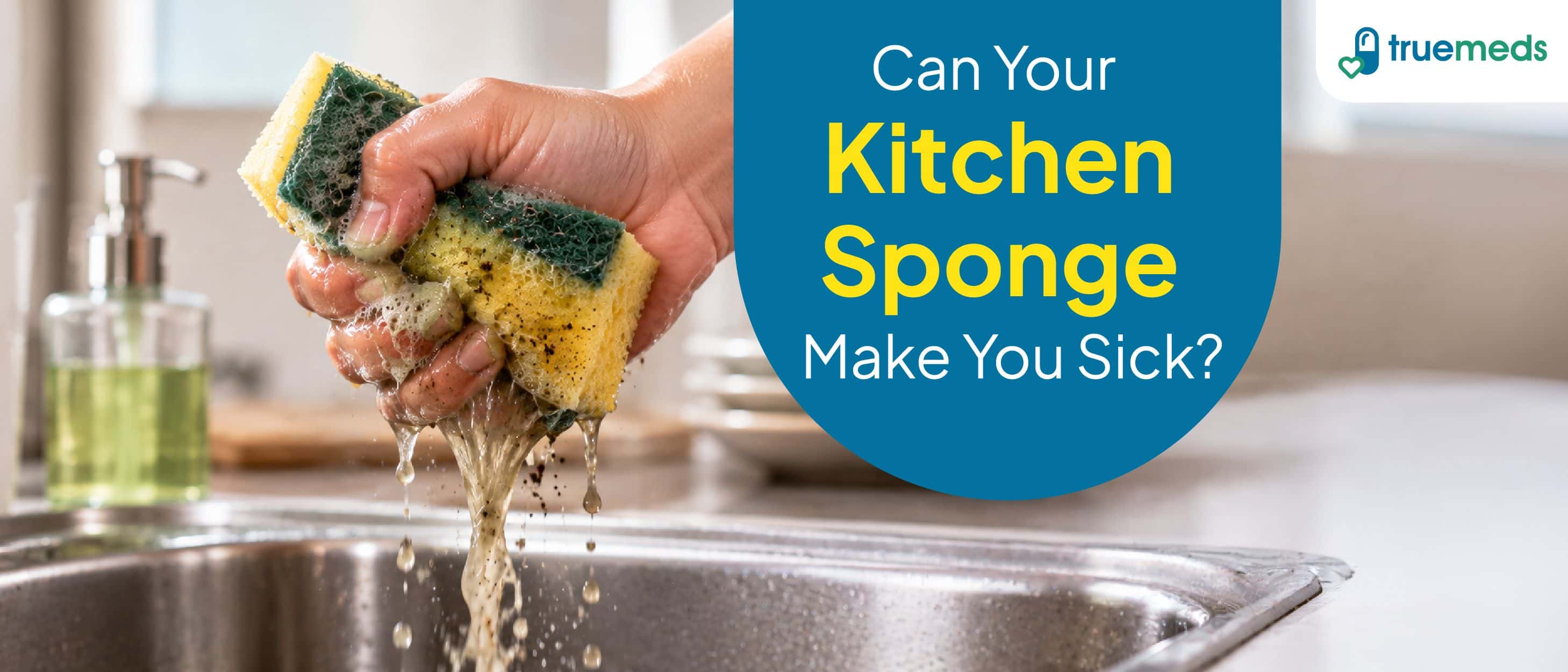
Have you ever wondered whether kitchen sponges are dirty enough to cause harm? Research confirms that kitchen sponges can harbour remarkably high concentrations of bacteria, often exceeding levels found on other household surfaces [1]. With an estimated 866 million people falling ill globally each year from contaminated food [2], it is worth a closer look at what lives in your sponge. This article explores what science says about sponge contamination, whether it poses a genuine health risk, and how to minimise potential dangers.
What does the research really say about kitchen sponges?
Multiple studies have examined kitchen sponge contamination with consistent findings. Research confirms that dish sponges can support the growth of human bacterial pathogens. Exposure to these pathogens through sponge use may lead to illness, which is particularly concerning for susceptible populations [1].
Compared with other domestic surfaces such as sinks or cutting boards, sponges consistently harbour higher microbial densities. Studies show that bacteria colonise patch-like biofilm structures within the sponge material [3]. This means bacteria do not just sit on the surface; they form complex communities deep within the sponge's porous structure, making them difficult to remove completely.
What makes kitchen sponges prone to bacterial growth?
The conditions within kitchen sponges create an environment where bacteria can thrive. Sponges provide moisture and food residue, which can support microbial growth. Consumer behaviour patterns further contribute to contamination levels. Research indicates that over 70% of consumers do not replace their dish sponges until after three or more days of use. Additionally, more than half of consumers use dish sponges to clean kitchen countertops, which may spread bacteria to other surfaces [1].
What makes sponges particularly problematic is bacterial persistence. Research from the German Federal Institute for Risk Assessment (BfR) demonstrates that pathogens can multiply significantly within just a few days, even when initial counts are relatively low. Perhaps more concerning is the finding that bacteria can survive even after sponges have dried out for several days [4]. This means leaving your sponge to dry between uses, while helpful, does not eliminate the bacterial population entirely.
What kinds of bacteria live in kitchen sponges?
Kitchen sponges can harbour a diverse range of microorganisms, including some that have the potential to cause illness under certain conditions. Research has identified hygiene indicator microorganisms and foodborne pathogens in used sponges, including [5]:
- Enterobacteriaceae
- Coliforms
- Escherichia coli
- Staphylococcus aureus
- Salmonella species
- Yeasts and moulds
Laboratory testing has confirmed that E. coli, Salmonella, and Staphylococcus aureus can all multiply within sponges and transfer to other surfaces with just light pressure [4]. This transfer capability is what makes contaminated sponges a potential vector for spreading bacteria around your kitchen.
Can a dirty sponge actually make you sick?
The short answer is yes, though the risk varies depending on several factors. The infectious doses for many foodborne pathogens are remarkably low. This means even transferring small numbers of bacterial cells from a contaminated sponge may pose a health risk [3].
For healthy adults, exposure to sponge bacteria typically results in mild gastrointestinal symptoms. However, foodborne infections from household sources can be more serious than a brief bout of discomfort. The BfR notes that such infections can be particularly hazardous for vulnerable groups, including [4]:
- Elderly individuals
- People with underlying health conditions
- Young children
- Immunocompromised individuals
If you experience severe or persistent symptoms after a potential foodborne illness, consult a healthcare provider.
Does cleaning your sponge actually help?
Cleaning methods can reduce bacterial loads in kitchen sponges, but their effectiveness depends on factors such as the presence of organic residues and how often you sanitise them. Improper or irregular sanitation may only temporarily reduce microbial contamination, allowing rapid microbial regrowth. Food residues and other organic matter present in sponges can also support microbial survival and growth, potentially affecting the effectiveness of sanitation [5].
When done correctly, certain methods can be highly effective. According to the United States Department of Agriculture (USDA), microwaving kitchen sponges can kill 99.99999% of bacteria, while using a dishwasher can kill 99.9998% of bacteria. These findings indicate that both methods can be highly effective at reducing bacterial contamination in kitchen sponges, with microwaving achieving a slightly greater reduction in bacteria [6].
How to keep your kitchen sponge (relatively) safe
Maintaining sponge hygiene requires regular cleaning and timely replacement. Here are evidence-based strategies:
Replace sponges regularly
Sponges may show no visible signs of bacterial contamination. They can appear clean and smell fresh while still harbouring harmful bacteria. Researchers emphasise the importance of replacing kitchen sponges regularly rather than relying on appearance or smell as indicators of cleanliness [4].
Clean between replacements
If you choose to extend sponge life, sanitise regularly [6]:
- Microwave: Place the wet sponge in the microwave on high for one to two minutes. Allow the sponge to cool before removing it, as it may be very hot.
- Dishwasher: Place the sponge in the dishwasher and use the hottest, longest cycle available, followed by the drying cycle.
- Bleach solution: Prepare a sanitising solution using one-quarter to one-half teaspoon of concentrated chlorine bleach (8.25% hypochlorite) in one quart of warm water. Soak the sponge for one minute.
Consider alternatives
Research demonstrates that dish brushes may be more hygienic than sponges. The key difference is drying speed: brushes dry faster, which reduces bacterial survival and growth [7].
In laboratory experiments comparing kitchen sponges and brushes, Salmonella survived for more than seven days in two of the three sponge types tested. Campylobacter survived for one day in all sponge types. In contrast, bacteria died off more rapidly on brushes, with Campylobacter falling below detection limits after one day and Salmonella after three days [8].
Practice good kitchen hygiene
Regardless of your cleaning tool choice [4]:
- Avoid using the same sponge on raw meat surfaces and clean dishes
- Rinse food debris from dishes before washing
- Store sponges where they can dry between uses
Conclusion
Kitchen sponges can harbour large numbers of bacteria because their porous, damp environment traps food particles and moisture. While a dirty sponge does not necessarily make you sick, it can spread harmful bacteria around the kitchen and may pose a greater risk to vulnerable people. Regularly sanitising or replacing sponges, allowing them to dry between uses, and switching to faster-drying dish brushes can help reduce bacterial contamination and support better kitchen hygiene.
FAQs
Is it true kitchen sponges are dirtier than a toilet seat?
Studies confirm that kitchen sponges can harbour more bacteria than many other household surfaces, including toilet seats. This is due to the combination of moisture, food residues, and porous structure that creates ideal conditions for bacterial growth.
How often should I replace my kitchen sponge?
Replace your kitchen sponge every one to two weeks, or sooner if it develops an odour or visible discolouration. Since contamination is not always visible or detectable by smell, regular replacement is more reliable than relying on appearance.
Does microwaving a sponge actually kill the bacteria?
Yes, microwaving a wet sponge for one to two minutes can kill over 99.9% of bacteria. The sponge must be thoroughly wet to prevent fire risk. This method works best on sponges that are not heavily soiled with food debris.
Are silicone scrubbers or dish brushes more hygienic than sponges?
Dish brushes are generally considered more hygienic than sponges because they dry faster, creating less favourable conditions for bacterial survival. Research shows that pathogens such as Salmonella and Campylobacter survive longer on sponges than on brushes.
Can a dirty sponge make a healthy person sick?
It is possible, although the severity of illness can vary. The risk is higher for vulnerable groups, including young children, elderly individuals, and those with weakened immune systems or underlying health conditions.
Is it safe to use the same sponge on raw meat and dishes?
This practice increases cross-contamination risk. Raw meat can introduce harmful bacteria like Salmonella to your sponge, which may then transfer to other surfaces and dishes. Use separate cleaning tools or thoroughly sanitise between uses.
Medical Disclaimer
This article is for informational purposes only and does not constitute medical advice. The information provided should not be used for diagnosing or treating health conditions. Always consult a qualified healthcare provider for diagnosis, treatment, and personalised medical advice. Do not disregard professional medical advice or delay seeking it because of information found in this article. If you have a medical emergency, contact your doctor or emergency services immediately.
References
Carstens, C. K., Salazar, J. K., Sharma, S., Chan, W., & Darkoh, C. (2024). Viability discrimination of bacterial microbiomes in home kitchen dish sponges using propidium monoazide treatment. Environmental Microbiology Reports, 16(5), e70006. https://pmc.ncbi.nlm.nih.gov/articles/PMC11497490/
World Health Organization. (2026). Food safety. WHO. https://www.who.int/news-room/fact-sheets/detail/food-safety
Neuhaus, S., Tausch, S. H., Gulich, K., Körber, N., Grützke, J., Hensel, A., Al Dahouk, S., & Dieckmann, R. (2026). Kitchen sponges as reservoirs of foodborne pathogens: Microbial growth dynamics, surface cross-contamination, and hygiene implications. Journal of Food Protection. https://www.sciencedirect.com/science/article/pii/S0362028X26000992
German Federal Institute for Risk Assessment. (2026). The microcosm of a kitchen sponge: bacterial contamination is not always visible or detectable by smell. BfR. https://www.bfr.bund.de/en/press-release/the-microcosm-of-a-kitchen-sponge-bacterial-contamination-is-not-always-visible-or-detectable-by-smell/