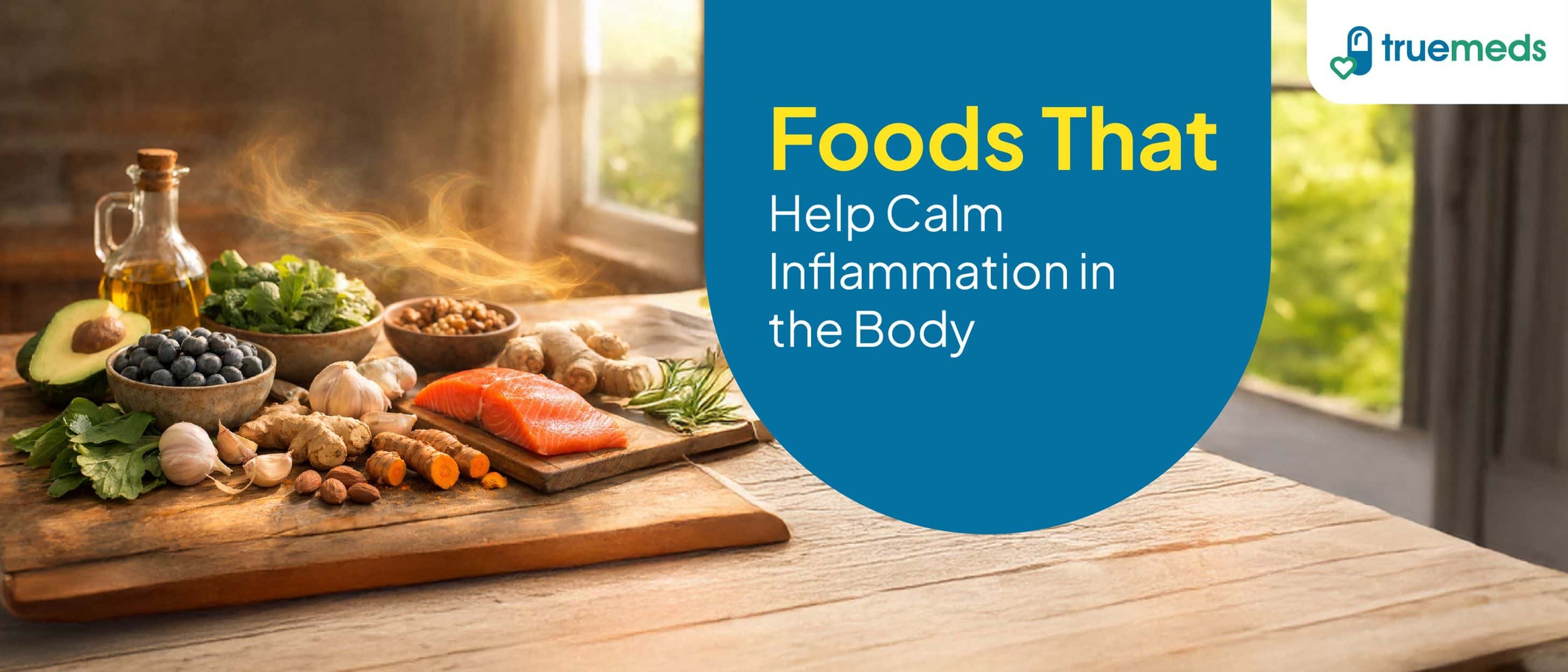
Inflammation is a natural response of the body to injury or infection, playing a crucial role in the healing process[1]. However, when inflammation persists and becomes chronic, it can contribute to the development of various health issues, including heart disease, diabetes, and certain cancers[2]. Including anti-inflammatory foods in your diet may help support the management of chronic inflammation and overall health. These foods provide nutrients that may help reduce inflammation, making them a valuable addition to a balanced diet for long-term health and disease prevention[3].
What are anti-inflammatory foods?
Anti-inflammatory foods are dietary components that may help reduce inflammation in the body[3]. They typically include fruits, vegetables, whole grains, lean proteins, and healthy fats, which are rich in antioxidants, omega-3 fatty acids, and other nutrients known to combat inflammation[4]. These foods help by lowering stress on the body, supporting the immune system, and reducing inflammation. Over time, this may lower the risk of long-term conditions such as heart disease, arthritis, and some cancers[2].
Top 20 anti-inflammatory foods
Incorporating anti-inflammatory foods into your diet may significantly reduce chronic inflammation and promote better overall health. Here is a list of the top 20 anti-inflammatory foods that you can easily add to your meals[5]:
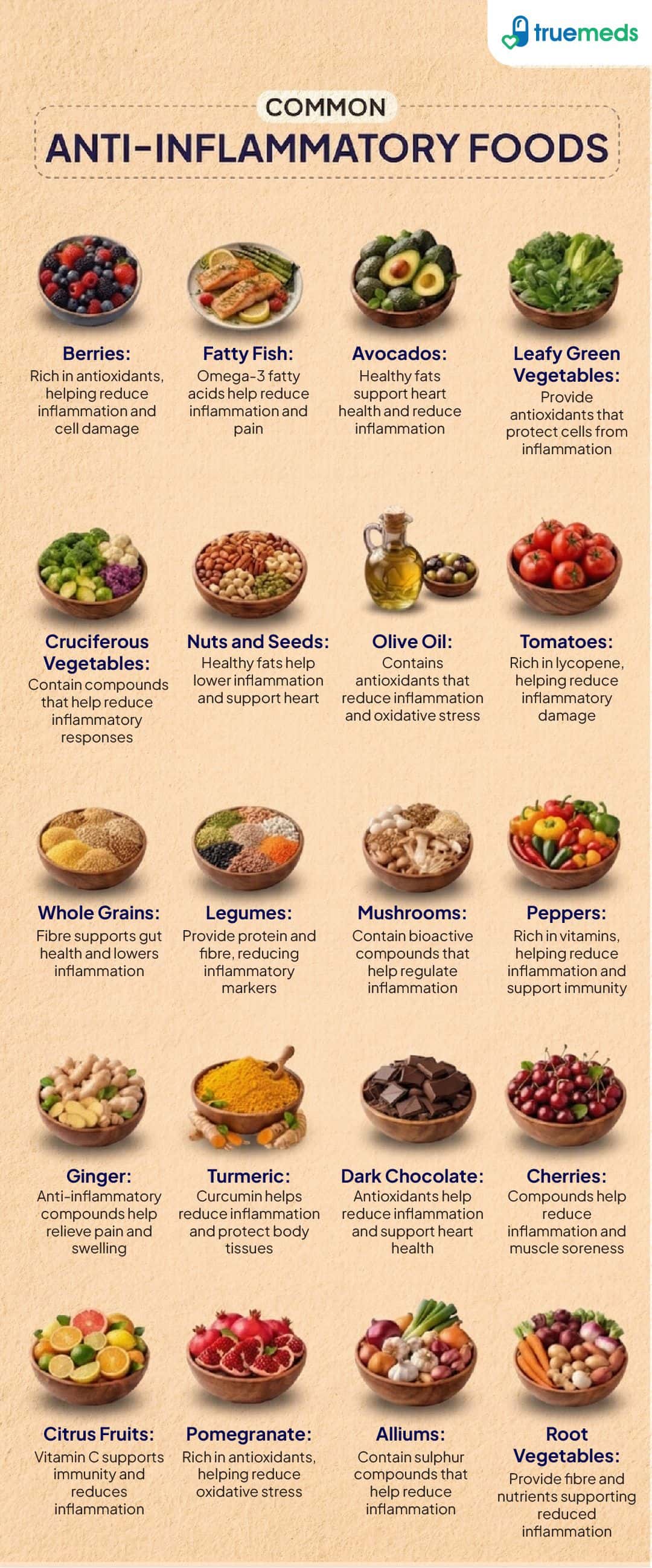
1. Berries
Berries such as blueberries, strawberries, raspberries, blackberries, açaí, goji, and cranberries are packed with antioxidants and flavonoids, making them some of the most potent anti-inflammatory foods available. These compounds, particularly anthocyanins, help neutralise harmful free radicals and reduce inflammation in the body by turning down the signals that trigger swelling and irritation[6]. Berries are versatile and can be enjoyed fresh, frozen, or as part of various desserts and snacks. Adding a handful of berries to your morning oatmeal or yoghurt is an easy way to start your day with a nutrient-rich, anti-inflammatory boost.
2. Fatty fish
Fatty fish, including salmon, sardines, mackerel, anchovies, and tuna, are excellent sources of omega-3 fatty acids, which are known for their potent inflammation-fighting properties[4]. Omega-3s help reduce the production of inflammatory compounds in the body and promote the synthesis of anti-inflammatory substances[4]. Incorporating fatty fish into your diet at least twice a week can significantly contribute to lowering inflammation levels. These fish can be baked, grilled, or added to salads for a delicious and nutritious meal.
3. Avocados
Avocados are a nutrient-dense fruit that are often associated with anti-inflammatory benefits. They provide monounsaturated fats, fibre, carotenoids, and antioxidants, which may help reduce inflammation and support heart health[4]. The healthy fats in avocados also help improve the absorption of fat-soluble vitamins and antioxidants from other foods. Avocados are incredibly versatile and can be enjoyed as a topping for salads, blended into smoothies, or mashed into guacamole for a tasty and nutritious snack.
4. Leafy green vegetables
Leafy green vegetables, such as spinach, kale, collards, chard, arugula, fenugreek leaves, and mustard greens, are loaded with vitamins, minerals, and antioxidants that help combat inflammation in the body. These nutrient-rich greens are particularly high in vitamin K, vitamin C, and flavonoids, which work together to protect cells from oxidative stress and reduce inflammatory markers[7]. Leafy greens are incredibly versatile and can be enjoyed raw in salads, sautéed as a side dish, or added to smoothies for a nutrient boost.
5. Cruciferous vegetables
Cruciferous vegetables, including broccoli, cauliflower, Brussels sprouts, cabbage, and bok choy, contain unique compounds like sulforaphane that have potent anti-inflammatory effects. It contains compounds like sulforaphane that support the body's natural antioxidant defence systems and help reduce oxidative stress, which can contribute to inflammation. Cruciferous vegetables are also rich in fibre, vitamins, and minerals that support overall health[8]. Incorporating these vegetables into stir-fries, soups, or as part of a balanced meal is an excellent way to reap their anti-inflammatory benefits.
6. Nuts and seeds
Nuts and seeds, such as almonds, walnuts, Brazil nuts, flaxseeds, chia seeds, and pumpkin seeds, are nutrient powerhouses that provide healthy fats, fibre, and antioxidants. These components work together to reduce inflammation and support overall health. Nuts and seeds are particularly rich in omega-3 fatty acids, vitamin E, and magnesium, which have been shown to have anti-inflammatory properties[5]. Adding a handful of nuts or seeds to your daily diet as a snack or topping for oatmeal or yoghurt is an easy way to boost your intake of these inflammation-fighting nutrients.
7. Olive oil
Olive oil is a staple of the Mediterranean diet and is well-known for its anti-inflammatory properties. It contains a compound called oleocanthal, which has been shown to have anti-inflammatory effects due to its ability to inhibit pro-inflammatory enzymes. Olive oil is rich in monounsaturated fats and antioxidants that help reduce inflammation and support heart health[9]. Using extra-virgin olive oil as your primary cooking oil or in dressings and marinades is an excellent way to incorporate this anti-inflammatory food into your diet[5].
8. Tomatoes
Tomatoes are a delicious and versatile fruit that is high in vitamin C and lycopene, both of which have been linked to reduced inflammation in the body[3]. Lycopene is a potent antioxidant that helps neutralise free radicals and reduce oxidative stress, which can contribute to inflammation[3]. Cooking tomatoes, such as in sauces or soups, can actually increase the bioavailability of lycopene, making it easier for the body to absorb and utilise. Including tomatoes in meals, whether fresh or cooked, may be a helpful way to benefit from their potential anti-inflammatory properties.
9. Whole grains
Whole grains, such as brown rice, quinoa, oats, barley, millet, and farro, are rich in fibre and phytochemicals that help lower inflammation in the body[5]. These complex carbohydrates are also a good source of B vitamins, magnesium, and selenium, which support overall health and well-being. The fibre in whole grains helps promote the growth of beneficial gut bacteria, which may help reduce inflammation in the digestive tract[5]. Incorporating a variety of whole grains into your meals, from salads to main courses, is an excellent way to reap their anti-inflammatory benefits.
10. Legumes
Legumes, including beans, lentils, and chickpeas, are high in fibre and antioxidants that support gut health and immune function, both of which play a crucial role in regulating inflammation in the body. The fibre in legumes helps feed beneficial gut bacteria, which produce short-chain fatty acids that have anti-inflammatory effects[5]. Legumes are also a good source of plant-based protein, which can help reduce inflammation associated with high intakes of animal protein. Incorporating legumes into soups, stews, salads, and other dishes is a delicious and nutritious way to benefit from their anti-inflammatory properties.
11. Mushrooms
Mushrooms are a nutritious addition to an anti-inflammatory diet. They contain bioactive compounds that help lower inflammation and oxidative stress in the body. These compounds include polysaccharides, phenolic compounds, and other bioactive compounds that have shown anti-inflammatory effects in research. However, most of the current evidence comes from laboratory and animal studies, and more human studies are needed.[10]. By consuming mushrooms regularly, you may help modulate your immune response and reduce inflammation, potentially supporting your overall health.
12. Peppers
Peppers, such as bell peppers and chilli peppers, are packed with vitamin C and antioxidants, making them an excellent choice for reducing inflammation. These colourful vegetables contain anti-inflammatory capsaicinoids and carotenoids, which help protect your body against oxidative stress and inflammation[5]. Incorporating a variety of peppers into your meals can not only add flavour but also provide valuable nutrients that support your health.
13. Ginger
Ginger is a popular spice that contains gingerol and other compounds known to inhibit inflammatory pathways in the body. These active compounds have been shown to reduce pain and inflammation by modulating pro-inflammatory cytokines, making ginger a valuable addition to an anti-inflammatory diet[11]. Whether you enjoy ginger in your tea, smoothies, or cooking, this versatile ingredient can help support your body's natural defences against inflammation.
14. Turmeric
Turmeric, a vibrant yellow spice commonly used in Indian cuisine, contains curcumin, a natural compound that has been studied for its anti-inflammatory and antioxidant properties. Research suggests that curcumin may help support the body's natural response to inflammation and oxidative stress[12].
Curcumin makes up only a small proportion of turmeric and is not easily absorbed on its own. Its absorption may be improved by combining turmeric with black pepper, which contains piperine, or by cooking it with a source of fat such as ghee or oil, as curcumin is fat soluble. Practical ways to include turmeric in your diet include adding it to a tadka prepared with oil or ghee, or preparing haldi doodh with a pinch of black pepper.
Including turmeric as part of a balanced diet may help support overall health. If you are considering turmeric supplements, consult a healthcare professional first, particularly if you are pregnant, have gallbladder disease, or are taking blood thinners or other medicines, as supplements may interact with certain medications.
15. Dark chocolate
Dark chocolate, particularly varieties with 70% cocoa or higher, contains flavonoids and polyphenols that can help reduce inflammation in the body. These compounds work to improve heart health by lowering blood pressure and improving blood flow, which can also contribute to managing inflammation[5]. When enjoying dark chocolate, be mindful of portion sizes and choose high-quality varieties with minimal added sugars to maximise the anti-inflammatory benefits.
16. Cherries
Cherries are a delightful fruit that are high in anthocyanins and vitamin C, both of which have powerful anti-inflammatory effects[3]. Anthocyanins, the pigments responsible for the rich red colour of cherries, help reduce the production of pro-inflammatory cytokines in the body[6]. By incorporating cherries into your diet, either fresh or in the form of unsweetened juice, you can help manage inflammation and support your overall health.
17. Citrus fruits
Citrus fruits, such as oranges, grapefruit, lemon, and lime, are well-known for their high vitamin C content and other antioxidants[5]. These nutrients play a crucial role in protecting your body against oxidative stress and inflammation, contributing to overall health and well-being[5]. Incorporating a variety of citrus fruits into your diet can help boost your immune system and reduce inflammation, making them a valuable addition to an anti-inflammatory eating plan.
18. Pomegranate
Pomegranates are a nutrient-dense fruit rich in punicalagin and other antioxidants that have been shown to reduce inflammatory markers in the body. The anti-inflammatory properties of pomegranates can be particularly beneficial for managing conditions associated with chronic inflammation, such as heart disease and arthritis[13]. Whether you enjoy pomegranate seeds, juice, or supplements, this powerful fruit can help support your body's natural defences against inflammation.
19. Alliums
Alliums, a family of vegetables that includes garlic, onions, and leeks, contain sulphur compounds that have been shown to regulate inflammation in the body. These compounds work by reducing the production of pro-inflammatory cytokines, which can help support cardiovascular and immune health[14]. Incorporating a variety of alliums into your cooking can not only add flavour to your meals but also provide valuable anti-inflammatory benefits.
20. Root vegetables
Root vegetables, such as beets, carrots, sweet potatoes, and parsnips, are high in fibre, vitamins, and antioxidants, making them an excellent addition to an anti-inflammatory diet[3]. These nutrient-dense vegetables support digestive health and may help reduce oxidative stress and inflammation in the body, promoting overall well-being[3]. Incorporating a variety of colourful root vegetables into your meals can help ensure that you're receiving a wide range of anti-inflammatory nutrients to support your health.
Foods that cause inflammation: What to cut down on
Adding anti-inflammatory foods matters less than people think if the inflammatory ones stay on the plate. What you remove is at least as important as what you add. The main culprits:
- Refined carbohydrates: maida, white bread, biscuits, most bakery items and packaged snacks.
- Added sugar and sugary drinks: cold drinks, packaged fruit juice, sweetened tea, mithai.
- Deep-fried food: samosas, pakoras, puris, and anything cooked in repeatedly reheated oil, which produces potentially harmful compounds associated with inflammation.
- Trans fats: vanaspati, partially hydrogenated oils, and many commercial bakery and street-food fats. Check labels for "partially hydrogenated."
- Processed and red meat: sausages, salami, and frequent consumption of red meat.
- Ultra-processed food in general: if the ingredient list is long and starts with sugar, salt or a refined oil, it belongs here.
- Excess alcohol.
A practical rule: Swap rather than simply add. Maida roti for a millet roti, a deep-fried snack for roasted chana, a cold drink for green tea or water. Substitution is more sustainable than addition, and it is the change that actually moves the needle.
Anti-inflammatory fruits: A quick reference
A grouped table that pulls the fruits out of the main list and adds the Indian ones.
How to incorporate anti-inflammatory foods into your diet?
Incorporating anti-inflammatory foods into your diet is easy with these simple steps:
- Begin your day with a nutritious breakfast. Swap processed cereals for Greek yoghurt topped with berries, which are rich in polyphenols, and walnuts, which contain omega-3 fatty acids.
- Make smart snack choices. Instead of reaching for crisps, pair apple slices with almond butter or enjoy hummus with carrot or cucumber sticks. These nutrient-dense snacks will keep you satisfied while providing potential anti-inflammatory benefits.
- Focus on plant-based meals. When planning your lunch and dinner, build your meals around leafy greens, tomatoes, and cruciferous vegetables.
- Choose proteins wisely. Aim to replace red meat with fatty fish, such as salmon or sardines. Plant-based proteins like lentils and chickpeas are also excellent anti-inflammatory options.
- Ginger, cinnamon, and garlic are not only delicious but also offer anti-inflammatory properties. Use these spices to season your meals instead of relying on excessive salt or sugar.
- Replace sugary drinks with green tea, which is rich in antioxidants, or water infused with citrus fruits or berries for a refreshing and healthy alternative.
Individual nutritional needs can vary based on health conditions, medications, and lifestyle factors. Always consult a qualified healthcare professional or registered dietitian before making significant changes to your diet.
An Anti-inflammatory diet for overall health
An anti-inflammatory diet is a powerful tool for promoting overall health and reducing the risk of chronic diseases. This eating pattern emphasises whole, nutrient-dense foods that may help combat chronic inflammation, which has been linked to conditions such as heart disease, diabetes, and autoimmune disorders[2].
The core principles of an anti-inflammatory diet include prioritising omega-3 fatty acids found in foods like salmon and flaxseeds, consuming antioxidant-rich produce such as berries and leafy greens, and incorporating fibre-rich sources like whole grains and legumes[3]. Simultaneously, this diet minimises the consumption of processed foods, refined sugars, and trans fats, which can contribute to inflammation[3]. By following an anti-inflammatory diet, you can potentially support your immune function, improve gut health, and lower the risks of inflammation-driven illnesses[5].
This is not medical advice. Seek professional guidance for personalised dietary recommendations.
Conclusion
Incorporating anti-inflammatory foods into your diet can have a significant positive impact on your overall health. By focusing on whole foods, omega-3 fatty acids, and beneficial herbs and spices like turmeric, you can create delicious and nutritious meals that support your well-being. This balanced approach to eating can help manage chronic conditions and promote a healthier lifestyle. With a few simple changes to your daily routine, you can harness the power of anti-inflammatory foods and experience the benefits they offer for your body and mind.
FAQs
What are the best anti-inflammatory foods?
The best anti-inflammatory foods include fatty fish like salmon and mackerel, green leafy vegetables such as spinach and kale, nuts, berries, olive oil, and spices like turmeric.
Can I reduce inflammation through food alone?
Food can play an important role in managing inflammation, but it is usually not enough on its own. An anti-inflammatory diet rich in fruits, vegetables, whole grains, fatty fish, nuts, and spices may help lower inflammation. However, factors like sleep, stress, physical activity, and overall health also influence inflammation levels.
How can anti-inflammatory foods help with arthritis?
Anti-inflammatory foods may help support arthritis management by lowering inflammation and oxidative stress in the body. Foods such as leafy greens rich in vitamin K, berries, and olive oil are often linked to better joint comfort and mobility, which may help ease pain and stiffness over time.
Is turmeric really effective at reducing inflammation?
Turmeric is often linked to anti-inflammatory benefits because it contains curcumin, a natural compound that has been widely studied. Research suggests curcumin may help lower inflammation, especially when consumed regularly and as part of a balanced diet, though its effects can vary from person to person.
What is the role of omega-3s in reducing inflammation?
Omega-3 fatty acids in fatty fish help modulate inflammatory pathways and reduce cytokine production, helping to lower chronic inflammation and associated diseases.
Can I eat inflammatory foods and still manage inflammation?
It’s possible to manage inflammation even if inflammatory foods are eaten occasionally. What matters most is the overall diet pattern. Limiting processed sugars and unhealthy fats while focusing mainly on anti-inflammatory foods may help keep inflammation in check.
How do anti-inflammatory foods reduce the risk of chronic diseases?
By lowering chronic inflammation, these foods may help reduce the risk of conditions such as heart disease, diabetes, and certain types of cancer.
Can anti-inflammatory foods support heart health?
The nutrients in anti-inflammatory foods may help reduce inflammation in the cardiovascular system, which can support healthier blood vessels and overall heart function.
Can anti-inflammatory foods improve immune function?
Yes, anti-inflammatory foods may help regulate inflammatory responses, supporting balanced immune function and overall health.
Do anti-inflammatory foods benefit brain and cognitive health?
An anti-inflammatory diet has been linked to a potential reduction in the risk of cognitive decline and neurodegenerative conditions such as Alzheimer’s disease.
Medical Disclaimer
This article is for informational purposes only and does not constitute medical advice. The information provided should not be used for diagnosing or treating health conditions. Always consult a qualified healthcare provider for diagnosis, treatment, and personalised medical advice. Do not disregard professional medical advice or delay seeking it because of information found in this article. If you have a medical emergency, contact your doctor or emergency services immediately.
References
Zubair, M., & Burns, B. (2024, August 11). Pathology, inflammation. StatPearls - NCBI Bookshelf. https://www.ncbi.nlm.nih.gov/books/NBK534820/
Furman, D., Campisi, J., Verdin, E., Carrera-Bastos, P., Targ, S., Franceschi, C., Ferrucci, L., Gilroy, D. W., Fasano, A., Miller, G. W., Miller, A. H., Mantovani, A., Weyand, C. M., Barzilai, N., Goronzy, J. J., Rando, T. A., Effros, R. B., Lucia, A., Kleinstreuer, N., & Slavich, G. M. (2019, December 5). Chronic inflammation in the etiology of disease across the life span. Nature Medicine. https://pmc.ncbi.nlm.nih.gov/articles/PMC7147972/
Harvard Health Publishing. (2024, March 26). Foods that fight inflammation. Harvard Health. https://www.health.harvard.edu/staying-healthy/foods-that-fight-inflammation
Scheiber, A., & Mank, V. (2023, October 28). Anti-Inflammatory diets. StatPearls - NCBI Bookshelf. https://www.ncbi.nlm.nih.gov/books/NBK597377/