Key Takeaways
- Prolonged listening at high volumes can cause lasting hearing damage.
- Moisture and microbial growth around the ear canal may increase the risk of outer ear infections.
- Poorly fitting earbuds may cause ear pressure, soreness, or irritation, especially with extended use.
- Repeated exposure to loud audio can put children's and teenagers' hearing at risk.
- Moderate volume levels and breaks between listening sessions can limit exposure to loud sounds.
Introduction
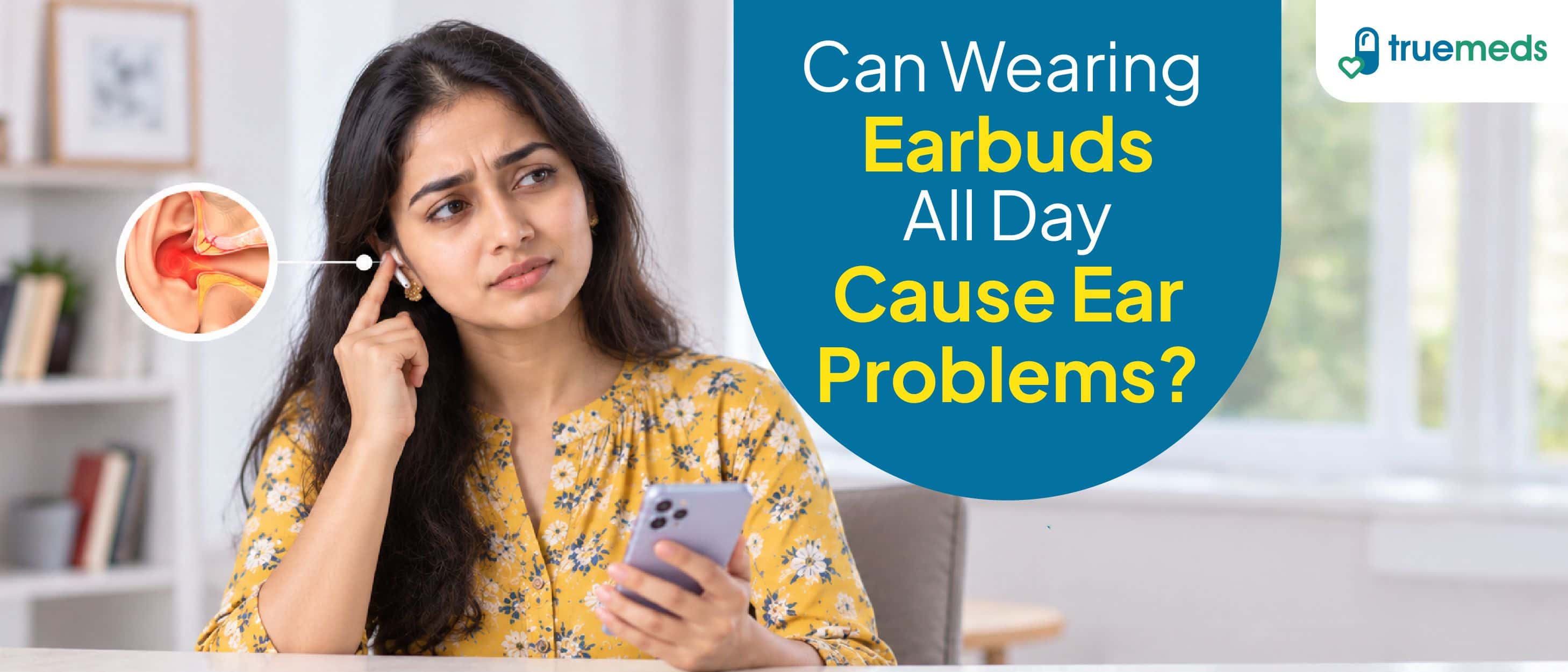
Earbuds have become part of everyday life, whether for listening to music, attending calls, or enjoying podcasts. However, their impact on ear health depends partly on the volume and length of each listening session. The World Health Organization (WHO) estimates that unsafe listening habits put over 1 billion people aged 12–35 years at risk of hearing loss[1]. Exposure to excessive noise can harm the sensitive structures of the inner ear, including when loud music is played through earbuds[2]. Apart from hearing-related effects, earbud use may also be associated with irritation and other ear problems. This article explores the potential side effects of earbuds and their relationship with ear health.
Can earbuds cause hearing loss?
Listening to audio at high volumes can harm hearing, especially when exposure lasts for long periods or happens repeatedly. The likelihood of damage depends on both the loudness of the sound and the length of exposure[3]. Excessive noise can injure the sensory hair cells inside the inner ear. These cells convert sound vibrations into electrical signals that the brain interprets as sound[2].
Hearing damage caused by noise is known as noise-induced hearing loss (NIHL). It can develop gradually, making early changes difficult to notice. Listening to loud music through earbuds is one possible source of harmful recreational noise exposure[2].
Damage to the inner ear's sensory hair cells is generally permanent because these cells do not regenerate in humans. Once this type of hearing loss occurs, current medical treatments cannot fully restore the damaged sensory cells[4]. This makes excessive noise exposure an important concern for long-term hearing health.
Ringing in the ears or reduced hearing after exposure to loud sounds may indicate a change in hearing. If these symptoms persist, assessment by a qualified healthcare professional may help establish the cause.
If ringing or difficulty hearing continues after earbud use, seek assessment from an audiologist or an ear, nose and throat (ENT) specialist.
Can earbuds cause ear infections?
Frequent use of in-ear earbuds may be associated with outer ear infections, known medically as otitis externa. Wearing these devices can reduce ventilation inside the ear canal and allow moisture to accumulate. A warm, damp environment may favour bacterial or fungal growth, potentially raising the risk of infection[5].
Earbuds shared between people may also carry earwax and microorganisms from one user to another. Poor cleaning practices can add to hygiene concerns and may contribute to irritation or infection[6].
Outer ear infections can cause symptoms such as itching, redness, pain, and discharge. However, these signs are not exclusive to infections and may occur with other ear conditions.
Why do earbuds make my ears hurt?
Ear pain during earbud use may be linked to the device's shape or fit. Earbuds that sit too tightly can press against the ear canal. Those that fit loosely may shift repeatedly, causing friction. As ear shapes differ, the same pair may feel comfortable to one person but uncomfortable to another[7].
The length of time earbuds are worn can also affect comfort. Extended contact may irritate the skin in or around the ear canal. In-ear devices can retain moisture, which may contribute to skin irritation and create conditions that favour outer ear infections[8].
Discomfort varies according to the earbud design, how it fits, and how long it is used. However, ear pain does not always result from wearing earbuds. Other ear conditions may produce similar symptoms, so the device should not be assumed to be the cause.
Other potential side effects of earbuds
Earbuds may cause problems beyond hearing damage, infections, and discomfort. These can include earwax accumulation, skin irritation, and changes in hearing. A 2025 study also reported auditory and skin-related symptoms among earphone users[6].
| Side effect | What happens | Possible signs |
| Earwax build-up | Earwax can accumulate in the ear canal and may contribute to blockage. | Muffled hearing, a feeling of fullness, or discomfort |
| Temporary hearing changes | Exposure to loud sounds can cause a temporary reduction in hearing or ringing in the ears[3]. | Muffled hearing or difficulty hearing clearly after listening |
| Skin irritation | Friction, prolonged contact, and moisture may irritate the skin around the ear canal. | Itching, redness, or discomfort |
| Tinnitus | Exposure to excessive noise can cause ringing or buzzing in the ears[3]. | Hearing ringing or buzzing when no external sound is present |
Temporary muffled hearing or ringing after loud sound exposure may indicate that the ears have been affected by excessive noise. Repeated exposure to loud sounds can also cause permanent hearing damage[3].
Special considerations for children
Hearing difficulties in childhood can affect several areas of development. These include speech, language, communication, education, and interaction with others[9]. The US Centers for Disease Control and Prevention (CDC) reports that approximately 5.2 million children and adolescents aged 6–19 years (12.5%) have experienced permanent hearing damage associated with excessive noise exposure[10]. Globally, the World Health Organization (WHO) estimates that 95.1 million people aged 5–19 years live with hearing loss[11].
Earbud fit is also important when considering children's ear comfort. Devices that are too large or fit poorly may press against the ear canal and cause discomfort[7]. Adult-sized earbuds may not suit smaller ears. In addition, sound leakage may make it harder to hear audio clearly, potentially encouraging some children to increase the volume [12].
Parents should supervise children's earbud use and consider volume-limiting headphones designed specifically for younger users.
How to wear earbuds safely
Earbud use can affect hearing and ear comfort, depending on listening habits and device fit. Volume, exposure time, and hygiene are all relevant factors.
- Watch the volume: The 60/60 rule is a commonly shared guideline. It suggests using up to 60% of the maximum volume for no longer than 60 minutes at a time. It should not be treated as a fixed safety threshold, as actual sound levels vary between devices[13].
- Pause between listening sessions: Listening to loud audio for extended periods can increase the risk of hearing damage. Taking breaks limits continuous exposure, but does not make excessively loud listening safe[4].
- Find a comfortable fit: Earbuds that press tightly against the ear canal may cause soreness or irritation. Since ear shapes differ, a design that fits one person well may feel uncomfortable to another.
- Maintain earbud hygiene: Earwax, dirt, and moisture can build up on earbuds with regular use. Follow the manufacturer's cleaning instructions and avoid sharing devices, as this may transfer microorganisms between users.
- Choose a suitable headphone style: Both in-ear earbuds and over-ear headphones can expose listeners to potentially damaging sound levels. Listening volume and total exposure time matter more than the style of headphones alone[7].
Conclusion
Wearing earbuds all day can risk your ear health, but these problems are largely preventable. Hearing loss, ear infections, pain, and earwax buildup are real concerns, yet simple habits like following the 60/60 rule, taking breaks, and ensuring proper fit can protect your ears effectively. If you experience persistent ear pain, hearing changes, or signs of infection, consult a healthcare professional promptly. Your hearing is precious and irreplaceable, so treating it with care today helps preserve it for years to come.
Medical Disclaimer
This article is for informational purposes only and does not constitute medical advice. The information provided should not be used for diagnosing or treating health conditions. Always consult a qualified healthcare provider for diagnosis, treatment, and personalised medical advice. Do not disregard professional medical advice or delay seeking it because of information found in this article. If you have a medical emergency, contact your doctor or emergency services immediately.
FAQs
What is the 60/60 rule for headphone use?
The 60/60 rule suggests listening at no more than 60% of maximum volume for up to 60 minutes at a time. It is a general guideline rather than a guarantee of safe listening. Hearing risk also depends on sound intensity and overall exposure time.
Is daily earbud use safe?
Using earbuds daily does not automatically cause harm. However, the risk depends on listening volume, duration, fit, and hygiene. Prolonged exposure to loud sound can damage hearing, regardless of how often earbuds are used.
Can sharing earbuds spread infections?
Yes, shared earbuds may transfer microorganisms between users. Earwax and moisture can also collect on the devices. These factors may contribute to irritation or increase the risk of an outer ear infection.
Is muffled hearing after using earbuds a cause for concern?
Muffled hearing or ringing after listening may indicate exposure to excessive noise. These symptoms can sometimes be temporary, but repeated exposure to loud sounds may cause lasting hearing damage. Persistent symptoms warrant assessment by a qualified healthcare professional.
Are over-ear headphones safer than earbuds?
Neither type is automatically safer for hearing. The main factors are how loud the sound is and how long a person listens. Fit and comfort may also differ between individuals and headphone designs.
When should ear pain from earbuds be checked?
Ear pain may result from pressure, friction, or a poor fit. Persistent pain, discharge, noticeable hearing changes, or other signs of infection may indicate an underlying ear problem. A healthcare professional can assess the cause.
Can earbuds cause earwax blockage?
Earbuds may contribute to earwax accumulation in some users. A build-up can cause a blocked sensation, discomfort, or muffled hearing. These symptoms can have other causes, so suspected blockage should be assessed by a healthcare professional rather than assumed to be earwax impaction.
References
(2026). Deafness and hearing loss. World Health Organisation. https://www.who.int/news-room/fact-sheets/detail/deafness-and-hearing-loss
National Institute on Deafness and Other Communication Disorders. (2025). Noise-induced hearing loss (NIHL). National Institutes of Health. https://www.nidcd.nih.gov/health/noise-induced-hearing-loss
Centers for Disease Control and Prevention. (2026). What causes noise-induced hearing loss. Centers for Disease Control and Prevention. https://www.cdc.gov/hearing-loss/causes/index.html
Centers for Disease Control and Prevention. (2026). Preventing noise-induced hearing loss. Centers for Disease Control and Prevention. https://www.cdc.gov/hearing-loss/prevention/index.html