

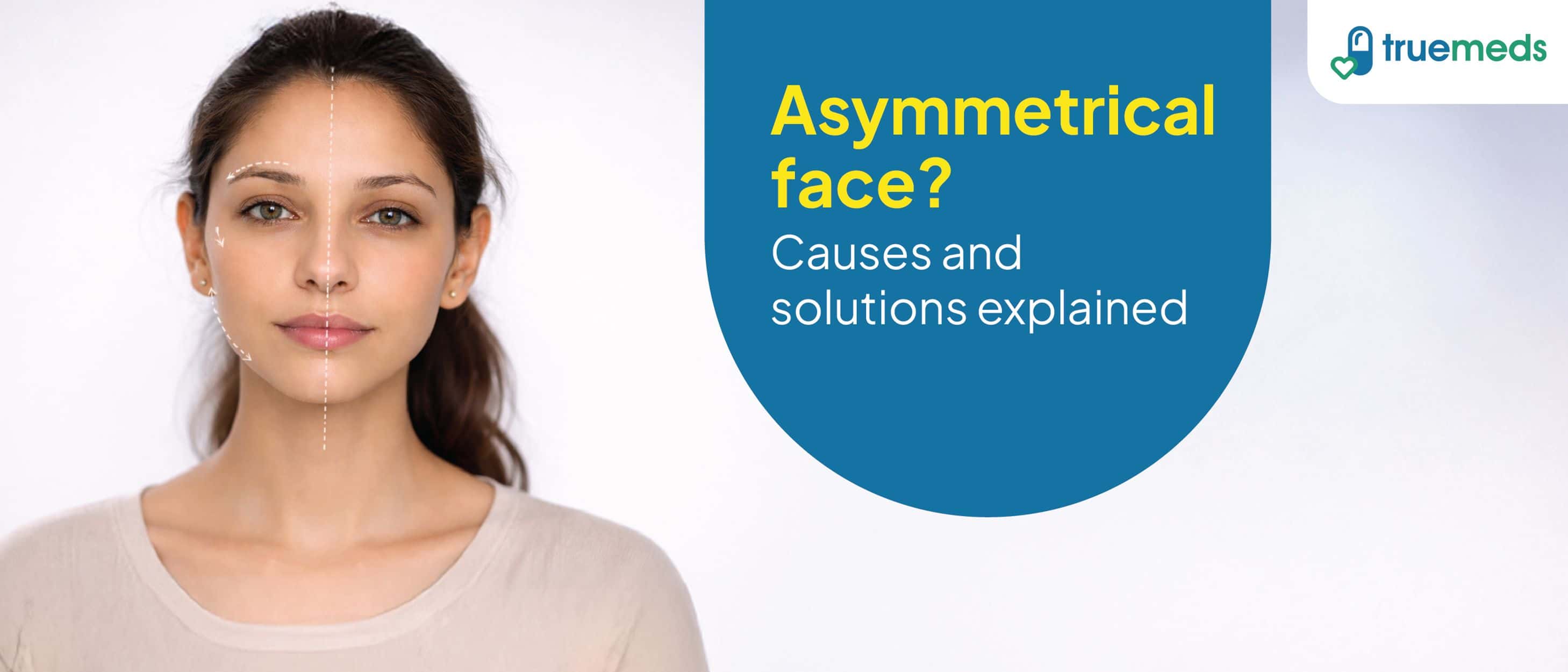
Facial asymmetry refers to differences in the size, shape or position of facial features between the two sides of the face. Most people have some degree of facial asymmetry, and in many cases, it is a normal variation that does not require treatment[1]. Facial asymmetry may be present from birth (congenital) or develop later in life due to ageing, injury, dental or jaw problems, neurological conditions or other medical conditions[2]. While mild asymmetry is usually harmless, sudden facial asymmetry, especially when accompanied by facial weakness, difficulty speaking or facial drooping, requires immediate medical attention, as it may indicate a serious condition such as a stroke. Understanding the possible causes can help determine when medical evaluation or treatment is needed.
What is an asymmetrical face?
An asymmetrical face refers to a condition in which facial features, such as the eyes, cheeks, or jaw, lack perfect bilateral symmetry. It's important to note that mild asymmetry is common and often imperceptible; even faces considered "symmetrical" exhibit subtle variations[1]. In fact, natural asymmetry is regarded as normal and sometimes even desirable, contributing to an individual's unique facial character[3]. However, when asymmetry becomes pronounced, it may result from developmental factors, injury, or underlying health conditions, prompting individuals to seek evaluation or treatment[1].
Did you know? Chin deviation is the most common facial asymmetry, especially in the lower face, which tends to be more asymmetrical than the upper face. Studies suggest subtle differences between the left and right sides, though findings vary[1]!
Causes of facial asymmetry
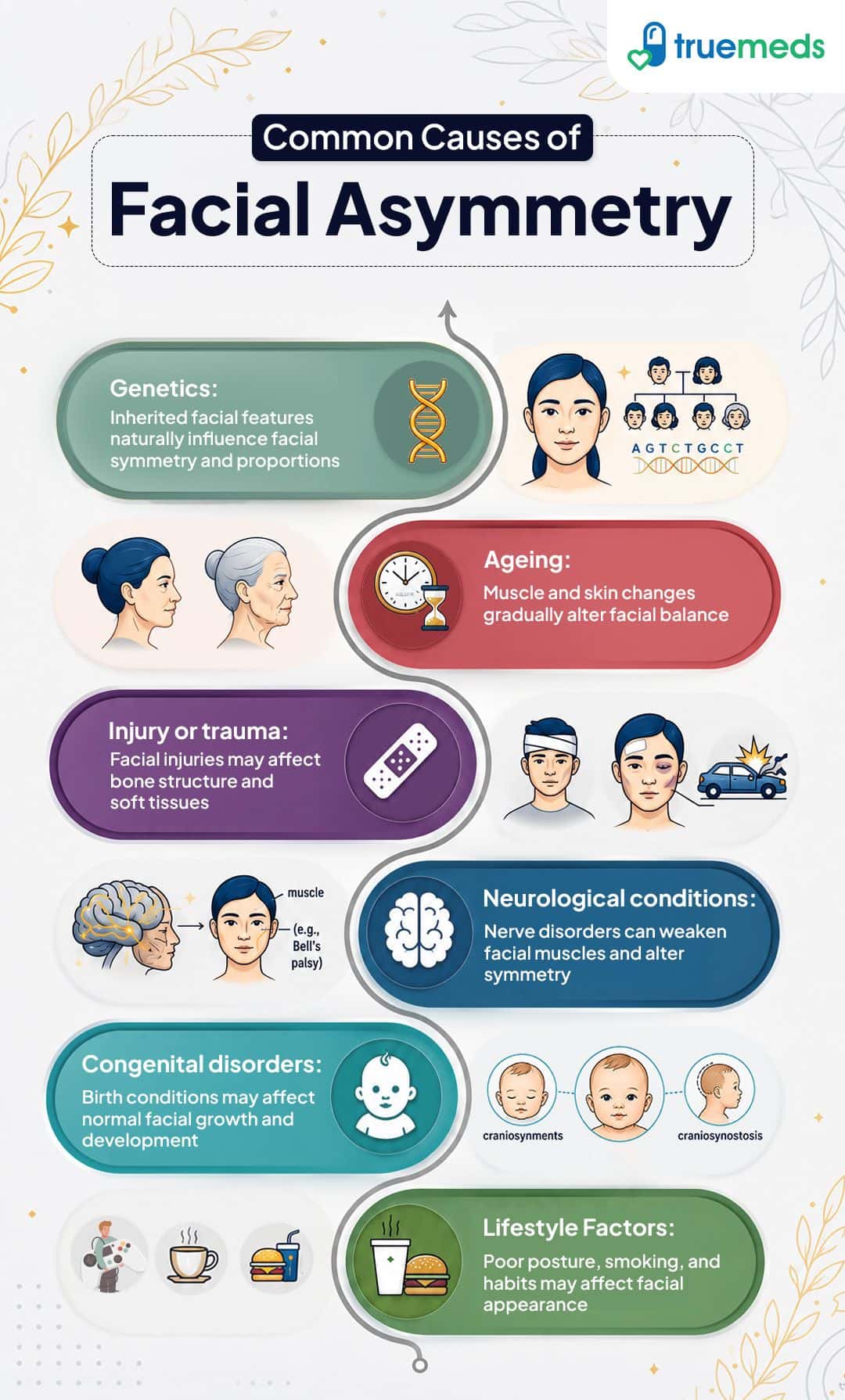
Facial asymmetry can arise from a complex interplay of genetic, developmental, and environmental factors[1]. Here are some causes of an asymmetrical face:
1. Genetics
Inherited traits play a significant role in the development of facial asymmetry[2]. Genetic factors can influence the growth and structure of facial bones, leading to uneven jaw growth or asymmetrical facial features[1]. Studies have shown that certain populations have a higher prevalence of craniofacial asymmetries, indicating a genetic predisposition. For example, mandibular asymmetry, or an uneven lower jaw, may affect individuals in Class I occlusion groups, which refers to a normal bite alignment[4]. While genetic asymmetry is often mild, it can contribute to the overall appearance of an asymmetrical face[2].
2. Ageing
As we age, our skin loses elasticity, fat distribution changes, and facial muscles weaken, which can amplify pre-existing asymmetries. The loss of bone density in the jaw and cheekbones can further alter the facial balance, leading to a more noticeable asymmetrical appearance. Additionally, repetitive facial expressions, such as sleeping predominantly on one side of the face, may cause uneven wrinkles or sagging over time. While ageing is a natural process that affects everyone, the extent to which it contributes to facial asymmetry can vary from person to person[3].
3. Injury or trauma
Facial injuries, such as fractures or trauma from accidents, can significantly impact facial symmetry. When left untreated, these injuries may cause malunion, altering the facial contours and leading to an asymmetrical face. Scarring or muscle damage from cuts or burns can also create unevenness in the facial features. For instance, an untreated jaw fracture may shift the alignment of the jaw, affecting chewing and overall facial balance. Prompt medical intervention, including reconstructive surgery or orthodontic care, can help mitigate long-term asymmetry[2]. In severe cases, surgical correction may be necessary to restore symmetry, depending on the severity and location of the injury[1].
If you have experienced facial trauma, consult a healthcare provider for proper evaluation and treatment.
4. Neurological conditions
Neurological conditions, such as Bell's palsy, can cause sudden muscle weakness or paralysis on one side of the face, resulting in a noticeable asymmetrical face. Similarly, stroke-related nerve damage can impair facial muscle control, leading to drooping or uneven expressions[2]. These neurological disruptions may temporarily or permanently affect facial symmetry, depending on the individual's response to treatment[5]. Botox injections are sometimes used to manage muscle imbalances in such cases, while physical therapy can help restore muscle function[6]. Early diagnosis and asymmetrical face treatment improve outcomes, but residual asymmetry may persist in chronic cases.
Please note: Bell’s palsy is primarily managed with corticosteroids and physical therapy, not cosmetic treatments. Botox may be used for residual synkinesis, but not as primary treatment.
5. Congenital disorders
Congenital disorders, such as hemifacial microsomia, where one side of the face is underdeveloped, can directly cause an asymmetrical face. These birth defects may affect the growth of bone, muscle, or soft tissue, often requiring multi-stage treatments to address the asymmetry. Orthodontic interventions, bone grafts, or reconstructive surgeries during childhood or adulthood can help improve facial symmetry. Early evaluation by specialists is crucial to address both functional and aesthetic concerns related to congenital disorders. In milder cases, fillers or implants may be sufficient to achieve a more symmetrical appearance, while severe asymmetry might necessitate complex surgical planning[7].
6. Lifestyle factors
Certain lifestyle factors and habits can contribute to the development of an asymmetrical face over time. Consistently sleeping on one side may unevenly compress the facial tissues, potentially leading to asymmetry. Repetitive chewing patterns or teeth grinding (bruxism) may also exaggerate muscle imbalances in the face.[8]While these factors rarely cause severe asymmetry on their own, when combined with the effects of ageing or genetic predisposition, they can accentuate facial unevenness. Adjusting sleep positions, using supportive pillows, or addressing dental misalignments may help minimise the impact of these lifestyle factors on facial symmetry. In cases where chronic habits have led to more pronounced asymmetry, interventions such as Botox injections to relax overactive muscles or dermal fillers to restore volume balance may be considered as part of an asymmetrical face treatment plan[3].
Treatments for facial asymmetry
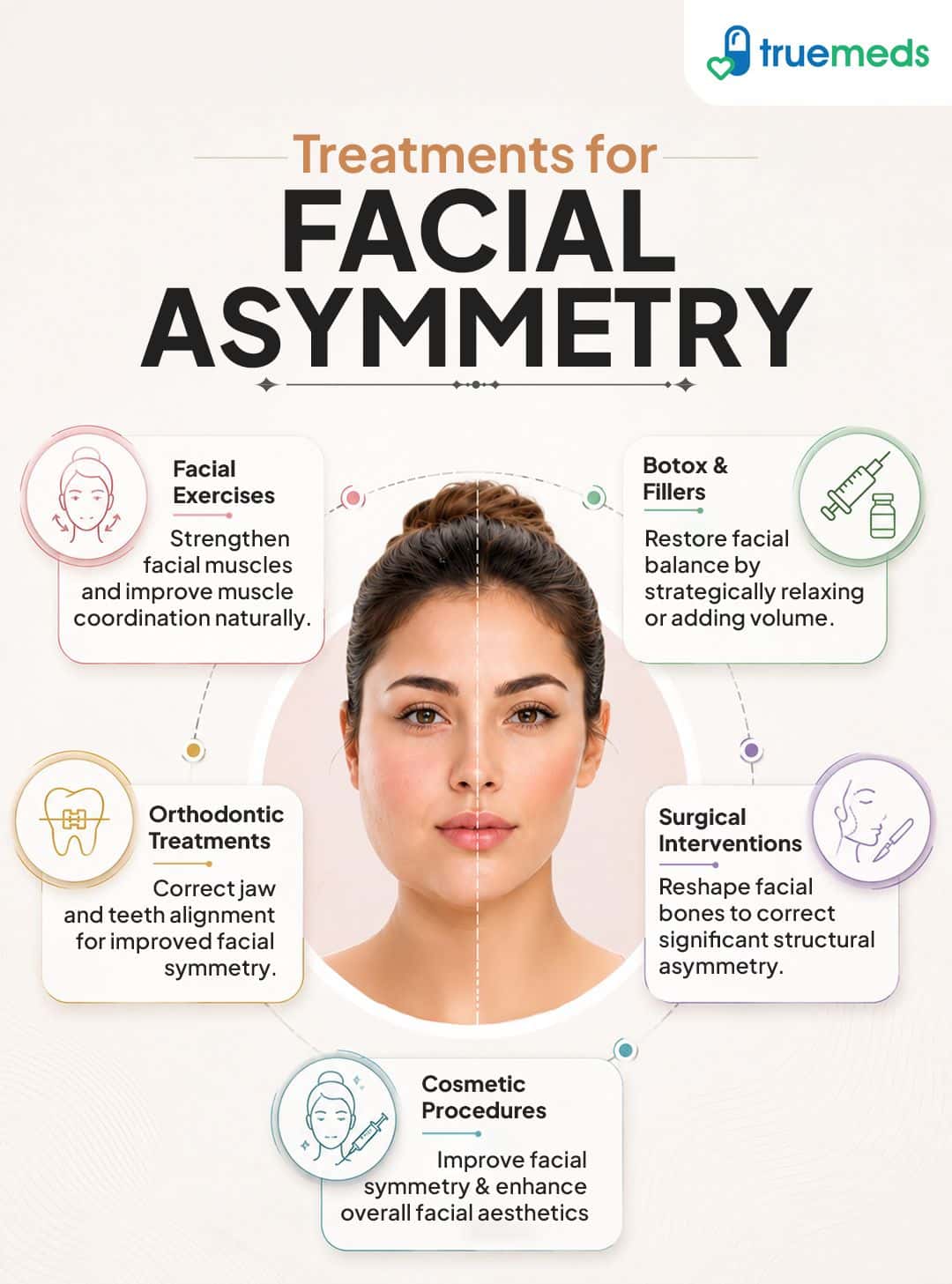
The most appropriate treatment for facial asymmetry depends on its underlying cause, severity and whether the changes are temporary or permanent. The table below provides an overview of common causes of facial asymmetry and their general treatment approaches. Individual treatment plans should always be determined by a qualified healthcare professional.
1. Facial Exercises
One of the approaches to fixing an asymmetrical face naturally is through targeted exercises. Facial exercises can help strengthen and balance the muscles in your face, potentially leading to a more symmetrical appearance. Techniques such as the tongue press and cheek puff exercises focus on specific muscle groups to improve tone and symmetry. By incorporating these exercises into your daily routine, you may gradually notice improvements in the balance of your facial features. While results may vary, facial exercises offer a non-invasive approach to addressing asymmetrical facial features[3].
Please note: While facial exercises can help mild asymmetry due to muscle imbalance, they cannot fix skeletal asymmetry.
2. Botox and Fillers
For those seeking non-surgical options to enhance facial symmetry, Botox and dermal fillers can provide effective solutions. Botox works by relaxing specific facial muscles, helping to even out any imbalances caused by overactive or asymmetrical muscle movements. On the other hand, dermal fillers can be strategically injected to add volume to areas that appear sunken or disproportionate. By carefully placing these injectables, a skilled practitioner can create a more balanced and harmonious facial appearance. While the results are temporary, Botox and fillers offer a relatively quick and painless way to address facial asymmetry[3].
Before starting any cosmetic treatment, it’s advisable to consult a qualified healthcare professional to ensure it’s appropriate for your individual health needs and goals.
3. Orthodontic Treatments
In some cases, facial asymmetry may be caused by underlying dental or jaw misalignment. Orthodontic treatments, such as braces and clear aligners, can play a crucial role in correcting these issues. By gradually shifting the position of the teeth and jaw, orthodontic interventions can improve facial balance and symmetry. Not only do these treatments enhance the aesthetic appeal of your smile, but they also promote better oral health and function. If jaw misalignment is a significant contributor to your asymmetrical face, consulting with an orthodontist can help determine the most suitable treatment plan for your specific needs[2].
4. Surgical Interventions
For more severe cases of facial asymmetry, surgical interventions may be necessary to correct structural issues and improve overall facial balance. Orthognathic surgery is a common procedure that focuses on realigning the jaw, which can significantly contribute to an asymmetrical face[9]. This type of surgery can help improve facial symmetry by correcting bite issues and reshaping the jaw. Other surgical options for addressing an asymmetrical face include facial implants, fat transfers, facelifts, and necklifts, which target specific areas to achieve better symmetry[3]. While surgical interventions can be effective, they are typically reserved for more pronounced cases of facial asymmetry[8].
Please note that facelifts and necklifts primarily address sagging, not skeletal asymmetry. Surgical correction of bone and jaw structures is the main approach for pronounced asymmetry. Treatment must be determined by a healthcare provider. Do not make surgical decisions without professional consultation.
5. Cosmetic Procedures
In addition to surgical options, various cosmetic procedures can help address an asymmetrical face and enhance facial symmetry. Rhinoplasty, commonly known as a "nose job", is a popular choice for those looking to reshape or resize their nose to achieve better balance. Blepharoplasty, or eyelid surgery, can help correct asymmetry in the eye area by adjusting the shape or position of the eyelids. These surgical procedures can provide a more subtle approach to improving facial symmetry[3].
Can facial asymmetry be prevented?
While some asymmetrical face causes may be beyond our control, there are preventive measures we can take to maintain facial symmetry and prevent further asymmetry from developing.
- Maintaining good oral hygiene and regular dental check-ups can help identify and address any dental misalignments that may contribute to facial asymmetry.
- Protecting the skin from sun damage by using sunscreen and avoiding excessive sun exposure can prevent uneven skin ageing and sagging.
- Additionally, adopting a healthy lifestyle by avoiding smoking, maintaining a balanced diet, and staying hydrated can help prevent premature ageing and maintain skin elasticity, which can contribute to a more symmetrical appearance.
When should you seek immediate medical care?
Mild facial asymmetry is common and usually not a cause for concern. However, sudden or rapidly worsening facial asymmetry may indicate a serious underlying medical condition that requires urgent evaluation.
Seek immediate medical attention if facial asymmetry is accompanied by:
- Sudden weakness or drooping on one side of the face.
- Difficulty speaking, slurred speech or difficulty understanding speech.
- Weakness or numbness in an arm or leg.
- Sudden vision changes, severe dizziness or loss of balance.
- A severe headache that develops suddenly without an obvious cause.
- Facial asymmetry following a significant head or facial injury.
These symptoms may be signs of a medical emergency, such as a stroke or serious nerve injury. Early diagnosis and treatment can significantly improve outcomes, so seek emergency medical care immediately.
Conclusion
Facial asymmetry is a common condition that can be caused by various factors, ranging from genetics to injuries or medical conditions. While many cases of asymmetrical faces do not require treatment, those who are concerned about their appearance have several options available. From asymmetrical face exercises and natural remedies to surgical interventions and cosmetic procedures, there are various approaches to improving facial symmetry. It is essential to consult with healthcare professionals, such as plastic surgeons or dermatologists, to determine the best course of action based on individual needs and goals. With the right asymmetrical face treatment plan and preventive measures, it is possible to achieve a more balanced and symmetrical facial appearance.
FAQs
What causes an asymmetrical face?
An asymmetrical face can be caused by genetics, ageing, congenital conditions, injuries, and lifestyle factors such as poor posture, teeth grinding, or habitual one-sided chewing.
Can asymmetrical face exercises improve symmetry?
Facial exercises can help improve symmetry by strengthening and balancing facial muscles. However, results require consistent practice over time to be noticeable.
Are non-surgical treatments effective for an asymmetrical face?
Non-surgical treatments like dermal fillers and Botox can temporarily improve facial symmetry, though individual results may vary in terms of duration and effectiveness.
When should I consider surgery to fix my asymmetrical face?
Consider surgery for significant facial asymmetry, especially if it affects function or is due to congenital conditions like hemifacial microsomia. Professional evaluation is essential.
How can I prevent the worsening of my asymmetrical face naturally?
Maintaining good posture, avoiding harmful habits like smoking, and ensuring balanced facial muscle use through targeted exercises can help prevent worsening facial asymmetry.
Medical Disclaimer
This article is for informational purposes only and does not constitute medical advice. The information provided should not be used for diagnosing or treating health conditions. Always consult a qualified healthcare provider for diagnosis, treatment, and personalised medical advice. Do not disregard professional medical advice or delay seeking it because of information found in this article. If you have a medical emergency, contact your doctor or emergency services immediately.
References
National Center for Biotechnology Information. (2015, December 21). Facial asymmetry: a current review. PMC. https://pmc.ncbi.nlm.nih.gov/articles/PMC4686752/
Agrawal, M., Agrawal, J. A., Nanjannawar, L., Fulari, S., & Kagi, V. (2015, July 1). Dentofacial asymmetries: Challenging diagnosis and treatment planning. https://pmc.ncbi.nlm.nih.gov/articles/PMC4513767/
Kessler, P. A., Timmer, V. C., & Lie, S. A. (2024). Symmetry of the face – Review of a complex matter. Journal of Oral and Maxillofacial Surgery Medicine and Pathology, 37(3), 397–405. https://doi.org/10.1016/j.ajoms.2024.11.010
Perspectives on pathological crosstalk between Malocclusion and multi-organ systems: The hidden face of an iceberg. (2025). aging and disease. https://doi.org/10.14336/ad.2025.1377