Key Takeaways
- Frequent hunger may result from inadequate protein or fibre intake, long gaps between meals, insufficient calorie intake, poor sleep, stress, alcohol, intense exercise, premenstrual changes or certain medicines.
- Hunger hormones such as ghrelin and leptin help regulate appetite, but there is no routine test to assess them, and no food can reliably “reset” them.
- Hunger with unexplained weight loss, excessive thirst, frequent urination, fatigue, palpitations or tremors may indicate diabetes or an overactive thyroid and warrants medical assessment.
- People taking insulin or other diabetes medicines that can cause hypoglycaemia should check blood glucose and follow their prescribed treatment plan if low blood sugar is suspected.
- Protein- and fibre-rich foods, including dal, curd, eggs, paneer, sprouts, vegetables and millets, may help promote fullness.
- Avoid skipping meals or crash dieting to suppress hunger. Seek medical advice if eating feels out of control.
Persistent hunger can have a profound impact on daily life, affecting energy levels, concentration, and overall well-being. Persistent or excessive hunger, sometimes referred to as polyphagia, particularly when it is extreme or pathological, can stem from various underlying physiological and psychological factors[1].
To effectively manage hunger and maintain a healthy lifestyle, it is essential to understand the causes of constant hunger, which can include medical conditions, lifestyle choices, and dietary habits. By exploring the reasons behind persistent hunger, individuals can take steps to address the root causes and regain control over their appetite.
Why am I always hungry?
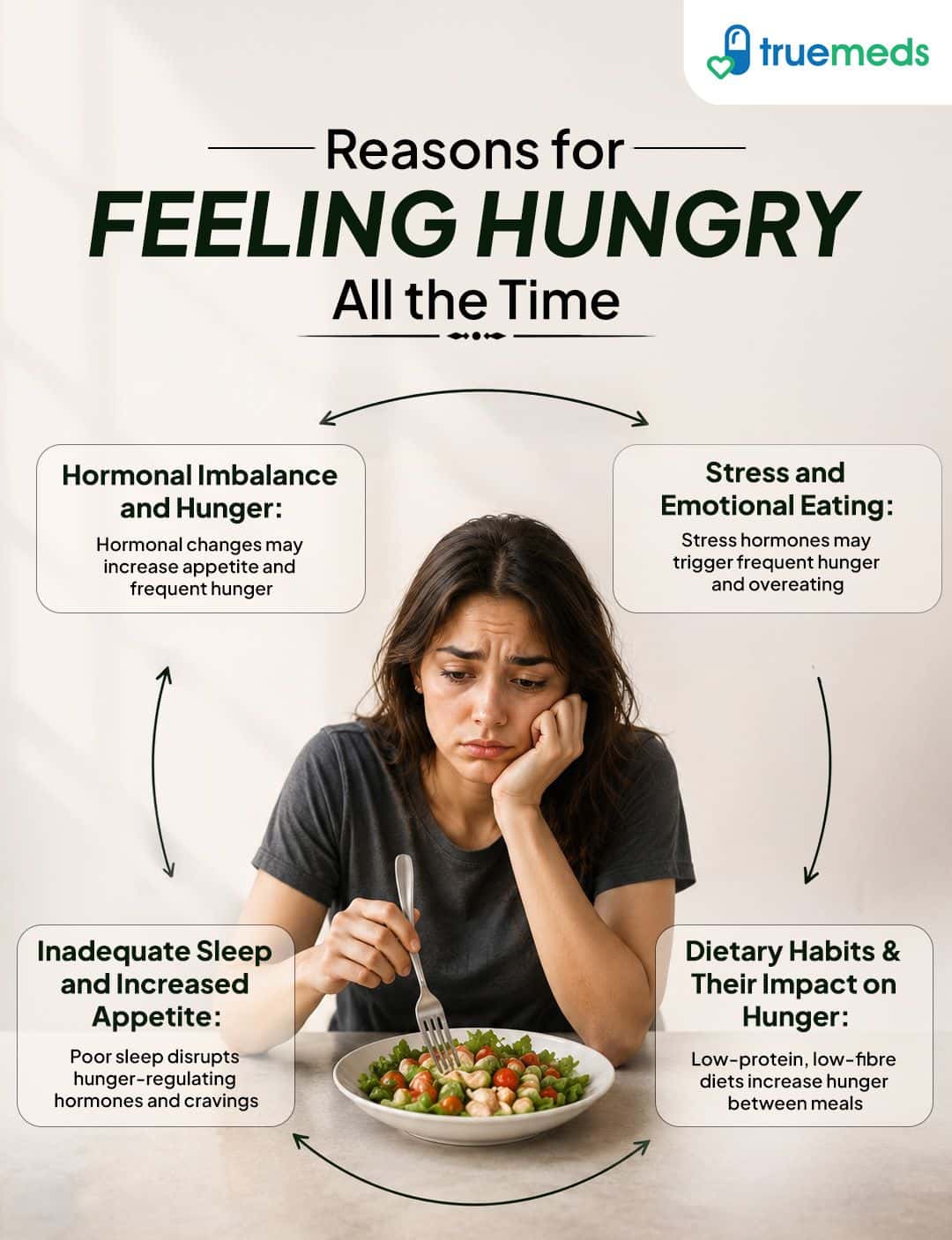
The sensation of persistent hunger arises from a complex interaction of physiological and psychological factors. At a physiological level, hunger is regulated by hormones such as ghrelin (stimulates appetite) and leptin (promotes feelings of fullness). Together, ghrelin and leptin signals regulate our sensations of hunger and satiety by sending signals to different nuclei within the hypothalamus for food intake. An imbalance or dysregulation of these hormones may drastically affect the body's energy homeostasis[2].
At the psychological level, stress and anxiety can also contribute to increased appetite due to the release of cortisol, a hormone that can stimulate hunger. If stress persists, cortisol may not only increase appetite but also motivation in general, including the motivation to eat[3].
Additionally, lifestyle factors, such as diet quality and sleep patterns, play a significant role in hunger management. Understanding these diverse influences is crucial for developing effective strategies to control constant hunger.
Common reasons for feeling hungry all the time
Constant hunger can result from various factors, including a nutrient-poor diet, inadequate sleep, stress, and hormonal imbalances[4]. Disrupted appetite-regulating hormones, medical conditions like hyperthyroidism, and unhealthy lifestyle habits can also contribute to this condition[5]. Additionally, certain medications, such as corticosteroids and cannabinoids, can cause polyphagia as a side effect[5]. Identifying the root cause is essential for effectively managing and reducing ongoing feelings of hunger.
This information is not a substitute for a professional medical diagnosis. Consult a healthcare provider for an accurate assessment.
1. Hormonal Factors
Hormones play a crucial role in regulating appetite, and imbalances in certain hormones can lead to constant hunger[2]. While hunger and satiety are regulated by multiple hormones, including insulin, GLP-1, PYY, CCK, and neural reward pathways involving dopamine, leptin and ghrelin are the two hormones that primarily influence energy balance. Leptin is a mediator of the long-term regulation of energy balance, suppressing food intake and thereby inducing weight loss. In contrast, ghrelin is a fast-acting hormone that plays a role in meal initiation[6].
When there is an imbalance, including high ghrelin levels, low leptin levels, or reduced leptin sensitivity (leptin resistance), individuals may experience persistent hunger. Various factors, including sleep patterns, diet, and stress, can influence these hormone levels[6]. Therefore, maintaining a balanced lifestyle with a nutrient-rich diet, regular sleep, and effective stress management is essential for regulating these hormones and managing hunger effectively.
2. Lifestyle Factors
Several everyday habits can increase appetite by affecting the body's natural hunger-regulating mechanisms.
- Poor sleep: Lack of sleep can significantly impact your appetite and hunger levels[7]. When you do not get enough sleep, your body's hunger hormones, particularly ghrelin, become imbalanced. Research has shown that sleep deprivation lowers leptin levels while increasing ghrelin and adiponectin levels, leaving you feeling hungrier than usual[9]. Acute sleep deprivation can reduce the satiety hormone leptin and increase hunger hormones, potentially contributing to increased appetite, cravings, and weight gain if poor sleep continues over time[10]. Even reducing sleep to four hours for two consecutive nights has been shown to decrease leptin levels, increase ghrelin levels, and increase self-reported hunger[7]. Adults aged 18–60 years are recommended to get at least 7 hours of sleep each night.
- Stress: Stress and emotional well-being play a significant role in eating habits and hunger sensations. When you are stressed, your body releases cortisol, a hormone that can trigger cravings for comfort foods and increase appetite. In many people, elevated cortisol increases appetite, although stress may suppress hunger in others. Chronic stress may also disrupt appetite-regulating hormones, including leptin and ghrelin[4]. This often leads to emotional eating, where food is consumed in response to emotions rather than physical hunger. Meditation may help improve awareness of food choices and reduce impulsive eating, while stress-reduction techniques such as mindfulness, meditation, and deep breathing exercises can help manage stress without relying on food[12]. Exercise is also beneficial because physical activity can reduce cortisol levels[4].
- Skipping meals: Skipping meals, particularly breakfast, can lead to intense hunger later in the day, increasing the likelihood of overeating or making poor food choices[13].
- Intense exercise: High-intensity or prolonged physical activity increases the body's energy requirements. As a result, it is normal to experience increased hunger after strenuous exercise as the body attempts to replace the energy that has been used.
This should not be taken as medical advice. Speak with a healthcare provider for proper guidance tailored to your condition.
3. Dietary Factors
Your dietary choices and eating patterns have a direct impact on your hunger levels.
- Low protein intake: Low-protein diets can contribute to frequent hunger because protein helps keep you feeling full and satisfied[14]. Protein generally increases satiety more effectively than carbohydrates or fats and may help reduce overall energy intake under normal eating conditions[15].
- Low fibre intake: Fibre-rich foods help slow digestion and promote fullness. Choosing foods such as whole grains, fruits, and vegetables may help stabilise blood sugar levels and keep you satisfied for longer[16].
- Refined carbohydrates: Diets high in sugary foods and refined carbohydrates can cause rapid spikes and crashes in blood sugar levels, leading to increased hunger and cravings[15].
To manage hunger effectively, aim to eat regular, balanced meals that include a variety of nutrient-dense foods. Incorporate protein-rich foods such as lean meats, fish, legumes, and nuts to promote satiety. Choose complex carbohydrates such as whole grains, fruits, and vegetables, which provide sustained energy and help stabilise blood sugar levels[16].
4. Medicines
Certain medicines may also increase appetite as a side effect[5].
- Corticosteroids: These medicines can stimulate appetite and make you feel hungrier than usual.
- Some antidepressants: Certain antidepressants may also increase appetite in some individuals. If you notice persistent hunger after starting a new medicine, consult your doctor before making any changes to your treatment.
Read More: How Much Protein You Need Daily
Medical conditions leading to constant hunger
Warning: Do not self-diagnose based on increased hunger alone. Consult a healthcare professional for appropriate assessment and treatment.
How to control hunger and reduce appetite
Here are some effective strategies to help control hunger and naturally reduce your appetite:
- Eat balanced meals: Focus on a diet that includes adequate protein, fibre-rich foods, and healthy fats, as these help slow digestion and keep you feeling full for longer.
- Stay hydrated: Drink water before meals to reduce calorie intake. Dehydration, even in its mild form, can influence how your body interprets signals and create confusion between hunger and thirst. Thirst and hunger signals can feel similar, leading some people to eat when they are actually dehydrated[17].
- Manage stress: Engage in mindfulness practices or yoga to lower cortisol levels, which can drive emotional eating.
- Prioritise sleep: Adults aged 18–60 years are recommended to get 7 or more hours of sleep per night[11] to regulate ghrelin (hunger hormone) and leptin (satiety hormone) levels.
- Limit processed foods: High-sugar, low-fibre foods can cause rapid spikes in blood sugar, leading to rebound hunger[16].
Individual results may vary. Consult a healthcare provider for personalised advice.
Foods that may help promote fullness
The role of fibre and protein in appetite control
Fibre and protein are essential nutrients for managing appetite and promoting satiety.
Fibre helps reduce hunger and keeps you full for longer by filling up your stomach and slowing down digestion. Additionally, it activates natural “fullness” signals in the body that tell your brain you’ve eaten enough[18].
Soluble fibre, found in foods such as oats, legumes, and vegetables, absorbs water and forms a gel in the digestive tract, slowing digestion and prolonging fullness. Protein is a strong determinant of satiety because multiple investigations have validated the hypothesis that high-protein diets can have the following benefits: facilitate weight and fat loss, help lower ghrelin levels, and increase levels of the satiety hormones GLP-1, peptide YY, and cholecystokinin, providing an enhanced feeling of fullness[15].
Therefore, including both fibre and protein in meals can reduce the desire to overeat and support long-term healthy eating patterns. These nutrients work together to create meals that are not only nutritious but also more satisfying and filling throughout the day.
The impact of hydration on hunger
Dehydration can sometimes feel like hunger because the brain uses some of the same pathways to process both thirst and hunger signals. Therefore, the hypothalamus, responsible for regulating both hunger and thirst, may not always accurately differentiate between the two sensations. As a result, the brain may send signals that are perceived as hunger when the body is actually in need of fluid intake[17]. This confusion can lead to unnecessary eating when your body is actually in need of water.
Staying well-hydrated is crucial, as water plays a vital role in digestion, metabolism, and cellular function. Mild dehydration can slow down your metabolism and increase feelings of hunger, whereas proper hydration can help reduce false hunger cues and prevent overeating. Therefore, aim to drink adequate fluids throughout the day to maintain optimal hydration levels and curb excessive food intake triggered by thirst.
Mindful eating for hunger management
Mindful eating is a practice that involves paying close attention to the experience of eating and recognising genuine hunger cues, rather than eating out of habit, boredom, or emotional triggers. By eating slowly, savouring each bite, and tuning into your body's signals during meals, you can better differentiate between true hunger and psychological or environmental cues[19]. This approach helps prevent overeating by promoting awareness of satiety and fullness, ultimately supporting healthier eating habits and improved appetite control.
Incorporating mindful eating techniques into your daily routine may significantly reduce episodes of eating driven by false hunger sensations and improve your overall relationship with food[19].
Also Read: Loss Of Appetite
When Is Constant Hunger Normal?
Feeling hungry more often is not always a sign of an underlying health problem. In many situations, increased appetite is your body's normal response to higher energy needs or recovery. The following are some common situations in which constant hunger may be expected.
1. After strenuous exercise
Intense or prolonged physical activity increases the number of calories your body burns. After a strenuous workout, your body needs extra energy to replenish glycogen stores, repair muscles, and support recovery, which may temporarily increase your appetite. Eating a balanced meal containing protein, complex carbohydrates, and healthy fats after exercise can help satisfy hunger and aid recovery.
2. During periods of growth (children and teenagers)
Children and teenagers often experience increased hunger during growth spurts. Their bodies require additional calories, protein, vitamins, and minerals to support rapid physical development, bone growth, and hormonal changes. Providing balanced, nutrient-rich meals and healthy snacks can help meet these increased nutritional needs.
3. During pregnancy or breastfeeding
Pregnancy and breastfeeding naturally increase the body's energy and nutrient requirements. Hormonal changes during pregnancy and the additional calories needed to support your growing baby or produce breast milk can make you feel hungrier than usual. Choosing nutritious foods and eating regular, balanced meals can help meet these increased demands. If you experience excessive hunger or have concerns about your diet, consult your doctor or a registered dietitian.
4. After missing meals
Skipping meals or going for long periods without eating can cause blood sugar levels to fall, leading to stronger hunger signals. This is your body's natural way of reminding you to replenish its energy stores. Eating meals at regular intervals and avoiding prolonged gaps between meals may help prevent excessive hunger later in the day.
5. Following recovery from illness
As your body recovers from an illness, injury, or surgery, it requires additional energy and nutrients to repair tissues and restore strength. During this period, it is common to notice an increased appetite. Eating a balanced diet and staying well hydrated can support the healing process and help your body recover more effectively.
When should increased hunger be evaluated?
Although increased hunger is often normal in the situations above, persistent hunger that continues despite eating balanced meals, or is accompanied by symptoms such as unexplained weight loss, excessive thirst, frequent urination, fatigue, or other concerning changes, should be evaluated by a healthcare provider to rule out an underlying medical condition.
Conclusion
Managing hunger effectively involves understanding the impact of hydration and mindful eating on appetite control. Dehydration is often mistaken for hunger, making it essential to maintain adequate fluid intake to avoid unnecessary eating. Simultaneously, practising mindful eating helps identify true hunger signals and reduces overeating triggered by external or emotional cues. By combining these strategies, you can promote better hunger management, improved metabolic health, and more balanced eating habits for long-term well-being.
FAQs
Why do I feel hungry all the time?
Feeling hungry all the time can be due to various factors, such as poor nutrition, stress, hormonal imbalances, or underlying health conditions. Consult a healthcare provider if persistent hunger concerns you.
What can I do to stop feeling hungry after eating?
To stop feeling hungry even after eating, incorporate fibre-rich foods, choose satisfying meals with adequate protein, and stay hydrated to reduce hunger between meals.
Can stress cause me to feel hungry?
Yes, stress can affect your hunger levels. When you’re stressed, your body releases cortisol, a hormone that can increase appetite and trigger cravings for high-calorie, sugary, or fatty foods. That said, stress doesn’t affect everyone the same way. Some people feel hungrier, whereas others may lose their appetite. Being mindful of your eating patterns and practising stress-management techniques such as exercise, meditation, or deep breathing can help you better manage stress-related hunger.
How do hormones affect hunger?
Hormones like ghrelin stimulate appetite, whereas others like leptin suppress it, playing crucial roles in regulating hunger and satiety.
Is it normal to feel hungry all the time?
While occasional hunger is normal, persistent extreme hunger may indicate a health issue or the need for dietary adjustments. Consult a healthcare provider for evaluation.
When should I see a doctor about constant hunger?
Consult a doctor if you are always hungry despite adequate nutrition, as it could signal an underlying medical condition such as diabetes, hyperthyroidism, or other hormonal disorders.
Can poor sleep make you feel hungry?
Yes, poor sleep can increase hunger by disrupting hormones that regulate appetite. Sleep deprivation is associated with higher ghrelin levels and lower leptin levels, which may increase hunger, food cravings, and the likelihood of overeating during the day.
Why do I feel hungry even after eating a full meal?
Feeling hungry after a full meal may occur if your meal lacks protein or fibre, you eat too quickly, or factors such as stress, poor sleep, or hormonal imbalances affect your appetite. Persistent hunger should be evaluated by a healthcare provider.
Can certain vitamin or mineral deficiencies cause increased hunger?
Some nutrient deficiencies may influence appetite indirectly by affecting your overall health and metabolism. However, persistent hunger is more commonly linked to dietary habits, hormonal changes, lifestyle factors, or underlying medical conditions rather than vitamin or mineral deficiencies alone.
Can eating too quickly make you feel hungry again?
Yes, eating too quickly may prevent your brain from recognising that you are full. It can take about 20 minutes for satiety signals to develop, so slowing down during meals may help you feel satisfied and reduce overeating.
Why do I feel hungry more often during exercise?
Exercise increases your body's energy expenditure, particularly during prolonged or high-intensity activity. As your body works to replenish the calories and nutrients used during exercise, it is normal to experience increased hunger, especially if you are not eating enough to meet your energy needs.
Why am I always hungry but not gaining weight?
Feeling hungry frequently without gaining weight may be linked to a high metabolic rate, increased physical activity, or inadequate calorie intake. However, persistent hunger with unexplained weight loss may indicate diabetes or an overactive thyroid and warrants medical evaluation.
Does drinking water reduce hunger?
Drinking water may help if thirst is mistaken for hunger, and having water before meals may support fullness in some people. However, water does not replace food or provide lasting satiety when your body needs energy.
Medical Disclaimer
This article is for informational purposes only and does not constitute medical advice. The information provided should not be used for diagnosing or treating health conditions. Always consult a qualified healthcare provider for diagnosis, treatment, and personalised medical advice. Do not disregard professional medical advice or delay seeking it because of information found in this article. If you have a medical emergency, contact your doctor or emergency services immediately.
References
Cleveland Clinic. (2025, April 22). Polyphagia (hyperphagia): What it is, causes & symptoms. Cleveland Clinic. https://my.clevelandclinic.org/health/symptoms/24637-polyphagia-hyperphagia
National Center for Biotechnology Information. (2023, January 3). Physiology, obesity neurohormonal appetite and satiety control. StatPearls. https://www.ncbi.nlm.nih.gov/books/NBK555906/
Smith, W., & Azevedo, E. P. (2025). Hunger games: A modern battle between stress and appetite. Journal of Neurochemistry, 169(2). https://doi.org/10.1111/jnc.70006
Harvard T.H. Chan School of Public Health. (2025, January 17). Stress and health. The Nutrition Source. https://nutritionsource.hsph.harvard.edu/stress-and-health/