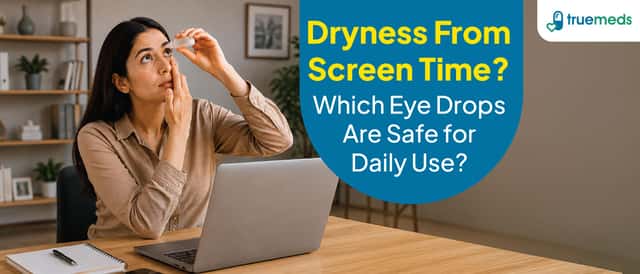

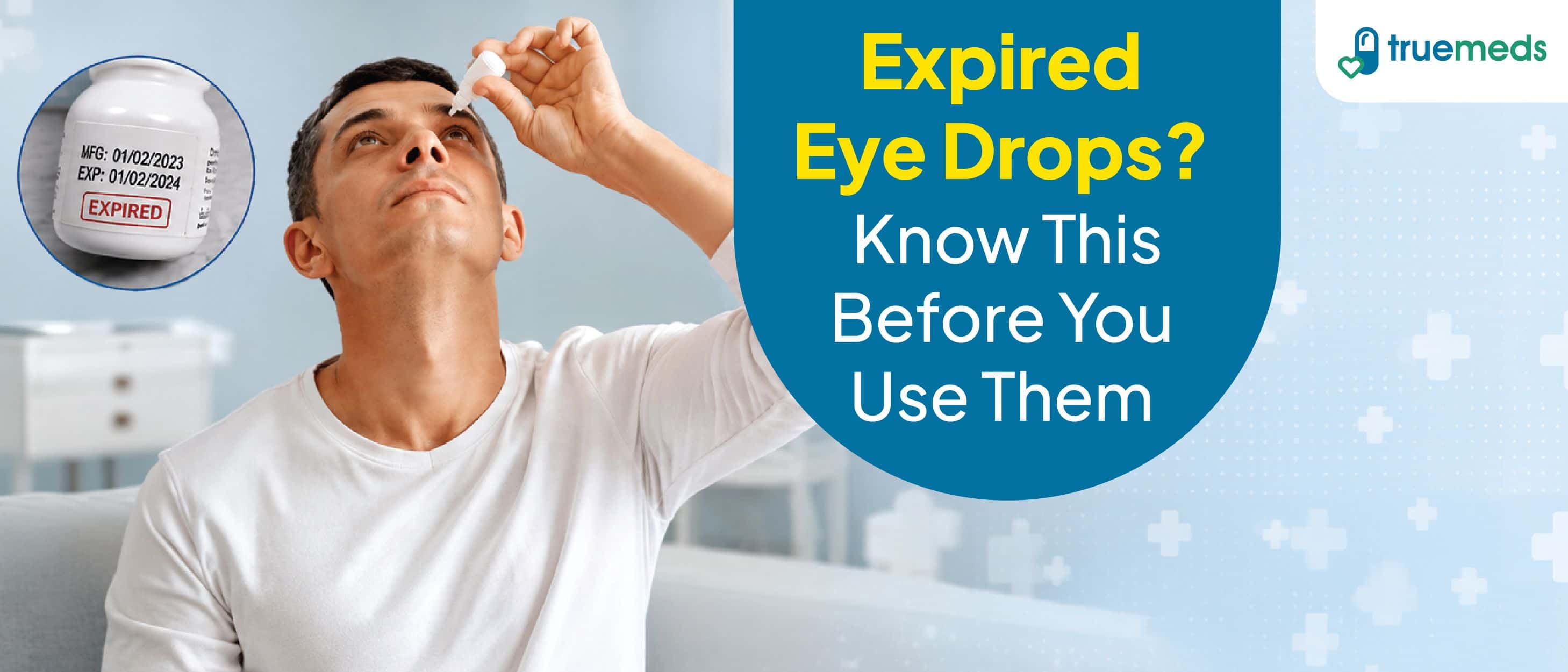
Understanding an eye drop's expiration date is essential for maintaining eye health and safety. Once you break the sterile seal of an eye drop bottle, there is immediate concern for contamination, particularly if the dropper tip touches your eye or any surface[1]. Research shows that in-use ophthalmic medications have a microbial contamination rate of approximately 10%[2]. This guide covers how to check expiration dates, understand the difference between unopened and opened shelf life, recognise signs of expired drops, and store your eye drops correctly to ensure effectiveness.
Key Takeaways
- Most opened eye drops should be discarded 28 days after opening
- Single-use preservative-free vials must be discarded within 24 hours
- Always check both the expiry date on packaging and the discard-after-opening guidance
- Signs of contamination include cloudiness, colour changes, particles, and unusual odours
- Store eye drops at the correct temperature and keep caps tightly closed
- Never touch the dropper tip to your eye or any surface
- Seek medical attention if you experience symptoms after using expired drops
How to check the expiration date of eye drops
Knowing where to find expiration information and understanding different date types can help you use your eye drops safely and effectively.
Where to find the expiration date on the packaging
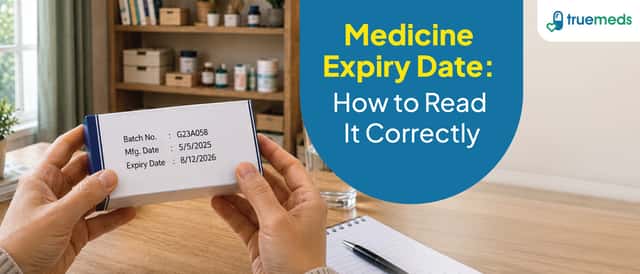
Eye drop expiration dates are printed on the outer packaging or directly on the bottle[1]. Look for markings labelled "EXP" or "USE BY" followed by a date. The date typically shows the month and year by which the unopened product should be used.
Manufacturers provide storage recommendations and stability information in the package labelling[3]. Check both the box and bottle, as some manufacturers print dates in different locations.
Expiry date vs. discard-after-opening: what's the difference?
The expiry date refers to how long unopened eye drops remain stable and sterile. The "discard-after-opening" date, sometimes called the "beyond use date", indicates how long the product stays safe once opened. Manufacturers determine this timeframe based on stability testing and preservative effectiveness [4]. These two dates serve different purposes, so note both when you begin using a new bottle.
Can you use eye drops after opening them?
Many people wonder about the safety of using eye drops beyond certain timeframes. Understanding these guidelines can help prevent eye infections and ensure the medication is effective.
Can I use eye drops after 1 month of opening?
Whether you can use eye drops after 1 month depends on the product type and the manufacturer's guidelines. Current practice guidelines recommend discarding most opened eye drops after 28 days if the manufacturer does not provide specific stability data. In hospital settings, eye drops may need to be discarded even sooner, typically within 7 days, due to stricter infection control protocols[5].
Always check the product labelling for specific instructions.
Why opened eye drops have a shorter lifespan
Once the sterile seal is broken, eye drops become vulnerable to contamination. Every time you use the drops, bacteria from your skin, eyelids, or environment can potentially enter the bottle. Preservatives in multi-dose bottles help prevent bacterial growth, but some eye drops may expire earlier once opened. Preservative-free formulations lack these protective chemicals, making them particularly susceptible to contamination and should be discarded within 24 hours of opening[1].
What happens if you use expired eye drops?
Using expired eye drops may reduce effectiveness and increase the risk of eye infections. The active ingredients can degrade over time, meaning the medication may not work as intended[5]. More concerning is the risk of bacterial contamination, which can cause eye infections[1].
The U.S. FDA has warned consumers about contaminated eye drops that pose a risk of eye infections that can result in partial vision loss or blindness[6]. If eye infections progress to serious conditions like corneal ulcers, complications may include corneal scarring, perforation, glaucoma, and permanent vision loss[7].
How long do different types of eye drops last after opening?
Different eye drop formulations have varying shelf lives once opened. Understanding these differences helps you manage your eye care products safely.
Prescription eye drops
Prescription eye drops typically follow the 28-day rule after opening unless the manufacturer specifies otherwise. Your pharmacist may write the opening date on the bottle. Hospital protocols often require discarding prescription drops within 7 days[5].
Always follow your doctor's instructions regarding the duration of use.
Lubricating and artificial tear eye drops
Over-the-counter lubricating drops follow similar guidelines. Unopened eye drops typically expire one to two years after their manufacturing date if stored and used correctly; however, once opened, many manufacturers recommend discarding eye drops after 28 days[5].
Multi-dose vs single-use eye drops
The following table summarises the key differences between multi-dose and single-use eye drops:
Feature | Multi-Dose Bottles | Single-Use Vials |
|---|---|---|
Preservatives | Contains preservatives[1] | Preservative-free[1] |
After-opening lifespan | Approximately 28 days[5] | 24 hours maximum[1] |
Contamination risk | Lower due to preservatives[1] | Higher without preservatives[1] |
Best for | Regular, ongoing use | Sensitive eyes, occasional use |
Single-use vials should be discarded immediately after each use since they lack ingredients to maintain sterility[1].
Signs your eye drops should no longer be used
Eye drops showing any of the following signs should be discarded immediately[8]:
- Cloudiness or visible particles: Do not use the eye drops if the solution becomes cloudy or contains visible particles.
- Colour changes: Discard the drops if the solution changes colour from its normal appearance.
- Damaged container or seal: Do not use the drops if the container or single-use vial is damaged or not intact.
- Contaminated dropper tip: Do not use the drops if the tip has touched the eye, surrounding skin, or another surface, because this can contaminate the solution.
- Expired drops: Do not use eye drops after the expiration date printed on the bottle.
- Persistent stinging, burning, or irritation: Discontinue use and consult a doctor if you experience eye pain, continued redness or irritation, vision changes, or symptoms that worsen or persist.
How to store eye drops correctly
Proper storage helps maintain effectiveness and sterility throughout the product's usable life.
Common storage mistakes
Here are the common storage mistakes to avoid when storing eye drops[9]:
- Storing eye drops in a warm place, such as the kitchen
- Exposing eye drops to direct sunlight
- Not checking whether the eye drops need to be stored in a refrigerator
- Not replacing the cap or lid immediately after use
- Keeping opened eye drops for too long; usually, they should be discarded within one month of opening
- Keeping leftover eye drops for later instead of discarding them after the period advised by the physician
- Touching the bottle tip or dropper, which can cause contamination
Tips to keep eye drops safe and effective
Follow these practices to maximise the safety and effectiveness of your eye drops[10]:
- Wash your hands and shake the bottle before use.
- Never share your eye drops with anyone else.
- Store eye drops as instructed, either at room temperature, away from a radiator, or in the fridge.
- Use your eye drops within the expiry date on the bottle and within the recommended period after opening
- Keep the bottle tip from touching your eye, eyelashes, eyelid, or skin, as this might contaminate the drops.
- If using more than one type of eye drop in the same eye, leave a five-minute gap between drops.
FAQs
Do eye drops expire if unopened?
Yes, unopened eye drops typically expire one to two years after their manufacturing date. Always check the printed expiration date on the packaging before use and store them as directed to maintain effectiveness.
Can I use eye drops after 1 month of opening?
Generally no. Most eye drops should be discarded 28 days after opening due to contamination concerns and reduced preservative effectiveness, unless the manufacturer states otherwise.
What happens if I use expired eye drops?
Expired drops may be less effective and could harbour bacteria that cause eye infections. In severe cases, contaminated drops can lead to serious conditions affecting vision.
How do I know if my eye drops have gone bad?
Look for cloudiness, colour changes, floating particles, unusual odours, or other visible changes. If you notice any of these signs, discard the drops immediately.
Why do eye drops expire after opening?
Once opened, the sterile seal is broken, and bacteria can enter the bottle. Preservatives help prevent growth but lose effectiveness over time, making the drops unsafe after about 28 days.
How should eye drops be stored?
Store at the temperature indicated on the label, typically room temperature unless refrigeration is required. Keep caps tightly closed and avoid heat, humidity, and direct sunlight.
Are preservative-free eye drops different after opening?
Yes. Single-use preservative-free vials must be discarded within 24 hours of opening because they lack preservatives to prevent bacterial growth.
When should I throw away opened eye drops?
Discard 28 days after opening unless the manufacturer specifies otherwise. Also discard immediately if you notice any signs of contamination like cloudiness, particles, or other visible changes.
Medical Disclaimer
This article is for informational purposes only and does not constitute medical advice. The information provided should not be used for diagnosing or treating health conditions. Always consult a qualified healthcare provider for diagnosis, treatment, and personalised medical advice. Do not disregard professional medical advice or delay seeking it because of information found in this article. If you have a medical emergency, contact your doctor or emergency services immediately.
References
American Academy of Ophthalmology. (2025). How long can you use prescription eye drops after opening them? American Academy of Ophthalmology. https://www.aao.org/eye-health/tips-prevention/how-long-after-opening-is-it-safe-to-use-eye-drops
Clinical Ophthalmology. (2025). Microbial contamination of eye drops: A systematic review and meta-analysis. PubMed. https://www.ovid.com/jnls/journalpatientsafety/abstract/10.1097/pts.0000000000001334~microbial-contamination-of-eye-drops-a-systematic-review-and?redirectionsource=fulltextview
U.S. Food and Drug Administration. (2023). Quality considerations for topical ophthalmic drug products. FDA. https://www.fda.gov/media/172937/download
American Society of Health‑System Pharmacists. The Pharmacist Guide to Assigning a Beyond‑Use Date to a Compounded Sterile or Nonsterile Preparation. https://www.ashp.org/-/media/assets/pharmacy-practice/resource-centers/compounding/docs/The-Pharmacist-Guide-to-Assigning-a-Beyond-Use-Date.pdf