

- Medicines
- Personal Care
- Skin Cream
- Sunscreen
- Face Wash
- Skin and Body Soap
- Acne Care
- Body Lotions
- Moisturising Lotion
- Moisturising Cream
- Mosquito Repellent
- Moisturising Gel
- Body Wash
- Hair Oils
- Hair Shampoo
- Hair Conditioners
- Hair Supplements
- Hair Colour
- Hair Serum
- Hair Mask
- Hair Solutions
- Baby Diapers and Wipes
- Baby Lotion and Moisturising Cream
- Baby Bath Essentials
- Baby Skin Care
- Baby and Infant Food
- Baby Healthcare
- Women Multivitamins
- Ovulation Test Kit and Women Intimate Care
- Sanitary Pads
- Nutritional Drinks
- Condoms
- Lubricants
- Massage Gels
- Personal Body Massagers
- Men Performance Booster
- Sexual Health Supplements
- Massage Oils
- Ayurveda
- Tooth Paste
- Mouth Ulcer Gel
- Mouthwash
- Toothache and Gum Pain
- Tooth Brush
- Gargle Solution
- Orthopaedic Supports
- Adult Diapers
- Footwear
- Mobility and Support Accessories
- Urinary Support and Care
- Health Conditions
- Bone and Joint Care
- Digestive Care
- Eye Care
- Pain Relief
- Smoking Cessation
- Liver Care
- Stomach Care
- Cold and Cough
- Heart Care
- Kidney Care
- Piles, Fissures & Fistula
- Respiratory Care
- Mental Wellness
- Derma Care
- Pre and Probiotics
- Acidity
- Gas
- Constipation
- Loose Motion/Diarrhoea
- Digestive Fibres
- Digestive Enzymes
- Eye Lubricant Drops
- Lens Solution
- Safety Eye Wear
- Eye Cream
- Eye Vitamins and Supplements
- Eye Drops
- Eye Ointment and Gel
- Nicotine Patch
- Nicotine Gum
- Nicotine Lozenges
- Cough Syrups
- Chest Rubs and Balms
- Nasal Spray
- Lozenges
- Inhalant Capsules
- Cold and Cough Tablets
- Vitamins & Supplements
- Diabetes Care
- Healthcare Devices
- Homeopathic Medicine
- Health Guide
Head Lice
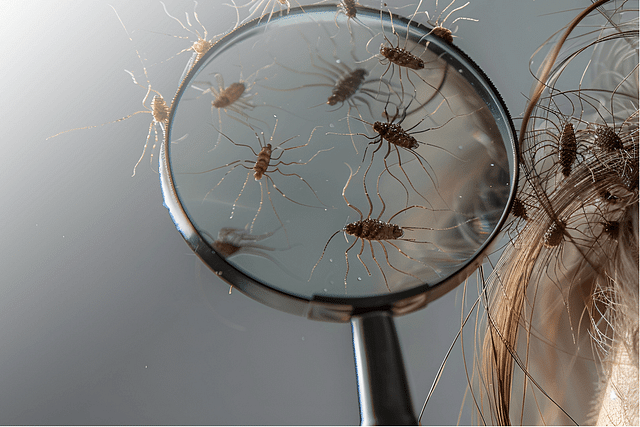
Head lice are tiny, wingless insects that live on the human scalp and feed on human blood. They spread through direct head-to-head contact or by sharing personal items like hats, combs, and brushes. These insects multiply rapidly by laying eggs called nits, which they glue to the base of the hair shafts. Common symptoms include intense itching, a tickling sensation, and scalp sores.
 50
50Last updated on : 08 Apr, 2026
Read time : 11 mins
Overview of Disease
Head lice in hair are a common problem, particularly among children. These tiny, parasitic insects can cause significant discomfort and distress for those affected. In this article post, you'll explore what head lice are, the symptoms they cause, and the various treatment options available.
What are Head Lice?
Head lice, scientifically known as Pediculus humanus capitis, are small, wingless insects that live exclusively on the human scalp. They are about the size of a sesame seed and can be found on the scalp, behind the ears, and near the neckline. Head lice feed on human blood and lay eggs, which can lead to an infestation that can spread quickly if not managed promptly. These lice can survive up to 30 days on a person's head.
According to the CDC (2024), three types of lice infest humans:
- Head lice (Pediculus humanus capitis)
- Body lice (Pediculus humanus corporis), and
- Pubic lice (Phthirus pubis).
Head lice are the most common type and are highly contagious, spreading easily through direct head-to-head contact or by sharing personal items such as hats, combs, brushes, and towels. (Johns Hopkins) Understanding the biology and behaviour of head lice is crucial in effectively preventing and managing infestations.
Key Factors about Head Lice
| Category | Details |
| Also Referred as | Pediculosis, Pediculus humanus capitis |
| Commonly Occurs In | Children aged 3-11 and their families; preschool and elementary-age children |
| Affected Organ | Scalp, hair |
| Common Signs | Tickling feeling in the hair, frequent itching, sores from scratching, trouble sleeping |
| Consulting Specialist | Paediatrician, Family Physician, Dermatologist |
| Managed By | OTC shampoos (pyrethrin, permethrin); lotions (spinosad, benzyl alcohol, ivermectin, malathion) |
Symptoms of Head Lice
Head lice can cause several distinct symptoms that help identify an infestation early. The most common signs and symptoms include:
- Intense itching: The saliva of head lice can cause an allergic reaction, leading to intense itching on the scalp. It is usually the first sign of an infestation. This itching may be more pronounced behind the ears and at the nape of the neck.
- Tickling sensation: You may feel something moving in your hair, which can be unsettling.
- Visible signs: Nits, which are the eggs of head lice, are visible on hair shafts, particularly near the scalp. They resemble tiny pussy willow buds or dandruff flakes, but cannot be easily brushed off like dandruff. Adult lice may also be visible, although they are harder to spot due to their small size and quick movement.
- Irritability: Constant itching and discomfort can lead to irritability and a poor quality of life.
- Sleep disturbances: Head lice are most active at night, which can disrupt sleep due to increased itching and discomfort. Children with head lice may experience difficulty falling asleep or may wake up frequently during the night.
- Scalp sores: Scratching can lead to open sores, which may become infected with bacteria if left untreated.
- Appearance of small red bumps: Frequent scratching can result in small red bumps on the scalp, neck, and shoulders, and, in some cases, bacterial skin infections.
Causes of Head Lice
Head lice are primarily spread through direct contact with the hair of an infested person. The following is a list of head lice causes:
- Head-to-head contact: The most common cause of head lice transmission is head-to-head contact, which frequently occurs among children during play or at school. The tiny parasites crawl from one person's hair to another's during close contact.
- Sharing personal items: Using or sharing personal items such as hats, scarves, brushes, combs, hair accessories, headphones, pillows, and towels can also spread head lice, although this is less common than direct contact.
- Indirect contact: Although less common, storing clothing items together that have been in contact with an infested person's hair can also result in the transmission of head lice. Additionally, objects that have been in contact with an infested person's hair, such as bedding, can spread head lice if used by another person without proper cleaning.
Risk Factors
Several factors can increase the risk of acquiring head lice. Some of these factors include:
- Age: According to the CDC (2024), head lice are most common among preschool and elementary school-age children (typically aged 3 to 11), their household members, and caretakers.
- Gender: Girls are more likely to get head lice than boys, possibly due to longer hair and more frequent head-to-head contact.
- Ethnicity: Head lice are less common among African Americans than among other racial groups, which may be due to lice's adaptability to different hair types.
- Collective centres: Head lice infestations are more prevalent in settings such as schools, daycare facilities, and camps.
- Behavioural factors: Direct head-to-head contact, common during play, sports, and other social interactions, can facilitate the spread of head lice. Sharing personal items like hats, scarves, combs, and brushes can also increase the risk of transmission.
- Social and economic factors: Factors such as family income, family size, and parental education can influence the risk of head lice infestation.
- Poor hygiene practices: Habits such as infrequent hair washing and limited access to washing facilities can also increase the likelihood of head lice.
Prevention of Head Lice
Preventing head lice involves several strategies, including:
Avoiding head-to-head Contact
Encourage children to avoid direct head-to-head contact during play and other activities at home, school, and elsewhere.
Not sharing personal items
Refrain from sharing clothing items like hats, scarves, coats, sports uniforms, hair ribbons, or barrettes.
Do not share combs, brushes, or towels.
Disinfect the items used by an infested person by soaking them in hot water for 5–10 minutes.
Avoiding shared spaces and items
Avoid lying on beds, couches, pillows, carpets, or stuffed animals that have recently been in contact with a person infested with head lice.
Machine wash and dry clothing, towels, bed linens, and other items that an infested person wore or used during their stay.
Community and school measures
Teach children to avoid activities that may spread head lice, such as sharing personal belongings and avoiding shared spaces where multiple items are stored together.
Diagnosis & Tests
Diagnosing head lice involves a thorough visual inspection of the hair and scalp. The process includes:
- Carefully examining the hair and scalp under bright light, preferably using a magnifying glass and wearing disposable gloves
- Looking for moving lice and eggs (nits) attached to the hair shafts, which appear as tiny, white specks that are difficult to remove due to being glued to the hair
- Focusing on common locations, such as areas around the ears, neck, and scalp, where lice and nits are most frequently found
- Distinguishing head lice from other conditions like dandruff, hair product residue, hair casts, scabs, dirt, or other small insects in the hair
- Seeking a confirmatory diagnosis from a doctor who can verify the presence of head lice and offer guidance on treatment
Treatment & Management
1. Medications for head lice
Managing head lice involves using medicated shampoos, lotions, or creams that effectively kill lice and their eggs. The key aspects of management and treatment include:
- Over-the-counter (OTC) treatments: Products containing pyrethrin or permethrin are commonly used OTC options that kill lice effectively. Follow all product instructions, including application duration and repeat treatment if necessary.
- Prescription medications: In cases of treatment-resistant lice or when OTC products are ineffective, a healthcare provider may recommend prescription treatments such as ivermectin, spinosad, benzyl alcohol, and malathion.
- Proper application: Following the instructions on the product label carefully, including the recommended application time and the need for a second treatment after a specified period, ensures optimal effectiveness and prevents recurrence.
2. Home remedies and alternative treatments
In addition to medicated treatments, some people may opt for home remedies or alternative treatments for head lice. These may include:
- Using natural oils like coconut oil, olive oil, or tea tree oil to smother the lice and loosen nits for easier removal
- Applying petroleum jelly or hair styling gel to the hair and scalp, leaving it on for several hours before washing it out and combing the hair thoroughly.
- Trying herbal remedies like neem oil, lavender oil, or eucalyptus oil, which are believed to have insecticidal properties
- Using a fine-toothed comb or nit comb to manually remove lice and nits from the hair, repeating the process every few days until the infestation is gone
- Washing bedding, clothing, and personal items that have been in contact with the infested person's hair in hot water and drying them on high heat to kill any remaining lice or nits
- Vacuuming carpets, upholstery, and car seats to remove any fallen lice or nits
It is important to note that while home remedies and alternative treatments may be helpful in some cases, they are not well-supported by clinical evidence and may not be as effective as medicated treatments. Consulting with a doctor for proper guidance on head lice treatment is always recommended.
Living with Head Lice
Living with head lice can be challenging, but with proper knowledge, early detection, and appropriate treatment, it is possible to manage and overcome this common problem effectively. Some of the tips to consider are as follows:
- Educate yourself and your family about head lice, their transmission, and the importance of early detection and treatment.
- Regularly inspect your children's hair and scalp for signs of head lice, such as itching, visible lice, or nits (lice eggs) attached to hair shafts.
- If you or a family member has head lice, promptly inform close contacts, such as school, daycare, or camp authorities, to prevent the spread of the infestation.
- Follow a comprehensive lice treatment plan that may include OTC or prescription medications, as well as thorough cleaning of personal items and living spaces.
- Consider using home remedies for lice, such as wet combing with a fine-toothed comb or applying natural oils like coconut or tea tree oil, alongside medically recommended treatments.
- Be patient and persistent in your efforts to eliminate head lice, as it may take several treatments and thorough cleaning to eradicate the infestation completely.
When to See a Doctor?
When dealing with head lice, it's essential to know when to seek medical advice. In most cases, head lice can be managed effectively at home with OTC lice treatments or home remedies. However, there are certain situations where it's advisable to consult a doctor:
- If you've tried several head lice treatments without success and the infestation persists
- If you notice signs of a secondary bacterial infection, such as red, tender, or swollen skin around the affected areas
- If you or your child has a known allergy to any of the ingredients in the lice treatment products
- If you're pregnant or breastfeeding and are unsure about the safety of using specific lice treatments
- If you have any underlying health conditions that may be affected by the use of lice treatment products
Key Takeaways
- Head lice are a common problem, particularly among school-aged children, and can spread easily through direct head-to-head contact (the most common mode of transmission) or by sharing personal items like hats, combs, or towels.
- Prompt treatment is crucial to prevent the infestation from spreading further and to minimise discomfort for the affected individual.
- There are various head lice treatment options available, including OTC medications, prescription treatments, and home remedies.
- Maintaining good hygiene practices, such as not sharing personal items and washing bedding and clothing in hot water, can help prevent the spread of head lice.
FAQs
What is the fastest way to eliminate head lice?
What are the steps to remove head lice?
How does one get head lice in their hair?
What factors draw head lice to a person?
Are there any treatments that kill lice eggs overnight?
What are some effective home remedies for permanently eliminating head lice?
Can head lice disappear on their own without treatment?
What is the lifespan of head lice?
When head lice die, do they fall out of the hair automatically?
References
- About head lice. (2024). Lice. https://www.cdc.gov/lice/about/head-lice.html
- Devore, C. D., & Schutze, G. E. (2015). Head lice. Pediatrics, 135(5), e1355-e1365. https://doi.org/10.1542/peds.2015-0746
- U.S. National Library of Medicine. (2021). Head lice. https://medlineplus.gov/headlice.html
- National Health Service (NHS). (2024). Head lice and nits. https://www.nhs.uk/conditions/head-lice-and-nits/
- Bragg, B. N., & Wills, C. (2023). Pediculosis. StatPearls - NCBI Bookshelf. https://www.ncbi.nlm.nih.gov/books/NBK470343/
- About lice. (2024). Lice. https://www.cdc.gov/lice/about/index.html
- Head lice. (n.d.). Johns Hopkins Medicine. https://www.hopkinsmedicine.org/health/conditions-and-diseases/lice
- Pariser, D. M., Meinking, T. L., Bell, M., & Ryan, W. G. (2012). Topical 0.5% Ivermectin lotion for treatment of head lice. New England Journal of Medicine, 367(18), 1687–1693. https://doi.org/10.1056/nejmoa1200107
Latest health articles

Top Health Essentials












Disclaimer
Top-Selling Medicines:
...View more
Top-OTC medicines:
...View more
Company
About UsHealth ArticleHealth StoriesHealth LibraryDiseases & Health ConditionsAyurvedaUnderstanding Generic MedicinesAll MedicinesAll BrandsNeed HelpFAQSecuritySavings CalculatorAdvertise with UsSubscribe
Registered Office Address
Grievance Officer
Download Truemeds


Contact Us
Our customer representative team is available 7 days a week from 9 am - 9 pm.
v4.25.9

2026 - Truemeds | All rights reserved. Our content is for informational purposes only. See additional information.
Our Payment Partners