

- Medicines
- Personal Care
- Skin Cream
- Sunscreen
- Face Wash
- Skin and Body Soap
- Acne Care
- Body Lotions
- Moisturising Lotion
- Moisturising Cream
- Mosquito Repellent
- Moisturising Gel
- Body Wash
- Hair Oils
- Hair Shampoo
- Hair Conditioners
- Hair Supplements
- Hair Colour
- Hair Serum
- Hair Mask
- Hair Solutions
- Baby Diapers and Wipes
- Baby Lotion and Moisturising Cream
- Baby Bath Essentials
- Baby Skin Care
- Baby and Infant Food
- Baby Healthcare
- Women Multivitamins
- Ovulation Test Kit and Women Intimate Care
- Sanitary Pads
- Nutritional Drinks
- Condoms
- Lubricants
- Massage Gels
- Personal Body Massagers
- Men Performance Booster
- Sexual Health Supplements
- Massage Oils
- Ayurveda
- Tooth Paste
- Mouth Ulcer Gel
- Mouthwash
- Toothache and Gum Pain
- Tooth Brush
- Gargle Solution
- Orthopaedic Supports
- Adult Diapers
- Footwear
- Mobility and Support Accessories
- Urinary Support and Care
- Health Conditions
- Bone and Joint Care
- Digestive Care
- Eye Care
- Pain Relief
- Smoking Cessation
- Liver Care
- Stomach Care
- Cold and Cough
- Heart Care
- Kidney Care
- Piles, Fissures & Fistula
- Respiratory Care
- Mental Wellness
- Derma Care
- Pre and Probiotics
- Acidity
- Gas
- Constipation
- Loose Motion/Diarrhoea
- Digestive Fibres
- Digestive Enzymes
- Eye Lubricant Drops
- Lens Solution
- Safety Eye Wear
- Eye Cream
- Eye Vitamins and Supplements
- Eye Drops
- Eye Ointment and Gel
- Nicotine Patch
- Nicotine Gum
- Nicotine Lozenges
- Cough Syrups
- Chest Rubs and Balms
- Nasal Spray
- Lozenges
- Inhalant Capsules
- Cold and Cough Tablets
- Vitamins & Supplements
- Diabetes Care
- Healthcare Devices
- Homeopathic Medicine
- Health Guide
Pulmonary Fibrosis
Pulmonary fibrosis is a lung disease characterised by scarring and thickening of the lung tissue, making it difficult for the lungs to function properly. It leads to symptoms such as shortness of breath, persistent cough, fatigue, and loss of appetite. Early identification and management are essential to slow disease progression and improve the quality of life for those affected.
 50
50Last updated on : 07 May, 2026
Read time : 13 mins
Overview of Disease
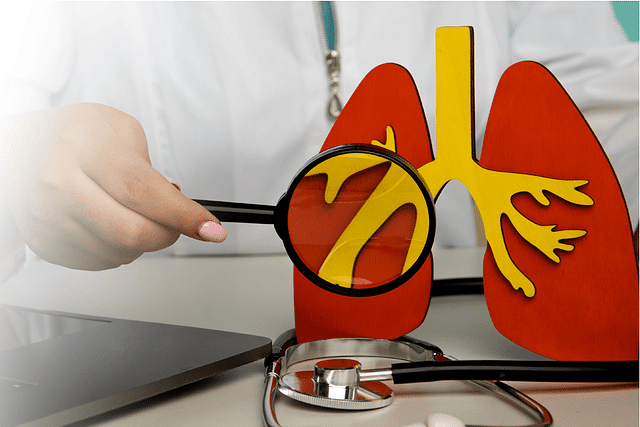
Pulmonary fibrosis is a debilitating lung disease that affects millions of people worldwide. It is characterised by the scarring and thickening of the lung tissue, which makes it increasingly difficult for the lungs to expand and allow oxygen to enter the bloodstream. As a result, patients experience a range of symptoms, including shortness of breath, persistent cough, fatigue, and loss of appetite. Early recognition and management of pulmonary fibrosis are crucial for slowing disease progression and improving quality of life for those affected.
What is Pulmonary Fibrosis?
Pulmonary fibrosis is a lung disease where the tissue around the air sacs (alveoli) in the lungs becomes damaged, thickened, and scarred (Healthdirect Australia, 2025). This scarring process, known as fibrosis, progressively makes it harder for the lungs to expand and absorb oxygen, leading to shortness of breath and other symptoms.
he disease is progressive; early medical attention is crucial to manage symptoms and slow progression. Understanding the causes, symptoms, and available treatments for pulmonary fibrosis is essential for effectively managing this condition.
Idiopathic Pulmonary Fibrosis (IPF)
Idiopathic pulmonary fibrosis (IPF) is a specific type of pulmonary fibrosis where the underlying cause cannot be identified. IPF is considered a rare disease and primarily affects individuals over the age of 50, with men being more commonly affected than women.
The condition is characterised by a gradual worsening of symptoms over time, and unfortunately, there is no known cure.
Treatment options for IPF focus on managing symptoms, slowing disease progression, and improving overall quality of life for patients.
Key Factors about Pulmonary Fibrosis
| Category | Details |
| Also Referred as | Interstitial lung disease (ILD), Idiopathic pulmonary fibrosis (IPF) |
| Commonly Occurs In | Middle-aged and older adults, sometimes in children and infants |
| Affected Organ | Lungs |
| Type | Idiopathic pulmonary fibrosis (IPF), familial pulmonary fibrosis, radiation-induced pulmonary fibrosis |
| Common Signs | Shortness of breath, dry cough, extreme tiredness, weight loss |
| Consulting Specialist | Pulmonologist |
| Treatement Procedures | Medications, oxygen therapy, and a lung transplant |
| Managed By | Pirfenidone, Nintedanib |
| Mimiciking Condition | Chronic obstructive pulmonary disease (COPD) |
Types of Pulmonary Fibrosis
There are several types of pulmonary fibrosis, each with distinct characteristics and causes. Some of the most common types include:
- Asbestosis: This type of pulmonary fibrosis is caused by exposure to asbestos, a hazardous material commonly found in construction and industrial environments.
- COVID-19-related pulmonary fibrosis: Severe COVID-19 infections can lead to widespread inflammation and scarring in the lungs, resulting in this form of pulmonary fibrosis.
- Drug-induced pulmonary fibrosis: Certain medications (e.g. amiodarone, methotrexate) can cause adverse reactions, leading to inflammation and scarring in the lungs.
- Hypersensitivity pneumonitis (HP): Also known as allergic alveolitis, HP is caused by exposure to environmental agents such as mould, bacteria, or other allergens, which trigger an allergic reaction in the lungs.
- Idiopathic pulmonary fibrosis (IPF): IPF is the most common type of pulmonary fibrosis, characterised by progressive lung scarring with no known cause.
- Idiopathic NSIP: Idiopathic non-specific interstitial pneumonia (NSIP) is a rare form of interstitial lung disease with a better prognosis than IPF.
- Pneumoconiosis: This group of lung diseases, which includes silicosis and asbestosis, is caused by inhaling dust, fibres, or other particles.
- Rheumatoid arthritis interstitial lung disease (RA-ILD): RA-ILD is a complication of rheumatoid arthritis caused by inflammation and scarring in the lungs.
- Sarcoidosis: An inflammatory disease that can affect various organs, including the lungs, and lead to pulmonary fibrosis.
- Silicosis: Silicosis is a type of pneumoconiosis caused by inhaling silica particles commonly found in mining and construction environments.
- Systemic sclerosis: Also known as scleroderma, this connective tissue disorder can cause pulmonary fibrosis.
Understanding the different types of pulmonary fibrosis is crucial for accurate diagnosis and appropriate treatment.
Early Signs of Pulmonary Fibrosis
Early detection of pulmonary fibrosis is essential for better management and treatment outcomes. Some of the early signs of pulmonary fibrosis include:
- Shortness of breath
- Dry cough
- Fatigue
- Weight loss
- Reduced exercise tolerance or breathlessness on exertion
If you experience any of these symptoms persistently, it is essential to consult a doctor for a proper evaluation. Early intervention can help slow disease progression and improve quality of life.
Symptoms of Pulmonary Fibrosis
As the disease progresses, the symptoms may become more severe and debilitating. Common symptoms of pulmonary fibrosis include: (American Lung Association, 2025)
- Shortness of breath (dyspnoea): This is often the first and most common symptom of pulmonary fibrosis. It may initially occur only during physical activity but can progress to affect even resting breathing.
- Dry, persistent cough: A dry, hacking cough that does not produce mucus is another common symptom of pulmonary fibrosis.
- Fatigue and weakness: As the lungs become less efficient at delivering oxygen to the body, patients may experience fatigue and weakness, affecting their daily activities.
- Chest pain or tightness: Some patients may experience chest tightness or discomfort, particularly when breathing deeply.
- Clubbing of fingers and toes: In progression of pulmonary fibrosis, the tips of the fingers and toes may become wider and rounder, a condition known as clubbing.
- Unexplained weight loss: Due to increased energy expenditure for breathing and decreased appetite, some patients may experience unintentional weight loss.
Stages of Pulmonary Fibrosis
Pulmonary fibrosis is not classified using a fixed stage-based system. Instead, disease severity and progression are assessed using clinical and functional parameters. These include measures such as decline in forced vital capacity (FVC), reduced diffusing capacity for carbon monoxide (DLCO), worsening symptom burden (e.g. increasing breathlessness), exercise tolerance, and the need for supplemental oxygen. Regular monitoring of these parameters helps guide treatment decisions and assess disease progression over time.
Causes of Pulmonary Fibrosis
Pulmonary fibrosis can result from various factors, including:
- Autoimmune diseases: Certain autoimmune diseases can lead to pulmonary fibrosis. These include rheumatoid arthritis, scleroderma (systemic sclerosis), Sjögren's syndrome, polymyositis, dermatomyositis, antisynthetase syndrome, and systemic lupus. In these conditions, the body's immune system mistakenly attacks healthy tissue, causing inflammation and scarring in the lungs.
- Infections: Chronic hypersensitivity pneumonitis (HP), which is caused by prolonged exposure to mould spores, bacteria, or animal proteins, can also contribute to the development of pulmonary fibrosis. The repeated inhalation of these substances triggers an immune response, leading to inflammation and eventual scarring of the lung tissue.
- Environmental exposure: Exposure to various environmental substances can increase the risk of pulmonary fibrosis. Inhaled particles, such as asbestos, silica, coal dust, hard metal dust, and other inorganic dust, can cause lung injury and scarring over time. Additionally, radiation therapy to the chest area can also lead to pulmonary fibrosis.
- Medications: Certain medications (e.g. amiodarone, methotrexate and nitrofurantoin) can cause lung injury and scarring.
- Idiopathic (unknown): In some cases, the cause of pulmonary fibrosis cannot be identified. This is known as idiopathic pulmonary fibrosis (IPF).
- Genetics: Pulmonary fibrosis can also be inherited through genes that run in families. Genetic factors may increase an individual's susceptibility to developing the condition, especially when combined with environmental exposures or other risk factors.
Risk Factors
Several factors can increase the likelihood of developing pulmonary fibrosis, including:
- Long-term exposure to certain toxins (e.g. asbestos, silica dust)
- Radiation therapy to the chest
- Smoking
- Age (over 50)
- Family history of pulmonary fibrosis
- Certain occupations (mining, farming, construction)
- Acute respiratory distress syndrome
- Gastroesophageal reflux disease (GERD)
- Pneumonia
Who's at Risk?
Certain individuals are more susceptible to developing pulmonary fibrosis, including:
- People over 60 years old
- Smokers or former smokers
- People exposed to environmental toxins or pollutants
- Those with a family history of pulmonary fibrosis
- Individuals with autoimmune diseases or connective tissue diseases
- Those who have had radiation therapy or certain medical treatments
- People in certain occupations (mining, farming, construction)
Being aware of these risk groups can help in identifying individuals who may benefit from early screening and monitoring for pulmonary fibrosis.
Complications
Pulmonary fibrosis can lead to various complications, including:
- Lung cancer: Individuals with pulmonary fibrosis have an increased risk of developing lung cancer. The chronic inflammation and scarring in the lungs may contribute to the development of cancerous cells.
- Pulmonary hypertension: This condition is characterised by high blood pressure in the arteries of the lungs. As pulmonary fibrosis progresses, it can lead to pulmonary hypertension, which further strains the heart and worsens symptoms.
- Sarcoidosis: Sarcoidosis is an inflammatory disorder that can affect multiple organs, including the lungs. It is characterised by the formation of granulomas, which are clusters of inflammatory cells. Pulmonary fibrosis can sometimes occur as a complication of sarcoidosis.
- Lung infections: The damaged and scarred lung tissue is more susceptible to infections, such as pneumonia.
- Anxiety and depression: Living with a chronic and progressive condition like pulmonary fibrosis can take a toll on mental health, leading to anxiety and depression.
- Respiratory failure: As the disease progresses, the lungs may become unable to deliver sufficient oxygen to the body, resulting in respiratory failure.
- Heart problems: The strain on the heart caused by pulmonary fibrosis can lead to various heart problems, such as right-sided heart failure.
- Decreased exercise tolerance: As the lungs become less efficient, physical activity becomes more challenging, leading to reduced exercise tolerance and overall deconditioning.
- Fatigue and shortness of breath: These common symptoms can significantly impact the quality of life of individuals with pulmonary fibrosis.
Prevention of Pulmonary Fibrosis
Some measures can help reduce the risk and slow the progression of pulmonary fibrosis. These include:
- Avoiding exposure to environmental pollutants: Minimising exposure to harmful substances such as asbestos, silica dust, and other industrial pollutants is essential for reducing the risk of pulmonary fibrosis.
- Quitting smoking: Quitting smoking and avoiding secondhand smoke can help protect lung tissue and reduce the risk of developing this condition.
- Managing occupational risks: For individuals in high-risk occupations, following safety protocols and wearing protective gear can minimise exposure to harmful substances that may contribute to pulmonary fibrosis.
- Healthy lifestyle choices: Maintaining a healthy lifestyle, including a balanced diet and regular exercise, supports overall lung health and may help in mitigating some risk factors associated with pulmonary fibrosis.
By following these preventive measures, you can reduce your risk of developing pulmonary fibrosis.
Diagnosis & Tests
Diagnosing pulmonary fibrosis involves a series of evaluations and tests to confirm the disease and assess its severity. These include:
- Medical history and physical examination: The diagnostic process begins with a thorough review of the patient's medical history and a physical exam. This includes discussing symptoms, exposure to risk factors, and family history of lung diseases.
- Imaging tests: High-resolution computed tomography (HRCT) of the chest is essential for diagnosing pulmonary fibrosis. HRCT can reveal characteristic patterns of lung scarring and help differentiate pulmonary fibrosis from other lung conditions.
- Pulmonary function tests (PFTs): These tests measure lung capacity and breathing efficiency. These tests assess the extent of lung damage and help evaluate the impact of fibrosis on lung function.
- Laboratory tests: Blood tests may be conducted to rule out other conditions that can mimic pulmonary fibrosis symptoms. These tests can also help identify underlying autoimmune diseases or other factors contributing to lung fibrosis.
- Bronchoscopy and lung biopsy: In some cases, a bronchoscopy may be performed to examine the airways and collect lung tissue samples. A lung biopsy, either through bronchoscopy or surgery, can provide a definitive diagnosis by allowing examination of lung tissue for signs of fibrosis.
- Genetic testing: For individuals with a family history of pulmonary fibrosis, genetic testing might be considered to identify hereditary forms of the disease and guide treatment decisions.
Accurate and timely diagnosis is key to managing pulmonary fibrosis effectively and improving patient outcomes.
Treatment & Management
The treatment of pulmonary fibrosis includes antifibrotic medications, supportive therapies, and lifestyle interventions to slow disease progression and improve quality of life.
1. Medications to Slow Disease Progression
To help slow the decline in lung function, medications like nintedanib and pirfenidone are often used. These therapies slow disease progression but do not reverse existing fibrosis.
- Nintedanib: It is a tyrosine kinase inhibitor that reduces fibroblast activity and slows the decline in lung function.
- Pirfenidone: An antifibrotic and anti-inflammatory agent that helps limit fibrosis and maintain breathing capacity over time.
2. Comprehensive Supportive Care
Alongside medical treatment, oxygen therapy, pulmonary rehabilitation, and regular monitoring are essential in managing symptoms and improving the quality of life for individuals with pulmonary fibrosis.
- Oxygen therapy: Supplemental oxygen can make breathing easier, prevent complications from low oxygen levels, and reduce strain on the right side of the heart.
- Pulmonary rehabilitation: These programmes focus on physical exercise, breathing techniques, nutritional counselling, emotional support, and education about the condition.
For some patients, a lung transplant may be an option, although it involves risks and the need for lifelong medication.
When to See a Doctor?
It is crucial to consult a doctor if you experience symptoms such as shortness of breath, dry cough, extreme tiredness, or weight loss. These symptoms may indicate pulmonary fibrosis or another underlying lung condition. Additionally, if you notice a sudden worsening of symptoms, such as increased coughing or difficulty breathing, seek medical attention promptly. Early diagnosis and intervention can help slow disease progression and improve quality of life.
Key Takeaways
- Pulmonary fibrosis is a serious lung condition characterised by progressive scarring and stiffening of lung tissue.
- While the exact cause is often unknown (idiopathic), risk factors include smoking, certain medications, and environmental exposures.
- Symptoms typically develop gradually and may include dry cough, shortness of breath, fatigue, chest discomfort, and weight loss.
- Diagnosis involves a combination of medical history, physical exam, imaging tests, lung function tests, and sometimes a lung biopsy.
- Treatment focuses on symptom management, slowing disease progression, and improving quality of life through medications, oxygen therapy, pulmonary rehabilitation, and, in severe cases, lung transplantation.
- Preventive measures include avoiding lung irritants, quitting smoking, managing underlying conditions, and using protective equipment when necessary.
- Early recognition and prompt medical care are crucial for optimising outcomes in pulmonary fibrosis.
FAQs
Can pulmonary fibrosis be cured?
How long can someone live with pulmonary fibrosis?
How serious is pulmonary fibrosis?
Can fibrosis be recovered?
How quickly does pulmonary fibrosis progress?
What is the best treatment for pulmonary fibrosis?
What are the first signs of pulmonary fibrosis?
What are different types of ILD?
What lifestyle changes are needed with this conditions?
Can you live 20 years with pulmonary fibrosis?
References
- American Lung Association. (n.d.). Learn about pulmonary fibrosis. https://www.lung.org/lung-health-diseases/lung-disease-lookup/pulmonary-fibrosis
- NHS. (n.d.). Idiopathic pulmonary fibrosis. https://www.nhs.uk/conditions/idiopathic-pulmonary-fibrosis/
- National Heart, Lung, and Blood Institute. (n.d.). Pulmonary fibrosis. https://www.nhlbi.nih.gov/health/idiopathic-pulmonary-fibrosis
- Pulmonary Fibrosis Foundation. (n.d.). About pulmonary fibrosis. https://www.pulmonaryfibrosis.org/understanding-pff/about-pulmonary-fibrosis
- Healthdirect Australia. (n.d.-b). Pulmonary fibrosis. Treatment, Causes and Symptoms | Healthdirect. https://www.healthdirect.gov.au/pulmonary-fibrosis
- American Lung Association. (n.d.-c). Symptoms of pulmonary fibrosis. https://www.lung.org/lung-health-diseases/lung-disease-lookup/pulmonary-fibrosis/introduction/symptoms
Browse Other Conditions
Latest health articles

Top Health Essentials






























Disclaimer
Top-Selling Medicines:
...View more
Top-OTC medicines:
...View more
Company
About UsHealth ArticleHealth StoriesHealth LibraryDiseases & Health ConditionsAyurvedaUnderstanding Generic MedicinesAll MedicinesAll BrandsNeed HelpFAQSecuritySavings CalculatorAdvertise with UsSubscribe
Registered Office Address
Grievance Officer
Download Truemeds


Contact Us
Our customer representative team is available 7 days a week from 9 am - 9 pm.
v4.28.14

2026 - Truemeds | All rights reserved. Our content is for informational purposes only. See additional information.

Our Payment Partners




