

- Medicines
- Personal Care
- Skin Cream
- Sunscreen
- Face Wash
- Skin and Body Soap
- Acne Care
- Body Lotions
- Moisturising Lotion
- Moisturising Cream
- Mosquito Repellent
- Moisturising Gel
- Body Wash
- Hair Oils
- Hair Shampoo
- Hair Conditioners
- Hair Supplements
- Hair Colour
- Hair Serum
- Hair Mask
- Hair Solutions
- Baby Diapers and Wipes
- Baby Lotion and Moisturising Cream
- Baby Bath Essentials
- Baby Skin Care
- Baby and Infant Food
- Baby Healthcare
- Women Multivitamins
- Ovulation Test Kit and Women Intimate Care
- Sanitary Pads
- Nutritional Drinks
- Condoms
- Lubricants
- Massage Gels
- Personal Body Massagers
- Men Performance Booster
- Sexual Health Supplements
- Massage Oils
- Ayurveda
- Tooth Paste
- Mouth Ulcer Gel
- Mouthwash
- Toothache and Gum Pain
- Tooth Brush
- Gargle Solution
- Orthopaedic Supports
- Adult Diapers
- Footwear
- Mobility and Support Accessories
- Urinary Support and Care
- Health Conditions
- Bone and Joint Care
- Digestive Care
- Eye Care
- Pain Relief
- Smoking Cessation
- Liver Care
- Stomach Care
- Cold and Cough
- Heart Care
- Kidney Care
- Piles, Fissures & Fistula
- Respiratory Care
- Mental Wellness
- Derma Care
- Pre and Probiotics
- Acidity
- Gas
- Constipation
- Loose Motion/Diarrhoea
- Digestive Fibres
- Digestive Enzymes
- Eye Lubricant Drops
- Lens Solution
- Safety Eye Wear
- Eye Cream
- Eye Vitamins and Supplements
- Eye Drops
- Eye Ointment and Gel
- Nicotine Patch
- Nicotine Gum
- Nicotine Lozenges
- Cough Syrups
- Chest Rubs and Balms
- Nasal Spray
- Lozenges
- Inhalant Capsules
- Cold and Cough Tablets
- Vitamins & Supplements
- Diabetes Care
- Healthcare Devices
- Homeopathic Medicine
- Health Guide
Thrombocytopenia
Thrombocytopenia is a condition characterised by a low platelet count in the blood, which can increase the risk of bleeding. It can be caused by various factors, including autoimmune disorders, bone marrow diseases, and certain medications. The severity of thrombocytopenia is classified as mild, moderate, or severe based on platelet count levels.
 50
50Last updated on : 07 May, 2026
Read time : 14 mins
Overview of Disease
Thrombocytopenia is a haematological disorder in which the platelet count falls below the normal range. Platelets, also known as thrombocytes, are essential blood components that play a crucial role in the clotting process. When the platelet count is low, the body's ability to form clots and stop bleeding is compromised, increasing the risk of bleeding and bruising.
What is Thrombocytopenia?
Thrombocytopenia is a medical condition characterised by a lower-than-normal number of platelets in the blood. Platelets, also known as thrombocytes, are small, disc-shaped blood cells that play a vital role in the body's ability to form clots and stop bleeding. When the platelet count drops significantly, it can lead to various health complications, making it crucial to understand the causes, symptoms, and available treatment options for thrombocytopenia.
Normal Range of Platelet Count
In a healthy adult, the normal platelet count ranges from 150,000 to 450,000 platelets per μL of blood. This range indicates that the bone marrow is producing an adequate number of platelets to maintain normal blood clotting function. A platelet count below 150,000 per μL is considered abnormal and may warrant further investigation to determine the underlying cause and appropriate treatment.
Key Factors about Thrombocytopenia
| Category | Details |
| Also Referred to as | Thrombocytopaenia, thrombopenia, immune thrombocytopenia (ITP) |
| Commonly Occurs In | Patients with autoimmune diseases, certain medications, and bone marrow disorders |
| Affected Organ | Bone marrow, spleen, liver |
| Type | Mild, moderate, severe |
| Common Signs | Petechiae, purpura, easy bruising, prolonged bleeding, nosebleeds, heavy menstrual bleeding |
| Consulting Specialist | Haematologist |
| Treatment Procedures | Corticosteroids, platelet transfusions, immunosuppressants, splenectomy, and treating underlying conditions |
| Managed By | Depends on cause: corticosteroids, immunoglobulins, or other targeted therapies |
| Mimicking Condition | Haemolytic uraemic syndrome, thrombotic thrombocytopenic purpura |
Types of Thrombocytopenia
Thrombocytopenia can be classified into different types based on the underlying cause, including:
- Immune thrombocytopenia (ITP): Immune thrombocytopenia, also known as idiopathic thrombocytopenic purpura (ITP), is an autoimmune disorder in which the body's immune system mistakenly attacks and destroys healthy platelets. ITP can be acute, lasting less than 6 months, or chronic, lasting longer than six months.
- Drug-induced thrombocytopenia: Certain medications, such as heparin, quinine, and some antibiotics, can trigger an immune response that destroys platelets. In some cases, the medication directly suppresses platelet production in the bone marrow.
- Thrombotic thrombocytopenic purpura (TTP): TTP involves small blood clots throughout the body, leading to a low platelet count and possible organ damage.
Thrombocytopenia can also be caused by various other factors, such as:
- Bone marrow disorders: Certain conditions, such as leukaemia or aplastic anaemia, can affect the bone marrow's ability to produce platelets.
- Cancer treatments: Chemotherapy and radiation therapy can damage the bone marrow and lead to a decreased production of platelets.
- Viral infections: Infections like HIV, hepatitis C, and Epstein-Barr virus can sometimes lead to thrombocytopenia.
- Pregnancy: Thrombocytopenia can occur during pregnancy, especially in the third trimester, due to increased platelet consumption and haemodilution.
Identifying the specific type of thrombocytopenia is essential for determining the appropriate treatment approach and managing the underlying cause effectively.
Early Signs of Disease
Thrombocytopenia can present with several warning signs that are important to recognise. The early signs of thrombocytopenia include:
- Easy bruising
- Abnormal bleeding, such as nosebleeds, bleeding gums, or heavy menstrual periods
- Blood in the stool or urine
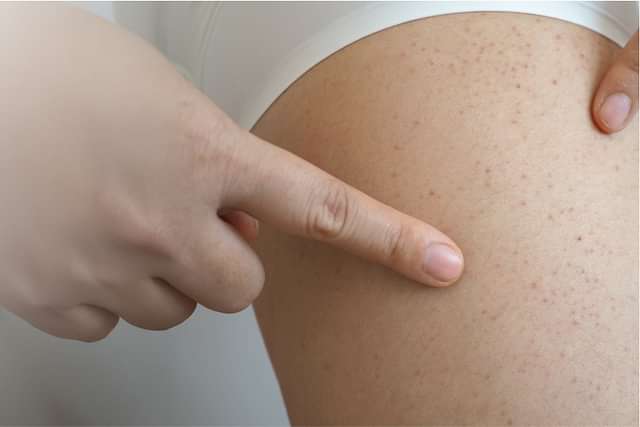
- Pinpoint bleeding in the skin, known as petechiae
- Cuts that continue to bleed for an extended period
If you notice any of these early signs of thrombocytopenia, it is essential to consult with your doctor for a proper diagnosis and treatment plan.
Symptoms of Thrombocytopenia
Symptoms of thrombocytopenia can vary but typically include warning signs that indicate low platelet levels. These include (Healthdirect Australia, 2025):
- Easy bleeding: People with thrombocytopenia may experience easy bleeding due to low platelet counts. This can manifest in various ways, including nosebleeds, bleeding gums, and heavier or longer menstrual periods. Additionally, they may notice blood in their urine or stool.
- Skin problems: Thrombocytopenia can cause pinpoint bleeding in the skin, known as petechiae. These appear as small, red, flat spots. Patients may also notice larger areas of bleeding under the skin, which can be bluish or purplish in colour.
- Fatigue: Those with thrombocytopenia may feel fatigued due to underlying conditions that cause low platelet counts.
- Enlarged spleen: In some cases, an enlarged spleen can be associated with thrombocytopenia due to platelet sequestration.
It's important to note that symptom severity may vary depending on the underlying cause of thrombocytopenia and the individual's overall health.
Stages of Thrombocytopenia
The severity of thrombocytopenia is categorised into three stages based on the platelet count. These include (Jinna et al., 2025):
- Mild thrombocytopenia: Platelet count ranges from 100,000 to 150,000 per μL. At this stage, the risk of bleeding is minimal, and bleeding may only occur after minor injuries or trauma.
- Moderate thrombocytopenia: Characterised by a platelet count ranging from 50,000 to 100,000 per μL. With this level of thrombocytopenia, the risk of bleeding increases moderately, and bleeding may occur more easily following injuries.
- Severe thrombocytopenia: In severe thrombocytopenia, the platelet count falls below 50,000 per μL. This stage poses a significant risk of bleeding, which can lead to life-threatening complications. Minor bleeding can occur spontaneously without any apparent injury, and excessive bleeding is likely during surgical procedures or in cases of trauma.
Causes of Thrombocytopenia
Thrombocytopenia can be caused by a range of factors, including medical conditions, medications, lifestyle factors, and autoimmune disorders. The causes of thrombocytopenia include:
- Bone marrow problems: Thrombocytopenia can result from disorders affecting platelet production in the bone marrow, such as aplastic anaemia, leukaemia, and multiple myeloma.
- Liver disease: The liver plays a role in platelet regulation and sequestration, and liver disorders such as cirrhosis and hepatitis can impact platelet counts.
- Infections: Certain infections, such as viral or bacterial infections, can affect platelet production or cause increased platelet destruction.
- Immune conditions: Some immune system disorders, such as immune thrombocytopenic purpura (ITP) and systemic lupus erythematosus (SLE), can cause the body to attack and destroy platelets mistakenly.
- Blood clotting disorders: Blood clotting disorders, such as disseminated intravascular coagulation (DIC) and thrombotic thrombocytopenic purpura (TTP), can impact platelet counts by affecting the blood's ability to clot properly.
- Heparin: This blood-thinning medication can sometimes cause a rare condition called heparin-induced thrombocytopenia (HIT).
- Chemotherapy: Certain chemotherapy medicines (e.g., cisplatin) used to treat cancer can damage the bone marrow and reduce platelet production.
- Heavy alcohol use: Excessive alcohol consumption can suppress bone marrow function and lead to thrombocytopenia.
- Nutritional deficiencies: Low levels of vitamin B12 and folate can contribute to decreased platelet production.
- Genetic conditions: Genetic conditions such as Bernard-Soulier syndrome, Glanzmann thrombasthenia, and Wiskott-Aldrich syndrome can affect platelet production or function due to inherited abnormalities.
- Pregnancy complications: In rare cases, pregnancy-related conditions such as HELLP syndrome can cause thrombocytopenia.
Understanding the underlying causes of thrombocytopenia is essential for developing an appropriate treatment plan and managing the condition effectively.
Risk Factors
Factors contributing to the risk of thrombocytopenia include:
- Underlying medical conditions such as autoimmune disorders, liver disease, infections, and bone marrow disorders
- Use of certain medicines (e.g., heparin, chemotherapy medicines, anticonvulsants)
- Nutritional deficiencies (vitamin B12 or folate deficiency)
- Heavy alcohol consumption
- Pregnancy (especially gestational thrombocytopenia)
Complications
The complications associated with Thrombocytopenia can include:
- Severe bleeding: Severe thrombocytopenia can lead to life-threatening internal bleeding, particularly in the brain. This complication requires immediate medical attention and appropriate treatment to prevent fatal consequences.
- Heparin-induced thrombosis (HIT): This condition can lead to arterial and venous thrombosis, potentially resulting in deep vein thrombosis, pulmonary embolism, stroke, and heart attack.
- Antiphospholipid antibody syndrome: Associated with arterial and venous thrombosis, this condition can result in recurring miscarriages, posing significant challenges for affected individuals.
- Thrombotic thrombocytopenic purpura (TTP): Characterised by microvascular thrombosis involving various organs, predominantly the central nervous system, TTP requires prompt diagnosis and treatment to prevent severe neurological complications.
- Hemolytic uremic syndrome (HUS): Primarily affecting the kidneys, HUS can lead to acute kidney failure, necessitating dialysis or even kidney transplantation in severe cases.
Timely recognition and management of these complications are essential to minimise their impact on patients with thrombocytopenia.
Prevention of Thrombocytopenia
The preventive measures for thrombocytopenia include:
- Avoiding medications that lower platelet counts: Certain medications, such as heparin, quinine, sulpha-containing antibiotics, and anticonvulsants, can reduce platelet counts. Avoiding or carefully managing these medications can help prevent thrombocytopenia.
- Managing underlying conditions: Controlling conditions, such as liver disease, infection, and cancer, can aid in preventing thrombocytopenia.
- Avoiding contact sports: Patients with low platelet counts should avoid contact sports and other potentially traumatic activities to minimise the risk of bleeding.
Implementing preventive measures can significantly reduce the incidence and severity of thrombocytopenia.
Diagnosis & Tests
The diagnosis of thrombocytopenia involves a series of tests and evaluations to determine the underlying cause of low platelet counts. These include:
- Physical examination and medical history: A comprehensive physical examination and detailed medical history are essential for identifying the signs and symptoms of thrombocytopenia and any underlying conditions that may contribute to its development.
- Complete blood count (CBC): A CBC is the primary diagnostic test for thrombocytopenia. It measures the number of platelets in the blood, along with other blood cell components. A platelet count below 150,000 per microlitre (μL) indicates thrombocytopenia.
- Peripheral blood smear: A peripheral blood smear is a microscopic examination of blood to assess the appearance and size of platelets. This test identifies platelet abnormalities and helps determine the cause of thrombocytopenia.
- Bone marrow examination: In some cases, a bone marrow biopsy or aspiration may be necessary to evaluate the bone marrow's ability to produce platelets. This procedure is particularly beneficial for diagnosing conditions, such as aplastic anaemia or certain types of leukaemia that can cause thrombocytopenia.
- Additional tests: Coagulation tests assess blood clotting function, while autoimmune antibody tests help detect antibodies that may be destroying platelets. Viral serology tests may also be performed to identify any viral infections associated with low platelet counts.
An accurate diagnosis of thrombocytopenia is crucial for determining the appropriate treatment approach and managing the condition effectively.
Treatment & Management
The treatment for Thrombocytopenia varies depending on the underlying cause and severity of the condition. Mild cases may not require any specific treatment, whereas more severe cases may need targeted interventions. The treatment options include:
- General management: Treatment varies with the cause and severity of thrombocytopenia, often focusing on addressing the underlying issue.
- Medications: Medications such as corticosteroids, thrombopoietin receptor agonists, and intravenous immunoglobulin are used to either boost platelet production or suppress the immune response.
- Blood transfusions: Platelet transfusions provide immediate increase in platelet count in severe cases and help prevent bleeding during emergencies or surgeries.
- Splenectomy: Removal of the spleen may be recommended for chronic immune thrombocytopenic purpura (ITP) when other treatments fail, as it can reduce platelet destruction.
- Plasmapheresis: Plasmapheresis (plasma exchange) is used in conditions like thrombotic thrombocytopenic purpura (TTP) by removing harmful substances from the blood.
- Treatment of underlying conditions: Addressing the primary condition, such as liver disease or cancer, can often resolve secondary thrombocytopenia.
- Bone marrow stimulation: In cases such as aplastic anaemia, treatments to stimulate bone marrow production or, in severe cases, haematopoietic stem cell transplantation may be necessary.
- Lifestyle and supportive care: Patients are advised to avoid activities that could lead to bleeding, and ongoing monitoring and supportive care are crucial for effective management.
Medication for Thrombocytopenia
Treatment for thrombocytopenia depends on the underlying cause and severity.
For immune thrombocytopenic purpura (ITP), corticosteroids are typically the first-line treatment. Examples include:
- Prednisone or dexamethasone: These suppress the immune system, reducing the destruction of platelets in immune thrombocytopenic purpura (ITP).
If corticosteroids are ineffective, an immune-modulating monoclonal antibody may be prescribed.
- Examples include rituximab, which targets B cells to decrease autoimmune activity and reduce platelet destruction in ITP.
To stimulate platelet production, thrombopoietin receptor agonists are commonly used, such as
- Eltrombopag: Stimulates platelet production by activating thrombopoietin receptors; used in chronic immune thrombocytopenia (ITP) and aplastic anaemia.
- Romiplostim: A thrombopoietin receptor agonist that promotes platelet formation in patients with chronic ITP.
- Avatrombopag: An oral thrombopoietin receptor agonist used to increase platelet counts in patients with chronic liver disease or ITP before procedures.
In some instances, immunosuppressants may be considered, such as
- Azathioprine: Suppresses immune-mediated platelet destruction and is used in cases of autoimmune thrombocytopenia.
- Cyclosporine: An immunosuppressant that helps manage thrombocytopenia by reducing immune system activity against platelets.
- Mycophenolate mofetil: Inhibits lymphocyte proliferation and is used to treat refractory immune thrombocytopenia.
Treatment plans are individualised and regularly adjusted based on platelet counts, response to medication, and underlying health conditions.
Living with Disease
Living with thrombocytopenia can be challenging, but there are strategies to enhance your quality of life. Here are some key pointers:
- Manage fatigue by ensuring adequate sleep, tracking platelet counts, and incorporating a nutritious diet.
- Practices like meditation and yoga can also boost energy levels.
- Be proactive about preventing bleeding episodes. Consult your doctor before taking medicines such as aminocaproic acid or tranexamic acid, and have appropriate first-aid measures available.
- If you're on corticosteroids like prednisone, take steps to mitigate side effects. This includes maintaining a healthy diet, staying active, and consulting with your doctor for tailored guidance.
When to See a Doctor?
If you experience symptoms of thrombocytopenia, such as excessive bleeding, bruising, or petechiae (tiny red or purple spots on the skin), consult a doctor. In cases of severe or life-threatening thrombocytopenia, immediate medical attention is crucial. However, if you have mild thrombocytopenia, you may only require routine monitoring and no treatment unless symptoms develop.
Key Takeaways
- Thrombocytopenia treatment depends on the underlying cause and severity of the condition. Mild thrombocytopenia often does not require treatment.
- Corticosteroids are commonly used as the first-line treatment for immune thrombocytopenic purpura (ITP).
- Immunoglobulin therapy, thrombopoietin receptor agonists, rituximab, and eltrombopag may be used to manage thrombocytopenia, depending on the underlying cause.
- Splenectomy may be considered when other treatments have failed to improve platelet counts.
- Platelet transfusions may be necessary for patients with life-threatening bleeding or those undergoing surgery.
- Consult a doctor if you experience symptoms of thrombocytopenia or have been prescribed medications that could cause the condition as a side effect.
- Regular monitoring of platelet counts is essential for individuals at risk of developing thrombocytopenia.
FAQs
Is thrombocytopenia curable?
Which fruit increases most platelets?
What levels indicate thrombocytopenia?
Thrombocytopenia is diagnosed when platelet counts fall below 150,000 per microlitre of blood, with normal ranges typically between 150,000 and 450,000 per microlitre.
What is a warning level of platelets?
Platelet counts below 30,000 per microlitre are considered severe and require prompt medical attention to prevent complications such as internal bleeding.
What is the difference between thrombocytopenia and idiopathic thrombocytopenic purpura?
While thrombocytopenia is a general term for low platelet counts, ITP is a specific autoimmune condition where the body mistakenly destroys platelets, leading to more severe thrombocytopenia that necessitates targeted treatment.
What is the best treatment for thrombocytopenia?
The best treatment for thrombocytopenia depends on the underlying cause. Strategies may include discontinuing certain medications, using corticosteroids or intravenous gamma globulin for ITP, or addressing the specific factors contributing to low platelet counts.
Which vitamin deficiency causes thrombocytopenia?
Vitamin B12 and folate deficiencies can both cause thrombocytopenia. These vitamins are crucial for the production and maturation of blood cells, including platelets.
Does coconut water increase platelets?
What infections cause thrombocytopenia?
Thrombocytopenia can be caused by various infections, including viral infections such as hepatitis, HIV, and others that affect the body's ability to produce or maintain adequate platelet levels.
Are there any home remedies for the disease ?
Home remedies like a diet rich in vitamins B12, folate, and vitamin C, along with staying hydrated, may support platelet health. However, they cannot replace medical treatment for thrombocytopenia.
References
- Jinna, S., Karra, S., Penney, S. W., & Khandhar, P. B. (2025). Thrombocytopenia. StatPearls Publishing. https://www.ncbi.nlm.nih.gov/books/NBK542208/
- National Heart, Lung and Blood Institute (n.d.). Thrombocytopenia. https://www.nhlbi.nih.gov/health/thrombocytopenia
- National Library of Medicine. (n.d.). Platelet disorders. MedlinePlus. https://medlineplus.gov/plateletdisorders.html
- Healthdirect Australia. (n.d.). Thrombocytopenia. https://www.healthdirect.gov.au/thrombocytopenia”
Browse Other Conditions
Latest health articles

Top Health Essentials


















Disclaimer
Top-Selling Medicines:
Top-OTC medicines:
...View more
Company
About UsHealth ArticleHealth StoriesHealth LibraryDiseases & Health ConditionsAyurvedaUnderstanding Generic MedicinesAll MedicinesAll BrandsNeed HelpFAQSecuritySavings CalculatorAdvertise with UsSubscribe
Registered Office Address
Grievance Officer
Download Truemeds


Contact Us
Our customer representative team is available 7 days a week from 9 am - 9 pm.
v4.28.19

2026 - Truemeds | All rights reserved. Our content is for informational purposes only. See additional information.

Our Payment Partners