

- Medicines
- Personal Care
- Skin Cream
- Sunscreen
- Face Wash
- Skin and Body Soap
- Acne Care
- Body Lotions
- Moisturising Lotion
- Moisturising Cream
- Mosquito Repellent
- Moisturising Gel
- Body Wash
- Hair Oils
- Hair Shampoo
- Hair Conditioners
- Hair Supplements
- Hair Colour
- Hair Serum
- Hair Mask
- Hair Solutions
- Baby Diapers and Wipes
- Baby Lotion and Moisturising Cream
- Baby Bath Essentials
- Baby Skin Care
- Baby and Infant Food
- Baby Healthcare
- Women Multivitamins
- Ovulation Test Kit and Women Intimate Care
- Sanitary Pads
- Nutritional Drinks
- Condoms
- Lubricants
- Massage Gels
- Personal Body Massagers
- Men Performance Booster
- Sexual Health Supplements
- Massage Oils
- Ayurveda
- Tooth Paste
- Mouth Ulcer Gel
- Mouthwash
- Toothache and Gum Pain
- Tooth Brush
- Gargle Solution
- Orthopaedic Supports
- Adult Diapers
- Footwear
- Mobility and Support Accessories
- Urinary Support and Care
- Health Conditions
- Bone and Joint Care
- Digestive Care
- Eye Care
- Pain Relief
- Smoking Cessation
- Liver Care
- Stomach Care
- Cold and Cough
- Heart Care
- Kidney Care
- Piles, Fissures & Fistula
- Respiratory Care
- Mental Wellness
- Derma Care
- Pre and Probiotics
- Acidity
- Gas
- Constipation
- Loose Motion/Diarrhoea
- Digestive Fibres
- Digestive Enzymes
- Eye Lubricant Drops
- Lens Solution
- Safety Eye Wear
- Eye Cream
- Eye Vitamins and Supplements
- Eye Drops
- Eye Ointment and Gel
- Nicotine Patch
- Nicotine Gum
- Nicotine Lozenges
- Cough Syrups
- Chest Rubs and Balms
- Nasal Spray
- Lozenges
- Inhalant Capsules
- Cold and Cough Tablets
- Vitamins & Supplements
- Diabetes Care
- Healthcare Devices
- Homeopathic Medicine
- Health Guide
Chronic Iron Overload
Chronic iron overload is a condition in which the body accumulates excessive amounts of iron over time. This can lead to organ damage and potentially life-threatening complications if left untreated. Iron accumulation occurs when the body absorbs more iron than it needs, either through excessive dietary intake, repeated blood transfusions, or genetic mutations that affect iron regulation (such as hereditary haemochromatosis) (Porter et al., 2024).
 50
50Last updated on : 22 Apr, 2026
Read time : 13 mins
Overview of Disease
Chronic iron overload is a serious medical condition that requires prompt attention and management. It occurs when the body absorbs and stores more iron than it needs, leading to a gradual buildup of iron in various organs. If left untreated, this condition can cause significant health problems and even lead to organ failure (Baddam & Chen, 2025). In this article, we will explore the causes, symptoms, diagnosis, and management of chronic iron overload.
What is Chronic Iron Overload?
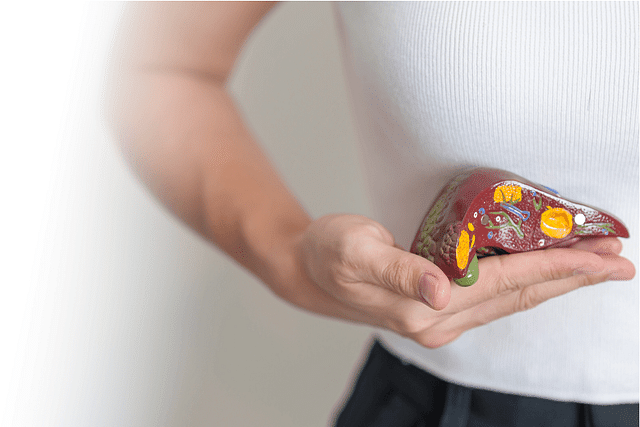
Chronic iron overload occurs when the body absorbs and stores excessive amounts of iron, leading to iron accumulation in various organs, including the liver, pancreas, skin, heart, and joints. This accumulation can cause oxidative stress, resulting in organ damage and potentially life-threatening consequences. The primary mechanism of iron accumulation is through increased absorption of iron from the diet, which can be due to genetic mutations, such as hereditary haemochromatosis, or secondary to repeated blood transfusions, iron therapy, or other medical conditions. Understanding the causes and mechanisms of chronic iron overload is crucial for early diagnosis and effective management.
Key Factors about Chronic Iron Overload
| Category | Details |
| Also Referred as | Hereditary Haemochromatosis, Iron Overload Disorders |
| Commonly Occurs In | People of European descent, particularly those of Northern European ancestry |
| Affected Organ | Liver, Heart, Pancreas, Skin, Joints, Pituitary gland |
| Type | Primary (Hereditary) and Secondary (Acquired or Transfusional) |
| Common Signs | Liver enlargement and cirrhosis, congestive heart failure, diabetes, skin discolouration |
| Consulting Specialist | Gastroenterologist, Haematologist, Endocrinologist |
| Treatment Procedures | Regular venesections (phlebotomy) and iron chelation therapy in some cases when phlebotomy is contraindicated |
| Mimicking Condition | Chronic liver disease, malignancy, infections, kidney failure, rheumatic conditions |
Types of Chronic Iron Overload
Chronic iron overload can be classified into several distinct types, including:
- Primary iron overload (hereditary haemochromatosis): This genetic condition, often linked to mutations in the HFE gene, results in the body’s inability to properly regulate iron absorption. It is inherited and typically leads to lifelong iron accumulation (Ganz & Nemeth, 2021).
- Secondary iron overload: Develops due to repeated blood transfusions, iron supplementation, or chronic hemolytic anaemias (e.g., thalassemia, sickle cell disease) (Porter et al., 2024)
- African iron overload: This form is influenced by environmental factors, such as consuming alcohol brewed in iron containers, along with potential genetic susceptibility. It is more prevalent in specific regions of Africa.
- Iron overload due to other disorders: This can occur in conditions like ineffective erythropoiesis, seen in myelodysplastic syndromes or congenital anaemias, where increased iron absorption results from the body’s inefficient production of red blood cells.
Symptoms of Chronic Iron Overload
Chronic iron overload can lead to a wide range of symptoms as excess iron accumulates in various organs and tissues throughout the body. Some common symptoms of iron overload include:
Fatigue and weakness: Feeling persistently tired or weak due to the buildup of excess iron in the body.
Joint pain: Experiencing pain or discomfort in the joints, particularly in the knees and hands, as a result of iron deposition.
Abdominal pain: Pain or discomfort in the abdominal region, especially over the liver, which may be a sign of liver disease caused by iron overload.
Skin discolouration: Darkening or greyish appearance of the skin, often described as a metallic or bronze hue, due to the accumulation of iron in the skin.
Sexual dysfunction: Loss of libido or erectile dysfunction in men, which may be caused by iron deposition in the gonads.
As chronic iron overload progresses, it can lead to more severe complications affecting various organs and systems.
Stages of Chronic Iron Overload
Chronic iron overload progresses through several stages, each with its own set of symptoms and potential complications. The stages of chronic iron overload include:
- Early stage: In this initial phase, iron accumulates in the body without causing noticeable symptoms. Individuals may have elevated serum ferritin levels, indicating increased iron storage but no noticeable organ damage.
- Intermediate stage: As iron continues to accumulate, individuals may begin to experience symptoms such as fatigue, weakness, joint pain, and skin discolouration. These symptoms are often non-specific and may be mistaken for other health issues.
- Advanced stage: In the advanced stage of chronic iron overload, excessive iron can cause significant organ damage. This may include liver cirrhosis, diabetes, heart failure, and arthritis(Porter et al., 2024).
Causes of Chronic Iron Overload
Chronic iron overload arises from various underlying causes, including:
- Genetic mutations: Mutations in HFE, HJV, TFR2, and SLC40A1 genes lead to abnormal iron sensing and increased intestinal absorption (Ganz & Nemeth, 2021)
- Repetitive blood transfusions: Frequent blood transfusions, often required for chronic anaemia or blood disorders, introduce excess iron into the body, as there is no natural mechanism to eliminate it (Porter et al., 2024).
- Chronic liver disease: Liver conditions such as chronic hepatitis or cirrhosis can impair iron metabolism and regulation, resulting in iron buildup in the liver and other organs.
- Excess dietary iron: Though rare, excessive intake of iron supplements or high dietary iron can lead to overload if intake consistently surpasses the body's needs.
- Certain medical conditions: Conditions like porphyria cutanea tarda (photosensitive skin disorder) and some anaemias can disrupt iron metabolism and contribute to chronic iron overload.
Risk Factors
Several factors can increase an individual's risk of developing chronic iron overload, including:
- Genetic predisposition: Individuals with hereditary haemochromatosis or other genetic mutations affecting iron metabolism are at a higher risk (especially HFE mutations such as C282Y and H63D).
- Sex: Men are more likely to develop symptoms of iron overload at an earlier age compared to women. This is because women naturally lose iron through menstruation and pregnancy, which can delay the onset of symptoms (Porter et al., 2024).
- Age: The risk of developing symptoms of chronic iron overload increases with age as iron accumulates gradually over time. Symptoms typically appear between 40 and 60 years of age (Porter et al., 2024).
- Alcohol consumption: Excessive alcohol intake can increase iron absorption and accelerate the progression of liver damage in individuals with iron overload.
- Blood transfusions: Individuals requiring repeated transfusions (e.g., thalassaemia, sickle cell disease) are at higher risk of accumulating approximately 200–250 mg of iron per unit of blood, increasing overload risk (Porter et al., 2024).
Complications
Chronic iron overload can lead to a range of serious complications affecting various organs in the body. Some of the key complications include:
Liver damage: The liver is one of the primary sites of iron storage, and excess iron can lead to liver fibrosis, cirrhosis, and even hepatocellular carcinoma (liver cancer).
Cardiac problems: Iron deposits in the heart muscle can cause arrhythmias, cardiomyopathy (weakening of the heart muscle), and eventually heart failure.
Endocrine issues: When iron accumulates in the pancreas, it can lead to the development of diabetes. Additionally, iron deposits in the gonads can result in impotence in men and infertility in both sexes.
Joint disease: Arthritis can develop as a result of iron accumulation in the joints, causing pain and stiffness.
Skin discolouration: Excess iron can cause the skin to take on a bronze or grey hue, a condition known as hyperpigmentation.
Neurological symptoms: In some cases, patients with chronic iron overload may experience memory loss and cognitive impairments.
Recognising the signs and symptoms of iron overload and seeking prompt medical attention can help prevent or minimise these complications.
Prevention of Chronic Iron Overload
Preventing chronic iron overload primarily involves early detection and management, especially in individuals with genetic predisposition or other risk factors.
Regular screening of at-risk individuals, such as those with a family history of hereditary haemochromatosis, can help identify iron overload early. Lifestyle modifications, such as avoiding excessive alcohol intake and maintaining a balanced diet, may also help reduce risk.
In some cases, preventive (prophylactic) phlebotomy may be recommended for high-risk individuals.
By taking proactive measures and working closely with healthcare professionals, individuals can minimise the impact of chronic iron overload on their health.
Diagnosis & Tests
Diagnosing chronic iron overload involves a series of tests and evaluations to accurately assess iron levels and identify underlying causes. These include:
- Blood tests: Blood tests are fundamental in diagnosing iron overload. The serum ferritin test measures the amount of iron stored in the body, with elevated levels often indicating excess iron. The transferrin saturation test assesses the percentage of transferrin (a protein that transports iron) bound with iron, providing insight into iron absorption. Additional tests, such as the total iron-binding capacity (TIBC), can help determine how much iron is available for transport and identify potential imbalances (Ogun et al., 2025).
- Genetic testing: For hereditary forms of iron overload, genetic testing can confirm diagnoses. Testing for mutations in the HFE gene is crucial for diagnosing hereditary haemochromatosis.
- Liver biopsy: In some cases, a liver biopsy may be performed to assess iron deposition in the liver tissue. It can help determine the severity of liver fibrosis or cirrhosis, which may be associated with chronic iron overload.
- Imaging studies: Imaging studies, such as MRI (magnetic resonance imaging), can be used to assess iron levels in various organs, particularly the liver. These techniques can help visualise iron deposits and monitor changes over time.
By combining these diagnostic tools, doctors can accurately diagnose chronic iron overload and develop an appropriate treatment plan tailored to the individual's needs.
Treatment & Management
The choice of treatment depends on the underlying cause of the condition and the severity of iron overload. The chronic iron overload treatment options include:
Phlebotomy: Phlebotomy, or regular blood removal, is the primary treatment for chronic iron overload. This procedure helps reduce iron levels by removing blood, which in turn decreases the body's iron stores.
Chelation therapy: Chelation therapy is used when phlebotomy is not feasible, such as in individuals with anaemia or those who cannot tolerate blood removal. This treatment involves administering medications that bind to excess iron in the body, facilitating its excretion through urine.
Dietary adjustments: Individuals with iron overload should avoid iron-rich foods and supplements, particularly those containing heme iron found in red meat. Limiting vitamin C intake, which enhances iron absorption, can also help control iron levels.
By integrating these treatment and management strategies, individuals with chronic iron overload can maintain better health and reduce the risk of complications.
Living with Disease
Living with chronic iron overload requires a proactive approach to manage the condition effectively and prevent long-term complications. Regular monitoring and lifestyle adjustments are key components of managing chronic iron overload symptoms and minimising the impact of iron toxicity on the body.
Regular monitoring involves:
- Blood tests to assess serum ferritin levels, transferrin saturation, and liver function tests to ensure that the treatment is effective and to adjust therapy as needed.
- Periodic assessments of cardiac function, including echocardiography and cardiac MRI, to detect early signs of iron-induced heart disease.
- Regular evaluation of endocrine function, particularly in patients with transfusion-dependent anaemias, to identify and manage potential complications such as diabetes, hypogonadism, and hypothyroidism.
Lifestyle adjustments are equally important in managing chronic iron toxicity:
- Avoid consuming alcohol, which can worsen liver damage and increase the risk of cirrhosis in patients with iron overload.
- Maintain a balanced diet that is low in iron-rich foods, such as red meat, liver, and iron-fortified cereals.
- Engage in regular physical activity, as exercise can help improve insulin sensitivity, reduce oxidative stress, and promote overall health.
By incorporating these strategies into their daily lives, individuals with chronic iron overload can effectively manage their condition, reduce the risk of complications, and maintain a good quality of life.
When to See a Doctor?
If you experience symptoms suggestive of chronic iron overload, such as fatigue, abdominal pain, joint pain, or unexplained skin pigmentation, it is essential to consult a doctor. Early diagnosis and treatment are crucial in preventing complications associated with iron accumulation in the body.
Additionally, if you have a family history of hereditary haemochromatosis or a condition that requires frequent blood transfusions, regular screening for iron overload is recommended. Your doctor can order appropriate tests, such as serum ferritin, transferrin saturation, and genetic testing, to diagnose iron overload and develop an individualised treatment plan.
Key Takeaways
- Chronic iron overload is characterised by excessive accumulation of iron in the body, which can lead to organ damage if left untreated
- Common causes include hereditary haemochromatosis, repeated blood transfusions, and certain liver diseases
- Symptoms may include fatigue, abdominal pain, joint pain, skin pigmentation, and organ dysfunction
- Diagnosis involves blood tests, genetic testing, and imaging studies
- Treatment includes phlebotomy, iron chelation therapy, or a combination of both
- Lifestyle adjustments, such as avoiding excessive vitamin C and alcohol intake, and regular follow-up care, are important
- Early diagnosis and proper management are essential to prevent complications
FAQs
What is chronic iron overload?
Chronic iron overload is a condition characterised by excessive accumulation of iron in the body, potentially leading to organ damage.
What causes chronic iron overload?
The main causes of chronic iron overload include hereditary haemochromatosis, repeated blood transfusions, excessive iron supplementation, and certain medical conditions that impair red blood cell production.
What are the symptoms of chronic iron overload?
Symptoms of chronic iron overload may include unexplained fatigue, bronze-coloured skin, joint pains, liver disease, heart problems, diabetes mellitus, hypogonadism, and skin hyperpigmentation.
How is chronic iron overload diagnosed?
Diagnosis of chronic iron overload involves blood tests (serum ferritin and transferrin saturation), genetic testing for hereditary haemochromatosis, imaging studies (MRI), and possibly liver biopsy.
What are the potential complications of untreated chronic iron overload?
Untreated chronic iron overload can lead to serious complications, such as liver cirrhosis, liver cancer, heart failure, diabetes, arthritis, and endocrine disorders.
How is chronic iron overload treated?
Treatment for chronic iron overload includes regular phlebotomy (blood removal), iron chelation therapy, and dietary modifications to reduce iron intake.
Can chronic iron overload be prevented?
Preventive measures for chronic iron overload include avoiding excessive iron supplementation, maintaining a balanced diet, and regular monitoring of iron levels in high-risk individuals.
Is chronic iron overload the same as haemochromatosis?
Haemochromatosis is a specific genetic condition leading to chronic iron overload in the body. Chronic iron overload can also result from other factors, such as repeated blood transfusions or certain types of anaemia.
What dietary changes are recommended for someone with chronic iron overload?
A diet low in iron-rich foods (red meat, organ meats) and avoiding iron supplements, vitamin C with meals, and alcohol is advised.
Who is at risk for developing chronic iron overload?
Individuals with hereditary haemochromatosis, those receiving frequent blood transfusions, and people with certain blood disorders have a higher risk of developing chronic iron overload.
References
- McDowell, L. A., & Sticco, K. L. (2025). Iron Overload. PubMed; StatPearls Publishing. https://www.ncbi.nlm.nih.gov/books/NBK526131/
- Nemeth, E., & Ganz, T. (2021). Hepcidin-Ferroportin Interaction Controls Systemic Iron Homeostasis. International Journal of Molecular Sciences, 22(12), 6493. https://doi.org/10.3390/ijms22126493
- Porter, J. L., & Rawla, P. (2023). Hemochromatosis. Nih.gov; StatPearls Publishing. https://www.ncbi.nlm.nih.gov/books/NBK430862/
- Ogun, A. S., & Adeyinka, A. (2025). Biochemistry, Transferrin. National Library of Medicine; StatPearls Publishing. https://www.ncbi.nlm.nih.gov/books/NBK532928/
- Molina, C. A., Ros, N. G., Tarancón, R. G., Varas, L. R., Flores, V. R., & Álvarez, S. I. (2023). Hereditary hemochromatosis: An updated vision of the laboratory diagnosis. Journal of Trace Elements in Medicine and Biology, 78, 127194. https://doi.org/10.1016/j.jtemb.2023.127194
Browse Other Conditions
Latest health articles

Top Health Essentials
















Disclaimer
Top-Selling Medicines:
Top-OTC medicines:
...View more
Company
About UsHealth ArticleHealth StoriesHealth LibraryDiseases & Health ConditionsAyurvedaUnderstanding Generic MedicinesAll MedicinesAll BrandsNeed HelpFAQSecuritySavings CalculatorAdvertise with UsSubscribe
Registered Office Address
Grievance Officer
Download Truemeds


Contact Us
Our customer representative team is available 7 days a week from 9 am - 9 pm.
v4.28.21

2026 - Truemeds | All rights reserved. Our content is for informational purposes only. See additional information.

Our Payment Partners




