

- Medicines
- Personal Care
- Skin Cream
- Sunscreen
- Face Wash
- Skin and Body Soap
- Acne Care
- Body Lotions
- Moisturising Lotion
- Moisturising Cream
- Mosquito Repellent
- Moisturising Gel
- Body Wash
- Hair Oils
- Hair Shampoo
- Hair Conditioners
- Hair Supplements
- Hair Colour
- Hair Serum
- Hair Mask
- Hair Solutions
- Baby Diapers and Wipes
- Baby Lotion and Moisturising Cream
- Baby Bath Essentials
- Baby Skin Care
- Baby and Infant Food
- Baby Healthcare
- Women Multivitamins
- Ovulation Test Kit and Women Intimate Care
- Sanitary Pads
- Nutritional Drinks
- Condoms
- Lubricants
- Massage Gels
- Personal Body Massagers
- Men Performance Booster
- Sexual Health Supplements
- Massage Oils
- Ayurveda
- Tooth Paste
- Mouth Ulcer Gel
- Mouthwash
- Toothache and Gum Pain
- Tooth Brush
- Gargle Solution
- Orthopaedic Supports
- Adult Diapers
- Footwear
- Mobility and Support Accessories
- Urinary Support and Care
- Health Conditions
- Bone and Joint Care
- Digestive Care
- Eye Care
- Pain Relief
- Smoking Cessation
- Liver Care
- Stomach Care
- Cold and Cough
- Heart Care
- Kidney Care
- Piles, Fissures & Fistula
- Respiratory Care
- Mental Wellness
- Derma Care
- Pre and Probiotics
- Acidity
- Gas
- Constipation
- Loose Motion/Diarrhoea
- Digestive Fibres
- Digestive Enzymes
- Eye Lubricant Drops
- Lens Solution
- Safety Eye Wear
- Eye Cream
- Eye Vitamins and Supplements
- Eye Drops
- Eye Ointment and Gel
- Nicotine Patch
- Nicotine Gum
- Nicotine Lozenges
- Cough Syrups
- Chest Rubs and Balms
- Nasal Spray
- Lozenges
- Inhalant Capsules
- Cold and Cough Tablets
- Vitamins & Supplements
- Diabetes Care
- Healthcare Devices
- Homeopathic Medicine
- Health Guide
Thrombosis
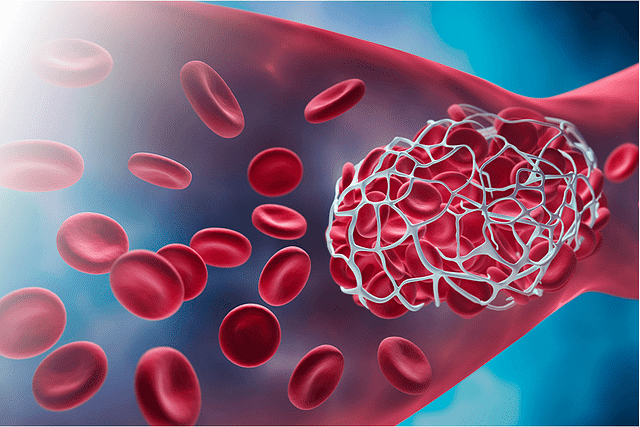
Thrombosis is a condition characterised by the formation of a blood clot within a blood vessel, which can obstruct blood flow and lead to serious complications. Deep vein thrombosis (DVT), a type of thrombosis, occurs when a blood clot forms in the deep veins of the body, most commonly in the legs. Effective blood clot prevention and treatment are crucial in managing this condition.
 50
50Last updated on : 07 May, 2026
Read time : 13 mins
Overview of Disease
Thrombosis is a significant health concern that affects millions of people worldwide. It is characterised by the formation of a blood clot within a blood vessel, which can obstruct blood flow and lead to various complications. Understanding the causes, risk factors, and symptoms of thrombosis is crucial for early detection and effective management.
What is Thrombosis?
Thrombosis occurs when blood components, such as platelets and fibrin, clump together to form a solid mass called a thrombus. This blood clot can develop in any blood vessel, including arteries, which carry oxygenated blood from the heart to the body, and veins, which transport deoxygenated blood back to the heart.
When a thrombus forms, it can partially or completely block blood flow, reducing oxygen supply to the affected tissues or organs. Deep vein thrombosis (DVT), a specific type of thrombosis, occurs when a blood clot develops in the deep veins of the body, most commonly in the legs. Early recognition and appropriate management are important to prevent complications such as pulmonary embolism.
Key Factors about Thrombosis
| Category | Details |
| Also Referred to as | Thrombosis (formation of a thrombus or blood clot) |
| Commonly Occurs In | Blood Vessels (Arteries or Veins) |
| Affected Organ | Heart, Brain, Lungs, Legs, Arms |
| Type | Arterial Thrombosis, Venous Thrombosis |
| Common Signs | Chest Pain, Trouble Breathing, Skin Changes, Pain or Swelling in Legs or Arms |
| Consulting Specialist | Vascular Surgeon, Internal Medicine Physician, Pulmonologist |
| Treatment Procedures | Medicines (anticoagulants, thrombolytics), compression therapy, and in selected cases procedures such as thrombectomy or filter placement |
| Managed By | Anticoagulant Medications (e.g., Heparin, Warfarin, Rivaroxaban) |
| Mimicking Condition | Various conditions depending on location (e.g., Pulmonary Embolism mimics Pneumonia or Asthma; Stroke mimics Migraine or other Neurological Conditions) |
Types of Thrombosis
There are several types of thrombosis, each affecting different parts of the circulatory system. These include:
- Deep vein thrombosis (DVT): This type of thrombosis forms in a deep vein, usually in the legs. Symptoms of DVT may include pain, swelling, and redness in the affected area.
- Pulmonary embolism (PE): A pulmonary embolism occurs when a clot breaks off from a DVT and lodges in the lungs, causing a blockage. Symptoms may include sudden shortness of breath, chest pain, and coughing up blood.
- Arterial thrombosis: This type of thrombosis forms in an artery, potentially leading to serious conditions such as heart attacks or strokes. Symptoms may include sudden numbness, weakness, or paralysis on one side of the body.
- Venous thromboembolism (VTE): VTE is an umbrella term that includes both DVT and PE, emphasising the close connection between the two conditions.
Symptoms of Thrombosis
The symptoms of Thrombosis can vary depending on where the blood clot forms in the body. Some common signs and symptoms include (Ashorobi et al., 2024):
- Leg swelling and pain: Swelling often occurs in one leg and may feel heavy or tight. The pain can range from a mild ache to severe discomfort, particularly when standing or walking. This is a key indicator of deep vein thrombosis.
- Warmth and discolouration: The skin around the swollen area may feel warmer than the surrounding skin. Discolouration can occur as a reddish or bluish tint, indicating changes in blood flow and circulation.
- Shortness of breath: If a blood clot breaks loose and travels to the lungs, it can cause a pulmonary embolism. This can result in sudden shortness of breath, which may occur at rest or during activity, and may be accompanied by anxiety.
- Chest pain: Chest pain related to thrombosis can feel like tightness or pressure and may radiate to the shoulder, arm, neck, or jaw. This symptom is often associated with conditions such as a heart attack or a pulmonary embolism.
- Rapid heart rate: An increased heart rate, or tachycardia, can occur as the body tries to compensate for reduced blood flow. This symptom may be accompanied by palpitations or a fluttering sensation in the chest.
- Numbness or weakness: In cases where a clot affects blood flow to the brain, symptoms may include sudden numbness or weakness on one side of the body, difficulty speaking, or confusion. These are signs of a potential stroke and require immediate medical attention.
Stages of Thrombosis
Thrombosis can progress through several stages, from the initial formation of a blood clot to potential complications. The stages of thrombosis include:
- Blood clot formation: The process begins with a blood clot in a vein, often due to prolonged immobility, injury, surgery, or certain medical conditions (e.g., varicose veins).
- Clot growth: If not treated promptly, the clot can grow and extend further into the vein, increasing the risk of complications.
- Clot breakage: A part of the clot can break off and travel through the bloodstream, potentially causing a blockage elsewhere in the body.
- Pulmonary embolism: If the broken clot lodges in the lungs, it can cause a pulmonary embolism, which can be fatal if not treated immediately.
Causes of Thrombosis
Thrombosis occurs when a blood clot forms within a blood vessel or the heart. Several factors can contribute to the formation of these clots, including:
- Damage to a vein: Injury to the inner lining of a vein, caused by surgery, inflammation, infection, or trauma, can trigger the clotting process.
- Blood flow issues: When blood moves slowly through the veins, it's more likely to clot. Prolonged immobility, such as during extended bed rest or long travel, can lead to pooling of blood in the legs and increase the risk of DVT.
- Abnormal clotting: Certain genetic disorders (e.g. antithrombin deficiency) or acquired conditions (e.g. autoimmune disorders) can cause the blood to clot more easily than usual. Pregnancy, use of oral contraceptives, and some autoimmune diseases can also increase blood clotting tendencies.
- Atherosclerosis: The buildup of fatty deposits in the arteries can narrow the blood vessels and increase the likelihood of arterial thrombosis.
Risk Factors
Several factors can increase an individual's risk of developing thrombosis, including:
- Age (over 60 years)
- Obesity or being overweight
- Smoking (damages the inner lining of blood vessels)
- Personal history of previous DVT or pulmonary embolism
- Family history of blood clots
- Prolonged periods of immobility, such as during long flights or bed rest
- Certain medical conditions, such as cancer, heart disease, or inflammatory bowel disease
- Pregnancy and the postpartum period
- Use of hormonal contraceptives or hormone replacement therapy
- Trauma or injury to a vein, often due to fractures or muscle injuries
Complications
Thrombosis can lead to several serious complications, especially if the blood clot dislodges and travels to other parts of the body. Some of the major complications include:
- Pulmonary embolism: This occurs when a blood clot from the legs travels to the lungs, causing sudden shortness of breath, dizziness, irregular heartbeat, and even death in severe cases.
- Heart attack: A clot in the coronary arteries can obstruct blood flow to the heart, leading to a heart attack and damage to the heart muscle.
- Stroke: If a clot forms in or travels to the brain's blood vessels, it can cause a stroke, potentially resulting in brain damage and long-term disability.
- Post-thrombotic syndrome: This condition can develop after deep vein thrombosis and is characterised by chronic venous hypertension. Symptoms may include limb pain, swelling, hyperpigmentation, dermatitis, ulcers, venous gangrene, and lipodermatosclerosis.
- Organ dysfunction: Depending on the location of the clot, thrombosis can affect the function of various organs, such as the kidneys, liver, or intestines, potentially leading to organ failure in severe cases.
Prevention of Thrombosis
Preventing thrombosis is essential, especially for individuals at high risk. Some key strategies for preventing blood clots include [Centers for Disease Control, 2025):
- Lifestyle changes: Maintaining a healthy weight, exercising regularly, and avoiding prolonged periods of sitting or lying down can help improve circulation and reduce the risk of clots.
- Compression stockings: Wearing compression stockings can help improve blood flow in the legs and prevent DVT, particularly for those who are immobile or have a history of clots.
- Medication: In some cases, doctors may prescribe anticoagulant medications (blood thinners) to help prevent clots from forming. These may be given orally or by injection.
- Mechanical devices: In hospital settings, mechanical devices such as intermittent pneumatic compression (IPC) devices or graduated compression stockings may be used to improve blood flow and prevent clots, particularly after surgery.
- Managing underlying conditions: Certain medical conditions, such as cancer or heart disease, can increase the risk of thrombosis. Managing these conditions effectively can help reduce the risk of clots.
Diagnosis & Tests
Diagnosing thrombosis involves a combination of clinical evaluation, physical examination, and imaging tests. These include:
- Physical examination: Your doctor will check for signs of thrombosis, such as swelling, tenderness, or changes in skin colour, particularly in the legs.
- Medical history: The doctor will review your symptoms, medical history, and any recent activities or conditions that might increase the risk of developing a blood clot.
- D-dimer test: This test measures D-dimer levels, a protein produced by blood clots. While elevated levels can indicate the presence of a clot, the test is not specific and cannot confirm thrombosis on its own.
- Duplex ultrasound: This non-invasive test uses sound waves to create images of blood flow through the veins and is the standard test for diagnosing deep vein thrombosis.
- Venography: This involves injecting a contrast dye into a vein and taking X-rays to visualise the veins. It is less commonly used due to its invasive nature.
- Computed tomography (CT) scans: CT scans, particularly CT pulmonary angiography (CTPA), can help diagnose pulmonary embolism when clinically indicated.
Treatment & Management
Thrombosis treatment aims to prevent clot progression, dissolve existing clots, and reduce the risk of complications such as embolism. The approach varies depending on whether the clot is arterial or venous, and on the severity of the condition.
1. Anticoagulant Medications (Blood Thinners)
These medications prevent new clots from forming and help the body gradually dissolve existing ones. Commonly used anticoagulants include:
- Warfarin: Warfarin is a vitamin K antagonist that requires regular monitoring but is effective for long-term clot prevention.
- Rivaroxaban: Rivaroxaban is an oral anticoagulant (DOAC) used for deep vein thrombosis (DVT) and pulmonary embolism (PE).
- Dabigatran: Dabigatran is a thrombin inhibitor that reduces clot formation and is often used in atrial fibrillation-related thromboembolism prevention.
2. Thrombolytics (Fibrinolytic)
In life-threatening situations like pulmonary embolism or severe DVT, fibrinolytic medications rapidly dissolve existing clots. These include:
- Streptokinase: Streptokinase is used to break down blood clots in emergency cases.
- Urokinase: Urokinase is used for catheter-directed thrombolysis in DVT and PE.
- Alteplase: Alteplase is a tissue plasminogen activator (tPA) used for acute ischaemic stroke and massive PE.
- Reteplase and Tenecteplase: Reteplase and Tenecteplase are modified tPA that work quickly to dissolve clots in acute myocardial infarction (heart attack).
3. Antiplatelet Medications
These medications reduce platelet aggregation and prevent clot formation, particularly in arterial thrombosis. Commonly used antiplatelets include:
- Aspirin: Aspirin is a widely used medication to prevent arterial clotting in heart disease and stroke prevention.
- Clopidogrel: Clopidogrel is an ADP receptor blocker used in patients at high risk of stroke or heart attack.
- Ticlopidine: Ticlopidine is used as an alternative to clopidogrel for reducing the risk of clots.
- Dipyridamole: Dipyridamole is often combined with aspirin to enhance its antiplatelet effects.
4. Additional Treatment
- Compression Stockings: For deep vein thrombosis, wearing compression stockings can help improve blood circulation, reduce swelling, and prevent post-thrombotic syndrome.
Living with Disease
Living with thrombosis can be challenging, but there are several steps you can take to manage your condition and reduce your risk of complications. These include:
- Take your medications as prescribed by your doctor, and do not stop taking them without consulting your doctor.
- Wear compression stockings if recommended by your doctor to improve blood flow and reduce swelling.
- Engage in regular physical activity to improve circulation and overall health.
- Maintain a healthy weight through a balanced diet and exercise.
- Avoid sitting or standing for prolonged periods, and take breaks to move around and stretch your legs.
- Stay hydrated by drinking plenty of water throughout the day.
- Inform your doctor, including dentists, about your condition before undergoing any medical procedures.
- Be aware of the signs and symptoms of complications, such as pulmonary embolism, and seek immediate medical attention if you experience them.
When to See a Doctor?
If you experience any signs or symptoms of thrombosis, such as swelling, pain, warmth, or redness in the affected limb, seek medical attention promptly. These symptoms may indicate a blood clot, which can be life-threatening if left untreated. Additionally, if you have a history of thrombosis or are at high risk for developing blood clots, it is essential to maintain regular check-ups with your doctor to monitor your condition and adjust your treatment plan as needed.
Key Takeaways
- Thrombosis is a serious condition characterised by the formation of blood clots in the blood vessels.
- Deep vein thrombosis (DVT) is a common type of thrombosis that occurs in the deep veins of the legs.
- Risk factors for thrombosis include prolonged immobility, surgery, certain medications, and underlying medical conditions.
- Symptoms of thrombosis may include swelling, pain, warmth, and redness in the affected area.
- Treatment for thrombosis primarily involves anticoagulation therapy to prevent the clot from growing and reduce the risk of complications.
- Living with thrombosis requires lifestyle adjustments, regular monitoring, and adherence to prescribed treatment plans.
- Seeking prompt medical attention for any signs or symptoms of thrombosis is crucial for timely diagnosis and treatment.
FAQs
What are the symptoms of a thrombosis?
What is the leading cause of thrombosis?
What is thrombosis in the legs?
How do you treat cardiac thrombosis?
What are the four stages of thrombosis?
Can thrombosis be cured?
Who is at risk for thrombosis?
How to diagnose thrombosis?
Can thrombosis go away by itself?
How to avoid thrombosis?
What is the best treatment for a thrombus?
References
- Johns Hopkins Medicine. (n.d.). Thrombosis. Retrieved from https://www.hopkinsmedicine.org/health/conditions-and-diseases/thrombosis
- Centers for Disease Control and Prevention. (2025). Venous thromboembolism (blood clots). https://www.cdc.gov/blood-clots/about/index.html
- National Heart, Lung, and Blood Institute. (2024). Venous thromboembolism. https://www.nhlbi.nih.gov/health-topics/venous-thromboembolism
- National Center for Biotechnology Information. (2024). Thrombosis. In StatPearls. Retrieved from https://www.ncbi.nlm.nih.gov/books/NBK538430/
Check Related Salts
Browse Other Conditions
Latest health articles
Top Health Essentials













Disclaimer
Top-Selling Medicines:
...View more
Top-OTC medicines:
...View more
Company
About UsHealth ArticleHealth StoriesHealth LibraryDiseases & Health ConditionsAyurvedaUnderstanding Generic MedicinesAll MedicinesAll BrandsNeed HelpFAQSecuritySavings CalculatorAdvertise with UsSubscribe
Registered Office Address
Grievance Officer
Download Truemeds


Contact Us
Our customer representative team is available 7 days a week from 9 am - 9 pm.
v4.28.16

2026 - Truemeds | All rights reserved. Our content is for informational purposes only. See additional information.

Our Payment Partners




