

- Medicines
- Personal Care
- Skin Cream
- Sunscreen
- Face Wash
- Skin and Body Soap
- Acne Care
- Body Lotions
- Moisturising Lotion
- Moisturising Cream
- Mosquito Repellent
- Moisturising Gel
- Body Wash
- Hair Oils
- Hair Shampoo
- Hair Conditioners
- Hair Supplements
- Hair Colour
- Hair Serum
- Hair Mask
- Hair Solutions
- Baby Diapers and Wipes
- Baby Lotion and Moisturising Cream
- Baby Bath Essentials
- Baby Skin Care
- Baby and Infant Food
- Baby Healthcare
- Women Multivitamins
- Ovulation Test Kit and Women Intimate Care
- Sanitary Pads
- Nutritional Drinks
- Condoms
- Lubricants
- Massage Gels
- Personal Body Massagers
- Men Performance Booster
- Sexual Health Supplements
- Massage Oils
- Ayurveda
- Tooth Paste
- Mouth Ulcer Gel
- Mouthwash
- Toothache and Gum Pain
- Tooth Brush
- Gargle Solution
- Orthopaedic Supports
- Adult Diapers
- Footwear
- Mobility and Support Accessories
- Urinary Support and Care
- Health Conditions
- Bone and Joint Care
- Digestive Care
- Eye Care
- Pain Relief
- Smoking Cessation
- Liver Care
- Stomach Care
- Cold and Cough
- Heart Care
- Kidney Care
- Piles, Fissures & Fistula
- Respiratory Care
- Mental Wellness
- Derma Care
- Pre and Probiotics
- Acidity
- Gas
- Constipation
- Loose Motion/Diarrhoea
- Digestive Fibres
- Digestive Enzymes
- Eye Lubricant Drops
- Lens Solution
- Safety Eye Wear
- Eye Cream
- Eye Vitamins and Supplements
- Eye Drops
- Eye Ointment and Gel
- Nicotine Patch
- Nicotine Gum
- Nicotine Lozenges
- Cough Syrups
- Chest Rubs and Balms
- Nasal Spray
- Lozenges
- Inhalant Capsules
- Cold and Cough Tablets
- Vitamins & Supplements
- Diabetes Care
- Healthcare Devices
- Homeopathic Medicine
- Health Guide
Thrush
Thrush is a common yeast infection caused by the Candida fungus, which can affect various parts of the body, including the mouth, vagina, and skin. It is usually harmless but can be uncomfortable and may recur. While not classified as a sexually transmitted infection (STI), thrush can be triggered by sex or, less often, passed on during sexual activity.
 50
50Last updated on : 07 May, 2026
Read time : 12 mins
Overview of Disease
Thrush is a common fungal infection that affects millions of people worldwide. It is caused by an overgrowth of Candida, a yeast that naturally resides in the body. While thrush is generally not serious, it can cause discomfort and may require treatment to alleviate symptoms and prevent recurrence. In this article, we will explore the causes, symptoms, and treatment options for thrush.
What is Thrush?
Thrush is a yeast infection that occurs when the balance of bacteria in the body is disrupted, allowing the Candida fungus to grow excessively. This overgrowth can affect various parts of the body, including the mouth (oral thrush), vagina (vaginal thrush), and skin.
Thrush is more common in infants, toddlers, older adults, and individuals with weakened immune systems.
While thrush is not considered a sexually transmitted infection (STI), it can sometimes be triggered by sexual activity or, in rare cases, passed on during sex. Understanding the causes and risk factors of thrush can help prevent and manage the condition effectively.
Key Factors about Thrush
| Category | Details |
| Also Referred to as | Oral candidiasis, oropharyngeal candidiasis, moniliasis, yeast infection |
| Commonly Occurs In | Infants, toddlers, older people, and those with weakened immune systems |
| Affected Organ | Mouth, throat, tongue, inner cheeks, gums, tonsils, back of the throat, oesophagus, and skin |
| Type | Fungal (yeast) infection caused by Candida albicans |
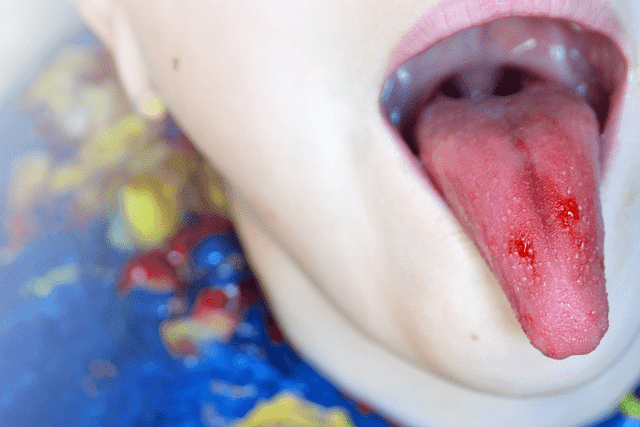
| Common Signs | White, velvety sores in the mouth and on the tongue, bleeding when brushing teeth or scraping sores, pain when swallowing, red, sore areas |
| Consulting Specialist | Dentist, Primary Care Physician, Infectious Disease Specialist (in severe cases) |
| Treatment Procedures | Antifungal medicines: nystatin rinse, clotrimazole lozenges, fluconazole tablets, amphotericin B oral suspension; good oral and dental hygiene practices |
| Managed By | Antifungal medications |
| Mimicking Condition | Herpes Simplex Virus (HSV), Lichen Planus, Bacterial Infections |
Types of Thrush
The various types of thrush include:
- Oral thrush: This type primarily affects the mouth, leading to white patches on the tongue and inner cheeks. It often occurs in individuals with weakened immune systems, resulting in soreness and sometimes difficulty swallowing.
- Genital thrush: Commonly seen in women, this type presents with itching, burning, and a thick, white discharge. Factors such as hormonal changes and antibiotic use can contribute to its development.
- Oesophageal thrush: This condition occurs when thrush spreads to the oesophagus, causing pain while swallowing and a sensation of food being stuck. It is more prevalent in individuals with compromised immune systems.
- Cutaneous thrush: This condition affects the skin in warm, moist areas, leading to red, itchy rashes. Obesity and excessive moisture can worsen this condition.
- Nail and skin thrush: This form (chronic mucocutaneous candidiasis or candidal paronychia) can cause nail discolouration and brittleness, often occurring in those with frequent hand exposure to water or underlying health issues.
Symptoms of Thrush
The symptoms of thrush can vary depending on the location of the infection. Here are some of the common symptoms:
- White patches: Individuals may notice white patches in the mouth, particularly on the tongue and inner cheeks. These patches can be painful and may bleed if scraped.
- Itching and burning: A common symptom is intense itching and burning, especially in the genital area. This discomfort can lead to swelling and irritation.
- Pain while swallowing: If the infection spreads to the oesophagus, individuals may experience pain while eating, which can make food feel lodged in the throat.
- Skin rashes: In cases of cutaneous thrush, red, itchy rashes develop in warm, moist areas of the body. These rashes can become inflamed and uncomfortable if untreated.
Causes of Thrush
Thrush is caused by an overgrowth of Candida albicans, which is normally present in small numbers in various parts of the body, including the mouth, vagina, and gut. Several factors can contribute to this overgrowth (World Health Organization, 2025):
- Antibiotics: Using antibiotics can kill off the healthy bacteria that keep Candida levels in check, leading to an overgrowth.
- Hormonal changes: Hormonal fluctuations during pregnancy, menstruation, or the use of oral contraceptives can disrupt the natural balance and allow Candida to overgrow.
- Weakened immune system: Conditions like HIV/AIDS, cancer, and the use of immunosuppressive medications can impair the immune system's ability to control Candida growth.
- Diabetes: Uncontrolled diabetes can lead to high blood sugar levels, which can promote Candida growth.
- Medications: Certain medications, such as steroids and chemotherapy, can also contribute to an overgrowth of Candida.
Risk Factors
Several factors can increase an individual's likelihood of developing thrush, including:
- Weakened immune system due to conditions such as HIV/AIDS, cancer, or the use of immunosuppressive medications
- Advanced age or infancy, as older adults and young babies have less robust immune systems
- Pregnancy, with its hormonal changes, can create favourable conditions for Candida growth
- Diabetes, especially if blood sugar levels are poorly controlled
- Recent antibiotic use can disrupt the natural balance of microorganisms in the body
- Denture use, particularly if the dentures are ill-fitting or not cleaned properly
Complications
While thrush is generally a minor condition, it can lead to complications in some individuals, including:
- Systemic infection: In immunocompromised individuals, Candida can enter the bloodstream, leading to severe systemic infections that may affect organs like the heart, brain, and eyes.
- Chronic thrush: Recurrent infections can lead to chronic discomfort and ongoing treatment challenges. This can significantly impact quality of life.
- Oesophageal damage: Persistent oesophageal thrush can cause inflammation and ulcers, leading to scarring and narrowing of the oesophagus, which may complicate swallowing.
- Secondary infections: The moist environment created by thrush can promote the growth of other pathogens, potentially leading to bacterial infections.
- Nutritional deficiencies: Difficulty swallowing due to thrush can lead to reduced food intake, potentially resulting in malnutrition and associated health issues.
Prevention of Thrush
Preventing thrush involves a combination of good hygiene practices, lifestyle adjustments, and avoiding certain risk factors. Here are some key strategies to prevent thrush:
- Maintain good hygiene by keeping affected areas clean and dry.
- For vaginal thrush, wipe from front to back after using the toilet to avoid spreading the Candida fungus from the anus to the vagina.
- Wear cotton underwear and breathable clothing that is not too tight to reduce moisture buildup, which can promote yeast growth.
- Avoid using irritating products like soaps, douches, antiseptics, or perfumed sprays in the genital area.
- Avoid scented toilet paper and menstrual products.
- Practice good oral hygiene by regularly brushing and flossing if you are prone to oral thrush.
- Reduce your intake of high-sugar foods, which can feed the Candida yeast.
- Keep diabetes well-controlled, as high blood sugar levels promote yeast overgrowth.
- Avoid smoking, as this can increase your risk of developing oral thrush.
- Only take antibiotics or corticosteroids exactly as prescribed by your doctor and complete the entire course.
Diagnosis & Tests
Diagnosing thrush involves a combination of clinical evaluation and laboratory tests to confirm the presence of Candida. These include:
- Clinical examination: A doctor typically begins with a visual inspection of the affected area, looking for characteristic white patches in the mouth, throat, or genital region.
- Medical history: Discussing symptoms and relevant medical history, including any underlying conditions or recent antibiotic use, helps inform the diagnosis.
- Swab culture: A sample from the affected area may be collected and cultured to identify Candida species, thereby confirming the diagnosis.
- Endoscopy: For oesophageal thrush, an endoscopy may be performed to visualise the oesophagus and obtain tissue samples if needed.
- Blood tests: In cases of suspected systemic infection, blood tests may be performed to check for Candida in the bloodstream and assess overall immune function.
Treatment & Management
1. Antifungal Medications
Effective treatment of thrush involves antifungal medications and supportive care to alleviate symptoms. The treatment options include:
a. Topical Antifungals (for mild oral, skin, or vaginal thrush)
- Nystatin suspension or lozenges: Binds to fungal cell membranes, causing leakage and cell death; effective for oral thrush.
- Clotrimazole troches (lozenges): Inhibits ergosterol synthesis in the fungal membrane; used for oral candidiasis.
- Miconazole oral gel: Disrupts fungal membrane integrity; effective for treating oral thrush.
- Clotrimazole, Miconazole, or Econazole creams: Treat superficial cutaneous candidiasis by inhibiting fungal cell wall synthesis.
- Miconazole or Clotrimazole vaginal suppositories/creams: Provide local antifungal activity for vaginal thrush.
- Tioconazole ointment: Broad-spectrum antifungal used intravaginally to treat candidiasis by disrupting fungal cell membranes.
b. Oral Systemic Antifungals (for moderate to severe or recurrent infections)
- Fluconazole: Inhibits fungal cytochrome P450 enzyme, disrupting membrane synthesis; first-line for mucosal and vaginal candidiasis.
- Itraconazole: Used for fluconazole-resistant or oesophageal candidiasis; interferes with ergosterol synthesis.
- Posaconazole: Broad-spectrum azole effective in refractory or immunocompromised cases; inhibits ergosterol synthesis.
- Voriconazole: Reserved for invasive or resistant Candida infections; inhibits ergosterol synthesis.
c. Intravenous Antifungals (for systemic or severe disseminated candidiasis)
- Amphotericin B (deoxycholate or liposomal form): Binds to ergosterol, forming pores in fungal membranes; used in life-threatening infections.
- Echinocandins:
- Caspofungin, Micafungin, Anidulafungin: These inhibit β-1,3-glucan synthesis in fungal cell walls; used in hospitalised or immunocompromised patients with systemic candidiasis.
d. Antifungal Combinations (in specific or resistant cases)
- Combination therapy (e.g., amphotericin B + flucytosine): Combined for synergistic activity in severe or CNS candidiasis; flucytosine inhibits fungal DNA synthesis.
2. Supportive and Preventive Care
a. Good Oral and Personal Hygiene
- Regular brushing and flossing, especially after meals
- Rinsing with antiseptic or saline mouthwash (avoid alcohol-based rinses)
- Cleaning dentures properly and removing them at night
b. Dietary Modifications
- Reduce intake of sugar and refined carbohydrates, as these can promote Candida growth
- Consider probiotics (e.g., Lactobacillus) to help restore healthy flora, particularly after antibiotics
c. Managing Underlying Conditions
Addressing predisposing factors is critical to prevent recurrence:
- Diabetes: Ensure tight glycaemic control
- HIV/AIDS or immunosuppression: Optimise antiretroviral therapy or immunosuppressive management
- Antibiotic or corticosteroid use: Review use with your doctor before reducing or stopping
3. Long-Term and Recurrent Case Management
- Maintenance antifungal therapy (e.g., weekly fluconazole) may be needed for patients with recurrent vaginal or oropharyngeal candidiasis
- In HIV-positive patients, secondary prophylaxis with antifungals may be considered
- Regular follow-ups are recommended to monitor for recurrence or treatment response and resistance
Living with Disease
If you are living with thrush, there are several steps you can take to manage the condition and prevent recurrences, including:
- Practice good oral hygiene if you have oral thrush. Brush your teeth twice daily, floss regularly, and replace your toothbrush often, especially during an active infection. Avoid sharing toothbrushes with others.
- For those who wear dentures, ensure they are cleaned properly and the skin underneath is kept clean and dry. Remove dentures overnight and rinse your mouth after meals.
- Eat a balanced, nutritious diet and stay well-hydrated. Reduce your intake of sugary foods, as high sugar levels can fuel Candida growth.
- If you use inhaled corticosteroids for asthma or other respiratory conditions, always rinse your mouth thoroughly with water after each use to help prevent Candida overgrowth.
- For vaginal thrush, practice good genital hygiene using mild soap and water. Avoid douching or using scented products in the genital area, as these can disrupt the natural balance of bacteria and yeast.
- Wear loose, breathable clothing to reduce moisture retention.
- If you have recurrent genital thrush, your sexual partner may also need evaluation and treatment; consult your doctor.
- Using condoms during intercourse can also help reduce the risk of passing the infection back and forth.
When to See a Doctor?
If you suspect you have thrush, it is important to see a doctor for proper diagnosis and treatment. Here are some scenarios when you should seek medical advice:
- Persistent or recurring symptoms despite home remedies or over-the-counter treatments
- Severe symptoms such as difficulty swallowing, extensive rash, or significant discomfort
- Weakened immune system due to conditions like HIV/AIDS, diabetes, or cancer treatment
- Thrush in infants, especially if it interferes with feeding or causes distress
- Concern about the possibility of a sexually transmitted infection
Your doctor will examine the affected area and may take a sample for laboratory analysis to confirm the presence of Candida. Based on the diagnosis and severity of the infection, they will recommend the appropriate course of treatment, which may include antifungal medications, lifestyle changes, and preventive measures.
Key Takeaways
- Thrush is a common yeast infection caused by an overgrowth of the Candida fungus, which can affect the mouth, throat, and genitals.
- Symptoms of oral thrush include white patches on the tongue or inner cheeks, soreness, and difficulty swallowing, while vaginal thrush can cause itching, burning, and a thick, white discharge.
- Risk factors for developing thrush include a weakened immune system, diabetes, the use of antibiotics or corticosteroids, and wearing ill-fitting dentures.
- Treatment for thrush typically involves antifungal medications in the form of lozenges, tablets, or creams, depending on the location of the infection.
- Lifestyle changes, such as practising good hygiene, reducing sugar intake, and wearing loose clothing, can help prevent recurrent thrush infections.
- If you experience severe or persistent symptoms, have recurrent infections, or have underlying medical conditions, it's important to consult a doctor for proper diagnosis and treatment.
FAQs
What causes thrush?
What are the 6 symptoms of thrush?
How do you get thrush to go away?
Is thrush a serious problem?
Can I get thrush from a girl?
How does thrush look like?
Does vaginal thrush smell?
Is vaginal thrush painful?
What is the best treatment for thrush?
What drink kills thrush?
References
- Centers for Disease Control and Prevention. (2025). Candidiasis. https://www.cdc.gov/candidiasis/
- MedlinePlus. (2023). Thrush - children and adults. https://medlineplus.gov/ency/article/000626.htm
- NHS. (2023). Oral thrush (mouth thrush). https://www.nhs.uk/conditions/oral-thrush-mouth-thrush/
- Better Health Channel. (2023). Vaginal thrush. https://www.betterhealth.vic.gov.au/health/conditionsandtreatments/vaginal-thrush
- World Health Organization. (2025). Candidiasis (yeast infection). https://www.who.int/news-room/fact-sheets/detail/candidiasis-(yeast-infection)

Check Related Salts
Browse Other Conditions
Latest health articles
Top Health Essentials



























Disclaimer
Top-Selling Medicines:
...View more
Top-OTC medicines:
...View more
Company
About UsHealth ArticleHealth StoriesHealth LibraryDiseases & Health ConditionsAyurvedaUnderstanding Generic MedicinesAll MedicinesAll BrandsNeed HelpFAQSecuritySavings CalculatorAdvertise with UsSubscribe
Registered Office Address
Grievance Officer
Download Truemeds


Contact Us
Our customer representative team is available 7 days a week from 9 am - 9 pm.
v4.28.14

2026 - Truemeds | All rights reserved. Our content is for informational purposes only. See additional information.

Our Payment Partners




