

- Medicines
- Personal Care
- Skin Cream
- Sunscreen
- Face Wash
- Skin and Body Soap
- Acne Care
- Body Lotions
- Moisturising Lotion
- Moisturising Cream
- Mosquito Repellent
- Moisturising Gel
- Body Wash
- Hair Oils
- Hair Shampoo
- Hair Conditioners
- Hair Supplements
- Hair Colour
- Hair Serum
- Hair Mask
- Hair Solutions
- Baby Diapers and Wipes
- Baby Lotion and Moisturising Cream
- Baby Bath Essentials
- Baby Skin Care
- Baby and Infant Food
- Baby Healthcare
- Women Multivitamins
- Ovulation Test Kit and Women Intimate Care
- Sanitary Pads
- Nutritional Drinks
- Condoms
- Lubricants
- Massage Gels
- Personal Body Massagers
- Men Performance Booster
- Sexual Health Supplements
- Massage Oils
- Ayurveda
- Tooth Paste
- Mouth Ulcer Gel
- Mouthwash
- Toothache and Gum Pain
- Tooth Brush
- Gargle Solution
- Orthopaedic Supports
- Adult Diapers
- Footwear
- Mobility and Support Accessories
- Urinary Support and Care
- Health Conditions
- Bone and Joint Care
- Digestive Care
- Eye Care
- Pain Relief
- Smoking Cessation
- Liver Care
- Stomach Care
- Cold and Cough
- Heart Care
- Kidney Care
- Piles, Fissures & Fistula
- Respiratory Care
- Mental Wellness
- Derma Care
- Pre and Probiotics
- Acidity
- Gas
- Constipation
- Loose Motion/Diarrhoea
- Digestive Fibres
- Digestive Enzymes
- Eye Lubricant Drops
- Lens Solution
- Safety Eye Wear
- Eye Cream
- Eye Vitamins and Supplements
- Eye Drops
- Eye Ointment and Gel
- Nicotine Patch
- Nicotine Gum
- Nicotine Lozenges
- Cough Syrups
- Chest Rubs and Balms
- Nasal Spray
- Lozenges
- Inhalant Capsules
- Cold and Cough Tablets
- Vitamins & Supplements
- Diabetes Care
- Healthcare Devices
- Homeopathic Medicine
- Health Guide
Hyperlipidaemia
Hyperlipidaemia is a medical condition characterised by elevated levels of lipids (fats) in the blood, including cholesterol and triglycerides. This condition can significantly increase the risk of cardiovascular diseases, such as heart attacks and strokes, due to the buildup of plaque in the arteries. Treatment options include lifestyle modifications, medications, and regular monitoring of lipid levels.
 50
50Last updated on : 10 Apr, 2026
Read time : 11 mins
Overview of Disease
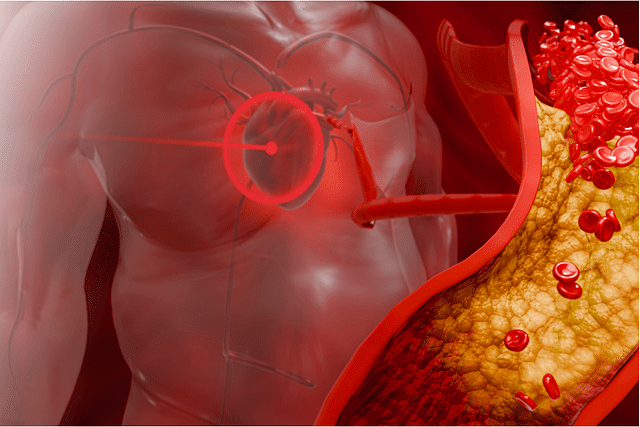
Hyperlipidaemia is a prevalent medical condition that affects millions of people worldwide. Men were found to have a higher prevalence of hyperlipidaemia. (Ballena-Caicedo et al., 2025) It is characterised by an excess of lipids or fats in the blood, particularly cholesterol and triglycerides. When left untreated, hyperlipidaemia can lead to serious health complications, such as heart disease, stroke, and peripheral artery disease. In this article, we will explore the causes, symptoms, diagnosis, and treatment options for hyperlipidaemia.
What is Hyperlipidaemia?
Hyperlipidaemia refers to elevated levels of lipids (fats) in the blood. These lipids include cholesterol and triglycerides, which are essential for various bodily functions but can cause health problems when present in excessive amounts. High levels of these fats can lead to the formation of plaque in the arteries, a condition known as atherosclerosis, which increases the risk of heart attacks, strokes, and other cardiovascular diseases. Understanding the different types of hyperlipidaemia is crucial for proper diagnosis and treatment.
Key Factors about Hyperlipidaemia
| Category | Details |
| Also Referred as | Dyslipidaemia, High Cholesterol |
| Commonly Occurs In | People over 45 (males), over 55 (females) |
| Affected Organ | Heart, Arteries, Peripheral Blood Vessels |
| Type | Primary (Familial), Secondary (Acquired) |
| Common Signs | Often Asymptomatic: Leg Cramps, Chest Pain, Trouble Breathing, Confusion, Weakness |
| Consulting Specialist | Cardiologist, Endocrinologist |
| Treatment Procedures | Lifestyle Changes (Diet, Exercise), Medication (Statins, etc.) |
| Managed By | Atorvastatin, simvastatin, rosuvastatin, cholestyramine, colestipol, ezetimibe, gemfibrozil, fenofibrate, alirocumab and evolocumab |
| Mimicking Condition | Other Cardiovascular Diseases, Metabolic Disorders (e.g., Diabetes) |
Types of Hyperlipidaemia
There are several types of hyperlipidaemia, each with its own unique characteristics and underlying causes:
- Type 1 (hyperlipidaemia familial lipoprotein lipase deficiency): Type 1 hyperlipidaemia is a rare genetic disorder caused by a deficiency in lipoprotein lipase. This enzyme plays a crucial role in breaking down triglycerides. As a result, individuals with this condition have very high levels of triglycerides in their blood.
- Type 2 (familial hypercholesterolaemia and combined hyperlipidaemia): Type 2 hyperlipidaemia is further divided into two subtypes:
- Type 2a (familial hypercholesterolaemia): This subtype is characterised by high levels of low-density lipoprotein (LDL) cholesterol due to a genetic defect that affects the LDL receptor, resulting in impaired removal of LDL from the bloodstream.
- Type 2b (familial combined hyperlipidaemia): This subtype involves elevated levels of both LDL cholesterol and triglycerides, often resulting from a combination of genetic and environmental factors.
- Type 3 (familial dysbetalipoproteinemia): Type 3 hyperlipidaemia is caused by an abnormality in the apolipoprotein E gene, which leads to impaired clearance of very-low-density lipoproteins (VLDL) and chylomicron remnants from the blood. This results in high levels of both cholesterol and triglycerides and is often associated with the development of xanthomas, which are fatty deposits in the skin.
- Type 4 (hypertriglyceridemia): Type 4 hyperlipidaemia is characterised by isolated high levels of triglycerides in the blood. This condition can be caused by a variety of factors, including genetic predisposition, obesity, diabetes, and certain medications.
- Type 5 (mixed hyperlipidaemia): Type 5 hyperlipidaemia is characterised by elevated levels of both VLDL and chylomicrons, resulting in high blood levels of triglycerides and cholesterol. This type is often associated with underlying conditions such as diabetes and can significantly increase the risk of cardiovascular complications.
Early Signs of Hyperlipidaemia
Hyperlipidaemia often shows no symptoms in its early stages, but some signs may include:
- Fatigue or weakness
- Unexplained weight gain
- Chest pain or discomfort
- Elevated blood pressure
- Yellowish patches on the skin, especially around the eyes (xanthomas)
- Abdominal pain or swelling
- Darker skin in areas like the neck or armpits (acanthosis nigricans)
Symptoms of Hyperlipidaemia
Hyperlipidaemia can lead to serious complications over time, including:
- Chest pain: Reduced blood flow to the heart can cause angina or chest pain, particularly during physical exertion.
- Shortness of breath: Diminished oxygen supply to the heart can result in shortness of breath.
- High blood pressure: The buildup of plaque in arteries can lead to an increase in blood pressure.
- Numbness or tingling: Peripheral artery disease caused by hyperlipidaemia can cause numbness or tingling sensations in the limbs.
- Stroke symptoms: A blockage of blood flow to the brain can result in sudden, severe headaches, difficulty speaking, numbness or weakness on one side of the body, vision problems, and balance issues.
Causes of Hyperlipidaemia
Several factors can contribute to the development of hyperlipidaemia, including:
- Diet: Consuming foods high in cholesterol, saturated fats, and trans fats, such as cheese, egg yolks, red meat, and fried and processed foods.
- Lifestyle factors: Smoking, being overweight, physical inactivity, excessive alcohol consumption, and steroid use can contribute to the development of hyperlipidaemia.
- Medical conditions: Diabetes, kidney disease, hypothyroidism, polycystic ovary syndrome, and pregnancy can lead to hyperlipidaemia.
- Genetic factors: Hereditary factors are a common cause of hyperlipidaemia, with some individuals having a genetic predisposition to the condition.
Risk Factors
Untreated hyperlipidaemia increases the risk of developing serious health complications, including:
- Heart attack
- Stroke
- Peripheral artery disease
- Coronary artery disease
- Atherosclerosis (plaque buildup in arteries)
Who's at Risk?
Individuals with the following factors are at a higher risk of developing hyperlipidaemia:
- People with a family history of hyperlipidaemia or heart disease
- Individuals who are overweight or obese
- Those with a sedentary lifestyle and a lack of physical activity
- Smokers
- People consuming a diet high in saturated and trans fats
- Individuals with certain medical conditions, such as diabetes, kidney disease, and hypothyroidism
- Older adults, as the risk of hyperlipidaemia increases with age
Complications
Hyperlipidaemia, if left untreated, can lead to serious health complications that affect various parts of the body. The most common complications associated with high lipid levels include:
- Coronary artery disease (CAD): The buildup of plaque in the coronary arteries can reduce blood flow to the heart, causing chest pain (angina), heart attacks, or heart failure.
- Heart attack: A blockage of blood flow to the heart due to plaque rupture and clot formation can result in a heart attack, with symptoms such as chest pain, cold sweat, nausea, and shortness of breath.
- Stroke: A clot blocking blood flow to the brain can cause a stroke, leading to sudden, severe headaches, trouble speaking, numbness, weakness, and vision problems.
- Peripheral artery disease (PAD): High lipid levels can lead to plaque buildup in the arteries of the legs and arms, resulting in pain in the feet or toes, leg cramps, and difficulty walking.
- Atherosclerosis: The hardening of arteries due to plaque buildup can affect various parts of the body.
- High blood pressure: Narrowing of blood vessels due to plaque buildup can increase blood pressure.
- Type 2 diabetes mellitus (T2DM): Hyperlipidaemia is associated with an increased risk of developing type 2 diabetes.
Prevention of Hyperlipidaemia
Preventing hyperlipidaemia involves a combination of lifestyle modifications and, in some cases, medical interventions. Some key strategies recommended by the American Heart Association for preventing high blood lipid levels include:
- Maintaining a healthy diet: Consume a diet rich in fruits, vegetables, whole grains, lean proteins, and healthy fats while limiting saturated and trans fats, cholesterol, and added sugars.
- Regular exercise: Engage in regular physical activity, such as aerobic and anaerobic exercises, to improve your lipid profile and maintain a healthy weight.
- Weight management: Maintain a healthy body weight through a balanced diet and regular physical activity, as excess weight can contribute to hyperlipidaemia.
- Quitting smoking: Smoking can damage blood vessels and increase the risk of cardiovascular diseases, so quitting is crucial for preventing hyperlipidaemia and its complications.
- Limiting alcohol consumption: Excessive alcohol intake can raise triglyceride levels, so it's essential to drink in moderation or abstain altogether.
- Managing stress: Chronic stress can contribute to unhealthy lifestyle habits, so finding healthy ways to manage stress, such as through meditation or yoga, can help prevent hyperlipidaemia.
Diagnosis & Tests
Diagnosing hyperlipidaemia involves a combination of physical examination, medical history review, and blood tests. Your doctor may recommend the following:
Lipid profile: A blood test that measures total cholesterol, LDL (low-density lipoprotein) cholesterol, HDL (high-density lipoprotein) cholesterol, and triglycerides after fasting for 9-12 hours.
Medical history: Your doctor will review your medical history, including family history of hyperlipidaemia or related conditions, medication use, and lifestyle factors.
Physical examination: Your doctor may check for signs of hyperlipidaemia, such as xanthomas (fatty deposits in the skin) or corneal arcus (a grey or white ring around the cornea).
Additional tests: In some cases, your doctor may recommend further tests, such as a coronary calcium scan or a carotid ultrasound, to assess the presence of plaque in the arteries.
Treatment & Management
The treatment of dyslipidaemia includes a combination of medication and lifestyle modification, which is adopted to lower cholesterol levels, reduce triglycerides, and prevent cardiovascular complications.
1. Cholesterol Reduction with Statins
Statins are the first-line therapy for lowering LDL cholesterol. They work by inhibiting cholesterol production in the liver and have been shown to have proven benefits in reducing cardiovascular risk. Medications such as rosuvastatin, atorvastatin, lovastatin, and simvastatin are commonly used to lower LDL (bad cholesterol) by reducing cholesterol production in the liver.
- Rosuvastatin and atorvastatin: Potent statins used for high-risk patients requiring substantial LDL reduction.
- Simvastatin and lovastatin: Suitable for moderate LDL reduction in lower-risk individuals or as adjuncts to other therapies.
2. Improving Lipid Metabolism with Fibrates
Fibrates are used primarily to reduce triglyceride levels and modestly raise HDL cholesterol. Medications like fenofibrate, bezafibrate, gemfibrozil, and clofibrate help lower triglyceride levels and modestly increase HDL (good cholesterol) by enhancing the breakdown of fats.
- Fenofibrate and bezafibrate: These are commonly prescribed to manage hypertriglyceridaemia.
- Gemfibrozil and clofibrate: These are additional options, particularly in patients with mixed dyslipidaemia.
3. Binding Bile Acids
- Medications such as cholestyramine and colestipol work by binding bile acids in the intestine, leading to increased clearance of cholesterol from the blood.
4. Blocking Cholesterol Absorption
- Ezetimibe helps lower cholesterol by reducing its absorption in the small intestine. This medication is often added to statin therapy when additional LDL lowering is required.
5. Targeting Triglyceride Synthesis
- Nicotinic acid (a form of vitamin B3) plays a role in reducing the production of triglycerides and increasing HDL levels, especially in combination with other approaches.
6. Lifestyle and Diet Modifications
Lifestyle modification forms the foundation of dyslipidaemia management and enhances the effectiveness of medications.
- A diet rich in fruits, vegetables, whole grains, legumes, and omega-3 fatty acids is recommended.
- Regular physical activity, smoking cessation, alcohol moderation, and weight management are essential to reduce cardiovascular risk.
When to See a Doctor?
If you have a family history of high cholesterol or premature heart disease, experience symptoms like chest pain or shortness of breath, or have other risk factors such as diabetes, high blood pressure, or smoking, it’s essential to see a doctor.
Elevated cholesterol levels from a previous blood test also require a consultation. Your doctor can perform a lipid panel to measure your cholesterol and triglyceride levels, assess your risk for heart disease, and recommend a tailored treatment plan based on your individual needs and risk factors.
Key Takeaways
- Hyperlipidaemia is a condition characterised by elevated levels of lipids (fats) in the blood, including cholesterol and triglycerides.
- The main types of hyperlipidaemia are high LDL cholesterol, low HDL cholesterol, and high triglycerides.
- Risk factors for hyperlipidaemia include genetics, age, obesity, unhealthy diet, lack of physical activity, smoking, and certain medical conditions.
- Lifestyle modifications, such as adopting a heart-healthy diet, exercising regularly, maintaining a healthy weight, and quitting smoking, are the primary treatment for hyperlipidaemia.
- Medications, such as statins, bile acid sequestrants, cholesterol absorption inhibitors, fibrates, and niacin, may be prescribed if lifestyle changes alone are not sufficient to manage hyperlipidaemia.
- Regular check-ups with your doctor are essential to monitor your lipid levels and overall cardiovascular health.
FAQs
What is the first line treatment for hyperlipidaemia?
The first-line treatment for hyperlipidaemia typically involves the use of statin medications, which effectively lower low-density lipoprotein (bad) cholesterol by inhibiting its production in the liver.
How do you prevent hyperlipidaemia?
Preventing hyperlipidaemia involves adopting a healthy lifestyle, including a balanced diet low in saturated and trans fats, regular physical activity, maintaining a healthy weight, and avoiding tobacco use.
Which foods cause hyperlipidaemia?
Foods high in saturated fats (e.g., butter, full-fat dairy), trans fats (e.g., fried and processed foods), cholesterol (e.g., egg yolks), and refined carbohydrates can contribute to hyperlipidaemia.
What's the difference between high cholesterol and hyperlipidaemia?
Hyperlipidaemia is a broader term encompassing elevations in various blood lipids, including cholesterol and triglycerides, while high cholesterol specifically refers to elevated levels of total cholesterol and low-density lipoprotein (LDL) cholesterol.
Which organs are affected by hyperlipidaemia?
Hyperlipidaemia primarily affects the cardiovascular system, particularly the arteries, as elevated blood lipids can lead to the formation of atherosclerotic plaques, increasing the risk of heart disease and stroke.
Can hyperlipidaemia be cured?
While hyperlipidaemia cannot be completely cured, it can be effectively managed through a combination of lifestyle modifications, such as dietary changes, regular exercise, and medication (e.g., statins) when necessary.
References
- Centers for Disease Control and Prevention. (2020). About cholesterol. https://www.cdc.gov/cholesterol/about/index.html
- National Heart, Lung, and Blood Institute. (n.d.). Blood cholesterol symptoms. https://www.nhlbi.nih.gov/health/blood-cholesterol/symptoms
- MedlinePlus. (2021, January 25). Cholesterol. https://medlineplus.gov/cholesterol.html
- Hill, M. F., & Bordoni, B. (2024). Hyperlipidemia. In StatPearls. Treasure Island: StatPearls Publishing. http://www.ncbi.nlm.nih.gov/books/NBK559182/
- Ballena-Caicedo, J., Zuzunaga-Montoya, F. E., Loayza-Castro, J. A., Vásquez-Romero, L. E. M., Tapia-Limonchi, R., De Carrillo, C. I. G., & Vera-Ponce, V. J. (2025). Global prevalence of dyslipidemias in the general adult population: a systematic review and meta-analysis. Journal of Health Population and Nutrition, 44(1). https://doi.org/10.1186/s41043-025-01054-3
- American Heart Association. (2024, February). Prevention and Treatment of High Cholesterol (Hyperlipidemia). https://www.heart.org/en/health-topics/cholesterol/prevention-and-treatment-of-high-cholesterol-hyperlipidemia
Check Related Salts
Browse Other Conditions
Latest health articles

Top Health Essentials













Disclaimer
Top-Selling Medicines:
...View more
Top-OTC medicines:
...View more
Company
About UsHealth ArticleHealth StoriesHealth LibraryDiseases & Health ConditionsAyurvedaUnderstanding Generic MedicinesAll MedicinesAll BrandsNeed HelpFAQSecuritySavings CalculatorAdvertise with UsSubscribe
Registered Office Address
Grievance Officer
Download Truemeds


Contact Us
Our customer representative team is available 7 days a week from 9 am - 9 pm.
v4.28.14

2026 - Truemeds | All rights reserved. Our content is for informational purposes only. See additional information.

Our Payment Partners




