

- Medicines
- Personal Care
- Skin Cream
- Sunscreen
- Face Wash
- Skin and Body Soap
- Acne Care
- Body Lotions
- Moisturising Lotion
- Moisturising Cream
- Mosquito Repellent
- Moisturising Gel
- Body Wash
- Hair Oils
- Hair Shampoo
- Hair Conditioners
- Hair Supplements
- Hair Colour
- Hair Serum
- Hair Mask
- Hair Solutions
- Baby Diapers and Wipes
- Baby Lotion and Moisturising Cream
- Baby Bath Essentials
- Baby Skin Care
- Baby and Infant Food
- Baby Healthcare
- Women Multivitamins
- Ovulation Test Kit and Women Intimate Care
- Sanitary Pads
- Nutritional Drinks
- Condoms
- Lubricants
- Massage Gels
- Personal Body Massagers
- Men Performance Booster
- Sexual Health Supplements
- Massage Oils
- Ayurveda
- Tooth Paste
- Mouth Ulcer Gel
- Mouthwash
- Toothache and Gum Pain
- Tooth Brush
- Gargle Solution
- Orthopaedic Supports
- Adult Diapers
- Footwear
- Mobility and Support Accessories
- Urinary Support and Care
- Health Conditions
- Bone and Joint Care
- Digestive Care
- Eye Care
- Pain Relief
- Smoking Cessation
- Liver Care
- Stomach Care
- Cold and Cough
- Heart Care
- Kidney Care
- Piles, Fissures & Fistula
- Respiratory Care
- Mental Wellness
- Derma Care
- Pre and Probiotics
- Acidity
- Gas
- Constipation
- Loose Motion/Diarrhoea
- Digestive Fibres
- Digestive Enzymes
- Eye Lubricant Drops
- Lens Solution
- Safety Eye Wear
- Eye Cream
- Eye Vitamins and Supplements
- Eye Drops
- Eye Ointment and Gel
- Nicotine Patch
- Nicotine Gum
- Nicotine Lozenges
- Cough Syrups
- Chest Rubs and Balms
- Nasal Spray
- Lozenges
- Inhalant Capsules
- Cold and Cough Tablets
- Vitamins & Supplements
- Diabetes Care
- Healthcare Devices
- Homeopathic Medicine
- Health Guide
Peripheral Artery Disease
Peripheral artery disease is a condition, in which the arteries supplying blood to the limbs become narrowed or blocked, reducing blood flow. It most commonly affects the legs and can cause pain, cramping, and fatigue when walking or exercising. Treatment options include lifestyle changes, medications, and surgical procedures.
 50
50Last updated on : 05 May, 2026
Read time : 14 mins
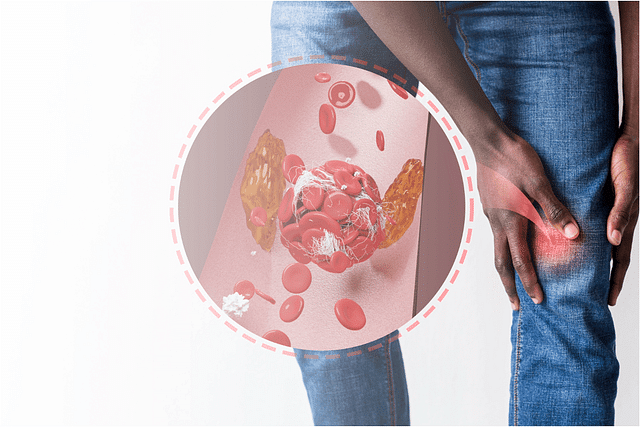
Overview of Disease
Peripheral artery disease is a serious condition that affects the blood vessels outside the heart and brain, leading to reduced blood flow in the limbs. It is essential to understand the causes, symptoms, and stages of peripheral artery disease to ensure early detection and appropriate treatment. This article elaborates on this condition, its risk factors, and the importance of timely intervention to prevent complications.
What is Peripheral Artery Disease?
Peripheral artery disease is a condition characterised by narrowing or blockage of the peripheral arteries, which carry blood from the heart to other parts of the body.
The most common cause of peripheral artery disease is atherosclerosis, a process in which plaque, consisting of fat, cholesterol, and other substances, builds up in the arterial walls. This buildup leads to the stiffening and narrowing of the arteries, reducing blood flow to the affected limbs, most commonly the legs.
According to the American Heart Association, peripheral artery disease is a significant risk factor for heart attack and stroke, highlighting the importance of early detection and management (American Heart Association, 2024).
Understanding the symptoms and stages of peripheral artery disease is crucial for timely intervention and prevention of complications.
Key Factors about Peripheral Artery Disease
| Category | Details |
| Also Referred to as |
|
| Commonly Occurs In |
|
| Affected Organ |
|
| Type |
|
| Common Signs |
|
| Consulting Specialist |
|
| Treatement Procedures |
|
| Managed By |
|
| Mimiciking Condition |
|
Symptoms of Peripheral Artery Disease
The symptoms of peripheral artery disease can vary in severity and may include:
- Pain, discomfort, cramping, or fatigue in the legs, calves, or thighs when walking or exercising, which subsides with rest
- Cold feet or toes
- Decreased hair growth or hair loss on the legs
- Slow-growing or brittle toenails
- Numbness or weakness in the legs
- Slow-healing or non-healing sores or ulcers on the legs and feet
- Shiny or pale skin on the legs, which may turn blue
- Weak or absent pulse in the leg or foot
- Erectile dysfunction in men
How Does Peripheral Artery Disease Affect the Body?
Peripheral artery disease affects the body by reducing blood flow to the legs and arms, leading to various symptoms and complications.
When the arteries narrow due to plaque buildup, the muscles in the legs and arms do not receive enough blood and oxygen, especially during exercise. This can cause pain, cramping, and fatigue in the affected limbs, which are common symptoms of peripheral artery disease.
Over time, if peripheral artery disease becomes severe, it can lead to critical limb ischaemia, where an injury or infection causes tissue to die, potentially requiring amputation. Additionally, the reduced blood flow can lead to slow-healing wounds, cool skin, and changes in skin colour on the legs and feet.
Peripheral artery disease also increases the risk of heart attack and stroke owing to the systemic nature of atherosclerosis, making it essential to recognise and manage this peripheral vascular disease.
Stages of Peripheral Artery Disease
The stages of peripheral artery disease can be classified using the Fontaine or Rutherford classification systems:
- Stage I (Fontaine) or Stage 0 (Rutherford): Asymptomatic, with no apparent functional impairment
- Stage IIa (Fontaine) or Stage 1 (Rutherford): Mild claudication, characterised by leg pain or discomfort when walking, which resolves with rest
- Stage IIb (Fontaine) or Stage 2 (Rutherford): Moderate to severe claudication, with leg pain or discomfort occurring at shorter walking distances
- Stage III (Fontaine) or Stage 3 (Rutherford): Critical limb ischaemia, characterised by leg pain at rest, typically in the feet or toes
- Stage IV (Fontaine) or Stages 4-6 (Rutherford): Severe critical limb ischaemia, with the presence of ischaemic ulcers or gangrene
Recognising the stages of peripheral artery disease is essential for determining the appropriate treatment approach.
Causes of Peripheral Artery Disease
Peripheral artery disease is primarily caused by the following:
- Atherosclerosis: The most common cause involves the buildup of fats, cholesterol, and other substances in and on the artery walls.
- Plaque formation: The buildup of plaque can narrow arteries, reducing blood flow to the legs and arms.
- Blood clots: The formation of blood clots around the plaque can further narrow or block the arteries.
- Less common causes: These include swelling and irritation of blood vessels, injury to the limbs, changes in the muscles or ligaments, and radiation exposure.
Understanding the causes of peripheral artery disease is crucial for effective prevention and treatment strategies.
Risk Factors
Several risk factors contribute to the development of Peripheral Artery Disease. These include:
- Age: Increasing age, especially after 65, or after 50 if other risk factors for atherosclerosis are present.
- Smoking: Tobacco use is the most significant risk factor, increasing the risk significantly and causing symptoms to appear almost 10 years earlier.
- Diabetes: High blood sugar levels can damage blood vessels and contribute to peripheral artery disease.
- High Blood Pressure: Uncontrolled hypertension can lead to arterial narrowing and hardening.
- High cholesterol: Elevated cholesterol levels can contribute to plaque buildup.
- Family history: A history of peripheral artery disease, heart disease, or stroke in the family increases the risk.
- Obesity: Being overweight or obese can increase the risk of developing peripheral artery disease.
Identifying and managing these risk factors is crucial for the prevention and effective treatment of peripheral artery disease, thereby improving the quality of life for those affected.
Complications
Peripheral artery disease is a serious condition that, if left untreated, can lead to several severe and potentially life-threatening complications. Some of the key complications associated with peripheral artery disease include:
- Amputation: Reduced blood flow to the limbs can lead to gangrene (tissue death), which may necessitate amputation of the affected limb, especially in individuals with diabetes.
- Heart attack: The same atherosclerosis that causes peripheral artery disease can also lead to coronary artery disease, increasing the risk of heart attacks.
- Stroke: People with peripheral artery disease are at a higher risk of having a stroke, which can be ischaemic (due to blood clots) or haemorrhagic (due to blood vessel rupture).
- Transient Ischaemic Attack (Mini-Stroke): Similar to a stroke but temporary, transient ischaemic attacks can still indicate significant cardiovascular risk.
- Poor wound healing: Impaired blood flow can hinder wound healing, particularly over pressure points such as the heels or ankles.
- Restricted mobility: Severe pain and discomfort can limit mobility, affecting the quality of life.
- Erectile dysfunction: Reduced blood flow can also lead to erectile dysfunction in men.
- Critical limb ischaemia: A severe form of peripheral artery disease characterised by chronic limb-threatening ischaemia, which can lead to significant pain at rest and tissue loss.
Recognising the potential complications of peripheral artery disease emphasises the importance of early diagnosis and appropriate management of the condition.
Prevention of Peripheral Artery Disease
Preventing Peripheral Artery Disease involves addressing the underlying risk factors and adopting a healthy lifestyle. Some key preventive measures include:
- Quit smoking: Smoking is a significant risk factor for peripheral artery disease, and quitting can considerably reduce the risk of developing the condition.
- Manage diabetes: Effective management of diabetes through diet, exercise, and medication can help prevent peripheral artery disease.
- Control high blood cressure and Cholesterol: Maintaining healthy blood pressure and cholesterol levels through lifestyle changes and medications can reduce the risk of atherosclerosis.
- Maintain a healthy weight: Being overweight or obese increases the risk of peripheral artery disease; thus, maintaining a healthy weight through diet and exercise is crucial.
- Stay physically active: Regular physical activity can help improve blood flow and overall cardiovascular health.
- Healthy diet: Consuming a balanced diet low in saturated fats and cholesterol can help prevent the buildup of fatty deposits in the arteries.
By adopting these preventive measures, individuals can significantly lower their risk of developing peripheral artery disease and its associated complications.
Diagnosis & Tests
If you experience symptoms suggestive of peripheral artery disease, such as leg pain or cramping, numbness, or coldness in the lower leg or foot, it is essential to consult your doctor for a proper diagnosis. Several tests can help diagnose peripheral artery disease:
- Physical examination: Your doctor will check for weak or absent pulses in your legs and feet, which can indicate poor blood flow.
- Ankle-brachial index: This non-invasive test compares blood pressure in your ankle with that in your arm. An abnormal difference can indicate peripheral artery disease.
- Doppler ultrasound: This imaging test uses sound waves to create pictures of blood flow in the arteries, helping to identify blocked or narrowed vessels.
- Angiography: This invasive test involves injecting a dye into the blood vessels and taking X-rays to visualise the blood flow and identify any blockages.
- Blood tests: Your doctor may order blood tests to identify for risk factors such as high cholesterol or diabetes.
- Treadmill test: This test involves walking on a treadmill while your blood pressure and symptoms are monitored to assess the severity of peripheral artery disease.
Accurate diagnosis of peripheral artery disease is crucial for determining the most appropriate treatment plan.
Treatment & Management
The treatment of Peripheral Artery Disease (PAD) involves medications, lifestyle modifications, and surgical interventions to restore blood flow, relieve symptoms, and reduce the risk of serious cardiovascular complications.
Here are the treatment options:
1. Anticoagulants
Anticoagulants are used to prevent new clot formation and reduce the risk of thrombotic events, especially in patients with severe arterial narrowing or a history of clots. Common agents include:
- Heparin: A fast-acting injectable blood thinner used in acute settings to prevent clot extension.
- Rivaroxaban: An oral anticoagulant used in the long-term prevention of recurrent clot-related complications in PAD.
2. Statins (HMG-CoA Reductase Inhibitors)
Statins are central to PAD management for their cholesterol-lowering and plaque-stabilising effects. Commonly used statins include:
- Rosuvastatin: Known for its potent LDL-lowering ability and vascular benefits.
- Atorvastatin: Widely used for cardiovascular protection and slowing atherosclerosis.
- Lovastatin: Helps reduce lipid levels and may improve endothelial function.
- Simvastatin: Offers both lipid-lowering and anti-inflammatory benefits.
3. Antiplatelet Medications
Aspirin, clopidogrel, and dipyridamole are used to reduce platelet stickiness, thereby lowering the risk of blood clots. These are often prescribed long-term to prevent complications like stroke or heart attack in PAD patients.
- Aspirin: An antiplatelet used to prevent heart attack and stroke.
- Clopidogrel: It is often prescribed when aspirin is not tolerated or used in combination for high-risk patients.
- Ticlopidine: It is sometimes used in aspirin-intolerant individuals.
- Dipyridamole: It enhances the effects of other antiplatelet drugs and helps inhibit clot formation
4. Thrombolytics
Streptokinase, urokinase, alteplase, and reteplase are used in emergencies to dissolve clots that are blocking blood flow in major arteries. These are generally reserved for acute limb-threatening situations.
- Streptokinase: It breaks down fibrin clots and is used in emergency limb ischemia.
- Urokinase: It activates plasminogen to dissolve clots in large arteries.
- Alteplase: It is a recombinant tissue plasminogen activator (tPA) for targeted clot lysis.
- Reteplase: It offers a longer half-life and is used for rapid thrombolysis.
5. ACE Inhibitors
Enalapril, lisinopril, and captopril not only help control blood pressure but also improve blood flow and reduce arterial stiffness. These benefits are critical for maintaining limb circulation and preventing disease progression.
- Enalapril: It improves endothelial function and lowers cardiovascular risk.
- Lisinopril: It is a long-acting agent that supports vessel health.
- Captopril: It is often used in patients with heart failure or diabetic nephropathy coexisting with PAD.
6. Angiotensin (AT1 Receptor) Blockers
Telmisartan, losartan, and valsartan are useful alternatives to ACE inhibitors, especially in those who experience coughing as a side effect. These medications help maintain vascular tone and lower the risk of cardiovascular events in PAD.
- Telmisartan: It offers added metabolic benefits in patients with PAD and diabetes.
- Losartan: It reduces blood pressure and vascular inflammation.
- Valsartan: It maintains arterial tone and improves long-term outcomes.
7. Lifestyle and Monitoring Tips
Regular walking exercises, smoking cessation, and maintaining blood sugar levels are equally important in managing PAD. Routine follow-up with vascular assessments ensures early detection of any worsening condition and guides timely treatment adjustments.
Living with Disease
Living with peripheral artery disease requires a commitment to lifestyle changes and adherence to medical treatment.
- Attend regular follow-up appointments with your doctor to monitor disease progression and adjust treatment as needed.
- Take care of your feet by inspecting them daily for cuts, sores, or signs of infection, and wear comfortable, well-fitting shoes to prevent foot injuries.
- Manage other health conditions, such as diabetes and hypertension, to reduce the risk of complications associated with peripheral artery disease.
- Seek support from family, friends, or support groups to help cope with the emotional and physical challenges of living with a chronic condition.
When to See a Doctor?
If you experience any symptoms suggestive of peripheral artery disease, such as leg pain, numbness, or weakness, it is essential to consult with your doctor. These symptoms may indicate a reduced blood flow to your limbs, which can lead to serious complications if left untreated.
Additionally, if you have risk factors for peripheral artery disease, such as diabetes, high blood pressure, high cholesterol, or a history of smoking, you should discuss your risk with your doctor and undergo regular screening for the disease.
If you have been diagnosed with peripheral artery disease and experience worsening symptoms, such as increased pain or difficulty walking, or develop new symptoms, such as wounds on your feet that do not heal, it is crucial to seek prompt medical attention. Your doctor may need to adjust your treatment plan or recommend additional interventions to manage your condition effectively.
Remember, early detection and management of peripheral artery disease can help prevent the progression of the disease and reduce the risk of serious complications, such as heart attack, stroke, or limb amputation.
Key Takeaways
- Peripheral Artery Disease (PAD) is a condition where plaque buildup narrows arteries, reducing blood flow to the limbs.
- Lifestyle changes, including regular exercise, a healthy diet, and smoking cessation, can help manage PAD symptoms.
- Proper foot care and adherence to prescribed medications are essential in managing PAD.
- Early detection and treatment of PAD can prevent severe complications.
- Risk factors for PAD include high blood pressure, high cholesterol, diabetes, and smoking.
FAQs
What are the leading causes of peripheral artery disease?
Is it possible to treat peripheral artery disease?
What are some warning signs that may indicate peripheral artery disease?
What symptoms may suggest blocked arteries in the legs?
How can I check for artery blockage?
Can walking help improve circulation in blocked leg arteries?
What are the characterises of stage 1 of peripheral artery disease?
How can I test for PAD at home?
What is the most effective vitamin for managing peripheral artery disease?
References
- National Heart, Lung, and Blood Institute. (n.d.). Peripheral artery disease. https://www.nhlbi.nih.gov/health/peripheral-artery-disease
- Zemaitis, M. R., Boll, J. M., & Dreyer, M. A. (2023, May 23). Peripheral arterial disease. StatPearls - NCBI Bookshelf. https://www.ncbi.nlm.nih.gov/books/NBK430745/
- Aday, A. W., & Matsushita, K. (2021). Epidemiology of Peripheral Artery Disease and Polyvascular Disease. Circulation Research, 128(12), 1818–1832. https://doi.org/10.1161/circresaha.121.318535
- Criqui, M. H., Matsushita, K., Aboyans, V., Hess, C. N., Hicks, C. W., Kwan, T. W., McDermott, M. M., Misra, S., & Ujueta, F. (2021). Lower Extremity Peripheral Artery Disease: contemporary epidemiology, management gaps, and future directions: A scientific statement from the American Heart Association. Circulation, 144(9). https://doi.org/10.1161/cir.0000000000001005
- Treatment Strategies for patients with peripheral Artery Disease (PAD) | Effective Health Care (EHC) Program. (n.d.). https://effectivehealthcare.ahrq.gov/products/peripheral-artery-disease-treatment/research-protocol
- What is Peripheral Artery Disease? (2024, October). American Heart Association. https://www.heart.org/en/health-topics/peripheral-artery-disease/about-peripheral-artery-disease-pad
Check Related Salts
Latest health articles

Top Health Essentials
















Disclaimer
Top-Selling Medicines:
...View more
Top-OTC medicines:
...View more
Company
About UsHealth ArticleHealth StoriesHealth LibraryDiseases & Health ConditionsAyurvedaUnderstanding Generic MedicinesAll MedicinesAll BrandsNeed HelpFAQSecuritySavings CalculatorAdvertise with UsSubscribe
Registered Office Address
Grievance Officer
Download Truemeds


Contact Us
Our customer representative team is available 7 days a week from 9 am - 9 pm.
v4.28.13

2026 - Truemeds | All rights reserved. Our content is for informational purposes only. See additional information.

Our Payment Partners




