

- Medicines
- Personal Care
- Skin Cream
- Sunscreen
- Face Wash
- Skin and Body Soap
- Acne Care
- Body Lotions
- Moisturising Lotion
- Moisturising Cream
- Mosquito Repellent
- Moisturising Gel
- Body Wash
- Hair Oils
- Hair Shampoo
- Hair Conditioners
- Hair Supplements
- Hair Colour
- Hair Serum
- Hair Mask
- Hair Solutions
- Baby Diapers and Wipes
- Baby Lotion and Moisturising Cream
- Baby Bath Essentials
- Baby Skin Care
- Baby and Infant Food
- Baby Healthcare
- Women Multivitamins
- Ovulation Test Kit and Women Intimate Care
- Sanitary Pads
- Nutritional Drinks
- Condoms
- Lubricants
- Massage Gels
- Personal Body Massagers
- Men Performance Booster
- Sexual Health Supplements
- Massage Oils
- Ayurveda
- Tooth Paste
- Mouth Ulcer Gel
- Mouthwash
- Toothache and Gum Pain
- Tooth Brush
- Gargle Solution
- Orthopaedic Supports
- Adult Diapers
- Footwear
- Mobility and Support Accessories
- Urinary Support and Care
- Health Conditions
- Bone and Joint Care
- Digestive Care
- Eye Care
- Pain Relief
- Smoking Cessation
- Liver Care
- Stomach Care
- Cold and Cough
- Heart Care
- Kidney Care
- Piles, Fissures & Fistula
- Respiratory Care
- Mental Wellness
- Derma Care
- Pre and Probiotics
- Acidity
- Gas
- Constipation
- Loose Motion/Diarrhoea
- Digestive Fibres
- Digestive Enzymes
- Eye Lubricant Drops
- Lens Solution
- Safety Eye Wear
- Eye Cream
- Eye Vitamins and Supplements
- Eye Drops
- Eye Ointment and Gel
- Nicotine Patch
- Nicotine Gum
- Nicotine Lozenges
- Cough Syrups
- Chest Rubs and Balms
- Nasal Spray
- Lozenges
- Inhalant Capsules
- Cold and Cough Tablets
- Vitamins & Supplements
- Diabetes Care
- Healthcare Devices
- Homeopathic Medicine
- Health Guide
Type 1 Diabetes
Type 1 diabetes is also known as juvenile diabetes or insulin-dependent diabetes. It is an autoimmune condition where the pancreas doesn't produce enough insulin, leading to high blood sugar levels. It commonly develops in childhood or adolescence, but it can occur at any age and requires lifelong management with insulin injections, blood sugar monitoring, and a carefully planned diet. Symptoms can include excessive thirst, frequent urination, fatigue, and unexplained weight loss.
 50
50Last updated on : 06 May, 2026
Read time : 12 mins
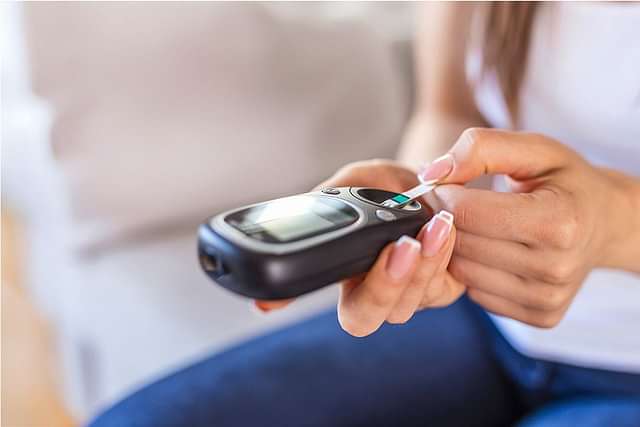
Overview of Disease
Type 1 diabetes, also known as juvenile diabetes or insulin-dependent diabetes, is a chronic autoimmune disease that prevents the pancreas from producing enough insulin, a hormone necessary for glucose to enter cells and provide energy to the body. This condition typically develops in childhood or adolescence, but it can occur at any age. Understanding the causes, symptoms, and management of type 1 diabetes is crucial for those living with the condition.
What is Type 1 Diabetes?
Type 1 diabetes is a serious, lifelong condition that typically develops during childhood or adolescence, which is why it is often referred to as juvenile diabetes. However, it can also develop in adults. Type 1 diabetes is less common than type 2 diabetes, and about 5% to 10% of people with diabetes have type 1 diabetes (Centers for Disease Control, 2024).
In type 1 diabetes, the body's immune system mistakenly identifies the insulin-producing beta cells in the pancreas as foreign and attacks them, leading to little or no insulin production. As a result, glucose builds up in the bloodstream instead of being used by cells for energy.
Type 1 diabetes is not caused by poor diet or lifestyle choices; the exact cause is unknown, but genetic and environmental factors may play a role. Recognising the symptoms of type 1 diabetes is essential for prompt diagnosis and treatment.
Key Factors about Type 1 Diabetes
| Category | Details |
| Also Referred to as | Juvenile diabetes, insulin-dependent diabetes mellitus (IDDM) |
| Commonly Occurs In | Children, adolescents, young adults, but it can occur at any age |
| Affected Organ | Pancreas (specifically beta cells) |
| Type | Autoimmune disorder |
| Common Signs | Extreme thirst, frequent urination, extreme hunger, blurred vision, nausea, vomiting, unexplained weight loss, fatigue, irritability, mood changes |
| Consulting Specialist | Endocrinologist |
| Treatment Procedures | Daily insulin injections or insulin pumps, blood sugar monitoring, carbohydrate counting, regular physical activity, and a balanced diet |
| Managed By | Rapid-acting insulin (e.g., lispro, aspart), short-acting insulin (e.g., regular insulin), intermediate-acting insulin (e.g., NPH), and long-acting insulin (e.g., glargine, detemir) |
| Mimicking Condition | May initially present with non-specific symptoms similar to infections or flu-like illness, especially in children |
Symptoms of Type 1 Diabetes
The symptoms of Type 1 diabetes can develop rapidly and may include:
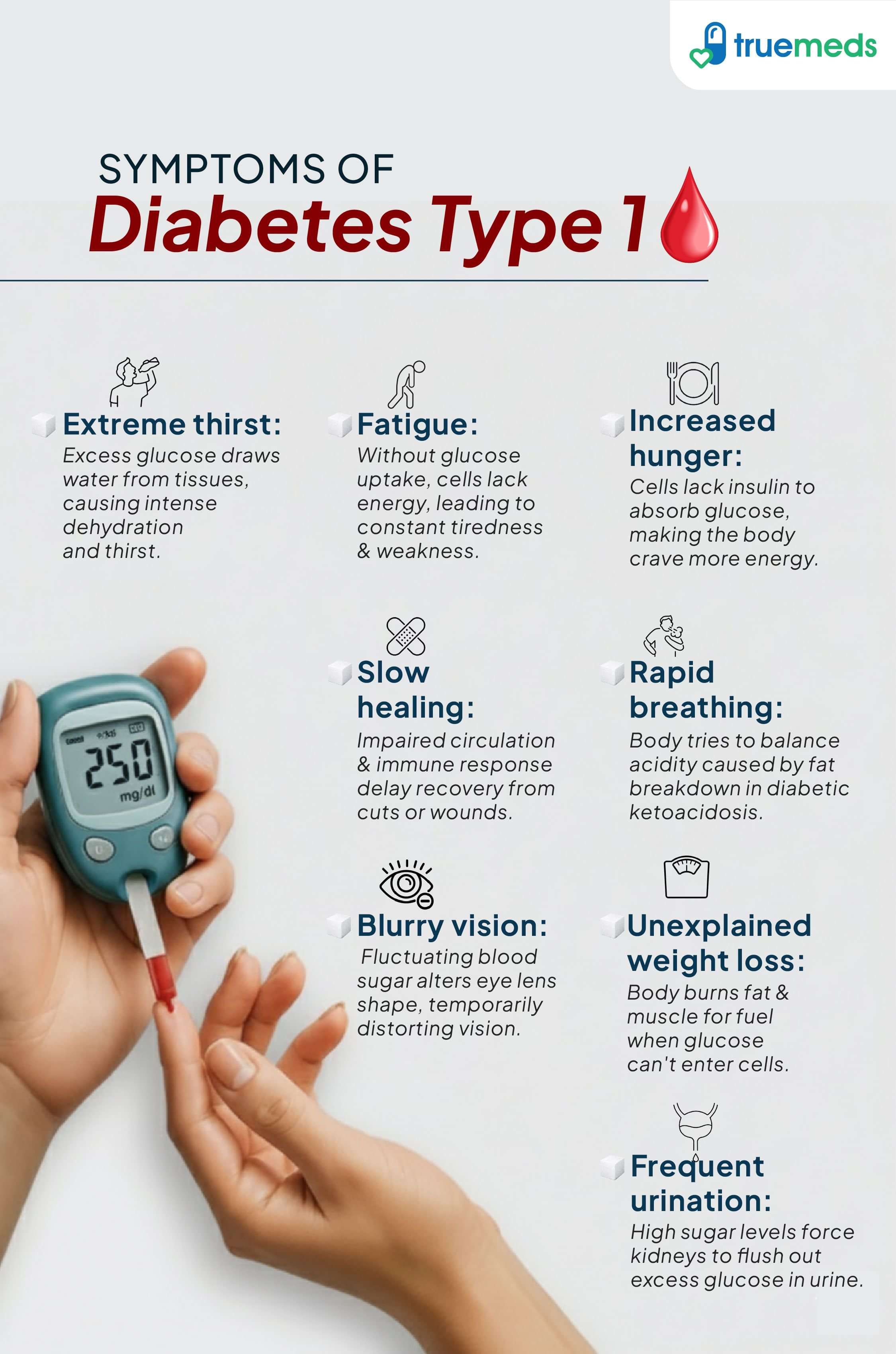
- Extreme thirst: High blood glucose levels increase urine output, leading to dehydration and an intense feeling of thirst.
- Increased hunger: Despite eating more, individuals with type 1 diabetes may feel hungry due to the body's inability to use glucose for energy effectively.
- Frequent urination: As the kidneys work to remove excess glucose from the blood, they produce more urine, resulting in frequent trips to the bathroom and potential bedwetting in children.
- Unexplained weight loss: Even with an increased appetite, weight loss can occur due to dehydration and the body's inability to utilise glucose for energy.
- Fatigue: High blood sugar levels can cause individuals to feel tired, weak, and lacking in energy.
- Blurred vision: Elevated blood glucose levels can lead to temporary vision changes and difficulty focusing.
- Slow healing: Cuts, bruises, and wounds may take longer to heal due to the impact of high blood sugar on the body's healing processes.
- Rapid breathing: In severe cases, a complication called diabetic ketoacidosis can cause deep, rapid breathing, known as Kussmaul breathing.
Causes of Type 1 Diabetes
The exact cause of type 1 diabetes is unknown, but it is believed that both genetic and environmental factors play a role. These include:
- Genetic factors: A family history of type 1 diabetes indicates a genetic predisposition. Specific genes, particularly those in the human leukocyte antigen (HLA) region, are associated with an increased risk. However, many individuals with these genetic markers do not develop the condition.
- Environmental triggers: Environmental factors may trigger the autoimmune response. Viral infections, particularly enteroviruses, are suspected, along with early-life dietary factors and exposure to certain chemicals.
- Immune system dysfunction: The immune system mistakenly targets beta cells, leading to their destruction and insufficient insulin production.
Risk Factors
Several factors can increase the likelihood of developing type 1 diabetes, including:
- Family history
- Genetic predisposition (specific HLA genes)
- Geography (higher prevalence in regions farther from the equator)
- Age (peaks in children between the ages of 4-7 and 10-14 years old)
- Presence of autoimmune disorders
- Viral infections (e.g., enteroviruses)
- Environmental factors (e.g., exposure to certain chemicals such as nitrosamines)
- Low vitamin D levels
Complications
If not appropriately addressed, Type 1 diabetes can lead to various short-term and long-term complications that can significantly impact an individual's health and quality of life. Some of the complications include:
- Hypoglycemia (low blood sugar): This can occur if insulin doses are too high for the amount of food consumed, leading to symptoms such as shakiness, dizziness, confusion, and even loss of consciousness if left untreated.
- Hyperglycemia (high blood sugar): This occurs when the body has too little insulin, indicating poor diabetes control. Symptoms may include increased thirst, frequent urination, fatigue, and blurred vision.
- Diabetic ketoacidosis (DKA): A life-threatening condition caused by the buildup of ketones in the bloodstream due to insufficient insulin. DKA can cause nausea, vomiting, abdominal pain, and even coma if not treated promptly (NIDDK, 2025).
- Heart disease: High blood sugar levels can damage blood vessels, increasing the risk of heart disease and stroke.
- Kidney disease: Over time, high blood sugar can damage the kidneys, leading to kidney failure.
- Eye problems: Type 1 diabetes can cause damage to the blood vessels in the retina, leading to vision problems such as cataracts, glaucoma, and even blindness.
- Nerve damage: High blood sugar levels can damage nerves, resulting in pain, numbness, and tingling in the hands, feet, and other parts of the body.
- Foot problems: Poor circulation and nerve damage can lead to sores and infections, which may require amputation in severe cases.
Prevention of Type 1 Diabetes
Type 1 diabetes cannot currently be prevented. However, certain measures can help reduce the risk of complications and maintain overall health:
- Lifestyle modifications: Adopting a healthy diet, engaging in regular physical activity, and maintaining a healthy weight can help manage blood sugar levels and reduce the risk of complications associated with type 1 diabetes.
- Vaccinations: Staying up to date on recommended vaccinations, such as the flu vaccine and pneumococcal vaccine, can help prevent infections that may complicate diabetes management.
- Regular health checkups: Scheduling regular visits to a primary care physician or an endocrinologist is essential for monitoring blood sugar levels, kidney function, and other health parameters to prevent long-term complications.
- Education and awareness: Educating patients and their families about type 1 diabetes, its management, and the importance of adhering to treatment plans is crucial for effectively preventing complications
Diagnosis & Tests
Diagnosing type 1 diabetes involves a combination of physical examination, medical history, and diagnostic tests. The most common diagnostic tests for type 1 diabetes include:
- Physical examination: The doctor will look for signs of dehydration, such as dry skin and a rapid heart rate, and will also assess overall health to identify any complications related to diabetes.
- Medical history: The doctor will ask about symptoms like increased thirst and frequent urination, along with any family history of diabetes, recent illnesses, and current medications to help with the diagnosis.
- Blood glucose tests: These tests measure blood glucose levels. A fasting blood sugar test, random blood sugar test, or oral glucose tolerance test may be performed.
- Glycated haemoglobin (A1C) test: This blood test provides an average of your blood glucose levels over the past two to three months. An A1C level of ≥6.5% on two separate tests indicates diabetes.
- Autoantibody tests: Since type 1 diabetes is an autoimmune disease, autoantibody tests such as glutamic acid decarboxylase (GAD) antibodies, insulin antibodies, or islet cell autoantibodies can help confirm the diagnosis.
- Urine ketone tests: In cases of suspected diabetic ketoacidosis, a serious complication of type 1 diabetes, your doctor may order a urine ketone test to check for the presence of ketones in your urine
Treatment & Management
The treatment of Type 1 Diabetes is centred on lifelong insulin replacement, blood glucose monitoring, lifestyle modifications, and education to achieve optimal glycaemic control, prevent complications, and support overall well-being.
A personalised plan is developed based on age, lifestyle, activity levels, and individual treatment goals.
1. Insulin Therapy
Managing Type 1 Diabetes involves daily insulin replacement. Here are the types of insulin.
- Rapid-acting insulins (insulin aspart, insulin glulisine, and insulin lispro): These are used at meal times to control blood sugar spikes.
- Long-acting insulins (insulin degludec and insulin glargine): These provide basal insulin coverage for steady blood glucose control throughout the day and night.
- Regular insulin: This type is sometimes used for meal-time coverage when a slower onset of action is preferred.
2. Blood Sugar Monitoring
Frequent blood glucose monitoring is essential to guide insulin dosing, dietary choices, and physical activity adjustments.
- Glucose meter testing: Enables spot checks at various times of the day.
- Continuous glucose monitoring (CGM): Provides real-time glucose readings and trends, helping detect patterns and reduce the risk of hypoglycaemia.
3. Physical Activity
Engaging in regular exercise supports better insulin sensitivity and overall glucose control. Individuals need to monitor blood glucose levels before, during, and after activity and adjust insulin doses as needed.
Living with Disease
Living with Type 1 diabetes requires a comprehensive and personalised management plan to maintain good health and prevent complications. Here are some key pointers for managing type 1 diabetes symptoms and treatment:
- Insulin therapy: People with type 1 diabetes need daily insulin injections or the use of an insulin pump for type 1 diabetes to replace the insulin their pancreas cannot produce. There are various types of insulin, each with different onset and duration of action, and individuals may need to use more than one type.
- Blood sugar monitoring: Regular monitoring of blood sugar levels is crucial to adjust insulin doses, meal plans, and physical activity. This can be done through fingerstick blood glucose tests or continuous glucose monitoring systems.
- Carbohydrate counting: To manage blood sugar levels effectively, individuals need to count the carbohydrates in their meals and match this with appropriate insulin doses. Carbohydrates are a primary source of glucose, and accurate counting helps in maintaining stable blood sugar levels.
- Healthy diet: Focus on nutrient-rich foods such as vegetables, fruits, and whole grains, while reducing intake of refined carbohydrates like white bread and sweets.
- Physical activity: Regular physical activity is vital. It helps manage blood sugar levels and overall health. Consult your doctor to balance your insulin doses and food intake with your physical activities.
- Complications prevention: Regular check-ups with the doctor are necessary to monitor for potential complications such as kidney damage, nerve damage, and eye problems. Early detection and management can prevent or delay these complications.
When to See a Doctor?
It is crucial to seek medical attention if you or your child exhibits symptoms of type 1 diabetes, which can develop rapidly over a few days to weeks. Key type 1 diabetes symptoms in adults and children include:
- Abnormal thirst and dry mouth
- Frequent urination
- Sudden weight loss despite increased appetite
- Fatigue and lack of energy
- Blurred vision
- Slow healing of cuts and bruises
- Bedwetting in children who were previously continent
If you experience any of these symptoms, it is important to consult a doctor promptly. Additionally, if you suspect diabetic ketoacidosis (DKA), a life-threatening condition characterised by symptoms such as fruity (sweet-smelling) breath, dry or flushed skin, nausea, vomiting, stomach pain, trouble breathing, or confusion, seek immediate medical attention.
Key Takeaways
- Type 1 diabetes is a chronic autoimmune disease that destroys insulin-producing beta cells in the pancreas, resulting in the body's inability to produce sufficient insulin.
- The exact cause of type 1 diabetes is unknown, but it involves genetic predisposition and environmental triggers such as viral infections.
- Type 1 diabetes symptoms include increased thirst, frequent urination, extreme hunger, fatigue, blurred vision, sudden weight loss, and slow-healing cuts or bruises.
- Treatment for type 1 diabetes involves lifelong insulin therapy, which can be administered through injections or an insulin pump.
- Effective management of type 1 diabetes requires a combination of insulin therapy, blood sugar monitoring, carbohydrate counting, a healthy lifestyle, and regular check-ups to prevent complications.
FAQs
Can people with type 1 diabetes lead normal lives?
With proper management through regular insulin administration, blood sugar monitoring, a balanced diet, and physical activity, individuals with type 1 diabetes can lead normal, active lives.
What is the difference between type 1 and type 2 diabetes?
Type 1 diabetes is an autoimmune condition where the body doesn't produce insulin, while type 2 diabetes is characterised by insulin resistance or insufficient insulin production.
What is type 1 diabetes caused by?
Type 1 diabetes is caused by an autoimmune reaction that destroys insulin-producing beta cells in the pancreas, resulting in insulin deficiency.
How to avoid type 1 diabetes?
Currently, there are no proven methods to avoid developing type 1 diabetes, as it is an autoimmune disease not directly linked to lifestyle factors.
Which foods can manage type 1 diabetes?
A balanced diet with fruits, vegetables, whole grains, lean proteins, and healthy fats, while limiting sugary and processed foods, helps manage type 1 diabetes effectively.
What is the primary treatment for type 1 diabetes?
What is the best way to manage type 1 diabetes?
The best way to manage type 1 diabetes is through a combination of regular insulin therapy, frequent blood sugar monitoring, a balanced diet, and regular exercise.
What is the insulin regimen for type 1 diabetes?
An insulin regimen for type 1 diabetes usually includes a combination of long-acting (basal) and rapid-acting (bolus) insulin, administered through injections or an insulin pump.
What insulin is used for type 1 diabetes?
Rapid-acting insulins (e.g., lispro, aspart), short-acting insulins (e.g., regular), intermediate-acting insulins (e.g., NPH), and long-acting insulins (e.g., glargine, detemir) are used for type 1 diabetes.
Do people with type 1 diabetics take insulin every day?
Yes, type 1 diabetics need to take insulin every day, as their bodies cannot produce insulin on their own to regulate blood sugar levels.
References
- Centers for Disease Control and Prevention. (2024). About type 1 diabetes. https://www.cdc.gov/diabetes/about/about-type-1-diabetes.html
- MedlinePlus. (2023). Type 1 diabetes. https://medlineplus.gov/ency/article/000305.htm
- National Institute of Diabetes and Digestive and Kidney Diseases. (2023). Type 1 diabetes. https://www.niddk.nih.gov/health-information/diabetes/overview/what-is-diabetes/type-1-diabetes
Check Related Salts
Browse Other Conditions
Latest health articles

Top Health Essentials


























Disclaimer
Top-Selling Medicines:
...View more
Top-OTC medicines:
...View more
Company
About UsHealth ArticleHealth StoriesHealth LibraryDiseases & Health ConditionsAyurvedaUnderstanding Generic MedicinesAll MedicinesAll BrandsNeed HelpFAQSecuritySavings CalculatorAdvertise with UsSubscribe
Registered Office Address
Grievance Officer
Download Truemeds


Contact Us
Our customer representative team is available 7 days a week from 9 am - 9 pm.
v4.28.13

2026 - Truemeds | All rights reserved. Our content is for informational purposes only. See additional information.

Our Payment Partners




