

- Medicines
- Personal Care
- Skin Cream
- Sunscreen
- Face Wash
- Skin and Body Soap
- Acne Care
- Body Lotions
- Moisturising Lotion
- Moisturising Cream
- Mosquito Repellent
- Moisturising Gel
- Body Wash
- Hair Oils
- Hair Shampoo
- Hair Conditioners
- Hair Supplements
- Hair Colour
- Hair Serum
- Hair Mask
- Hair Solutions
- Baby Diapers and Wipes
- Baby Lotion and Moisturising Cream
- Baby Bath Essentials
- Baby Skin Care
- Baby and Infant Food
- Baby Healthcare
- Women Multivitamins
- Ovulation Test Kit and Women Intimate Care
- Sanitary Pads
- Nutritional Drinks
- Condoms
- Lubricants
- Massage Gels
- Personal Body Massagers
- Men Performance Booster
- Sexual Health Supplements
- Massage Oils
- Ayurveda
- Tooth Paste
- Mouth Ulcer Gel
- Mouthwash
- Toothache and Gum Pain
- Tooth Brush
- Gargle Solution
- Orthopaedic Supports
- Adult Diapers
- Footwear
- Mobility and Support Accessories
- Urinary Support and Care
- Health Conditions
- Bone and Joint Care
- Digestive Care
- Eye Care
- Pain Relief
- Smoking Cessation
- Liver Care
- Stomach Care
- Cold and Cough
- Heart Care
- Kidney Care
- Piles, Fissures & Fistula
- Respiratory Care
- Mental Wellness
- Derma Care
- Pre and Probiotics
- Acidity
- Gas
- Constipation
- Loose Motion/Diarrhoea
- Digestive Fibres
- Digestive Enzymes
- Eye Lubricant Drops
- Lens Solution
- Safety Eye Wear
- Eye Cream
- Eye Vitamins and Supplements
- Eye Drops
- Eye Ointment and Gel
- Nicotine Patch
- Nicotine Gum
- Nicotine Lozenges
- Cough Syrups
- Chest Rubs and Balms
- Nasal Spray
- Lozenges
- Inhalant Capsules
- Cold and Cough Tablets
- Vitamins & Supplements
- Diabetes Care
- Healthcare Devices
- Homeopathic Medicine
- Health Guide
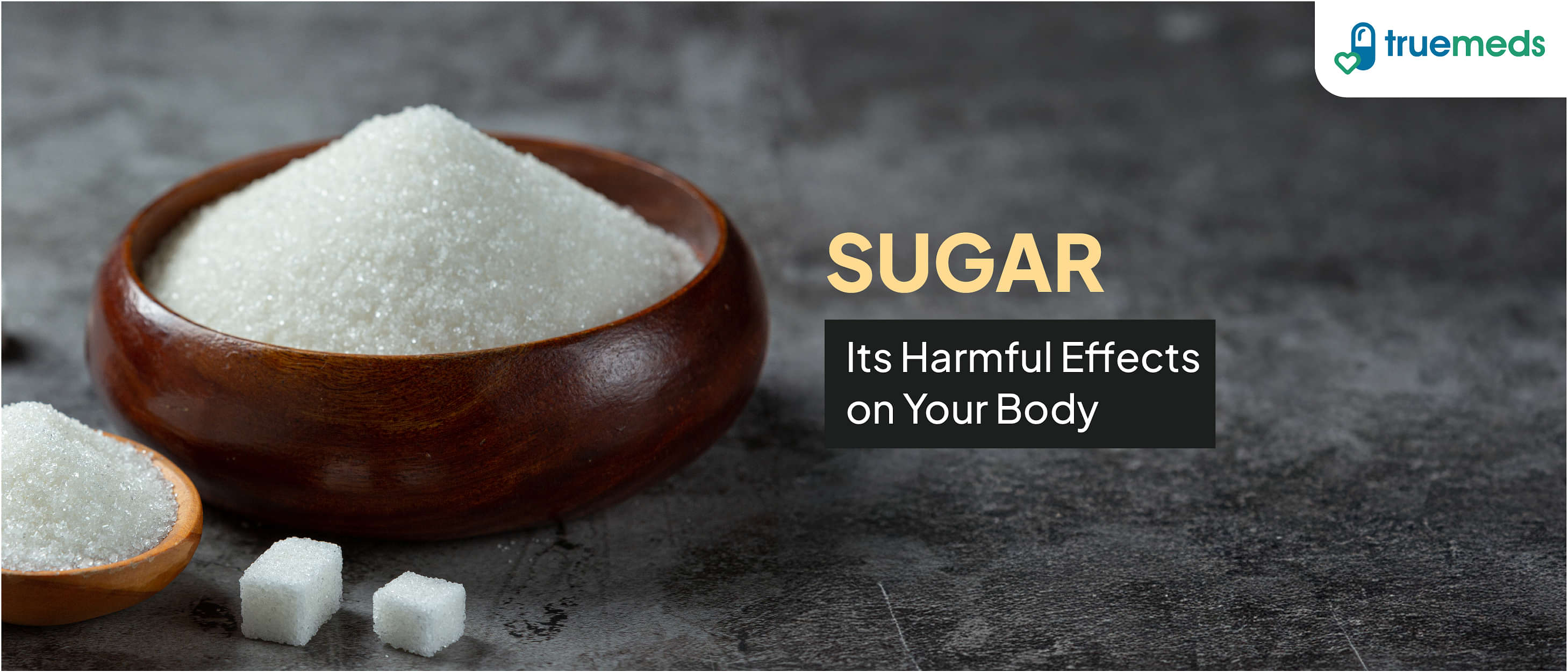
11 Harmful Effects of Sugar on the Body: Risks, Side Effects & How to Cut Back
Last updated on : 01 Dec, 2025
Read time : 11 min
Sugar might sweeten your tea or dessert, but too much of it can harm your body in more ways than one. From weight gain and acne to heart disease and diabetes, the side effects of sugar are far-reaching and well-documented.
This resource examines the scientifically documented harmful effects of sugar on the body and provides expert-backed tips on how to reduce consumption for improved health.
Understanding the Effects of Excessive Sugar Consumption
Excessive sugar consumption can have numerous adverse effects on your health. Here are some of the harmful effects associated with a high intake of added sugars:
1. Leads to Unhealthy Weight Gain
Weight gain is a common side effect of excessive sugar consumption. Sugary foods and drinks are high in calories and typically lack essential nutrients like fiber. This often leads to a hike in your overall caloric intake.
Research has shown that individuals who consume large amounts of sugar, especially from Sugar-Sweetened Beverages (SSBs), are more likely to gain weight and develop obesity [1]. Obesity itself is a significant risk factor for several chronic diseases.
2. Increases Risk of Depression and Anxiety
High sugar intake is not just bad for your physical health; it can also take a toll on your mental well-being.
Recent studies point towards a link between high added sugar consumption and mental health issues like depression and anxiety. Diets high in sugar can cause inflammation in the body and brain, which may be a contributing factor to mood disorders [12].
A large-scale analysis revealed that men who consumed more than an average of 66 grams of sugar per day had a significantly higher chance of being diagnosed with anxiety or depression compared to those who consumed less [8].
3. Raises Risk of Heart Disease
Eating too much sugar can significantly increase your risk of heart disease.
Research has shown that individuals who get a large portion of their daily calories from added sugars (17–21% of total calories) are at an increased risk of death from cardiovascular diseases compared to those who limit intake to under 8% [9].
Consuming excessive amounts of sugar can contribute to elevated blood pressure, chronic inflammation, and the accumulation of fat in and around the liver. These metabolic factors are central in the progression of heart conditions [9].
4. Accelerates Skin Aging and May Worsen Acne
A diet high in sugar can negatively impact your skin’s health through a process called glycation.
Sugar molecules bind with proteins in the skin, damaging collagen and elastin, which are essential for maintaining the skin’s firmness and elasticity. This acceleration of the skin’s aging process can lead to the formation of wrinkles and sagging skin [4], [10].
Furthermore, high sugar intake can promote inflammation and increase oil production, which may worsen inflammatory skin conditions like acne [10].
5. Increases Risk of Type 2 Diabetes
Having a ‘sweet tooth’ could put you at risk of developing type 2 diabetes. The connection between high sugar consumption and diabetes is well-documented.
Consuming excessive amounts of sugar can contribute to weight gain and increased body fat, both significant risk factors for type 2 diabetes [11].
Furthermore, diets high in sugar can make your body’s cells less responsive to insulin, a condition known as insulin resistance. This leads to elevated blood sugar levels that, over time, can potentially develop into type 2 diabetes [11].
6. May Promote Certain Types of Cancer
While not a direct cause, research indicates that consuming high amounts of sugar may increase your risk of certain types of cancer indirectly.
The mechanisms through which this is thought to happen include promoting obesity, driving chronic inflammation in the body, and causing insulin resistance—all factors associated with a higher cancer risk [6]. It is important to note that the overall effect is tied to metabolic dysfunction rather than a simple sugar-cancer link [2].
7. Causes Tooth Decay and Cavities
Another downside of consuming sugar is its role in dental cavities. When you consume sugar, it interacts with the naturally occurring bacteria in your mouth, which subsequently produces acids.
These acids erode your tooth enamel, leading to cavities and other dental issues [5]. This highlights how the side effects of sugar extend to oral health, emphasizing the importance of good oral hygiene and a reduced sugar intake.
8. Worsens Joint Pain and Inflammation
Joint pain is a common problem, especially among older adults and individuals with arthritis.
Excessive sugar consumption can contribute to increased inflammation in the body [12]. This systemic inflammation may exacerbate joint pain and symptoms in conditions like arthritis. Specifically, high sugar can lead to elevated uric acid levels, which is a known trigger for painful joint conditions like gout [9].
9. Contributes to Fatty Liver Disease (NAFLD)
Excessive intake of sugar, specifically fructose, can lead to a condition known as non-alcoholic fatty liver disease (NAFLD). The liver is the organ primarily responsible for metabolizing large amounts of fructose. When over-consumed, fructose is converted into fat, leading to fat accumulation within the liver [7].
If not addressed promptly, this condition could progress toward severe liver damage, underlining the importance of monitoring your sugar intake.
10. Causes Energy Crashes and Fatigue
Though sugar may provide a quick energy boost, it is often followed by a significant energy crash. High consumption of sugar results in rapid spikes and dramatic drops in your blood glucose levels, leaving you feeling fatigued and irritable.
This cycle often leads to a reliance on sugar as a primary source of energy, further exacerbating the problem. Thus, controlling your sugar intake is crucial for maintaining stable energy levels throughout the day.
11. May Lead to Nutritional Deficiencies
Sugary foods and drinks are often referred to as “empty calories” because they provide energy without significant essential vitamins, minerals, or fiber.
By displacing more nutrient-dense foods (like fruits, vegetables, and whole grains) from the diet, high sugar consumption can lead to suboptimal intake of essential nutrients. This highlights that the risk is not just the sugar itself, but the lack of beneficial nutrients that often accompanies a high-sugar diet.
Tips to Reduce Sugar Intake
It is crucial to understand the side effects of consuming sugar, as excessive intake can have a negative impact on our health. Here are some practical steps to help you reduce your added sugar consumption:
- Read Labels: Become familiar with reading food labels. Look out for ingredients like high-fructose corn syrup, dextrose, corn syrup solids, and sucrose, which are common names for added sugars. Many processed foods contain these hidden sugars.
- Choose Whole Foods: Prioritize unprocessed whole foods such as fruits, vegetables, and whole grains. They contain naturally occurring sugars, along with essential nutrients and fiber that slow absorption and provide satiety.
- Limit Sugary Beverages: Sugary drinks, such as sodas, sweetened teas, and energy drinks, are the single largest source of added sugar in the American diet. Try to limit or eliminate these from your diet and choose water, unsweetened tea, or naturally flavored water instead.
- Use Natural Sweeteners Moderately: Instead of using white sugar, you may consider using small amounts of natural sweeteners like honey or maple syrup. However, it is essential to remember that these are still forms of sugar and should be used in moderation.
- Plan Meals: Planning your meals in advance can help curb impulse purchases of sugary snacks and desserts. Preparing healthy snacks ahead of time can also reduce the temptation to reach for a sugar-laden treat.
- Gradual Reduction: Rather than cutting out sugar entirely all at once, consider reducing your intake gradually. This approach allows your taste buds to adjust over time, making it easier to maintain lower sugar levels for the long term.
Quick Recipe: Naturally Sweetened Banana Oat Cookies
For a simple, naturally sweetened dessert, try banana oat cookies.
- Preheat your oven to 350°F (175°C).
- Mash 2 ripe bananas in a bowl.
- Mix in 1 cup of rolled oats and 1/4 teaspoon of cinnamon.
- Add 1/4 cup of raisins or chopped nuts for extra texture and flavor (optional).
- Drop spoonfuls of the dough onto a baking sheet lined with parchment paper, flattening slightly.
- Bake for 12-15 minutes, or until golden brown.
These cookies are naturally sweetened by the bananas and make a healthier treat perfect for snacking or as a light dessert.
Conclusion
Excess consumption of added sugar contributes empty calories and increases the long-term risk of metabolic diseases, including obesity, type 2 diabetes, cardiovascular disease, and mood disorders. Making small daily adjustments to reduce intake can have a significant impact on overall health and vitality.
It is important to remember that sugar is a source of energy for the body, and moderate consumption as part of a balanced diet is generally not harmful. Reducing your intake doesn’t have to be overwhelming. By reading labels, choosing whole foods, and swapping sugary treats for natural, fiber-rich alternatives, you can take meaningful, sustainable steps toward a healthier life.
Remember: Cutting down on added sugar isn’t about strict restriction—it’s about informed prevention and protection.
Expert Quote:
“In a sweet-loving country like India, chronic overconsumption of added sugar usually begins from a very young age. This habit silently damages your body and contributes to lifestyle diseases like type 2 diabetes, fatty liver, and heart disease as one grows older. The key to a healthier lifestyle is informed choice and moderate consumption of sugar or sugary treats on occasion.”
– Dr. Anubha Karol
Frequently Asked Questions (FAQs)
Which type of sugar is harmful?
All types of sugar consumed in excess can be harmful, but added sugars (like high-fructose corn syrup, table sugar, and sucrose) found in processed foods and sugary beverages pose the greatest risk because they are easy to over-consume and lack essential nutrients. Natural sugars found in whole fruits and vegetables are generally less concerning because they are packaged with fiber and nutrients that slow absorption.
What are the positive effects that sugar has on the body?
Sugar (glucose) is the body’s primary source of fuel and provides immediate energy, which is important for brain function and high-intensity physical activity. In moderation, it helps preserve foods, enhances taste, and can boost mood temporarily. The body requires some level of circulating glucose to function, though this is ideally derived from complex carbohydrates rather than added sugars.
References
[1] Malik, V. S., & Hu, F. B. (2022). The role of sugar-sweetened beverages in the global epidemics of obesity and chronic diseases. Nature Reviews Endocrinology, 18(4), 205–218. https://doi.org/10.1038/s41574-021-00627-6
[2] Zainal, M., Asri, N. S. M., Faizal, N. S. M., Khan, H. B. S. G., Kamil, W. N. W. A., Sarmin, N. I. M., … & Arzmi, M. H. (2023). The Association of Sugar and Sugar Substitutes to Breast, Lung, and Oral Cancer Cell Lines: A Scoping Review. IIUM Medical Journal Malaysia, 22(4). https://journals.iium.edu.my/kom/index.php/imjm/article/download/2152/1436
[3] Xiong, J., Wang, L., Huang, H., Xiong, S., Zhang, S., Fu, Q., Tang, R., & Zhang, Q. (2024). Association of sugar consumption with risk of depression and anxiety: a systematic review and meta-analysis. Frontiers in Nutrition, 11, 1472612. https://doi.org/10.3389/fnut.2024.1472612
[4] Białoszycka, Ż., Białoszycka, M., Pachevska, A., Istoshyn, V., & Biloshytska, A. (2025). Skin aging – the role of nutrition and sugar. Journal of Education Health and Sport, 80, 58368. https://doi.org/10.12775/jehs.2025.80.58368
[5] Chaurasiya, A., & Verma, N. K. (2024). Tooth Decay: a review. Scholars Academic Journal of Pharmacy, 13(06), 271–276. https://doi.org/10.36347/sajp.2024.v13i06.009
[6] Ma, X., Nan, F., Liang, H., Shu, P., Fan, X., Song, X., Hou, Y., & Zhang, D. (2022). Excessive intake of sugar: An accomplice of inflammation. Frontiers in Immunology, 13, 988481. https://doi.org/10.3389/fimmu.2022.988481
[7] Eng, J. M., & Estall, J. L. (2021). Diet-induced models of non-alcoholic fatty liver disease: food for thought on sugar, fat, and cholesterol. Cells, 10(7), 1805. https://www.mdpi.com/2073-4409/10/7/1805
[8] The sweet danger of sugar. (2022, January 6). Harvard Health. https://www.health.harvard.edu/heart-health/the-sweet-danger-of-sugar
[9] Cao, C., Xiao, Z., Wu, Y., & Ge, C. (2020). Diet and skin aging-from the perspective of food nutrition. Nutrients, 12(3), 870. https://doi.org/10.3390/nu1203/870
[10] Tseng, T.-S., Lin, W.-T., Gonzalez, G. V., Kao, Y.-H., Chen, L.-S., & Lin, H.-Y. (2021). Sugar intake from sweetened beverages and diabetes: A narrative review. World Journal of Diabetes, 12(9), 1530–1538. https://doi.org/10.4239/wjd.v12.i9.1530
[11] Zhang, J., Wang, X., Fang, J., Li, Y., Yu, Y., Wang, J., & Sun, B. (2025). Contributions of dietary patterns and factors to regulation of rheumatoid disease. International Journal of Molecular Sciences, 26(6), 2674. https://www.mdpi.com/1422-0067/26/6/2674
[12] CDC. (2022, April 11). Get the Facts: Sugar-Sweetened Beverages and Consumption. Centers for Disease Control and Prevention. https://www.cdc.gov/nutrition/data-statistics/sugar-sweetened-beverages-intake.html
















Disclaimer
Our healthcare experts have carefully reviewed and compiled the information presented here to ensure accuracy and trustworthiness. It is important to note that this information serves as a general overview of the topic and is for informational purposes only. It is not intended to diagnose, prevent, or cure any health problem. This page does not establish a doctor-patient relationship, nor does it replace the advice or consultation of a registered medical practitioner. We recommend seeking guidance from your registered medical practitioner for any questions or concerns regarding your medical condition.
Popular Articles



Recommended Articles




Recent Articles









Company
About UsHealth ArticleHealth StoriesDiseases & Health ConditionsAyurvedaAll MedicinesAll BrandsNeed HelpFAQSecuritySubscribe
Registered Office Address
Grievance Officer
Download Truemeds


Contact Us
Our customer representative team is available 7 days a week from 9 am - 9 pm.
v4.6.2

2025 - Truemeds | All rights reserved. Our content is for informational purposes only. See additional information.
Our Payment Partners