

- Medicines
- Personal Care
- Skin Cream
- Sunscreen
- Face Wash
- Skin and Body Soap
- Acne Care
- Body Lotions
- Moisturising Lotion
- Moisturising Cream
- Mosquito Repellent
- Moisturising Gel
- Body Wash
- Hair Oils
- Hair Shampoo
- Hair Conditioners
- Hair Supplements
- Hair Colour
- Hair Serum
- Hair Mask
- Hair Solutions
- Baby Diapers and Wipes
- Baby Lotion and Moisturising Cream
- Baby Bath Essentials
- Baby Skin Care
- Baby and Infant Food
- Baby Healthcare
- Women Multivitamins
- Ovulation Test Kit and Women Intimate Care
- Sanitary Pads
- Nutritional Drinks
- Condoms
- Lubricants
- Massage Gels
- Personal Body Massagers
- Men Performance Booster
- Sexual Health Supplements
- Massage Oils
- Ayurveda
- Tooth Paste
- Mouth Ulcer Gel
- Mouthwash
- Toothache and Gum Pain
- Tooth Brush
- Gargle Solution
- Orthopaedic Supports
- Adult Diapers
- Footwear
- Mobility and Support Accessories
- Urinary Support and Care
- Health Conditions
- Bone and Joint Care
- Digestive Care
- Eye Care
- Pain Relief
- Smoking Cessation
- Liver Care
- Stomach Care
- Cold and Cough
- Heart Care
- Kidney Care
- Piles, Fissures & Fistula
- Respiratory Care
- Mental Wellness
- Derma Care
- Pre and Probiotics
- Acidity
- Gas
- Constipation
- Loose Motion/Diarrhoea
- Digestive Fibres
- Digestive Enzymes
- Eye Lubricant Drops
- Lens Solution
- Safety Eye Wear
- Eye Cream
- Eye Vitamins and Supplements
- Eye Drops
- Eye Ointment and Gel
- Nicotine Patch
- Nicotine Gum
- Nicotine Lozenges
- Cough Syrups
- Chest Rubs and Balms
- Nasal Spray
- Lozenges
- Inhalant Capsules
- Cold and Cough Tablets
- Vitamins & Supplements
- Diabetes Care
- Healthcare Devices
- Homeopathic Medicine
- Health Guide
Top 10 Home Remedies for Dry Hair
Last updated on : 01 Dec, 2025
Read time : 8 min
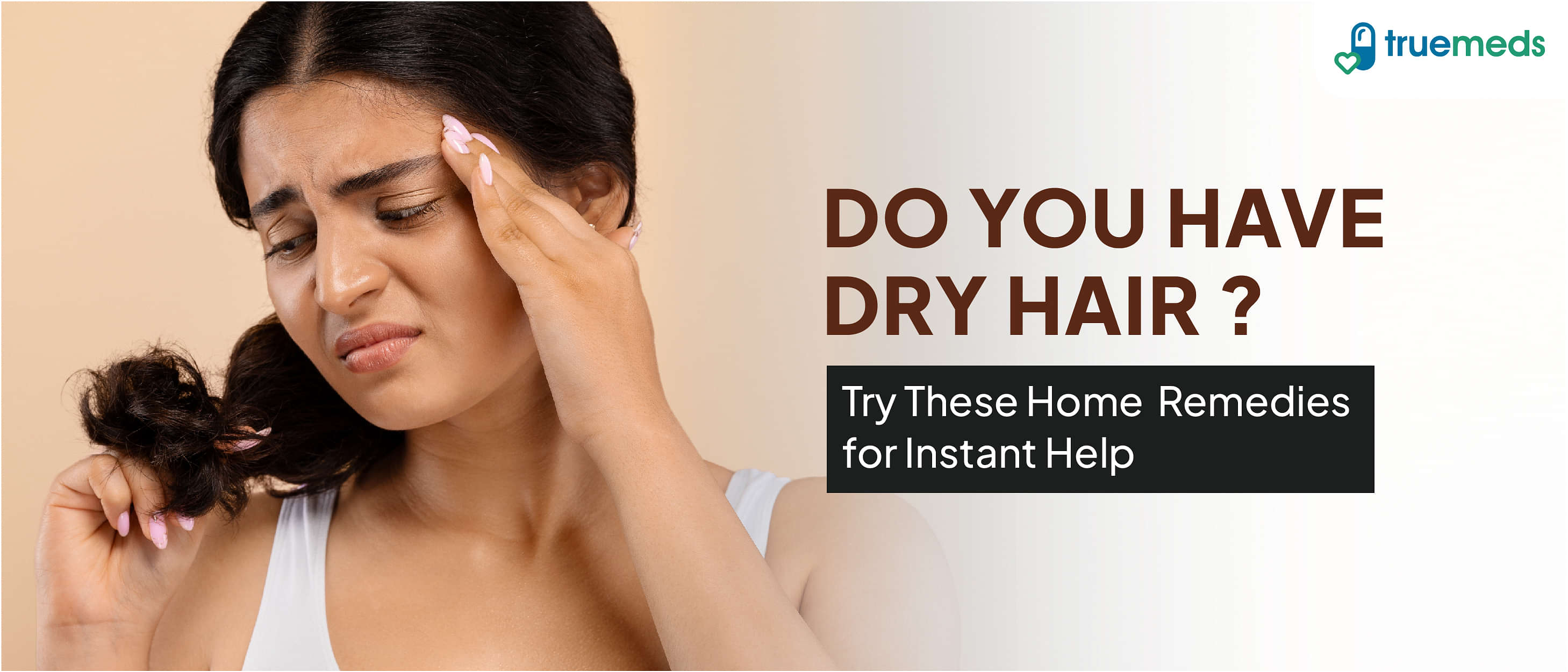
Dry hair is a common concern that can leave your locks feeling brittle, rough, and unmanageable due to a loss of natural moisture, or sebum. This loss is often due to a combination of lifestyle, chemical, and environmental factors. While effective home remedies may help restore hydration and manageability, it’s essential to understand the underlying cause. Globally, dry hair is a widespread complaint, often tied to cosmetic practices and environmental stress [1]. Let’s explore some of the common causes of dry hair.
What Causes Dry Hair?
Several factors can contribute to dry hair. These include:
- Excessive Hair Washing: Frequent shampooing can strip your hair of its natural oils, which are crucial for maintaining moisture. Adjusting washing frequency may help preserve natural scalp oils and prevent dryness.
- Heat Styling: Frequent use of heat styling tools such as hair dryers, straighteners, and curling irons can evaporate internal hair moisture and damage the protective outer layer (cuticle), leading to dryness [2].
- Sun Exposure: Prolonged ultraviolet (UV) exposure can degrade the hair’s protein structure (keratin), causing dryness and color fading, similar to its effect on the skin.
- Chlorinated Water: Swimming in chlorinated water can strip the hair’s sebum, potentially damaging the hair shaft.
- Health Conditions: Certain underlying medical conditions, such as hypothyroidism (underactive thyroid), anorexia nervosa, and Menkes disease, can manifest with dry, brittle hair. Consult a healthcare professional if you suspect an underlying condition.
- Environmental Factors: Low humidity, exposure to wind, and smoking may also contribute to dry hair by increasing water loss from the hair shaft [2].
10 Home Remedies To Help Manage Dry Hair
Dry hair can be frustrating, but several simple home remedies can help temporarily improve moisture and shine. Here are ten ways to manage dry hair:
Try Coconut Oil
Coconut oil’s molecular structure allows it to penetrate the hair shaft, helping to fill gaps in damaged hair and prevent protein loss, making it an excellent remedy for dry hair [3]. Massage a small amount of warm, fractionated coconut oil into your hair and scalp, leave it on for 30 minutes to an hour, and then rinse it out with a mild shampoo.
Use a Nourishing Hair Mask
Applying a natural hair mask can significantly improve hair texture. Blend one ripe banana (rich in potassium and moisture), 4 teaspoons of coconut oil, 1 teaspoon of vegetable glycerin, and 2 teaspoons of honey [4]. Apply this paste evenly to the hair, cover it for 30 minutes with a shower cap, and wash it off thoroughly.
Deep Condition with Oils
Deep conditioning treatments once a week with natural oils such as olive oil or coconut oil may help improve hair moisture and texture by coating the cuticle and reducing water evaporation.
Reduce Heat Styling
Minimise the use of high-heat tools. When you do use them, be sure to apply a scientifically proven heat protection product. Whenever possible, allow your hair to air dry completely to reduce thermal stress [2].
Use Essential Oils with Caution
Essential oils, such as peppermint or lavender, when diluted with a carrier oil (e.g., argan or jojoba oil), may help moisturize the scalp and improve the hair’s feel. Always perform a patch test for sensitivity before applying a new essential oil mixture to your scalp or hair, as they can cause irritation [5].
Incorporate Omega-3 Fatty Acids and Antioxidants
Consuming a diet rich in omega-3 fatty acids (found in fish like salmon, tuna, and sardines) and antioxidants (found in fruits and vegetables) may support overall hair health from within. These nutrients are vital for healthy cell membranes, including those in the hair follicle [6].
Consider Hair-Supporting Vitamins
If you have a diagnosed deficiency, certain vitamins and minerals, such as Iron, Zinc, and Biotin (Vitamin B7), may support healthy hair [7]. Consult a healthcare professional before starting any supplements, as excessive intake can also be harmful.
Rinse with Cooler Water
Switching to cooler or cold water for the final rinse can help seal the hair cuticle, potentially locking in moisture and adding temporary shine after using a shampoo and conditioner [2].
Wrap Hair Gently (Avoid Rubbing)
Instead of aggressively rubbing your hair with a rough towel, gently wrap it in a microfiber towel or a soft cotton T-shirt to absorb excess water.
Use a Silk Pillowcase
Using a silk or satin pillowcase can help reduce friction between your hair and the fabric while you sleep, which may minimise moisture loss and prevent cuticle damage and breakage [2].
Additional Tips to Prevent Dry Hair
Here are some more tips to help maintain healthy and moisturised hair:
- Avoid tight hairstyles: Avoid sleeping in tight hairstyles like high ponytails or buns, which can cause traction alopecia or hair breakage over time.
- Use a wide-tooth comb: Use a wide-tooth comb to detangle wet hair gently, as hair is most fragile when wet.
- Humidify: Especially in dry indoor environments or during winter, using a humidifier at night can help maintain moisture in the air, which may benefit both your skin and hair.
Conclusion
Managing dry hair can be effectively achieved through a combination of lifestyle adjustments and home remedies. By reducing heat styling, using gentle hair-washing techniques, and applying nourishing treatments such as natural oils and hair masks, you can significantly improve your hair’s moisture and overall health. Furthermore, adopting a balanced diet rich in essential nutrients can support healthier hair growth from within. Remember, consistency in your hair care routine is key. However, if dry hair persists or is accompanied by other symptoms like excessive hair loss or scalp irritation, it is highly recommended to consult a dermatologist to rule out any underlying health conditions.
Frequently Asked Questions (FAQs)
What is the best oil for very dry hair?
Coconut oil is often cited as one of the best oils for very dry hair because its small molecular size allows it to penetrate the hair shaft and help reduce protein loss [3]. Warm a small amount, apply it, leave it on for 20-30 minutes, and then rinse thoroughly.
How can I hydrate my hair at home?
You can hydrate your hair at home by using a natural humectant-rich mask. For instance, combine ½ cup of plain yogurt (for protein and lactic acid) with ¼ cup of olive oil and apply the mixture to damp hair. Leave it on for 15-20 minutes, and then rinse.
How can I fix my dry hair quickly at home?
Quick hair masks can help add temporary moisture. Mix a well-mashed banana (a humectant), a few drops of almond oil, and 1-2 tablespoons of plain yogurt or egg yolk and apply it to the hair. Leave it for 10-15 minutes and wash with mild shampoo and warm water.
What is the best way to prevent my hair from being dry?
To prevent your hair from drying, prioritise gentle care. Reduce your washing frequency, use sulfate-free or gentle shampoos, and consistently use a leave-in conditioner to help seal moisture.
How can I make my hair silky?
A shea butter or mild avocado oil mask can help make your hair silky. Massage a small amount of melted, unrefined shea butter or avocado oil into your dry hair, cover with a shower cap for 30 minutes, then shampoo and rinse thoroughly for a smoother feel.
How can I increase moisture in my hair?
A regular hot oil treatment can help increase moisture. Warm a carrier oil (like coconut or olive oil), massage it into your hair, cover it with a warm, damp towel (to help penetration), and leave it on for 30-45 minutes before shampooing.
References
[1] Trüeb, R. M. (2018). The impact of pollution on the hair. International Journal of Cosmetic Science, 40(6), 565–571. https://doi.org/10.1111/ics.12505
[2] Gavazzoni Dias, M. F. R. (2015). Hair cosmetics: An overview. International Journal of Trichology, 7(1), 2–15. https://doi.org/10.4103/0974-7753.153444
[3] Rele, A. S., & Mohile, R. B. (2003). Effect of mineral oil, sunflower oil, and coconut oil on prevention of hair damage. Journal of Cosmetic Science, 54(2), 175–192. https://pubmed.ncbi.nlm.nih.gov/12715094/
[4] Kaushik, V., Kumar, A., Gosvami, N. N., Gode, V., Mhaskar, S., & Kamath, Y. (2022). Benefit of Coconut‐Based Hair Oil via Hair Porosity Quantification. International Journal of Cosmetic Science, 44(6), 664–674. https://doi.org/10.1111/ics.12774
[5] Lin, T. K., Zhong, L., Santiago, J. L. (2017). Anti-inflammatory and skin barrier repair effects of topical application of some plant oils. International Journal of Molecular Sciences, 19(1), 70. https://doi.org/10.3390/ijms19010070
[6] Rushton, D. H. (2002). Nutritional factors and hair loss. Clinical and Experimental Dermatology: Clinical Dermatology, 27(5), 396–404. https://doi.org/10.1046/j.1365-2230.2002.01076.x
[7] Almohanna, H. M., Ahmed, A. A., Tsatalis, J. P., & Tosti, A. (2019). The Role of Vitamins and Minerals in Hair Loss: A Review. Dermatology and Therapy, 9(1), 51–70. https://doi.org/10.1007/s13555-018-0278-6













Disclaimer
Our healthcare experts have carefully reviewed and compiled the information presented here to ensure accuracy and trustworthiness. It is important to note that this information serves as a general overview of the topic and is for informational purposes only. It is not intended to diagnose, prevent, or cure any health problem. This page does not establish a doctor-patient relationship, nor does it replace the advice or consultation of a registered medical practitioner. We recommend seeking guidance from your registered medical practitioner for any questions or concerns regarding your medical condition.
Popular Articles


Recommended Articles



Recent Articles










Company
About UsHealth ArticleHealth StoriesHealth LibraryDiseases & Health ConditionsAyurvedaAll MedicinesAll BrandsNeed HelpFAQSecuritySubscribe
Registered Office Address
Grievance Officer
Download Truemeds


Contact Us
Our customer representative team is available 7 days a week from 9 am - 9 pm.
v4.9.0

2025 - Truemeds | All rights reserved. Our content is for informational purposes only. See additional information.

Our Payment Partners




