

- Medicines
- Personal Care
- Skin Cream
- Sunscreen
- Face Wash
- Skin and Body Soap
- Acne Care
- Body Lotions
- Moisturising Lotion
- Moisturising Cream
- Mosquito Repellent
- Moisturising Gel
- Body Wash
- Hair Oils
- Hair Shampoo
- Hair Conditioners
- Hair Supplements
- Hair Colour
- Hair Serum
- Hair Mask
- Hair Solutions
- Baby Diapers and Wipes
- Baby Lotion and Moisturising Cream
- Baby Bath Essentials
- Baby Skin Care
- Baby and Infant Food
- Baby Healthcare
- Women Multivitamins
- Ovulation Test Kit and Women Intimate Care
- Sanitary Pads
- Nutritional Drinks
- Condoms
- Lubricants
- Massage Gels
- Personal Body Massagers
- Men Performance Booster
- Sexual Health Supplements
- Massage Oils
- Ayurveda
- Tooth Paste
- Mouth Ulcer Gel
- Mouthwash
- Toothache and Gum Pain
- Tooth Brush
- Gargle Solution
- Orthopaedic Supports
- Adult Diapers
- Footwear
- Mobility and Support Accessories
- Urinary Support and Care
- Health Conditions
- Bone and Joint Care
- Digestive Care
- Eye Care
- Pain Relief
- Smoking Cessation
- Liver Care
- Stomach Care
- Cold and Cough
- Heart Care
- Kidney Care
- Piles, Fissures & Fistula
- Respiratory Care
- Mental Wellness
- Derma Care
- Pre and Probiotics
- Acidity
- Gas
- Constipation
- Loose Motion/Diarrhoea
- Digestive Fibres
- Digestive Enzymes
- Eye Lubricant Drops
- Lens Solution
- Safety Eye Wear
- Eye Cream
- Eye Vitamins and Supplements
- Eye Drops
- Eye Ointment and Gel
- Nicotine Patch
- Nicotine Gum
- Nicotine Lozenges
- Cough Syrups
- Chest Rubs and Balms
- Nasal Spray
- Lozenges
- Inhalant Capsules
- Cold and Cough Tablets
- Vitamins & Supplements
- Diabetes Care
- Healthcare Devices
- Homeopathic Medicine
- Health Guide
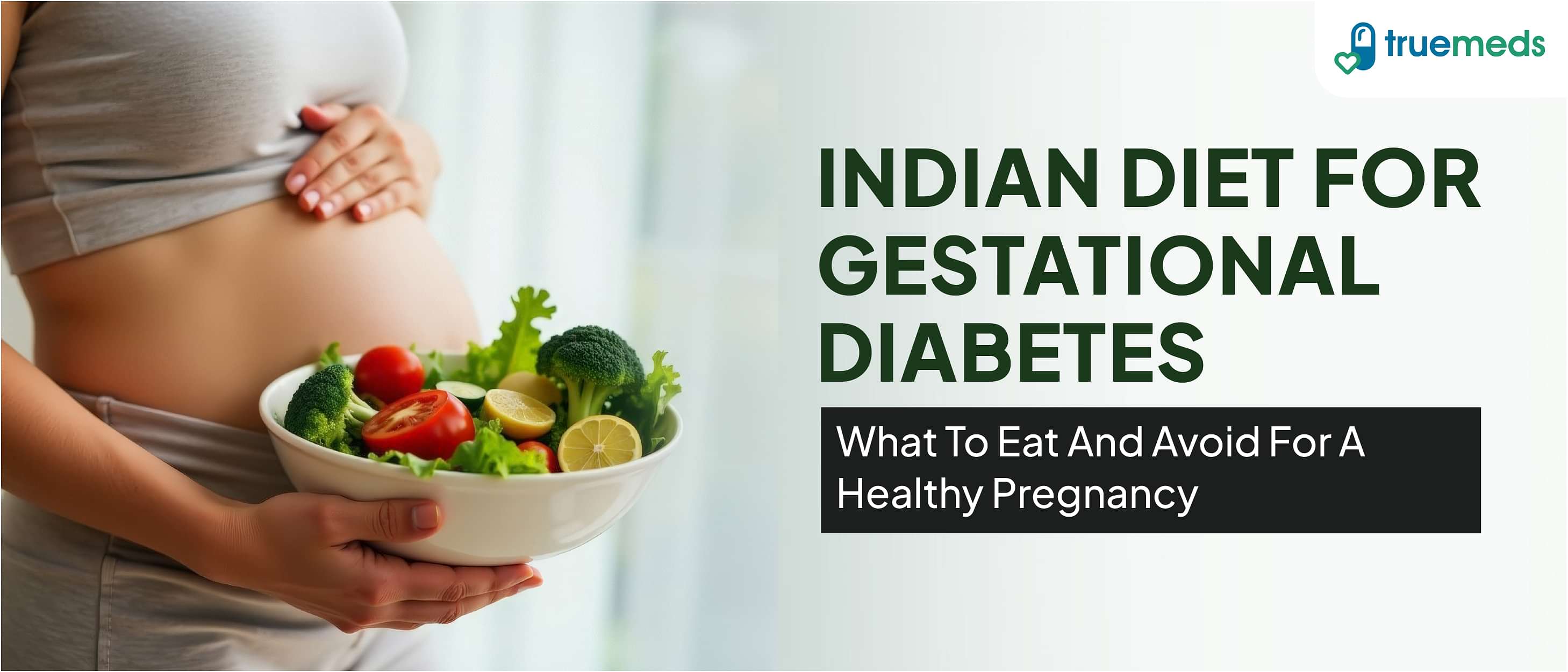
Healthy Indian Diet for Gestational Diabetes: What to Eat for a Safe and Nourished Pregnancy
Last updated on : 01 Dec, 2025
Read time : 17 min
Pregnancy is a beautiful and transformative journey, a time when a woman’s body nurtures new life with remarkable care. But alongside the joy comes the responsibility of closely monitoring health, especially when conditions like gestational diabetes mellitus (GDM) enter the picture.
Any health condition during pregnancy can ring alarm bells for the parents-to-be and their near and dear ones. The good news? One of the most effective ways to manage gestational diabetes is through intelligent, balanced dietary choices, and the traditional Indian diet, when modified correctly, can offer all the nutrition a pregnant woman needs while keeping blood sugar levels in check [1].
In this blog, we’ll provide a science-backed guide to a complete gestational diabetes diet plan for Indian mothers, covering essential nutrients and blood sugar-friendly ingredients as well as practical meal ideas, portion tips, and healthy snacking strategies.
Whether you’re craving roti, rice, dal, or vegetables, we’ll show you how to enjoy your favourites while supporting a safe and healthy pregnancy.
Understanding Gestational Diabetes
What is Gestational Diabetes?
Gestational diabetes mellitus (GDM) is a type of diabetes that develops during pregnancy, typically in the second or third trimester [2]. It is becoming increasingly common among Indian women, with reported prevalence rates that vary, but are often significantly higher than in Western populations [3]. While it usually resolves after childbirth, it increases the woman’s risk of developing type 2 diabetes later in life [4].
Suppose gestational diabetes is not managed properly during pregnancy. In that case, it can pose risks for both the mother and the baby, including high birth weight (macrosomia), complications during delivery, and increased chances of type 2 diabetes later in life [2].
When Does Gestational Diabetes Occur During Pregnancy?
Gestational diabetes usually develops around the end of the second trimester [2]. It is caused by hormonal changes, such as the increase in placental hormones, that affect insulin sensitivity, resulting in high blood sugar levels. It may present symptoms like increased thirst, excessive urination, and fatigue, though it often has no noticeable symptoms and is detected only through screening tests.
Globally and in India, gestational diabetes is becoming increasingly common, affecting a larger number of women each year. While there are several reasons why women develop gestational diabetes, including genetic and lifestyle factors, dietary changes can be effective in managing the condition and ensuring a healthy pregnancy.
How Does Gestational Diabetes Affect the Baby?
When a pregnant woman has gestational diabetes, it may impact the baby in several ways.
- It increases the baby’s risk of being born larger than average, weighing 9 pounds or more. This condition, known as macrosomia, can make the delivery process more challenging and may require a C-section [5].
- There is a higher likelihood of the baby being born prematurely, which may lead to respiratory and other complications [5].
- Low blood sugar (neonatal hypoglycemia) is another potential effect on the baby immediately after birth.
- There is an elevated risk of the child developing type 2 diabetes later in life, emphasising the importance of closely managing gestational diabetes during pregnancy [2].
Regular monitoring and appropriate interventions are essential to mitigate these potential risks for both the mother and the baby.
Best Indian Foods for Gestational Diabetes Management
Despite the high prevalence of gestational diabetes among Indians, pregnant women can safeguard themselves and their babies by adhering strictly to a diabetic diet. Adherence to a balanced meal plan may prevent any adverse effects of the condition and ensure a smooth pregnancy with a healthy newborn [1].
It is strongly recommended that you consult a qualified registered dietitian (RD) or a nutritionist for an individualized meal plan. Working with a professional is the best way to manage your blood sugar levels effectively.
Here are some recommended dietary guidelines you can follow during pregnancy:
1. Carbohydrates: Focus on Quality and Quantity
For those diagnosed with gestational diabetes, paying close attention to macronutrient intake is essential, with carbohydrates taking the lead. How carbohydrates are digested and absorbed can significantly increase blood glucose levels. It is crucial to keep track of the amount and type of carbohydrate intake to prevent postprandial hyperglycaemia (high blood sugar levels after a meal) [1].
Focus on complex carbohydrates with a low glycemic index (GI).
- Fruits: Incorporating certain fruits in moderate, controlled portions like berries (strawberries, blueberries), lemon, orange, guava, and green apple into your diet can help you meet your daily recommended vitamin C intake. These fruits, particularly those higher in fiber, also provide a healthier alternative to satisfy your sweet cravings.
- Whole Grains (Brown Rice and Alternatives): Brown rice is an ideal alternative to white rice. It offers a slightly lower glycemic index and is higher in fiber, vitamins, minerals, and antioxidants [6]. Adding moderate quantities of brown rice to your lunch or dinner is wise as part of a balanced gestational diabetes diet. Other excellent whole grain choices include broken wheat (daliya) and whole-wheat flour (atta) for chapatis.
- Grains, Vegetables, and Legumes: Incorporating a variety of veggies such as beans, peas, lentils, corn, spinach, and lettuce, along with whole-grain cereals like oats, millet (ragi, jowar, bajra), barley, quinoa, and sorghum, is highly beneficial for the regulation of blood sugar levels while providing crucial nutrition to support a healthy pregnancy. These foods are packed with soluble and insoluble fibre and boast a low glycemic index, which promotes steady blood sugar release and helps prevent constipation, a common pregnancy complaint. By adding veggies, grains, and legumes to your gestational diabetes diet, you’re benefiting yourself and your growing baby.
2. Protein: Essential for Growth
A higher protein intake is needed throughout pregnancy, as it serves a crucial purpose in the development of maternal components such as the blood, uterus, and breasts, as well as the growth of the foetus and placental tissues [7].
- Dry Beans and Lentils (Dals): Incorporating red chana, rajma beans, chickpeas, and brown, green, and red lentils into your gestational diabetes diet provides essential nutrients like fibre, folate, and iron, which are beneficial for managing gestational diabetes.
- Paneer, Soy Chunks, and Tofu: Paneer and Soy are two nutrient-rich foods widely consumed. Apart from being delicious, these foods offer a host of well-documented health benefits. These are excellent sources of protein which helps slow down the absorption of carbohydrates in a meal. Soy, in particular, is rich in isoflavones, which may offer cardiovascular benefits [8].
- Eggs: Eggs are an excellent and versatile source of high-quality protein. They are naturally very low in carbohydrates and can be a great addition to your gestational diabetes diet. The egg white contains more protein, while the yolk contains healthy fats and essential micronutrients that do not significantly affect blood sugar levels. Additionally, with their low glycemic index, eggs are an excellent choice for those who want to avoid sudden blood sugar spikes.
- Fish: The nutritional value of fish and seafood is significant. These aquatic delights are teeming with protein and are incredibly lean sources of sustenance. Moreover, fatty fishes like sardines, mackerel, herring, salmon and trout are rich in DHA and EPA, a type of omega-3 fatty acid, which may enhance cognitive function and bolster brain health, especially in pregnant women [9]. Always choose low-mercury fish and cook thoroughly [10].
3. Healthy Fats: For Brain and Cell Development
It is crucial not to eliminate fats and oils from your diet, as they are necessary for your baby’s brain and central nervous system development [11]. The focus should be on choosing healthy, unsaturated fats and moderating total fat intake.
- Healthy Oils: Opt for healthy oils, including olive, peanut, and canola oil.
- Nuts and Seeds: Almonds, walnuts, peanuts, and various seeds (flaxseeds, chia seeds) are packed with vital nutrients, including proteins and healthy fats, which aid in improving heart health. For those with gestational diabetes, nuts make for an ideal snack as they have low carbohydrate content and high amounts of protein, fibre, and healthy fats, essential for maintaining a healthy diet.
- Avocado: Avocado is a delicious fruit with healthy monounsaturated fats and essential vitamins. It is low in complex carbs and has a low glycemic index. Additionally, this fruit has been found to have satiating properties, helping people feel fuller for extended periods without consuming too many calories.
Indian Foods to Limit or Avoid If You Have Gestational Diabetes
While various foods can be enjoyed in moderation, it is advisable to strictly limit or avoid sugary treats and simple carbohydrates which cause rapid blood sugar spikes.
Here are some foods and beverages you should avoid when dealing with gestational diabetes:
- Sugar-Sweetened Beverages: If you have gestational diabetes, it’s best to avoid sugar-sweetened beverages like soda, punch, and sugar-added juices. These drinks can cause a sudden spike in blood sugar levels right after consumption and offer very little nutritional value. Choose healthier alternatives such as drinking water, unsweetened tea, or plain coffee to satisfy your thirst.
- Sweets and Desserts: Like sugary drinks, it’s best to limit your intake of traditional Indian sweets (mithai), candy, ice cream, cake, doughnuts, and other baked treats. If you plan for an indulgence, it must be infrequent, small in portion size, and factored into your total carbohydrate count for the day. If you consume extra carbohydrates, engaging in low-impact activities that your healthcare provider has approved is a good idea, as physical activity helps your body process the glucose more effectively.
- Refined and Starchy Foods: Research has shown that starchy foods high in refined carbohydrates have the potential to increase blood sugar levels rapidly. These foods include white rice, white bread, potatoes (especially deep-fried or mashed), white pasta, naans, and overly ripe bananas. To maintain a healthy blood sugar level, it is recommended to monitor food intake closely. Limiting the consumption of foods with exceptionally high starch content and a higher glycemic index is advisable.
- Alcohol: Women who are pregnant need to abstain from drinking alcohol completely [10]. It is crucial for those who have been diagnosed with gestational diabetes. Even a tiny amount of alcohol can adversely affect the development of a growing fetus. It’s vital to prioritise the health and well-being of the baby and avoid any potential risks associated with alcohol consumption during pregnancy.
- Processed and Fried Food: Expectant mothers need to be mindful of their food choices and steer clear of junk food in any form. It’s best to avoid the temptation of burgers, pizzas, and pasta, as they are high in calories and barely nutritional. Additionally, frequent consumption of fried food before pregnancy is associated with a higher risk of developing GDM [12]. These foods are also loaded with unhealthy fats that can hinder healthy weight gain and blood sugar control. Instead, choose healthy and nutritious options such as eggs, fish, leafy greens, tofu, yoghurt, whole grains, and nuts to ensure a balanced and healthy diet during pregnancy.
Consult your healthcare provider or a registered dietitian to customise a diet plan according to your specific needs and preferences. They will offer personalised guidance and help you make the necessary adjustments to manage your gestational diabetes effectively.
Management of Gestational Diabetes
The management of gestational diabetes involves a comprehensive approach to ensure the well-being of both the mother and the baby. It typically includes maintaining a balanced diet, monitoring blood sugar levels regularly, engaging in physical activity, and attending regular prenatal check-ups [1].
Core Pillars of GDM Management
- Dietary Adjustments: A healthy diet focuses on whole foods, strict portion control, and avoiding sugary and processed foods.
- Physical Activity: Regular, moderate exercise helps improve insulin sensitivity and promotes overall health. The recommendation is typically at least 30 minutes of moderate-intensity exercise most days of the week, with your doctor’s approval [13].
- Blood Sugar Monitoring: Monitoring blood sugar levels helps track the effectiveness of the management plan and allows for prompt intervention if targets are not met.
- Prenatal Check-ups: Regular check-ups allow healthcare providers to assess progress, provide guidance, and make necessary adjustments to ensure the best health outcomes for the mother and the baby.
If the blood sugar levels do not stabilise 1 to 2 weeks after making the above lifestyle and dietary changes or if they are very high when diagnosed, the healthcare provider may recommend oral medications (like Metformin) or insulin injections [1]. It is common to find blood sugar levels rising as the pregnancy advances. So it is advisable to follow your doctor’s advice thoroughly.
Essential Lifestyle Tips to Manage Gestational Diabetes
Managing gestational diabetes effectively is essential for your health and your baby’s well-being. If you have been diagnosed, it is essential to know that your risk of developing type 2 diabetes later in life may be higher [4]. Regular postpartum testing and continuous follow-up with your healthcare provider are crucial.
Here are key tips to help you stay healthy and manage gestational diabetes naturally:
- Follow a Personalized, Diabetes-Friendly Diet: Create a meal plan that includes complex carbohydrates (like whole grains), high-fibre vegetables, lean proteins, and healthy fats. A well-balanced Indian diet tailored to blood sugar control is essential to avoid spikes and crashes.
- Monitor Your Blood Sugar Levels Consistently: Track your glucose levels consistently using a glucometer. Keeping a diary of your readings, meals, activities, and sleep patterns may help you identify triggers and make informed lifestyle adjustments.
- Get Regular, Moderate Exercise (Doctor Approved): Physical activity during pregnancy helps improve insulin sensitivity and keeps blood sugar levels stable. Simple exercises such as brisk walking, prenatal yoga, stationary cycling, or even dancing can be highly effective. Aim for moderate activity at least five days a week, with your doctor’s approval.
- Keep Yourself Well-Hydrated: Proper hydration is key for blood sugar regulation. Aim to drink at least 8–10 glasses of plain water daily to support kidney function and flush out excess glucose. Avoid sugary drinks.
- Prioritise Quality Sleep: Poor sleep may disrupt hormone levels and worsen insulin resistance. Establish a relaxing sleep routine. Aim for 7–8 hours of restful sleep each night to support metabolic health and emotional well-being.
- Maintain a Healthy Pregnancy Weight: Gaining the recommended amount of weight during pregnancy — and returning to a healthy weight after delivery — may significantly reduce your risk of developing type 2 diabetes later.
- Take Medications If Prescribed: Despite best efforts with diet and exercise, some women may need insulin or other medications during pregnancy to maintain optimal blood sugar levels. Never stop or start medication without your doctor’s explicit instruction.
Takeaway
The well-being of expectant mothers diagnosed with gestational diabetes depends on adopting a balanced and nutritious diet coupled with appropriate physical activity and blood sugar monitoring. Meal planning and portion control are crucial to balancing carbohydrate intake and preventing blood sugar spikes. The Indian diet offers a wide variety of whole grains, pulses, and vegetables that may help manage blood sugar levels while providing all the necessary nutrients for a healthy pregnancy.
With the proper knowledge and expert guidance, women with gestational diabetes can enjoy a balanced and fulfilling Indian gestational diabetes diet during their pregnancy. It is highly recommended to consult with a registered dietitian or healthcare provider to create an individualised meal plan that meets their specific nutritional and health needs.
Disclaimer
The content provided within this article is for informational purposes only. It is not a substitute for professional medical advice, diagnosis, or treatment. We advise consulting a healthcare professional, such as a Registered Dietitian or an Endocrinologist, before utilising any medication, dietary supplements, or making significant dietary changes mentioned herein.
Frequently Asked Questions (FAQs)
What is a good breakfast for gestational diabetes?
A good breakfast for gestational diabetes may include whole-grain oatmeal (without added sugar) with nuts and berries, eggs or egg whites with vegetables, or whole-grain cereal with low-fat milk. Choosing foods that are low in added sugars and high in fibre and protein is essential.
Are bananas good for gestational diabetes?
Bananas can be included in a gestational diabetes diet, but portion control is critical as they contain natural sugars. Eating a small to moderate-sized banana as part of a balanced meal or snack (e.g., paired with a protein source like nuts or paneer) can be a suitable choice. Always consult your nutritionist and doctor.
Is chapati good for gestational diabetes?
Yes, chapati can be a good option for gestational diabetes, provided they are made from 100% whole wheat flour (atta). Compared to refined flour, whole wheat flour has a lower glycemic index, indicating that it may positively impact the regulation of blood sugar levels. Limit the number of chapatis per meal based on your diet plan.
Can I eat idlis during gestational diabetes?
Idli, a traditional South Indian steamed rice and lentil cake, can be included in a gestational diabetes diet. It is generally healthier than deep-fried snacks. To better manage blood sugar, pair it with a high-protein sambar or chutney and limit the portion size, as rice is the primary ingredient.
Can I eat ghee with gestational diabetes?
Ghee, or clarified butter, should be consumed in very limited moderation during gestational diabetes. It is high in saturated fats, so limiting its intake and focusing on healthier fat sources such as olive oil or avocado is advisable.
What are the warning signs of gestational diabetes?
Warning signs of gestational diabetes may include frequent urination, excessive thirst, fatigue, blurred vision, and recurring infections (e.g., skin or urinary tract). Consulting a healthcare professional for an accurate diagnosis is essential, as the condition often presents with no obvious symptoms.
Can I drink milk during pregnancy with diabetes?
Drinking milk can be part of a gestational diabetes diet, but it’s essential to choose low-fat or skim milk and consider portion sizes. Milk contains lactose (a natural sugar/carbohydrate), so monitoring and balancing blood sugar levels with other foods is necessary.
What time should people with diabetes stop eating at night?
The time to stop eating at night can vary for individuals with diabetes. Generally, having dinner at least 2-3 hours before bedtime is recommended to allow for proper digestion and blood sugar regulation. However, it’s best to consult a healthcare provider or registered dietitian for personalised advice.
How can I reduce my sugar intake during pregnancy?
Strictly limiting or eliminating all added sugars is the best way. This involves monitoring carbohydrate intake, opting for complex carbs, incorporating lean proteins, and staying physically active. Focus on whole, unprocessed foods. Regular consultation with a healthcare professional is essential for personalised guidance.
References
[1] U.S. National Library of Medicine. (2022, February 2). Gestational diabetes diet. MedlinePlus Medical Encyclopedia. https://medlineplus.gov/ency/article/007430.html
[2] Centers for Disease Control and Prevention. (2023, June 13). Gestational diabetes and pregnancy. https://www.cdc.gov/pregnancy/diabetes-gestational.html
[3] Hazarika, P., Hazarika, N. C., Kanti, R., & Bhuyan, R. (2021). Prevalence of gestational diabetes mellitus and associated risk factors in a tertiary care hospital of North East India: a prospective study. Journal of Clinical and Diagnostic Research, 15(2). https://doi.org/10.7860/JCDR/2021/45802.14490
[4] National Institute of Diabetes and Digestive and Kidney Diseases (NIDDK). (2017, June 1). Gestational diabetes. U.S. Department of Health and Human Services. https://www.niddk.nih.gov/health-information/diabetes/types/gestational
[5] National Center for Biotechnology Information (NCBI). (2023, April 20). Gestational diabetes: Overview. StatPearls Publishing. https://www.ncbi.nlm.nih.gov/books/NBK293712/
[6] Centers for Disease Control and Prevention. (2022, November 28). Diabetes meal planning. https://www.cdc.gov/diabetes/managing/eat-well/meal-plan-method.html
[7] Elango, R., & Ball, R. O. (2016). Protein and amino acid requirements during pregnancy. Advances in Nutrition, 7(4), 839S–846S. https://doi.org/10.3945/an.115.011812
[8] Jenkins, D. J. A., et al. (2015). The metabolic effects of a soy protein-based diet in comparison with a dairy protein-based diet in subjects with Type 2 diabetes. Nutrition, Metabolism and Cardiovascular Diseases, 25(2), 167–174. https://doi.org/10.1016/j.numecd.2014.09.006
[9] Coletta, J. M., Bell, S. J., & Roman, A. S. (2010). Omega-3 fatty acids and pregnancy. Reviews in Obstetrics and Gynecology, 3(4), 163–171.https://www.acog.org/womens-health/faqs/exercise-during-pregnancy
[10] American Academy of Family Physicians (AAFP). (2003). Gestational diabetes and nutrition. https://www.aafp.org/pubs/afp/issues/2003/1101/p1775.html
[11] Holesh, J. E., Martin, A., & Aslam, S. (2023). Physiology, Carbohydrates. National Library of Medicine; StatPearls Publishing. https://www.ncbi.nlm.nih.gov/books/NBK459280/
[12] Bao, W., Tobias, D. K., Olsen, S. F., & Zhang, C. (2014). Pre-pregnancy fried food consumption and the risk of gestational diabetes mellitus: a prospective cohort study. Diabetologia, 57(12), 2485–2491. https://doi.org/10.1007/s00125-014-3382-x
[13] American College of Obstetricians and Gynecologists (ACOG). (2020). Exercise during pregnancy. Retrieved from https://www.acog.org/womens-health/faqs/exercise-during-pregnancy














Disclaimer
Our healthcare experts have carefully reviewed and compiled the information presented here to ensure accuracy and trustworthiness. It is important to note that this information serves as a general overview of the topic and is for informational purposes only. It is not intended to diagnose, prevent, or cure any health problem. This page does not establish a doctor-patient relationship, nor does it replace the advice or consultation of a registered medical practitioner. We recommend seeking guidance from your registered medical practitioner for any questions or concerns regarding your medical condition.
Popular Articles



Recommended Articles



Recent Articles









Company
About UsHealth ArticleHealth StoriesHealth LibraryDiseases & Health ConditionsAyurvedaUnderstanding Generic MedicinesAll MedicinesAll BrandsNeed HelpFAQSecuritySubscribe
Registered Office Address
Grievance Officer
Download Truemeds


Contact Us
Our customer representative team is available 7 days a week from 9 am - 9 pm.
v4.11.1

2026 - Truemeds | All rights reserved. Our content is for informational purposes only. See additional information.

Our Payment Partners