

- Medicines
- Personal Care
- Skin Cream
- Sunscreen
- Face Wash
- Skin and Body Soap
- Acne Care
- Body Lotions
- Moisturising Lotion
- Moisturising Cream
- Mosquito Repellent
- Moisturising Gel
- Body Wash
- Hair Oils
- Hair Shampoo
- Hair Conditioners
- Hair Supplements
- Hair Colour
- Hair Serum
- Hair Mask
- Hair Solutions
- Baby Diapers and Wipes
- Baby Lotion and Moisturising Cream
- Baby Bath Essentials
- Baby Skin Care
- Baby and Infant Food
- Baby Healthcare
- Women Multivitamins
- Ovulation Test Kit and Women Intimate Care
- Sanitary Pads
- Nutritional Drinks
- Condoms
- Lubricants
- Massage Gels
- Personal Body Massagers
- Men Performance Booster
- Sexual Health Supplements
- Massage Oils
- Ayurveda
- Tooth Paste
- Mouth Ulcer Gel
- Mouthwash
- Toothache and Gum Pain
- Tooth Brush
- Gargle Solution
- Orthopaedic Supports
- Adult Diapers
- Footwear
- Mobility and Support Accessories
- Urinary Support and Care
- Health Conditions
- Bone and Joint Care
- Digestive Care
- Eye Care
- Pain Relief
- Smoking Cessation
- Liver Care
- Stomach Care
- Cold and Cough
- Heart Care
- Kidney Care
- Piles, Fissures & Fistula
- Respiratory Care
- Mental Wellness
- Derma Care
- Pre and Probiotics
- Acidity
- Gas
- Constipation
- Loose Motion/Diarrhoea
- Digestive Fibres
- Digestive Enzymes
- Eye Lubricant Drops
- Lens Solution
- Safety Eye Wear
- Eye Cream
- Eye Vitamins and Supplements
- Eye Drops
- Eye Ointment and Gel
- Nicotine Patch
- Nicotine Gum
- Nicotine Lozenges
- Cough Syrups
- Chest Rubs and Balms
- Nasal Spray
- Lozenges
- Inhalant Capsules
- Cold and Cough Tablets
- Vitamins & Supplements
- Diabetes Care
- Healthcare Devices
- Homeopathic Medicine
- Health Guide
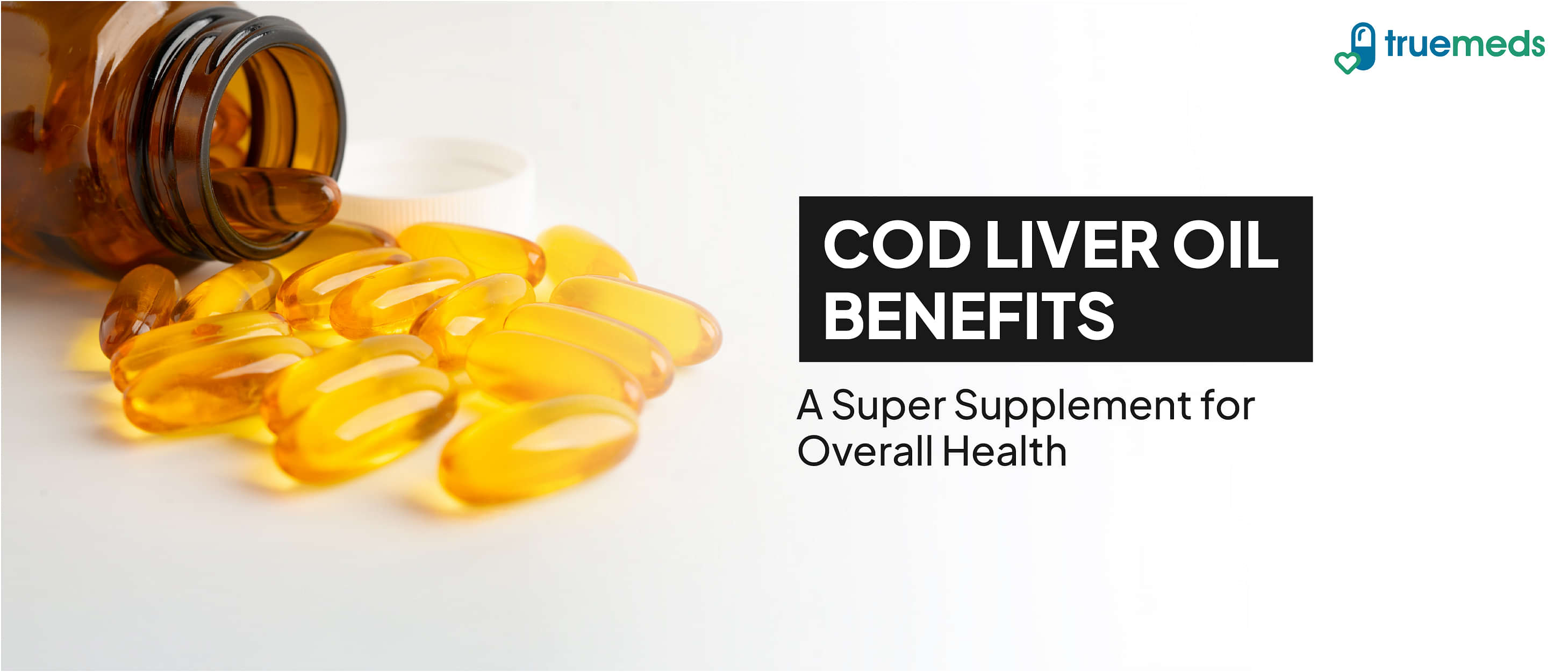
10 Potential Health Benefits of Cod Liver Oil
Last updated on : 30 Nov, 2025
Read time : 11 min
Cod liver oil (CLO), an age-old supplement derived from the liver of Atlantic cod (Gadus morhua), has been traditionally used as a source of essential nutrients, including beneficial omega-3 fatty acids and fat-soluble vitamins A and D. This article explores its nutritional content, historical use, and critically important considerations for safe consumption to help you make an informed decision by examining the scientific evidence [1], [2].
Understanding Cod Liver Oil: Composition and Production
Cod liver oil is a nutrient-rich supplement derived from the liver of the Atlantic cod. The liver of these fish is particularly rich in essential nutrients, including the long-chain omega-3 fatty acids, specifically eicosapentaenoic acid (EPA) and docosahexaenoic acid (DHA), as well as fat-soluble vitamins A and D.
Cod livers are typically steamed or gently heated to extract the oil, which is then purified to ensure safety and nutrient retention. This meticulous production process preserves the valuable nutrients found naturally in the cod liver, making it a potent source of health-promoting compounds. As a dietary supplement, CLO has been studied extensively for its potential to complement a healthy diet and lifestyle, particularly in individuals with low intake of its key nutrients [1], [3].
10 Potential Health Benefits of Cod Liver Oil
As a significant source of vitamins A and D and omega-3 fatty acids, CLO has been investigated for its potential effects on human physiology. While research continues, studies suggest it may have several potential roles in the body.
1. Rich Source of Vitamins A and D
A standard 5 mL (1 teaspoon) serving of CLO typically provides 150% of the Daily Value (DV) for Vitamin A and 56% of the DV for Vitamin D, though values vary by product [4]. Vitamin A contributes to vision, immune system function, and cellular processes, while vitamin D plays a crucial role in calcium absorption and bone maintenance (Hernigou, et al., 2019) [5]. These nutrients are key in helping prevent deficiencies in populations at risk of low intake, such as those with limited sun exposure or dietary restrictions [2].
2. Potential Anti-Inflammatory Properties
Chronic inflammation is a silent driver of many diseases. Cod liver oil contains omega-3 fatty acids (EPA and DHA), which are known for their anti-inflammatory properties by suppressing pro-inflammatory molecules like leukotriene B4 and altering eicosanoid balance [6], [7]. Research suggests they may play a role in moderating inflammatory responses in the body, which could have implications for conditions associated with chronic inflammation, including cardiovascular and joint conditions [8].
3. Bone Health Support
Cod liver oil is a good source of vitamin D, which plays a crucial role in maintaining strong and healthy bones. Vitamin D helps the body absorb calcium, a necessary mineral for bone health, thereby reducing the risk of bone softening and age-related conditions like osteoporosis [5]. For individuals with low sunlight exposure, CLO supplementation may be especially valuable in maintaining adequate Vitamin D status, a key factor in bone density [9].
4. Joint Health Considerations
Cod liver oil has been used for centuries as a complementary therapy to help alleviate symptoms of inflammatory arthritis, such as joint pain and stiffness. The omega-3 fatty acids found in this oil possess anti-inflammatory properties that can help reduce inflammation in the joints. Clinical studies suggest that regular CLO intake may lead to a reduction in the required dosage of non-steroidal anti-inflammatory drugs (NSAIDs) for patients with rheumatoid arthritis, demonstrating an NSAID-sparing effect [10], [11].
5. Support for Eye Health
The vitamin A in cod liver oil supports vision health and is essential for the function of the retina [4]. This essential vitamin may reduce the risk of conditions such as night blindness and corneal dryness [12]. Additionally, omega-3 fatty acids, particularly DHA, are highly concentrated in the retina, and while observational studies show a protective effect against age-related macular degeneration (AMD), large randomized controlled trials have yielded mixed or inconclusive results on slowing progression [13], [14].
6. Supports Heart Health
The omega-3 fatty acids (EPA and DHA) found in CLO are renowned for their beneficial effects on heart health. These healthy fats have been clinically shown to help lower triglyceride levels and may modestly improve HDL cholesterol in the blood, which can contribute to a lower risk of developing heart disease [8]. Additionally, omega-3s can inhibit platelet aggregation, potentially preventing the formation of blood clots that can lead to serious cardiovascular events [15]. This potential ‘blood-thinning’ effect necessitates careful consideration for individuals on anticoagulant medication.
7. Possible Role in Mental Health
Cod liver oil, with its rich omega-3 fatty acid content, may help improve mental health by reducing symptoms of anxiety and depression. The anti-inflammatory effects of EPA and DHA are thought to modulate brain function and neurotransmitter pathways [16]. Epidemiological studies have suggested an inverse association between CLO consumption and depressive symptoms in the general population [17].
8. Digestive Health Modulation
Limited, early evidence suggests that omega-3 fatty acids could play a role in modulating inflammation in the digestive tract. While direct, specific studies on CLO’s impact on conditions like Inflammatory Bowel Disease (IBD) are not definitive, the general anti-inflammatory mechanism of EPA and DHA suggests a potential, though not fully proven, benefit in supporting gut health [18].
9. Contribution to Skin Health
Cod liver oil’s omega-3 fatty acids may help improve skin health by reducing inflammation. Omega-3s are known to be beneficial for inflammatory skin issues like acne and eczema, as they modulate inflammatory mediators in the skin [19]. The overall anti-inflammatory properties of CLO can support general skin health by reducing redness and irritation.
10. Supports Cognitive Function
Cod liver oil contains essential omega-3 fatty acids, particularly EPA and DHA, which are crucial for maintaining brain health. DHA is a major structural component of brain cell membranes [20]. These fatty acids support cognitive function by promoting neuronal health and possibly helping prevent age-related cognitive decline. While observational data is promising, more robust clinical evidence is needed to confirm a strong preventative role of CLO supplementation in significant cognitive decline in healthy adults [20].
Safety and Considerations
While cod liver oil offers numerous potential health benefits, it is crucial to be aware of potential side effects and take necessary precautions due to its high content of fat-soluble vitamins [4].
- Risk of Vitamin A Toxicity (Hypervitaminosis A): Excessive intake can cause nausea, headaches, dizziness, and more seriously, liver damage and central nervous system toxicity. The Upper Tolerable Intake Level (UL) for Vitamin A for most adults is 3,000 mcg RAE daily [4].
- Risk of Vitamin D Toxicity (Hypercalcemia): High doses may lead to hypercalcemia (excessive calcium in the blood), affecting kidney function and causing weakness, nausea, and frequent urination. The UL for Vitamin D for most adults is 100 mcg (4,000 IU) daily [2].
- Increased Bleeding Risk: Overconsumption of omega-3 fatty acids can increase bleeding risk, especially when taken with anticoagulant or antiplatelet medications (blood thinners) such as warfarin, aspirin, or clopidogrel [15], [21]. Consult your doctor or pharmacist immediately if you are on blood-thinning medication.
- Dosage: Always follow the manufacturer’s recommended dosage or, ideally, follow your doctor’s advice. Never exceed the safe upper limits for Vitamins A and D from all sources (diet and supplements).
- Purity: Opt for high-quality, purified supplements that have been molecularly distilled and third-party tested to minimise exposure to environmental contaminants like heavy metals (e.g., mercury) and PCBs [2].
Conclusion
Cod liver oil is a valuable source of omega-3 fatty acids and fat-soluble vitamins A and D, offering a wide range of potential health benefits, from reducing inflammation and potentially supporting heart health to promoting strong bones and enhancing brain and eye function. However, due to the concentration of Vitamin A and D, and the potential for increased bleeding risk, careful dosage and consultation with a healthcare provider are essential. It is crucial to use it responsibly by strictly adhering to recommended dosages and always consulting with a doctor or pharmacist to ensure safe and effective use tailored to your individual health needs. When used responsibly under medical guidance, cod liver oil can contribute to overall vitality as a dietary complement.
Frequently Asked Questions (FAQs)
What are the key benefits of cod liver oil?
CLO is a rich source of vitamins A and D, as well as omega-3 fatty acids (EPA and DHA), which may support heart, brain, and joint health while reducing inflammation [3].
Can cod liver oil help with joint pain?
Yes, the omega-3 fatty acids in CLO have anti-inflammatory properties that may help alleviate joint pain and stiffness associated with inflammatory conditions like rheumatoid arthritis, often used as a complementary treatment to reduce the need for certain medications [10].
Are there any side effects of cod liver oil?
High doses of CLO may cause nausea, diarrhoea, or, more seriously, Vitamin A and D toxicity. Toxicity can lead to liver damage and hypercalcemia. It is crucial to consult a doctor before using any cod liver oil supplements [4].
How long does it take to see results from cod liver oil supplementation?
Some effects, such as reduced joint pain, may be noticeable within 4 to 12 weeks of consistent use, while major benefits for heart and bone health often requires months of consistent use alongside lifestyle changes [1].
Disclaimer
This article is for informational purposes only and is written by a healthcare professional (a Pharmacist), but it is not a substitute for personalized professional medical advice, diagnosis, or treatment. Please always consult a healthcare provider (e.g., your physician or pharmacist) before beginning any new wellness practice, especially if you have an existing medical condition or are on medication.
References
[1] Lentjes, M., Welch, A., Mulligan, A., Luben, R., Wareham, N., & Khaw, K. (2014). Cod liver oil supplement consumption and health: Cross-sectional results from the EPIC-Norfolk cohort study. Nutrients, 6(10), 4320–4337. https://doi.org/10.3390/nu6104320
[2] U.S. National Library of Medicine. (2024). Cod liver oil: MedlinePlus supplements. MedlinePlus. https://medlineplus.gov/druginfo/natural/1040.html
[3] Mal, M., Kumar, A., Meraj, A., Devi, A., Mañego, A. M. B., Anjum, Z., Naz, S., Jamil, A., Fatima, A., & Kumar, B. (2021). Role of cod liver oil in preventing myocardial infarction. Cureus, 13(7), e16067. https://doi.org/10.7759/cureus.16067
[4] Healthline. (2023). 9 science-backed benefits of cod liver oil. https://www.healthline.com/nutrition/9-benefits-of-cod-liver-oil
[5] Hernigou, P., Auregan, J. C., & Dubory, A. (2019). Vitamin D: part II; cod liver oil, ultraviolet radiation, and eradication of rickets. International Orthopaedics, 43(3), 735–749. https://doi.org/10.1007/s00264-019-04288-z
[6] Consensus. (n.d.). What is cod liver oil mechanism of action? https://consensus.app/search/what-is-cod-liver-oil-mechanism-of-action/jfXOlsqjTnmrbvGiHdd9OQ/
[7] Serhan, C. N., & Chiang, N. (2008). Endogenous pro-resolving and anti-inflammatory lipid mediators: a new pharmacologic genus. British Journal of Pharmacology, 153(S1), S200-S215. https://doi.org/10.1038/sj.bjp.0707571
[8] Lalia, T., Al-Agha, S. O., Al-Bader, M. A., & Al-Tawari, I. (2023). Effects of omega-3 polyunsaturated fatty acids on blood lipids and cardiovascular disease risk factors in Kuwaiti adults: A randomized, double-blind, placebo-controlled clinical trial. Journal of Clinical Lipidology, 17(2), 244-254. https://doi.org/10.1016/j.jacl.2022.12.016
[9] Holick, M. F. (2007). Vitamin D deficiency. The New England Journal of Medicine, 357(3), 266–281. https://doi.org/10.1056/NEJMra070553
[10] Little, C. V., et al. (2002). Cod liver oil as an adjunct to non-steroidal anti-inflammatory drug treatment in the management of osteoarthritis: a pilot study. Rheumatology, 41(12), 1450-1454. https://doi.org/10.1093/rheumatology/41.12.1450
[11] Gupta, V. K., Khan, Z. Y. Z., & Ahmad, M. (2013). The concomitant consumption of cod liver oil causes a reduction in the daily diclofenac sodium usage in rheumatoid arthritis patients: A pilot study. Journal of Clinical and Diagnostic Research : JCDR, 7(8), 1683–1686. https://doi.org/10.7860/JCDR/2013/6266.3126
[12] D’Souza, B., Bhalerao, S., & Gursale, R. (2020). The role of vitamin A in vision, ocular surface and its deficiency: An overview. Journal of Clinical Ophthalmology and Research, 8(1), 1-6. https://doi.org/10.4103/jcor.jcor_59_19
[13] Souied, E. H., et al. (2023). Omega-3 fatty acids for age-related macular degeneration. The Cochrane Database of Systematic Reviews, 2023(1). https://doi.org/10.1002/14651858.CD010015.pub3
[14] Lawrenson, J. G., et al. (2015). Omega 3 fatty acids for preventing or slowing the progression of age‐related macular degeneration. The Cochrane Database of Systematic Reviews, 2015(4). https://doi.org/10.1002/14651858.CD010015.pub3
[15] Cleveland Clinic. (2024). Omega-3 fatty acids & the important role they play. https://my.clevelandclinic.org/health/articles/17290-omega-3-fatty-acids
[16] Bloch, M. H., & Hannestad, J. (2012). Omega-3 fatty acids for the treatment of depression: a systematic review and meta-analysis. Molecular Psychiatry, 17(12), 1272–1282. https://doi.org/10.1038/mp.2011.100
[17] Sontrop, J. M., et al. (2019). Cod liver oil and depressive symptoms: a population-based cohort study. Public Health Nutrition, 22(16), 2959-2968. https://doi.org/10.1017/S136898001900085X
[18] Costantini, L., et al. (2017). Effects of dietary fatty acids on inflammatory bowel disease. International Journal of Molecular Sciences, 18(10), 2209. https://doi.org/10.3390/ijms18102209
[19] Simopoulos, A. P. (2002). The importance of the ratio of omega-6/omega-3 essential fatty acids. Biomedicine & Pharmacotherapy, 56(8), 365-379. https://doi.org/10.1016/S0753-3322(02)00253-6
[20] Swanson, D., Block, R., & Mousa, S. A. (2012). Omega-3 fatty acids for the prevention of cognitive decline and dementia: A systematic review and meta-analysis. Nutritional Neuroscience, 15(2), 65-71. https://doi.org/11.1179/147683011X13233481237190
[21] Food and Drug Administration (FDA). (2022). Mixing medications and dietary supplements can endanger your health. https://www.fda.gov/consumers/consumer-updates/mixing-medications-and-dietary-supplements-can-endanger-your-health















Disclaimer
Our healthcare experts have carefully reviewed and compiled the information presented here to ensure accuracy and trustworthiness. It is important to note that this information serves as a general overview of the topic and is for informational purposes only. It is not intended to diagnose, prevent, or cure any health problem. This page does not establish a doctor-patient relationship, nor does it replace the advice or consultation of a registered medical practitioner. We recommend seeking guidance from your registered medical practitioner for any questions or concerns regarding your medical condition.
Popular Articles



Recommended Articles




Recent Articles










Company
About UsHealth ArticleHealth StoriesHealth LibraryDiseases & Health ConditionsAyurvedaAll MedicinesAll BrandsNeed HelpFAQSecuritySubscribe
Registered Office Address
Grievance Officer
Download Truemeds


Contact Us
Our customer representative team is available 7 days a week from 9 am - 9 pm.
v4.8.2

2025 - Truemeds | All rights reserved. Our content is for informational purposes only. See additional information.

Our Payment Partners




