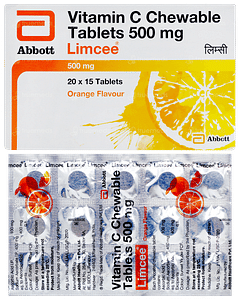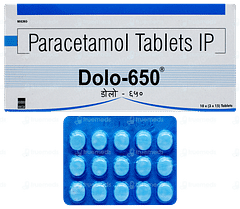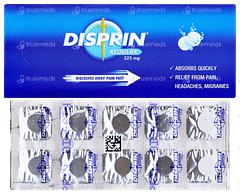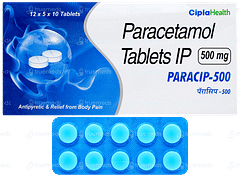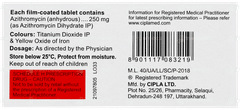
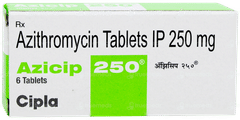

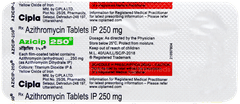


 Composition
Azicip 250 mg Tablet is used to treat bacterial infections of the chest, throat, sinuses, tonsils, ears and skin, such as bronchitis, pneumonia, sinusitis and tonsillitis. It is also used for some infections passed on through sex, as decided by a doctor. It does not treat infections caused by viruses, such as colds or flu. See a doctor soon if you have a rash, trouble breathing, a fast heartbeat or severe diarrhoea.
Take Azicip 250 mg Tablet with water, with or without food, at a regular time. Take it whole; do not chew or crush it. Follow your doctor's prescribed dose and duration. Complete the full course even if you feel better, as stopping early can let the infection return. Keep antacids that contain aluminium or magnesium at least two hours apart. Do not use leftover antibiotics for another illness. Do not double a missed dose.
Common side effects of Azicip 250 mg Tablet include nausea, loose motions, stomach pain, vomiting, headache, dizziness, gas and a change in taste. Mild effects may settle during treatment. Inform your doctor if symptoms persist or worsen. Get emergency help if you have a fast or irregular heartbeat, fainting, severe or bloody diarrhoea, yellow skin or eyes, or swelling of the face or lips. Never increase or reduce your dose without medical advice.
Before using Azicip 250 mg Tablet, tell your doctor about liver disease, kidney disease, heart rhythm problems, low potassium, myasthenia gravis or an antibiotic allergy. Mention all medicines, supplements and herbal products you take, especially warfarin, digoxin, ciclosporin, antacids and medicines that affect heart rhythm. Consult your doctor if you are pregnant or breastfeeding. Tell your doctor if loose motions continue after the course ends.