Key Takeaways
- Curd (Dahi) and buttermilk (Chaas) are accessible probiotic foods in India, provided they contain live cultures and are not heat-treated after fermentation.
- Milk kefir can contain a greater diversity of microbial strains than many types of yoghurt, although the exact number varies by product and preparation.
- Fermented foods such as idli and dosa may lose most of their live microorganisms during cooking because heat can kill probiotic bacteria. They may still provide nutrients and fermentation-related compounds but should not automatically be considered probiotic foods.
- Commercial probiotic supplements may contain added sugars and other ingredients, so check labels for specific probiotic strains and the number of live microorganisms provided.
- Not all fermented foods are probiotic. To provide a probiotic effect, microorganisms must be present in adequate amounts and remain viable through processing and storage; probiotic strains also need evidence of a health benefit.
Millions of Indians struggle with digestive discomfort, low immunity, and energy issues, often without realising these problems may contribute to an imbalanced gut microbiome. Probiotics, live beneficial bacteria and yeasts found in certain foods, can help restore this balance and support overall wellness[1]. While probiotic supplements exist, natural probiotic foods offer additional nutritional benefits, including vitamins, minerals, and protein, as well as live cultures. Understanding which foods provide genuine probiotic benefits and how to incorporate them into your diet is essential for optimising gut healt
Millions of Indians struggle with digestive discomfort, low immunity, and energy issues, often without realising these problems may contribute to an imbalanced gut microbiome. Probiotics, live beneficial bacteria and yeasts found in certain foods, can help restore this balance and support overall wellness[1]. While probiotic supplements exist, natural probiotic foods offer additional nutritional benefits, including vitamins, minerals, and protein, as well as live cultures. Understanding which foods provide genuine probiotic benefits and how to incorporate them into your diet is essential for optimising gut health.
What are probiotic foods?
Probiotic foods contain live beneficial microorganisms, including certain strains of Lactobacillus and Bifidobacterium, which may be present in fermented foods or added to food products[1]. To be considered probiotic, these microorganisms must be present in adequate amounts and confer a health benefit, and they must survive food processing, storage, and passage through stomach acid in sufficient numbers to reach the intestines[3].
The World Health Organisation defines probiotics as “live microorganisms which, when administered in adequate amounts, confer a health benefit on the host.”[2] In practice, this means not all fermented foods qualify as probiotic foods. Heat-treated or pasteurised products may lack live cultures. Many foods undergo fermentation during preparation, such as idli, dosa, bread, and beer, but cooking or pasteurisation can kill most live microorganisms.
Top 20 probiotic foods in India
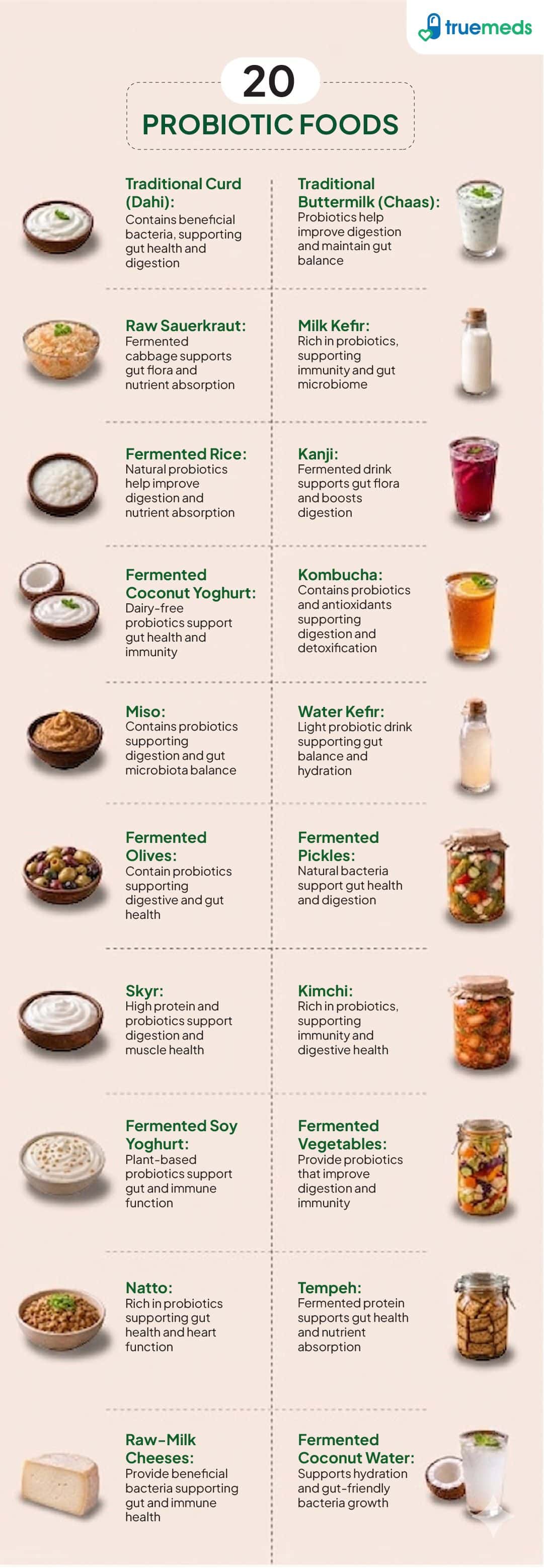
India's culinary traditions include numerous fermented foods that can support gut health when prepared and consumed properly. Here are 20 probiotic-rich options available across the country:
1. Traditional Curd (Dahi) – Homemade
Homemade curd prepared from live cultures contains Lactobacillus species when not heat-treated[4]. This affordable, culturally accepted staple remains one of India's most accessible sources of probiotics. Commercial varieties labelled "live and active cultures" also provide benefits.
2. Traditional Buttermilk (Chaas)
Made from cultured curd, this refreshing drink offers similar probiotic benefits when naturally fermented[4]. The dilution makes it easier to digest for some individuals while providing hydration alongside beneficial bacteria.
3. Milk Kefir
Kefir stands out as one of the richest probiotic foods, which can contain dozens of microbial species, depending on preparation, compared to yoghurt's typical 2-3 strains[5]. Increasingly available in urban Indian markets, it provides diverse microbial benefits.
4. Fermented Rice (Pazhaya Sadam/Panta Bhat)
This traditional fermented staple from South and East India can support gut health when prepared hygienically using proper fermentation methods[6]. The overnight fermentation process allows beneficial bacteria to multiply naturally.
5. Kanji (Fermented Carrot/Beet Drink)
This North Indian drink becomes probiotic-rich when prepared traditionally through salt-brine fermentation without vinegar[7]. The natural fermentation process creates beneficial Lactobacillus species.
6. Fermented Coconut Yoghurt (Live Cultures)
Available in health stores, this dairy-free option suits lactose-intolerant individuals while providing probiotic benefits[8]. Choose varieties explicitly stating "live active cultures" on labels.
7. Kombucha (Raw, Unpasteurised)
This fermented tea contains acetic acid bacteria and yeasts, as well as beneficial vitamins and antioxidants[8]. However, only raw, unpasteurised varieties retain live cultures.
8. Water Kefir
This dairy-free fermented drink offers an alternative for vegan consumers[5]. Though less common in India, it provides diverse probiotic strains through the fermentation of sugar water with kefir grains.
9. Fermented Pickles (Salt-Brined, Not Vinegar-Based)
Traditional Indian pickles can be probiotic when naturally fermented through salt-brining and not heat-processed[7][8]. However, avoid vinegar-based pickles as they lack live cultures and do not provide probiotic benefits.
10. Kimchi (Raw, Unpasteurised)
Available in metro cities, this Korean fermented vegetable dish contains Lactobacillus species when unpasteurised[8]. It offers both flavour diversity and nutritional value.
11. Raw Sauerkraut (Unpasteurised)
Naturally fermented cabbage provides beneficial bacteria when sourced correctly[8]. As it is not heat-treated, unpasteurised sauerkraut retains live probiotic cultures. For maximum benefit, it should be consumed raw and stored under refrigeration to preserve its active cultures.
12. Fermented Vegetables (Carrots, Beets – Raw)
Homemade salt-brined fermented vegetables may support gut health[8]. Hygiene during preparation remains critical to prevent harmful bacterial contamination.
13. Tempeh (Lightly Cooked)
This fermented soy product is produced using the starter culture Rhizopus oligosporus. While it is highly nutritious, the cooking process required before eating destroys these cultures, meaning tempeh acts primarily as a prebiotic and high-protein source rather than a live probiotic[9].
14. Miso (Unpasteurised, Added After Cooking)
Miso is fermented using Aspergillus oryzae (koji mould) to break down nutrients, and it often contains beneficial lactic acid bacteria. It retains probiotic properties when unpasteurised and not exposed to high heat[9]. Add to soups after cooking to preserve live cultures.
15. Fermented Coconut Water
Traditional in some Indian regions, naturally fermented coconut water can provide beneficial probiotics when prepared and consumed fresh. The natural sugars in coconut water support fermentation, allowing helpful bacteria to develop,
16. Fermented Olives (Brine-Cured)
Available mostly through imports, brine-cured olives contain probiotics only when not pasteurised[9]. The fermentation process supports the development of lactic acid bacteria, which may aid gut health. To retain probiotic benefits, olives should be stored in brine and clearly labelled as “naturally fermented” or “unpasteurised.”
17. Raw-Milk Aged Cheeses
Certain aged cheeses made from raw or unpasteurised milk contain live Lactobacillus and Bifidobacterium cultures that can survive the ageing process[9]. The long fermentation and maturation support microbial stability, allowing these cheeses to contribute beneficial bacteria while also offering concentrated protein, calcium, and bioavailable nutrients.
Please note that probiotic benefits are strain-specific, and raw milk cheeses may pose a higher risk of bacterial contamination, particularly for pregnant individuals, older adults, and those with weakened immune systems.
18. Skyr (Live-Culture Varieties)
This high-protein fermented dairy product offers probiotic benefits in live-culture varieties. Its strained preparation results in a thicker texture with higher protein and lower lactose, making it easier to digest for some individuals while possibly supporting gut health when cultures remain intact[10].
19. Fermented Soy Yoghurt (Live Cultures)
A useful dairy-free option for those avoiding animal products whilst seeking probiotic benefits[11]. When prepared with live cultures, fermented soy yoghurt provides beneficial bacteria alongside plant-based protein and isoflavones.
20. Natto
Extremely rich in Bacillus subtilis, this Japanese fermented soybean product offers unique probiotic strains[11]. The fermentation process also enhances nutrient availability, including vitamin K2, and may support enzymatic activity.
Probiotic-rich foods and their health benefits
Consuming probiotic foods regularly can support multiple aspects of health through their effects on gut microbiota.
- Digestive health support: Probiotics help maintain a healthy gut microbiota balance, which can prevent pathogenic bacteria overgrowth and improve digestive issues, including diarrhoea, constipation, and irritable bowel syndrome symptoms[3]. These beneficial bacteria also enhance nutrient absorption, particularly B vitamins, vitamin K, and certain minerals[3]. For lactose-intolerant individuals, probiotics may help digest dairy products more easily[3].
- Immune function enhancement: Probiotic consumption may support immune function by enhancing intestinal barrier integrity, modulating immune cell activity, and reducing inflammation markers[3]. This strengthened intestinal barrier helps prevent harmful substances from entering the bloodstream whilst allowing beneficial nutrients through.
- Mental health connection: Emerging research suggests probiotics may influence mental health through the gut-brain axis[12]. Some probiotic strains show potential to reduce anxiety and depression symptoms, though more research in this area continues.
- Cardiovascular benefits: Certain probiotic strains may help manage cholesterol levels, blood pressure, and inflammatory markers[3]. These effects can contribute to overall cardiovascular health when combined with other healthy lifestyle practices.
How to include probiotics in your diet
Incorporating probiotic foods into your daily routine requires a gradual, strategic approach for optimal results.
- Start gradually: Begin with small amounts such as half a cup of yoghurt or a quarter cup of sauerkraut. This allows your gut microbiota to adjust and minimises potential digestive discomfort like temporary bloating or gas.
- Maintain regular consumption: Consume probiotic foods daily or several times weekly, as beneficial bacteria don't permanently colonise the gut. Benefits diminish when consumption stops, making consistency more important than occasional large servings.
- Combine with prebiotic foods: Pair probiotic foods with prebiotic-rich options like onions, garlic, bananas, oats, and whole grains. These dietary fibres feed beneficial bacteria, enhancing their survival and activity in your digestive system.
- Storage and freshness: Store probiotic foods properly (most require refrigeration) and check expiration dates regularly. Bacterial counts decline over time, reducing potential benefits from older products.
When introducing probiotic-rich foods into your diet, start with small servings to avoid bloating. Opt for unpasteurised, refrigerated products to ensure the presence of live cultures.
Probiotic supplements vs. Probiotic foods
Both probiotic supplements and fermented foods offer benefits, but they serve different purposes and come with distinct advantages[13].
Probiotic foods provide nutritional value beyond bacterial cultures, making them ideal for general health maintenance. Supplements offer standardised doses of specific research-backed strains useful when targeting particular health conditions.
Consult your healthcare provider before starting probiotic supplements, especially if you have underlying health conditions.
Are probiotic foods safe?
Probiotic foods are generally safe for healthy individuals with a long history of safe consumption[1] [2]. Serious side effects remain rare in the general population. Mild, temporary side effects like gas, bloating, or digestive changes may occur initially but typically resolve within a few days as the gut microbiota adjusts[2].
However, certain individuals should exercise caution. High-risk individuals, people with weakened immune systems, severe illnesses, recent surgery, ICU patients, those with central venous catheters, and those with severe pancreatitis, due to a rare risk of bacteremia or fungemia, or critical health conditions, should consult healthcare providers before consuming probiotics[14]. In rare cases, probiotics can cause serious infections in immunocompromised individuals.
Individuals with compromised immune systems or serious health conditions should seek professional medical advice before adding probiotic foods to their diet.
Conclusion
Probiotic foods offer a natural, nutritious way to support gut health, immunity, and overall wellness. From traditional Indian options like homemade dahi and chaas to globally popular choices like kefir and kimchi, numerous accessible options exist for every dietary preference. Starting with small portions, maintaining regular consumption, and pairing probiotics with prebiotic-rich foods can maximise benefits. While generally safe for healthy individuals, those with compromised immunity should seek medical guidance before making significant dietary changes involving probiotics.
FAQs
What are the best probiotic foods for gut health?
Homemade dahi, milk kefir, traditional buttermilk, and raw sauerkraut provide diverse beneficial bacterial strains. Choose unpasteurised varieties with live cultures, and vary your selections to maximise microbial diversity in your gut.
Can I get enough probiotics from food alone?
Yes, consuming various probiotic-rich foods daily may effectively support gut health for most people. Supplements may benefit those with specific health conditions, but whole foods provide additional nutrients alongside beneficial bacteria.
How do probiotics improve immunity?
Probiotics strengthen intestinal barrier function, modulate immune cell activity, and reduce inflammation. This enhanced barrier prevents harmful substances from entering your bloodstream while allowing your immune system to respond more effectively to threats.
Is yoghurt a good source of probiotics?
Yes, yoghurt labelled "live and active cultures" contains beneficial bacteria. Avoid heat-treated varieties, which kill probiotics, and choose products without excessive added sugar that can counteract health benefits.
What are some Indian probiotic foods?
Traditional Indian probiotic foods include homemade dahi, chaas, kanji (fermented carrot drink), pazhaya sadam (fermented rice), and naturally fermented pickles. Ensure pickles are salt-brined, not vinegar-based, to retain probiotic benefits.
Are there any risks in consuming too many probiotics?
For healthy individuals, excessive probiotic intake may cause temporary bloating or gas but is generally safe. However, immunocompromised individuals should consult doctors before consuming large amounts of probiotic foods or supplements.
Do cooked fermented foods like idlis and dosa provide probiotics?
Cooking destroys probiotic bacteria. While idlis and dosa offer digestive benefits from fermentation byproducts and are nutritious foods, they don't provide live probiotics after steaming or cooking.
How long does it take for probiotic foods to work?
Some people notice digestive improvements within days, but optimal benefits typically require 2-4 weeks of regular consumption. Your gut microbiota gradually adapts, and consistency matters more than occasional large servings.
Which food is rich in probiotics?
Several probiotic-rich foods contain beneficial live microorganisms, including kefir, yoghurt, kimchi, sauerkraut, and certain fermented dairy products. Kefir is often considered one of the richest sources, although probiotic content can vary depending on the product, preparation method, and strains present.
What is the difference between probiotics and prebiotics?
Probiotics are live beneficial microorganisms that may help support gut health when consumed in adequate amounts. Prebiotics are non-digestible fibres that nourish these beneficial microbes. Both play important but distinct roles in maintaining a healthy gut microbiome.
Medical Disclaimer
This article is for informational purposes only and does not constitute medical advice. The information provided should not be used for diagnosing or treating health conditions. Always consult a qualified healthcare provider for diagnosis, treatment, and personalised medical advice. Do not disregard professional medical advice or delay seeking it because of information found in this article. If you have a medical emergency, contact your doctor or emergency services immediately.
References
National Center for Complementary and Integrative Health. (2023). Probiotics: What You Need to Know. National Institutes of Health. https://www.nccih.nih.gov/health/probiotics-what-you-need-to-know
Office of Dietary Supplements - Probiotics. (2025). https://ods.od.nih.gov/factsheets/Probiotics-HealthProfessional/
Latif, A., Shehzad, A., Niazi, S., Zahid, A., Ashraf, W., Iqbal, M. W., Rehman, A., Riaz, T., Aadil, R. M., Khan, I. M., Özogul, F., Rocha, J. M., Esatbeyoglu, T., & Korma, S. A. (2023). Probiotics: mechanism of action, health benefits and their application in food industries. Frontiers. https://doi.org/10.3389/fmicb.2023.1216674
Jang, H. J., Lee, N., & Paik, H. (2024). Overview of Dairy-based Products with Probiotics: Fermented or Non-fermented Milk Drink. Food Science of Animal Resources, 44(2), 255–268. https://doi.org/10.5851/kosfa.2023.e83